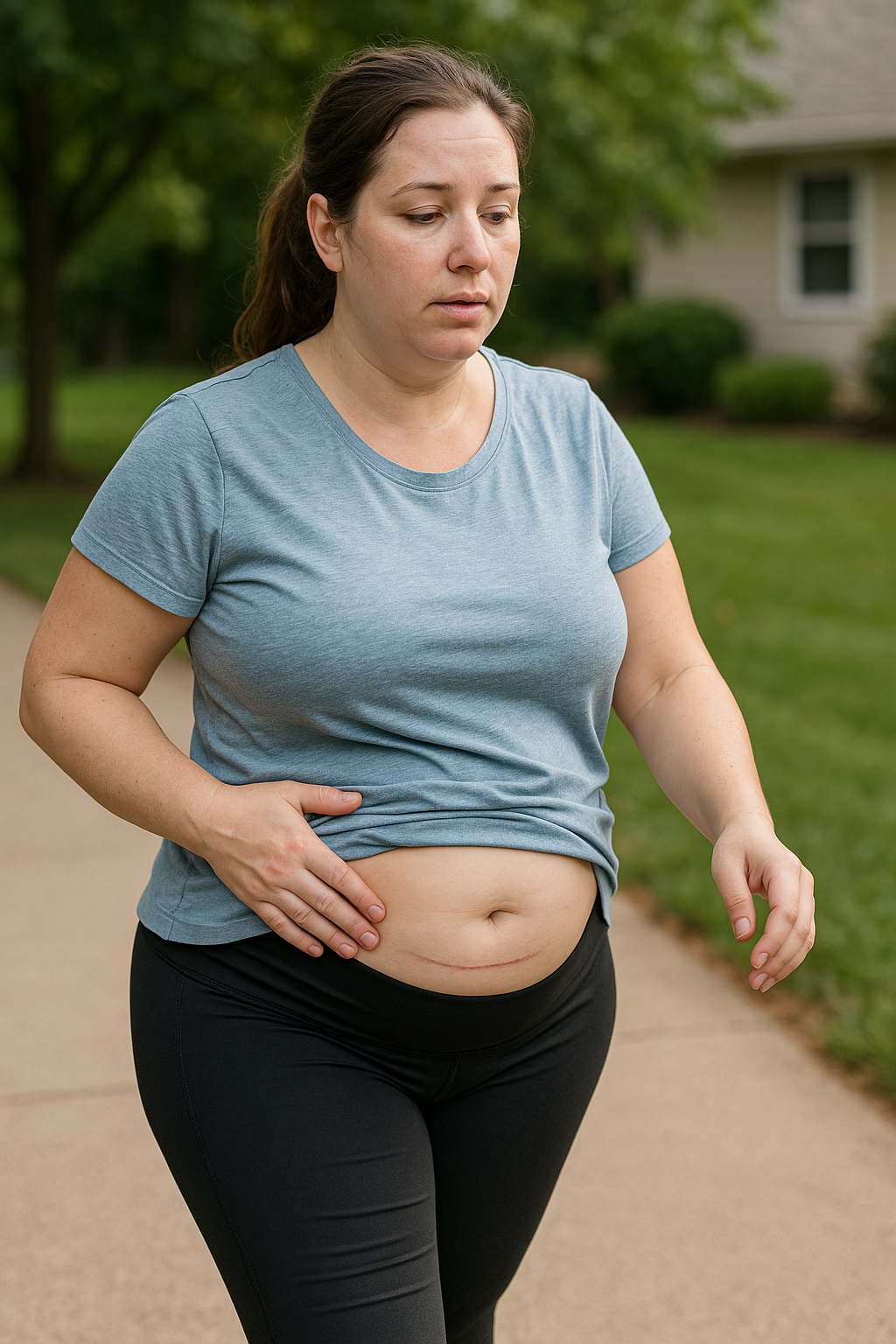
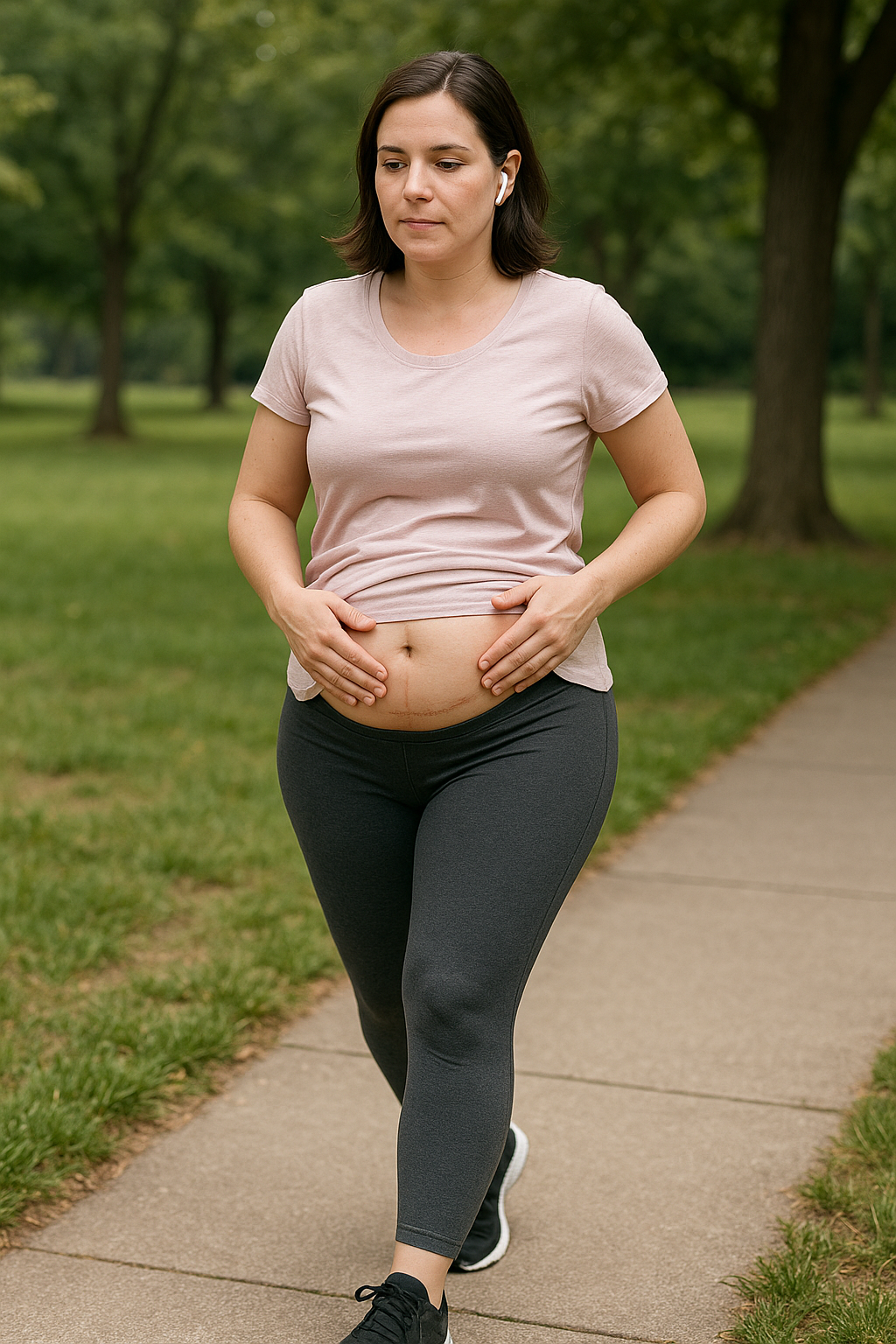
Staying active during pregnancy is not just beneficial; it's essential for both physical and mental well-being. While it's natural for expecting moms to have concerns about exercising during this delicate period, understanding the advantages and guidelines can help alleviate these worries. Engaging in fitness for pregnant women can significantly enhance health outcomes, providing a foundation for a healthier pregnancy and postpartum recovery.
Understanding the importance of fitness during pregnancy
Regular physical activity during pregnancy offers a multitude of benefits. Physically, it helps in managing weight gain, reducing the risk of gestational diabetes, and enhancing cardiovascular health. Exercising also strengthens the muscles, which can ease labor and delivery. Mentally, staying active can elevate mood, reduce stress, and improve sleep patterns, all of which are crucial during pregnancy.
Despite these benefits, many pregnant women are hesitant to exercise due to common misconceptions. Some believe that physical activity could harm the baby or lead to complications. However, with the right approach and guidance, exercise is not only safe but highly recommended. The key is to focus on moderate-intensity activities and to listen to your body.
Official exercise recommendations for expecting moms
The official recommendation for healthy pregnant women is to engage in at least 150 minutes of moderate aerobic activity each week. This can be broken down into manageable sessions, such as 30 minutes a day, five days a week. Activities like walking, swimming, and prenatal yoga are excellent choices that offer low-impact, safe options for maintaining fitness during pregnancy.
It's crucial for expecting mothers to start slowly, especially if they were not active before pregnancy, and gradually increase the intensity as their body adapts. Always consult with a healthcare provider before starting or continuing an exercise regimen during pregnancy to ensure it's tailored to individual health conditions and pregnancy stages.
By staying informed and following expert guidelines, pregnant women can confidently incorporate fitness into their routine, reaping the benefits for both themselves and their babies. Embracing a lifestyle that includes regular physical activity can lead to a more comfortable pregnancy and a smoother transition into motherhood.
Recommended exercise guidelines for pregnant women
For pregnant women, maintaining a regular exercise routine is crucial, and the guideline of 150 minutes of moderate aerobic activity per week serves as a reliable benchmark. This can be divided into shorter sessions, such as 30 minutes a day, five days a week, making it easier to incorporate into daily life. For those new to exercise, starting slowly and gradually increasing intensity is key. This approach allows the body to adapt, reducing the risk of injury and ensuring that the exercise remains beneficial throughout the pregnancy.
Safe exercise options for expecting moms
Finding the right exercises during pregnancy can make all the difference in comfort and safety. Walking is an excellent starting point; it's low-impact and can be easily adjusted in pace and duration. Swimming and water aerobics provide buoyancy that supports the joints and reduces strain, making them ideal for relieving pregnancy-related discomfort. Stationary cycling offers a cardiovascular workout without the risk of falls associated with traditional cycling.
Low-impact aerobics and prenatal yoga or Pilates can enhance flexibility and strength, focusing on breathing and relaxation techniques that are beneficial during labor. Light strength training, with a focus on maintaining good form, helps in building muscle endurance. Stretching and pelvic floor exercises are also recommended to support the body as it changes and to prepare for childbirth. Each of these activities has unique benefits, contributing to overall well-being and preparing the body for the demands of pregnancy and delivery.
Monitoring exercise intensity
Pregnant women must pay attention to exercise intensity to ensure safety. A simple way to gauge this is the "talk test." If you can maintain a conversation while exercising, the intensity is likely appropriate. This method is practical and ensures that the exercise remains at a moderate level, which is ideal during pregnancy. Listening to your body is equally important; if you feel discomfort or fatigue, it's crucial to adjust your activity levels accordingly. This approach not only promotes a healthy pregnancy but also helps in maintaining a positive exercise experience.
By adhering to these guidelines and choosing suitable exercises, pregnant women can enjoy the numerous benefits of staying active, from improved mood and energy to better physical fitness. It's about finding a balance that works for you and your baby, ensuring that exercise is both a safe and rewarding part of your pregnancy journey.
Safety precautions and activities to avoid
While staying active during pregnancy is beneficial, certain activities pose risks and should be avoided. Contact sports like hockey and boxing, as well as activities with a high risk of falls or abdominal trauma, such as horseback riding, skiing, surfing, and gymnastics, are not recommended. Outdoor cycling should also be approached with caution, especially if balance is a concern. It's crucial to avoid overheating by exercising in temperature-controlled environments and maintaining adequate hydration.
Recognizing warning signs
Exercising during pregnancy should always be done with attention to the body's signals. If you experience any of the following symptoms, stop exercising immediately and consult with a healthcare professional: vaginal bleeding, abdominal pain, regular painful contractions, leakage of amniotic fluid, dizziness, headache, chest pain, or severe shortness of breath. These signs indicate that your body is under stress and needs medical attention.
The role of ergonomics and support in everyday activities
Proper ergonomics and support are essential during pregnancy, not only during exercise but also in daily activities. Maintaining good posture can alleviate strain on the back and pelvis. Simple adjustments, such as using a supportive chair or a maternity belt, can significantly enhance comfort. When lifting objects, remember to bend at the knees and keep the back straight to avoid unnecessary strain. These practices help maintain balance and reduce discomfort as the body changes.

Lumbar support belt
Provides adjustable support and relief for the lower back during pregnancy or everyday activity.
Frequently Asked Questions
Can I do strength training while pregnant?
Yes, strength training can be safe during pregnancy if done with caution. Focus on using lighter weights and performing exercises with proper form to avoid strain. It's essential to consult with a healthcare provider to tailor the routine to your specific needs.
Is running safe during pregnancy?
Running can be safe for those who were regular runners before pregnancy. However, it's important to listen to your body and adjust intensity as needed. Always consult with a healthcare provider to ensure it's appropriate for your pregnancy stage.
How long can I walk each day while pregnant?
Walking is a safe and effective exercise during pregnancy. Most pregnant women can walk for 30 minutes a day, but it's important to listen to your body and rest if you feel fatigued.
Are squats safe to perform during pregnancy?
Squats can be a beneficial exercise during pregnancy as they help strengthen the lower body and improve pelvic floor health. Ensure you maintain proper form and avoid deep squats to prevent strain.
Which exercises should be avoided when pregnant?
Exercises that involve lying flat on your back after the first trimester, high-impact activities, and those with a risk of falling or abdominal trauma should be avoided. Always consult with a healthcare provider for personalized advice.
What can I do if I experience back pain during pregnancy?
Engaging in gentle stretching, prenatal yoga, and exercises that strengthen the back and core can help alleviate back pain. Maintaining good posture and using ergonomic support in daily activities are also beneficial.

Women's Posture Shirt™ - Black
Patented shirt with Neuroband™ technology to improve posture, relieve tension, and support during pregnancy or daily activity.
Can exercise induce labor?
There is no evidence that moderate exercise induces labor. However, it's important to follow guidelines and consult with a healthcare provider, especially in the later stages of pregnancy.
Is yoga safe for pregnant women?
Yes, prenatal yoga is a safe and effective way to maintain flexibility and reduce stress during pregnancy. It focuses on gentle stretching and breathing techniques, which can be highly beneficial. Avoid poses that involve lying flat on your back or those that require deep twisting.
Källförteckning
- American College of Obstetricians and Gynecologists. (2020). "Exercise During Pregnancy."
- American College of Obstetricians and Gynecologists. (2020). "Physical Activity and Exercise During Pregnancy and the Postpartum Period."
- NHS. (2021). "Exercise in Pregnancy."
- Mayo Clinic Health System. (2021). "Exercise During Pregnancy."
- Cleveland Clinic. (2021). "Pregnancy-Safe Workouts."
- NHS. (2021). "Exercising in Pregnancy."
- WebMD. (2021). "Exercise During Pregnancy."
- Whittington Health NHS Trust. (2021). "Exercise in Pregnancy."
- Harrogate and District NHS Foundation Trust. (2021). "Fit for Pregnancy: Exercises and Advice to Stay Fit and Healthy During Pregnancy."
- PubMed Central. (2015). "Exercise During Pregnancy: A Review of Patterns and Determinants."
- Better Health Channel. (2021). "Pregnancy and Exercise."
- Johns Hopkins Medicine. (2021). "Exercise During Pregnancy."