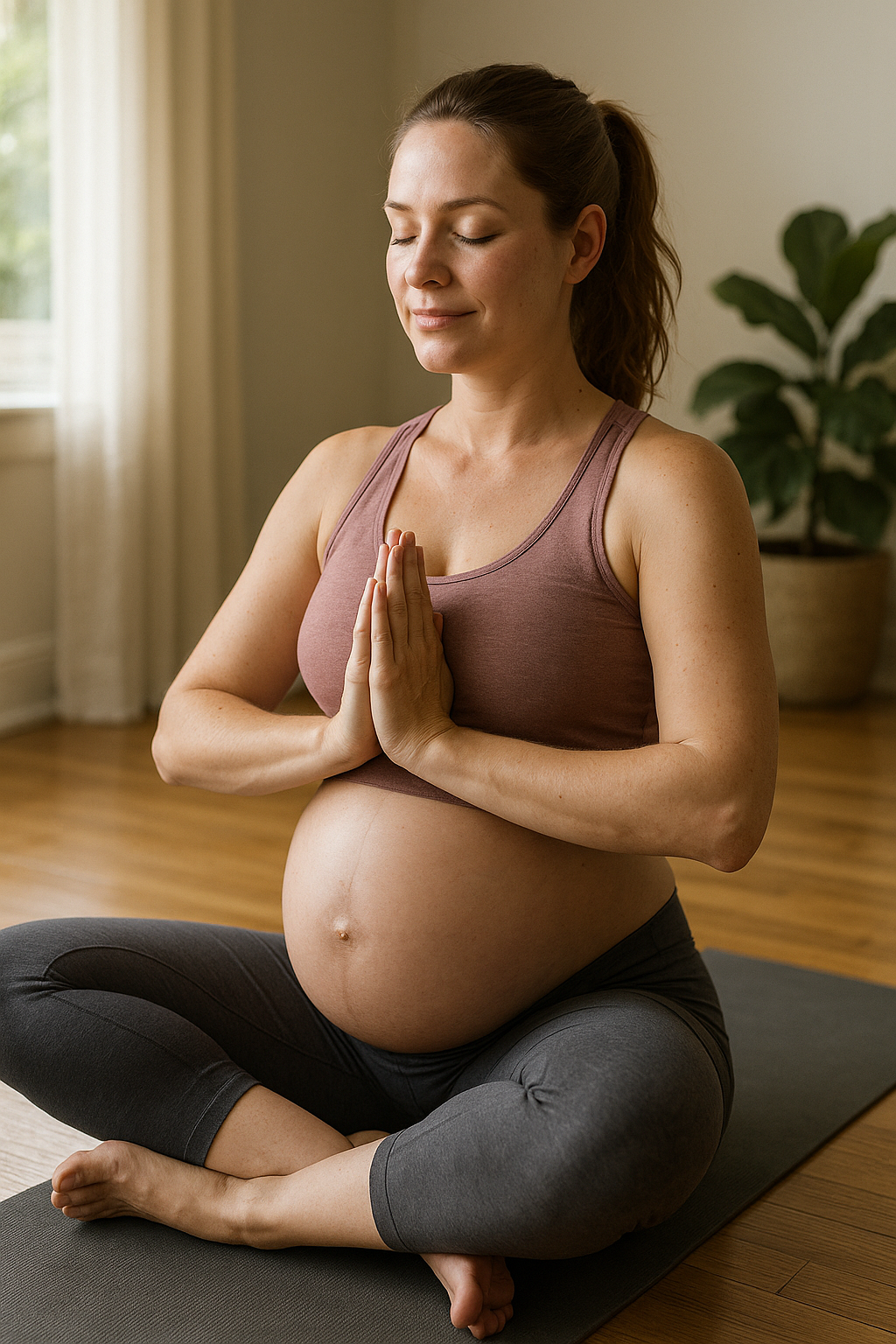


Pregnancy is a transformative journey, filled with excitement and anticipation, yet it also presents unique physical and emotional challenges. Maintaining fitness during this period is crucial for ensuring both the health of the mother and the developing baby. Engaging in regular physical activity can significantly enhance the physical and mental well-being of pregnant women, helping them stay fit and fabulous during these nine months.
Understanding fitness for pregnant women
Staying active during pregnancy is not just safe for most women; it is highly beneficial. Exercise can help manage weight gain, reduce the risk of gestational diabetes, and improve overall cardiovascular health. Moreover, it boosts mood, energy levels, and can even aid in better sleep, which is often disrupted during pregnancy.
However, safety is a primary concern for many expectant mothers. It's natural to worry about the impact of exercise on the baby and the body. Fortunately, research and guidelines from health authorities like the American College of Obstetricians and Gynecologists (ACOG) suggest that pregnant women can safely engage in 150 minutes of moderate aerobic activity per week. This recommendation serves as a benchmark for maintaining health and fitness during pregnancy without posing risks to the mother or child.
The role of exercise in a healthy pregnancy
Exercise plays a pivotal role in alleviating common discomforts associated with pregnancy. Regular physical activity can help reduce back pain, a prevalent issue due to the extra weight and shifting center of gravity. It also combats bloating and fatigue, two common complaints during pregnancy. By strengthening muscles and improving circulation, exercise can make these nine months more comfortable.

Lumbar support belt
Stabilises and relieves lower back pain—adjustable for your support needs.
Fitness routines should be tailored to suit each trimester and individual health conditions. For instance, as the pregnancy progresses, certain exercises may need to be modified to accommodate the growing belly and changes in balance. It's essential to listen to your body and adjust the intensity and type of exercise accordingly.
Before embarking on any new fitness regimen during pregnancy, consulting with healthcare providers is imperative. They can provide personalized advice based on your health history and pregnancy progression, ensuring that your exercise routine is both safe and effective.
Embracing fitness during pregnancy is about more than just physical health; it's about empowering women to feel strong and confident as they prepare for the arrival of their little one. By integrating safe and effective exercises into their daily routine, pregnant women can enjoy a healthier, happier pregnancy journey.
Safe exercise guidelines for pregnant women
When it comes to fitness for pregnant women, safety and effectiveness go hand in hand. The widely endorsed guideline of 150 minutes of moderate aerobic exercise per week is a cornerstone of prenatal fitness. This recommendation, supported by the American College of Obstetricians and Gynecologists (ACOG) and the Centers for Disease Control and Prevention (CDC), suggests that exercise can be broken into manageable sessions, such as 30 minutes a day, five days a week.
Engaging in activities like walking, swimming, stationary cycling, and low-impact aerobics can provide substantial benefits without undue strain. Walking is an accessible form of exercise that suits all fitness levels, while swimming and water aerobics offer low-impact alternatives that support the body and reduce joint strain. Stationary cycling provides cardiovascular benefits with minimal risk of falls, making it an excellent choice for maintaining fitness during pregnancy.
Yoga and Pilates are also popular among pregnant women, as they enhance flexibility and core strength. However, it is crucial to avoid hot environments during these exercises to prevent overheating. Light to moderate strength training can help maintain muscle tone, but it's important to use proper form and avoid heavy weights.
Exercises to avoid during pregnancy
While staying active is beneficial, certain activities pose risks and should be avoided during pregnancy. High-risk activities such as contact sports, skiing, horseback riding, and scuba diving are not recommended due to the potential for injury or falls. Additionally, exercises that involve lying flat on the back should be avoided after the first trimester to prevent vena cava compression, which can affect blood flow.
Hot yoga and hot Pilates are also on the list of activities to avoid due to the risk of overheating, which can be dangerous during pregnancy. It's important to listen to your body and avoid exercises that involve holding your breath or straining, as these can increase intra-abdominal pressure.
Trimester-specific exercise recommendations
As pregnancy progresses, exercise routines should be adjusted to accommodate the changing body. In the first trimester, focus on building a routine and listening to your body. This is a time to establish a foundation of regular physical activity that can be maintained throughout the pregnancy.
During the second trimester, as the belly grows and balance changes, it may be necessary to modify exercises to ensure comfort and safety. The third trimester is all about prioritizing comfort and stability. Exercises that reduce strain on the back and pelvis are particularly beneficial during this stage.
By following these guidelines and tailoring exercises to each trimester, pregnant women can safely enjoy the benefits of fitness, contributing to a healthier and more comfortable pregnancy experience.
Ergonomic considerations for pregnant exercisers
Maintaining an ergonomic approach to exercise during pregnancy is essential for comfort and safety. As the body undergoes changes, focusing on posture and support can make a significant difference in the effectiveness and enjoyment of a fitness routine.
Posture and support
Ensuring a neutral spine and good posture during exercises helps prevent strain and discomfort. Using support tools like fitness balls or ergonomic mats can enhance comfort and stability, allowing for a more enjoyable workout experience. These tools can also aid in maintaining balance, especially as the pregnancy progresses and the center of gravity shifts.

Women's Posture Shirt™ - Black
Helps improve posture and relieve pain—ideal for work, exercise, and leisure.
Workplace and home ergonomics
Beyond exercise, ergonomic considerations should extend to the workplace and home environment. Adjusting workstations to support proper posture can alleviate tension from prolonged sitting or standing. Frequent breaks and gentle stretching are recommended to maintain circulation and reduce muscle stiffness, contributing to overall well-being.
Sample pregnancy-friendly exercise program
Creating a balanced exercise routine that accommodates the unique needs of pregnancy is key. Here is a sample weekly program that integrates various forms of safe and effective exercises:
- Monday: 20–30 minutes of walking, focusing on maintaining a steady pace and proper posture.
- Tuesday: Light strength training targeting arms and legs, using light weights or resistance bands for safety.
- Wednesday: Restorative yoga or swimming, both of which offer gentle movement and relaxation.
- Thursday: Stationary cycling or brisk walking, ensuring a moderate intensity that allows for conversation.
- Friday: Pilates with modifications to accommodate the growing belly and maintain core strength.
- Weekend: Engage in gentle activities such as stretching or prenatal dance classes to maintain flexibility and enjoy movement.
Warning signs to stop exercise and seek medical advice
While exercise is beneficial during pregnancy, it's crucial to be aware of warning signs that indicate the need to stop and consult a healthcare provider. These symptoms include:
- Vaginal bleeding or fluid leakage
- Dizziness or faintness
- Chest pain or severe shortness of breath
- Persistent headaches or decreased fetal movement
If any of these occur, it is important to cease exercising immediately and seek medical advice to ensure the safety of both mother and baby.
Frequently asked questions
Is it safe to strength train during pregnancy?
Yes, strength training is safe during pregnancy when performed with light to moderate weights and proper form. It helps maintain muscle tone and supports overall fitness.
Can I continue running while pregnant?
If you were a runner before pregnancy and feel comfortable, you can continue running with caution. It's important to listen to your body and adjust as needed.
What exercises are best for the first trimester?
Low-impact activities like walking, swimming, and gentle yoga are ideal for the first trimester, helping to establish a routine and maintain fitness.
Is it safe to do abdominal exercises while pregnant?
After the first trimester, avoid exercises that involve lying flat on your back. Instead, focus on core stability exercises that support the abdomen.
How intense should my workouts be?
Workouts should be of moderate intensity, allowing you to maintain a conversation during exercise. This ensures that you are not overexerting yourself.
Can exercise help prevent gestational diabetes?
Regular physical activity can reduce the risk of gestational diabetes and improve overall health, making it a valuable part of prenatal care.
What should I do if I experience pelvic pain during exercise?
If you experience pelvic pain, modify exercises to reduce strain and consult a healthcare provider for personalized advice. It's important to ensure comfort and safety during workouts.
Källor
- American College of Obstetricians and Gynecologists. "Exercise During Pregnancy."
- American College of Obstetricians and Gynecologists. "Physical Activity and Exercise During Pregnancy and the Postpartum Period."
- Mayo Clinic Health System. "Exercise During Pregnancy."
- Cleveland Clinic. "Pregnancy-Safe Workouts."
- National Center for Biotechnology Information. "Exercise During Pregnancy."
- WebMD. "Exercise During Pregnancy."
- Royal Australian College of General Practitioners. "Exercise in Pregnancy."
- NHS. "Exercise in Pregnancy."
- Centers for Disease Control and Prevention. "Physical Activity Guidelines for Healthy Pregnant or Postpartum Women."
- Better Health Channel. "Pregnancy and Exercise."
- NHS. "Exercising in Pregnancy."