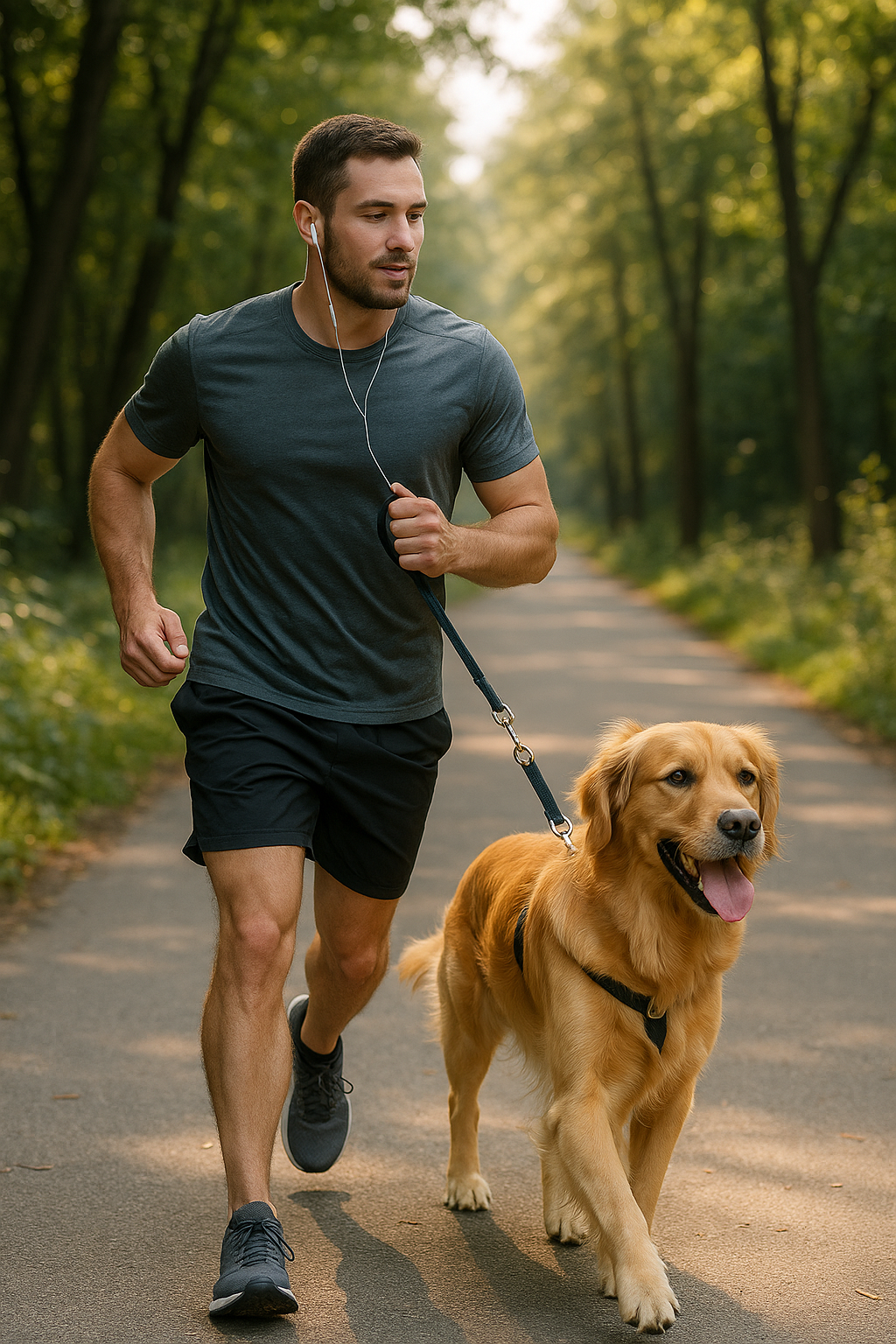
There’s something undeniably freeing about heading out for a run when the streets are quiet and the air feels crisp. Early mornings, dusky evenings, and winter afternoons can be some of the best times to train—but they’re also when you’re easiest to miss. In low-light conditions, even familiar routes can turn unpredictable, especially around crossings, parked cars, cycle lanes, and driveways.
That’s where reflective vest running becomes less of a “nice-to-have” and more of a smart routine. A reflective vest is one of the most effective and versatile ways to increase your visibility without changing how you run. It’s simple: when headlights or streetlights hit reflective material, the light bounces back toward the source, making you stand out faster and from farther away. The goal isn’t to look flashy—it’s to be instantly readable as a moving person.
And there’s a second benefit runners often appreciate: a vest is easy to layer. Whether you’re in a t-shirt, a windbreaker, or a winter jacket, you can throw it on in seconds and keep your normal setup. That consistency matters when you’re building habits and trying to stay active through darker seasons.
Why visibility matters more than pace
When you run in traffic or shared spaces, you’re relying on other people to notice you in time—drivers, cyclists, and even other runners. In the dark, they don’t just need to see “something”; they need to recognise what you are and where you’re moving. A reflective running vest helps create a clearer outline of your upper body, and many designs aim for 360° visibility so you’re easier to spot from the front, back, and sides.
It’s also worth knowing that not all vests work the same way. Some are passive reflective vests that depend on external light (like headlights). Others are LED or illuminated vests that create their own light, which can be useful on unlit paths where there’s little traffic and fewer light sources. In the next sections, we’ll break down how these options compare and when each one makes sense.
A small piece of gear with a big impact
The best safety gear is the gear you’ll actually wear. A good reflective vest should feel light, sit comfortably over your layers, and stay out of the way of your breathing and arm swing. Done right, it becomes part of your routine—helping you stay consistent with training while reducing the risk that comes with running when visibility is at its worst.

Men's Posture Shirt™ - Black
Posture Shirt™ improves posture, relieves tension, and is ideal for work, exercise, and leisure.
Why reflective gear is essential for runners
When you’re running in low light, the biggest challenge isn’t your fitness or your route knowledge—it’s being noticed early enough by other people to react safely. Reflective materials help solve that problem by returning light back toward its source. In practice, that means car headlights, bike lights, and even some street lighting can make you “pop” in a way dark clothing simply can’t.
Visibility is not just about being seen at the last second. It’s about being recognised as a moving person in time for a driver or cyclist to slow down, give space, or choose a safer line. That’s why reflective vest running is often recommended as a baseline for anyone who trains during dawn, dusk, or night. The vest creates a clear, high-contrast outline around your torso, which is one of the easiest shapes for others to interpret quickly.
Another key concept is 360° visibility. Real-world traffic doesn’t only approach from the front. Cars can come from behind, cyclists can overtake from the side, and you may cross junctions where visibility changes quickly. A vest that includes reflective elements on the front, back, and sides helps reduce blind-angle moments where you’re only visible from one direction.
It’s also worth remembering that low light and bad weather often overlap. Rain, fog, and wet roads can make it harder for drivers to spot movement, while glare from headlights can reduce contrast. Reflective elements don’t replace careful route choice and awareness, but they make it easier for others to detect you in those conditions.
Reflective vs hi-vis vs LED: what’s the difference?
Not all “visible” gear works the same way, and understanding the difference helps you choose the right setup for your routes.
- Reflective gear is designed for darkness. It needs an external light source (like headlights) to work, then reflects that light back, making you stand out.
- High-visibility (hi-vis) gear relies on bright fluorescent colours (often yellow, orange, or pink). It’s most effective in daylight, overcast weather, and transitional light like early morning or late afternoon.
- LED/illuminated vests create their own light. They’re especially useful on unlit paths, rural roads, or trails where there may be little or no external light to “activate” reflective materials.
| Type | How it works | Visibility range (typical) | Battery needed | Best for |
|---|---|---|---|---|
| Reflective vest | Reflects light back to the source | High when headlights/bike lights are present | No | Urban streets, commuting routes, traffic-heavy areas |
| Hi-vis vest | Fluorescent colour increases contrast | Best in daylight and dawn/dusk | No | Daytime running, grey weather, school-run traffic hours |
| LED/illuminated vest | Active lighting makes you visible without external light | Very high even in total darkness | Yes | Rural roads, unlit parks, trails, winter darkness |
For many runners, the most practical approach is not “either/or” but layering visibility: hi-vis colour for earlier twilight, reflective coverage for traffic, and LED light when the route is truly dark.
Why a reflective running vest is one of the most effective options
Reflective details on shoes or a small logo on a jacket can help, but a vest has a simple advantage: surface area. More reflective material generally means you’re easier to detect, and a vest places that material on the largest, most stable part of your body—your torso. That makes it easier for others to judge your position and direction.
A vest is also a strong choice because it’s easy to layer. You can wear it over a t-shirt in summer, a windbreaker in autumn, or a winter jacket when temperatures drop. That flexibility matters because visibility needs don’t disappear when the weather changes; if anything, they increase when conditions are darker and roads are slick.
To get the most from reflective vest running, think beyond the chest panel. The best visibility comes from a combination of:
- Front and back reflectivity so you’re seen when approaching and when being overtaken.
- Side reflectivity for junctions, crossings, and bike-lane interactions.
- Movement cues (for example, pairing the vest with reflective bands on ankles or wrists) because moving reflective points can be easier to notice than a single static patch.
In short: a reflective vest is popular for a reason. It’s one of the most versatile ways to improve visibility quickly, it works across seasons, and it supports the kind of consistent routine that keeps runners training safely when daylight is limited.
Comfort and fit: How to choose a reflective vest for running
A reflective vest only helps if you actually want to wear it. Comfort is therefore not a luxury detail—it is what makes reflective vest running a consistent habit through dark months. The best vests feel almost “invisible” once you start moving: they sit flat, don’t bounce, and don’t interfere with breathing or arm swing.
Look for an ergonomic cut that follows the natural shape of your torso and leaves your shoulders free. If the straps sit too close to the neck or rub the collarbone, you may unconsciously tighten your shoulders, which can affect posture and running form over time. Breathability also matters, especially when you layer over a jacket: a vest that traps heat can quickly become uncomfortable, even in cold weather.
- Low weight and stable fit: Adjustable straps should allow a snug, non-bouncy fit without needing to over-tighten.
- Reflective coverage and placement: Prioritise front, back, and side reflectivity for true 360° visibility.
- Layering compatibility: Make sure it fits over a winter jacket as well as a thin top.
- Gear compatibility: If you use a hydration pack, running belt, or phone armband, check that straps and buckles won’t overlap or create pressure points.
Build a complete visibility setup (without overcomplicating it)
A vest is a strong foundation, but the safest approach is to combine visibility tools that work in different ways. Reflective material helps others see you when light hits you; a small light helps you be noticed even before that happens; and reflective points on moving limbs make your motion easier to interpret.
Here are practical setups that keep things minimal while improving how early you’re detected:
- Commuting or city routes: Reflective vest running + a small front light or headlamp (for seeing and being seen) + reflective ankle bands for movement cues near headlights.
- Unlit paths and parks: Reflective vest + headlamp with a steady mode + a rear red light clipped to the vest or waistband to improve visibility from behind.
- Winter training in traffic: Reflective vest over a jacket + gloves or bands with reflective details + bright (hi-vis) colour on at least one upper-body layer for dusk conditions.
Layering matters because light changes during a run. A route that starts at dusk can quickly become full darkness. A simple, repeatable system makes it easier to stay consistent and safe without turning every run into a gear project.

Women's Posture Shirt™ - Black
Posture Shirt™ for women improves posture, relieves tension, and is for work, training, and leisure.
Care and durability: Keep your vest reflective for longer
Reflective materials are durable, but they are not indestructible. Dirt, sweat residue, and repeated harsh washing can reduce reflectivity over time. Treat your vest like performance gear: clean it gently and store it so reflective surfaces are not constantly creased or scraped.
- Wash gently: Use a mild detergent and avoid high heat. Skip fabric softener, which can leave a film that reduces performance.
- Protect the reflective surface: Close fasteners before washing and avoid washing with rough items that can cause abrasion.
- Air dry when possible: High heat can shorten the life of some materials and elastic components.
A simple way to check performance is a quick visibility test: in a dark room or hallway, shine a flashlight toward the vest from different angles. If you have access to a safe, controlled outdoor area, you can also test how it “pops” under car headlights (without standing near traffic). If reflectivity looks dull or uneven, it may be time to replace the vest—especially if you rely on it for frequent low-light runs.
Frequently Asked Questions
Is a reflective vest enough for night running?
A reflective vest is one of the most effective baseline tools for night running because it provides a large reflective area and can offer 360° visibility. However, it depends on external light (such as headlights). On routes with traffic and street lighting, reflective vest running is often a strong solution. On very dark routes with little or no light, adding an active light (headlamp or clip-on light) improves safety.
Do I need LED lights or is reflective gear enough?
Reflective gear can be enough when there are reliable external light sources—cars, cyclists, and streetlights. LED lighting becomes more important on unlit paths, rural roads, parks, or trails where there may be long stretches without headlights to “activate” reflective material. Many runners choose a combined approach: reflective vest for being seen by others, plus a small light to stay visible in total darkness and to see the ground ahead.
Where should reflective material be placed for maximum visibility?
For maximum visibility, prioritise reflective coverage on the torso (front, back, and sides) because it creates a clear, readable outline. Then add reflective elements on moving parts—ankles and wrists are especially effective because motion helps others recognise you as a person in movement. The goal is not just brightness, but quick recognition from multiple angles.
Kilder
- Runners World. (2021). ”Reflective Gear to Run Safely in the Dark.”
- 21RUN. (n.d.). ”Top 10 Løbelys og Reflekser.”
- Amphipod. (n.d.). ”Visibility.”
- Proviz Sports. (n.d.). ”Running Gilets.”
- Reddit. (2018). ”How Do You Stay Safe When Running in the Dark?”
- iRunFar. (2021). ”Best Reflective Running Gear.”
- RunMate. (n.d.). ”Fordelene ved at Bruge Refleksveste til Løb.”
- Reddit. (2021). ”Favorite High Visibility ‘Don’t Run Over Me’ Gear.”
- Løbeshop. (n.d.). ”Guide: Best Running Reflective Vests.”
- Road Runner Sports. (n.d.). ”Safety Accessories.”
- BilligSport24. (n.d.). ”Sikkerhed.”
- Nathan Sports. (n.d.). ”Reflective Collection.”
- Tex-Tryk. (n.d.). ”Se Mig i Mørket: Derfor er den Rigtige Løbe Refleksvest Vigtigere end du Tror.”
- Eventyrsport. (n.d.). ”Lys og Reflekser.”