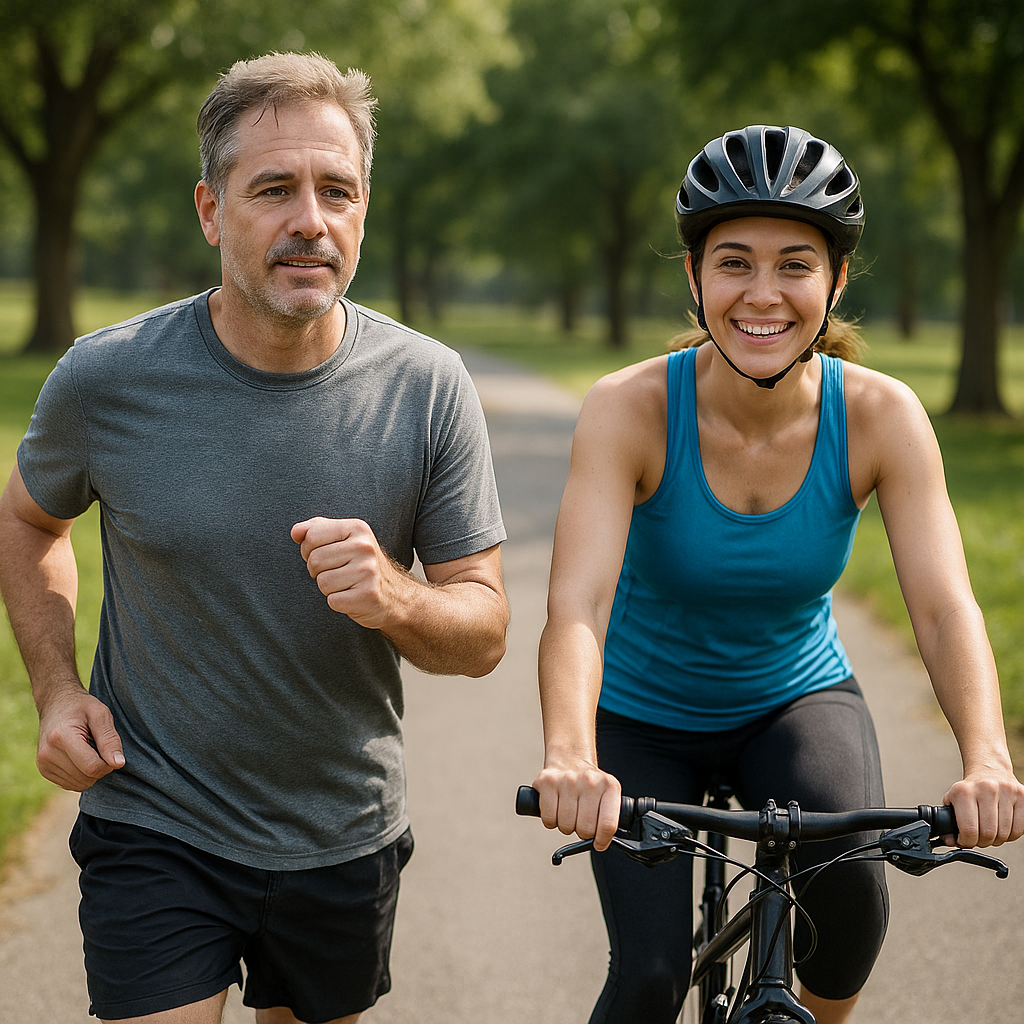
Strength training for seniors isn’t about chasing a personal record or “getting ripped”. It’s about keeping the body capable: standing up from a chair without using your hands, carrying groceries without strain, climbing stairs with steadier legs, and feeling confident in your balance. In other words, it’s training for everyday life—and for staying independent for as long as possible.
As we age, it’s normal to lose muscle and power if we don’t challenge the body. The good news is that the body also responds remarkably well when we do. With the right approach, strength training can help older adults move more freely, protect mobility, and make daily tasks feel lighter. It’s one of the most practical ways to invest in vitality—because strength supports everything from posture and walking speed to stability and resilience.
Why strength matters more after 60
Many people think cardio is the main “health exercise”, but strength is often the missing piece. Stronger muscles help you control your movements, react faster if you trip, and maintain the kind of full-body stability that reduces the fear of falling. It also supports joints by taking pressure off sensitive areas and improving how the body distributes load when you bend, reach, or lift.
Just as importantly, strength training for seniors is scalable. It can start with bodyweight movements, a chair, a wall, or a resistance band. You don’t need a gym membership to begin—you need a plan that respects your starting point and builds confidence step by step.
Common concerns (and what to do about them)
Is it too late to start? No. Whether you’re 60, 70, or beyond, strength can be improved with consistent practice. Progress might look different from person to person, but the ability to get stronger is not reserved for the young.
Is it safe? For most older adults, yes—when you start conservatively and focus on good technique. If you have osteoporosis, cardiovascular disease, joint pain, or other chronic conditions, it’s wise to speak with your doctor or a physiotherapist before you begin. That’s not a barrier; it’s a smart first step toward training with peace of mind.
Where do I begin? Begin with movements that mimic daily life: sit-to-stands from a chair, wall pushups, and supported hinges or step-ups. The goal early on is not intensity—it’s control, comfort, and consistency. In the next section, we’ll break down the key benefits and the safest way to build a routine that fits your body and your life.
Health benefits of strength training for seniors
Strength training is one of the most direct ways to protect the abilities that matter most in daily life: getting up, walking steadily, carrying, reaching, and reacting quickly if you stumble. While the visible changes can be motivating, the biggest wins are often functional—better movement quality, more confidence, and less effort in routine tasks.
Maintaining muscle mass and strength (and slowing sarcopenia)
Age-related muscle loss, often called sarcopenia, can gradually reduce strength and power if the muscles aren’t challenged. That decline can show up as slower walking, weaker grip, or difficulty rising from a chair. Strength training for seniors helps counter this by giving the body a clear signal to maintain and rebuild muscle tissue. Over time, this can translate into practical improvements such as easier stair climbing, steadier walking, and better control when bending or lifting.
Another important point is that strength is not only about “how much you can lift” but also how efficiently your muscles work together. Consistent resistance training improves coordination between muscles and nerves, which helps movements feel smoother and more controlled.
Improving mobility and reducing fall risk
Falls are rarely caused by one single issue. They’re usually a mix of reduced leg strength, slower reaction time, decreased balance, and less confidence. Strength training addresses several of these factors at once—especially when it includes lower-body exercises that resemble real life, such as sit-to-stands, step-ups, and controlled hip hinges.
Stronger legs and hips help you correct your balance faster, stabilise yourself on uneven surfaces, and manage everyday “surprises” like a curb, a slippery floor, or a sudden turn. Many older adults also notice that when they feel stronger, they move more—creating a positive loop where activity supports even better balance and mobility.
Supporting bone health
Bones respond to load. When muscles pull on bone during resistance exercise, it creates a stimulus that supports bone maintenance. This matters because bone density tends to decrease with age, increasing the risk of osteoporosis and fractures. Strength training can be a valuable part of a bone-friendly lifestyle, especially when paired with balance work, adequate protein intake, and overall activity such as walking.
If you have osteoporosis or a history of fractures, the goal isn’t to avoid strength training—it’s to choose the right exercises and progressions, and to get guidance on safe technique.
Enhancing independence and quality of life
Independence is built on small physical capabilities: carrying a laundry basket, getting up from the toilet, opening heavy doors, lifting a suitcase, or reaching a high shelf. When strength improves, these tasks often become less tiring and less painful. That can reduce reliance on others and make it easier to stay socially active—another key factor in quality of life.
Potential longevity benefits
Strength training is also associated with broader health outcomes. Research has linked regular resistance training with a lower risk of death from several causes. While no single habit guarantees longevity, building and maintaining strength is one of the most practical “health insurance” strategies because it supports mobility, metabolic health, and resilience as the years add up.
Safety and recommendations for senior strength training
Most older adults can strength train safely, but the best results come from a plan that respects your starting point and progresses gradually. Think of the early phase as skill-building: you’re teaching your body the movements before you ask it to handle heavier resistance.
General safety guidelines
- Get medical clearance if you have cardiovascular disease, uncontrolled blood pressure, osteoporosis, recent surgery, or persistent joint pain. A physiotherapist can help tailor exercises to your needs.
- Prioritise form over load. Smooth, controlled repetitions beat heavier weights with poor technique.
- Use stable support when needed (chair, countertop, wall) to reduce fear and improve balance during standing exercises.
- Train without sharp pain. Muscle effort is expected; joint pain that worsens during a movement is a sign to modify.
Training frequency and intensity
A practical starting point for strength training for seniors is 2–3 sessions per week on non-consecutive days. Begin with light-to-moderate resistance and aim for a level of effort where the last few repetitions feel challenging but still controlled. As you adapt, you can gradually increase resistance. For many people, the sweet spot is when you could do one or two more reps with good form, but not five.
Progression and recovery
Progression doesn’t have to be complicated. Start with bodyweight, then add resistance bands, light dumbbells, or machines. When you can complete your target repetitions comfortably for all sets, increase the resistance slightly or add a set. Recovery is part of the program: avoid training the same muscle group hard on back-to-back days, and prioritise sleep, hydration, and protein to support muscle repair.
Practical tips for getting started at home
You can build an effective routine with minimal equipment. A sturdy chair supports sit-to-stands and step-ups, a wall works for pushups, and a resistance band can replace many gym machines. Keep sessions short at first—20 to 30 minutes is plenty—and focus on consistency. The goal is to finish feeling worked, not wiped out, so you’re ready to return again next week and keep building momentum.
Strength training for seniors: Posture, ergonomics, and pain relief
Strength training for seniors is often discussed in terms of muscle, balance, and independence—but posture is a major part of the picture. When the muscles that support the spine, hips, and shoulder blades get weaker, it becomes harder to stand tall, breathe freely, and move efficiently. Over time, that can contribute to stiffness, fatigue, and discomfort during everyday tasks like cooking, walking, or carrying bags.

Men's Posture Shirt™ - Black
Designed with NeuroBand™ tech to activate muscles, relieve pain, and improve posture. For work, exercise and leisure.
A well-designed strength routine helps “rebuild the frame” by strengthening key postural muscles: the upper back, glutes, deep core, and legs. The goal is not a rigid military posture, but a more neutral alignment that reduces unnecessary strain. Many older adults notice that when they feel more stable through the trunk and hips, they also feel more confident in their gait and less tense through the neck and shoulders.
How ergonomic support can make training feel safer
Ergonomics is about making movement easier on the body. In practice, that means setting up exercises so you can maintain good alignment and reduce irritation in sensitive areas. For beginners, small adjustments can make a big difference: using a chair for balance, elevating hands on a wall or countertop for pushups, or choosing a resistance band instead of a heavy dumbbell.
Ergonomic aids can also be useful in strength training for seniors, especially when discomfort or instability makes it hard to focus on technique. Supportive products such as posture shirts, back supports, or joint supports may help you feel more secure and aware of your alignment during exercise. They are not a replacement for strong muscles, but they can be a practical tool for comfort—particularly during the learning phase when you are building control and consistency.

Women's Posture Shirt™ - Black
Supports your posture, relieves pain/tensions, and is designed for work, exercise, and leisure.
If you use any support, the best approach is to treat it as a guide: keep the movement slow, maintain steady breathing, and aim to gradually rely more on your own strength over time.
Training with arthritis, back pain, or osteoporosis
Many people assume pain means they should avoid resistance training. In reality, the more useful question is: how can the exercise be adjusted so it becomes tolerable and productive? Strength training for seniors is highly adaptable, and smart modifications can help you keep progressing without aggravating symptoms.
- Arthritis: Choose joint-friendly ranges of motion and controlled tempos. For example, do sit-to-stands from a slightly higher chair, use a lighter band for rows, and prioritise smooth reps over deep bends. Mild muscle effort is fine; sharp joint pain is a signal to modify.
- Back pain: Focus on hip strength and core control rather than repeated spinal bending. Supported hip hinges, glute bridges, and suitcase carries with light weight can build resilience. A back support may increase comfort for some people, but technique and gradual progression matter most.
- Osteoporosis: Strength training can be valuable, but exercise selection is important. Emphasise upright strength work (sit-to-stand, step-ups, rows, wall pushups) and avoid fast, loaded twisting or deep spinal flexion unless a clinician has cleared it.
When in doubt, a physiotherapist can help you choose the safest variations and identify which movements are helpful versus irritating. The aim is steady improvement in strength and function—not pushing through pain.
Frequently Asked Questions
Is strength training safe for seniors with chronic conditions?
In many cases, yes. Strength training for seniors is generally safe when exercises are modified to match ability and medical status. If you have cardiovascular disease, osteoporosis, uncontrolled blood pressure, recent surgery, or persistent pain, get medical clearance and consider guidance from a physiotherapist or qualified trainer.
How often should seniors engage in strength training?
A practical recommendation is 2–3 sessions per week on non-consecutive days. This supports progress while allowing recovery. On non-strength days, light activity such as walking or mobility work can help you stay consistent without overloading joints and muscles.
What are the best exercises for beginners?
Start with simple movements that resemble daily tasks and allow stable support: sit-to-stands from a chair, wall pushups, resistance-band rows, step-ups to a low step, and gentle hip hinges. Begin with a range of motion you can control comfortably, then progress gradually by adding repetitions, sets, or light resistance.
Can strength training help with fall prevention?
Yes. Stronger legs and hips improve your ability to stabilise yourself, recover from a stumble, and move with better control. Exercises such as sit-to-stands, step-ups, and controlled single-leg balance work (with a hand on a stable surface) can be especially helpful when practised consistently.
How does strength training impact bone health?
Resistance exercise places healthy stress on bones through muscle contraction and loading, which supports bone maintenance. Over time, strength training for seniors can be a useful part of a bone-friendly routine, especially when combined with balance training, adequate protein intake, and regular weight-bearing activity such as walking.
Källor
- UCLA Health. (n.d.). "Why Strength Training is Critical for Older Adults."
- Norton Healthcare. (n.d.). "Why Strength and Resistance Training Can Help You as You Age."
- Tufts Health Plan. (n.d.). "Strength Training for Older Adults."
- UW Health. (n.d.). "Strength Training Can Benefit Seniors."
- Health.com. (n.d.). "Strength Training Exercises for Seniors."
- Mayo Clinic Press. (n.d.). "The Many Benefits of Resistance Training as You Age."
- AARP. (n.d.). "Essential Exercises for Older Adults."
- PubMed. (n.d.). "Effects of Strength Training on Older Adults."
- YouTube. (n.d.). "Strength Training for Seniors - Video Guide."
- RWJBarnabas Health. (2025). "The Importance of Strength Training as We Age."
- YouTube. (n.d.). "Senior Strength Training - Exercise Tips."
- CDC. (n.d.). "Growing Stronger: Strength Training for Older Adults."