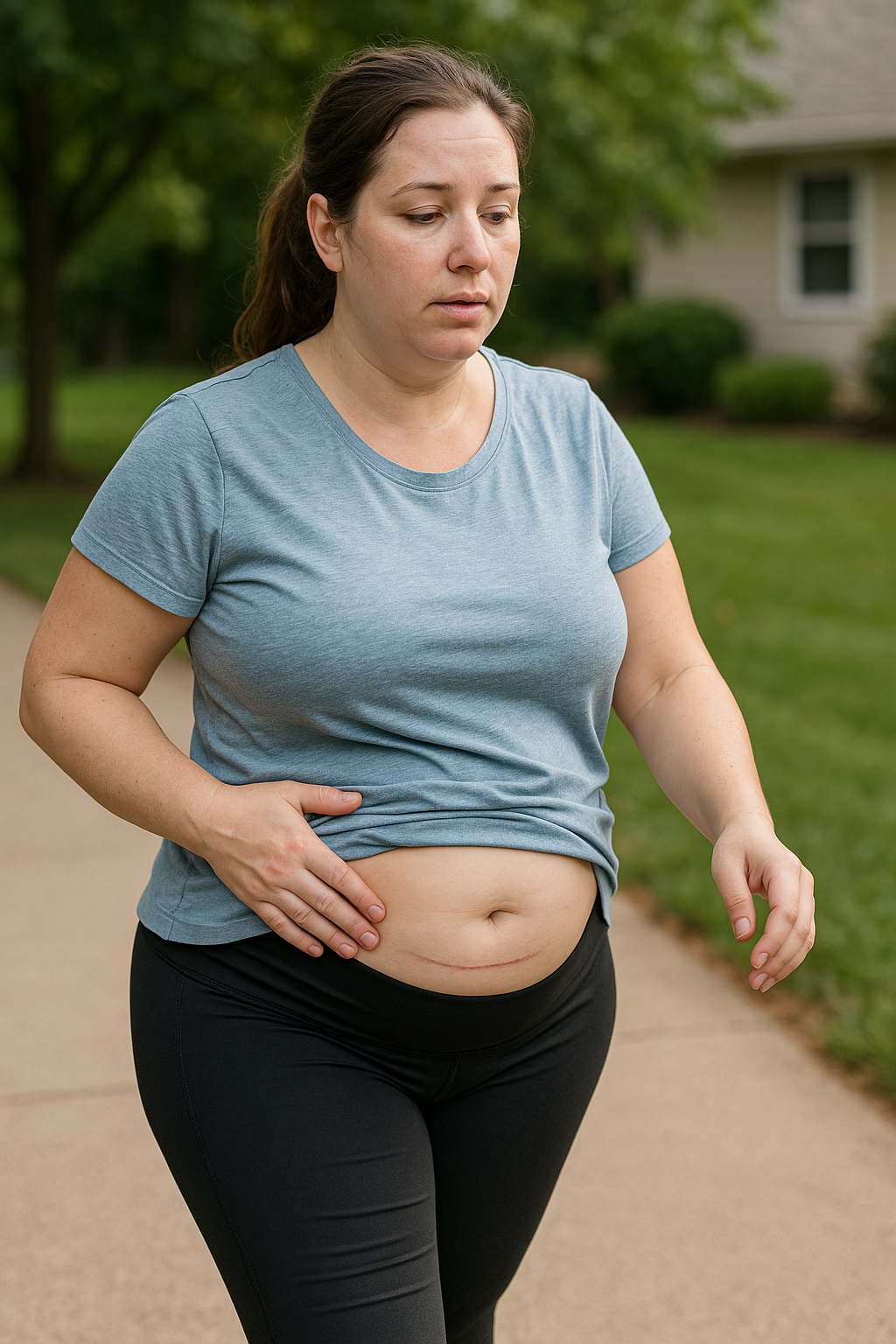
Embarking on the journey of pregnancy is a remarkable experience, filled with anticipation and change. As your body undergoes this transformation, maintaining fitness can play a crucial role in supporting both your physical and emotional well-being. Fitness for pregnant women is not just about staying active; it's about nurturing your body, preparing for labor, and ensuring a smoother postpartum recovery. Engaging in regular exercise during pregnancy offers numerous benefits, including improved mood, reduced discomfort, and enhanced strength and endurance for labor.
The importance of fitness during pregnancy
Staying active during pregnancy can significantly contribute to your overall health. Regular exercise is known to boost mood and energy levels, reduce common pregnancy symptoms like back pain and constipation, and improve sleep. Moreover, maintaining fitness can help you manage weight gain, lower the risk of gestational diabetes, and enhance the strength needed for labor and delivery. However, it's natural for expecting mothers to have concerns about the safety of exercising during pregnancy. The good news is that, with the right approach, exercise is not only safe but also highly beneficial.
Many women wonder, "Is it safe to exercise while pregnant?" The answer is a resounding yes, provided you follow safe and evidence-based guidelines. The key is to engage in practical and tailored exercise routines that accommodate the changes your body is going through. It's important to listen to your body and adjust your activities as needed, ensuring that you're not overexerting yourself.
Understanding the changing body
Pregnancy brings about significant physical and hormonal changes that affect your body in various ways. As your baby grows, your center of gravity shifts, which can impact your balance and posture. Hormonal changes, such as increased levels of relaxin, can make your joints more flexible, which is why adapting your fitness routine to these changes is crucial. This adaptation helps prevent injury and ensures that your exercise regimen supports your body's evolving needs.
By understanding how pregnancy affects your body, you can make informed decisions about your fitness routine. This understanding empowers you to engage in activities that are both safe and beneficial, helping you stay strong and healthy throughout your pregnancy journey. As you embrace these changes, remember that your fitness routine is a personal journey, and what works for one person may not work for another. Always consult with your healthcare provider to tailor your exercise plan to your unique needs.

Women's Posture Shirt™ - Black
Activates muscles and improves posture, with documented relief for tensions and pain.
Recommended exercise guidelines for expecting mothers
For pregnant women, maintaining a regular exercise routine is essential, not only for physical health but also for mental well-being. Health organizations, including the CDC and the American College of Obstetricians and Gynecologists (ACOG), recommend that healthy pregnant women engage in at least 150 minutes of moderate aerobic activity each week. This can be broken down into manageable sessions, such as 30 minutes a day, five days a week. For those new to exercise, starting with shorter intervals and gradually increasing duration is a practical approach.
It's important to distribute exercise throughout the week to maintain consistency and avoid overexertion. This approach helps in building endurance and strength gradually, which are crucial during labor and delivery. Regular physical activity can also aid in managing weight gain and reducing the risk of gestational diabetes, making it a vital component of prenatal care.
Safe and effective exercises for pregnant women
When it comes to selecting exercises during pregnancy, safety and effectiveness should be the guiding principles. Various forms of exercise can be beneficial, provided they are performed with caution and proper technique.
Aerobic activities
Engaging in aerobic activities like walking, swimming, and stationary cycling is highly recommended. These exercises are low-impact, reducing the risk of injury while still providing cardiovascular benefits. Swimming, in particular, is excellent for relieving pregnancy-related discomforts, as the buoyancy of water supports the body and alleviates pressure on joints.
Strength training
Strength training is another crucial component of a balanced prenatal fitness routine. Exercises such as wall push-ups, squats with a fitness ball, bird-dog, and side planks can be performed using body weight, resistance bands, or light weights. These exercises target key muscle groups, enhancing core stability and overall strength, which are essential for labor and postpartum recovery.
Flexibility and balance
Flexibility and balance exercises, including prenatal yoga and Pilates, are beneficial for improving posture and reducing tension. These activities promote relaxation and mental clarity, which can help manage stress and anxiety during pregnancy. Stretching exercises also enhance flexibility, preparing the body for the physical demands of childbirth.
Pelvic floor exercises
Pelvic floor exercises, commonly known as Kegel exercises, are vital for maintaining pelvic health. These exercises strengthen the muscles that support the bladder, uterus, and bowels, helping to prevent urinary incontinence and improve recovery after childbirth. Incorporating Kegel exercises into your routine can offer long-term benefits for pelvic strength and stability.
Safety precautions and modifications
While exercising during pregnancy offers numerous benefits, certain precautions are necessary to ensure safety. It's crucial to start gradually, especially for those who were not active before pregnancy. Staying hydrated, wearing comfortable clothing, and avoiding overheating are essential to prevent complications.
Maintaining correct posture and body mechanics can prevent injury and discomfort. As the pregnancy progresses, modifications to exercises may be necessary to accommodate the growing belly and shifting center of gravity. Consulting with healthcare providers before starting or modifying an exercise program is recommended, particularly for those with pregnancy complications.

Lumbar support belt
Relieves and supports the lower back with strong, adjustable compression for daily relief.
By following these guidelines and choosing safe, effective exercises, expecting mothers can enjoy the benefits of fitness while ensuring the health and safety of both themselves and their babies. Embracing this journey with informed choices and mindful practices can lead to a healthier, more comfortable pregnancy experience.
Exercises and activities to avoid during pregnancy
While staying active during pregnancy is beneficial, certain activities should be avoided to ensure the safety of both mother and baby. Exercises that pose a high risk of falling or abdominal impact, such as contact sports, downhill skiing, and hot yoga, should be approached with caution or avoided entirely. As your pregnancy progresses, your center of gravity shifts, which can affect balance and increase the risk of falls. Therefore, modifying exercises to accommodate these changes is crucial.
Recognizing signs to stop exercising
Listening to your body is key to maintaining a safe exercise routine during pregnancy. If you experience warning signs such as vaginal bleeding, dizziness, severe shortness of breath, chest pain, or contractions, it's important to stop exercising immediately and consult your healthcare provider. These symptoms may indicate that your body is under stress, and continuing to exercise could be harmful. Prioritizing your health and that of your baby should always come first.
Ergonomic considerations for pregnant women
Protecting your back, pelvis, and knees during exercise is essential for maintaining comfort and preventing injury. Utilizing support tools like chairs, walls, or fitness balls can enhance stability and reduce strain on your body. Pay attention to your posture and body mechanics, ensuring that movements are performed with proper alignment. This not only prevents discomfort but also supports the body's changing structure throughout pregnancy.
Frequently Asked Questions
How much exercise is safe during pregnancy?
For healthy pregnant women, at least 150 minutes of moderate aerobic activity per week is recommended. This can be spread out over several days, such as 30 minutes a day, five days a week.
Can I continue going to the gym while pregnant?
Yes, you can continue going to the gym, but it's important to modify your routine to ensure safety. Focus on low-impact activities and avoid exercises that pose a risk of falling or injury.
Which exercises should I avoid while pregnant?
Avoid exercises with a high risk of falling or abdominal impact, such as contact sports, downhill skiing, and hot yoga. Modify activities to accommodate your changing body and consult with a healthcare provider if unsure.
Is it safe to lift weights during pregnancy?
Yes, lifting light weights is generally safe during pregnancy. Focus on proper form and avoid heavy lifting to reduce the risk of injury. Consult with a healthcare provider to tailor your strength training routine.
Can I run while pregnant?
If you were a runner before pregnancy and have no complications, you may continue running with your healthcare provider's approval. However, listen to your body and adjust your routine as needed.
Are squats beneficial during pregnancy?
Squats can be beneficial for strengthening the lower body and preparing for labor. Ensure proper form and use support if needed to maintain balance and reduce strain.
When should I stop exercising?
Stop exercising if you experience any warning signs such as vaginal bleeding, dizziness, or severe discomfort. Always consult your healthcare provider if you have concerns about your exercise routine.
Is it okay to start exercising if I wasn't active before pregnancy?
Yes, starting with light activities like walking or prenatal yoga is beneficial. Begin gradually and increase intensity as your body adapts, always consulting with a healthcare provider to ensure safety.
Källor
- American College of Obstetricians and Gynecologists. (n.d.). "Exercise During Pregnancy."
- American College of Obstetricians and Gynecologists. (2020). "Physical Activity and Exercise During Pregnancy and the Postpartum Period."
- NHS. (n.d.). "Exercise in Pregnancy."
- NHS. (n.d.). "Exercising in Pregnancy."
- Mayo Clinic Health System. (n.d.). "Exercise During Pregnancy."
- Cleveland Clinic. (n.d.). "Pregnancy-Safe Workouts."
- WebMD. (n.d.). "Exercise During Pregnancy."
- Better Health Channel. (n.d.). "Pregnancy and Exercise."
- Johns Hopkins Medicine. (n.d.). "Exercise During Pregnancy."