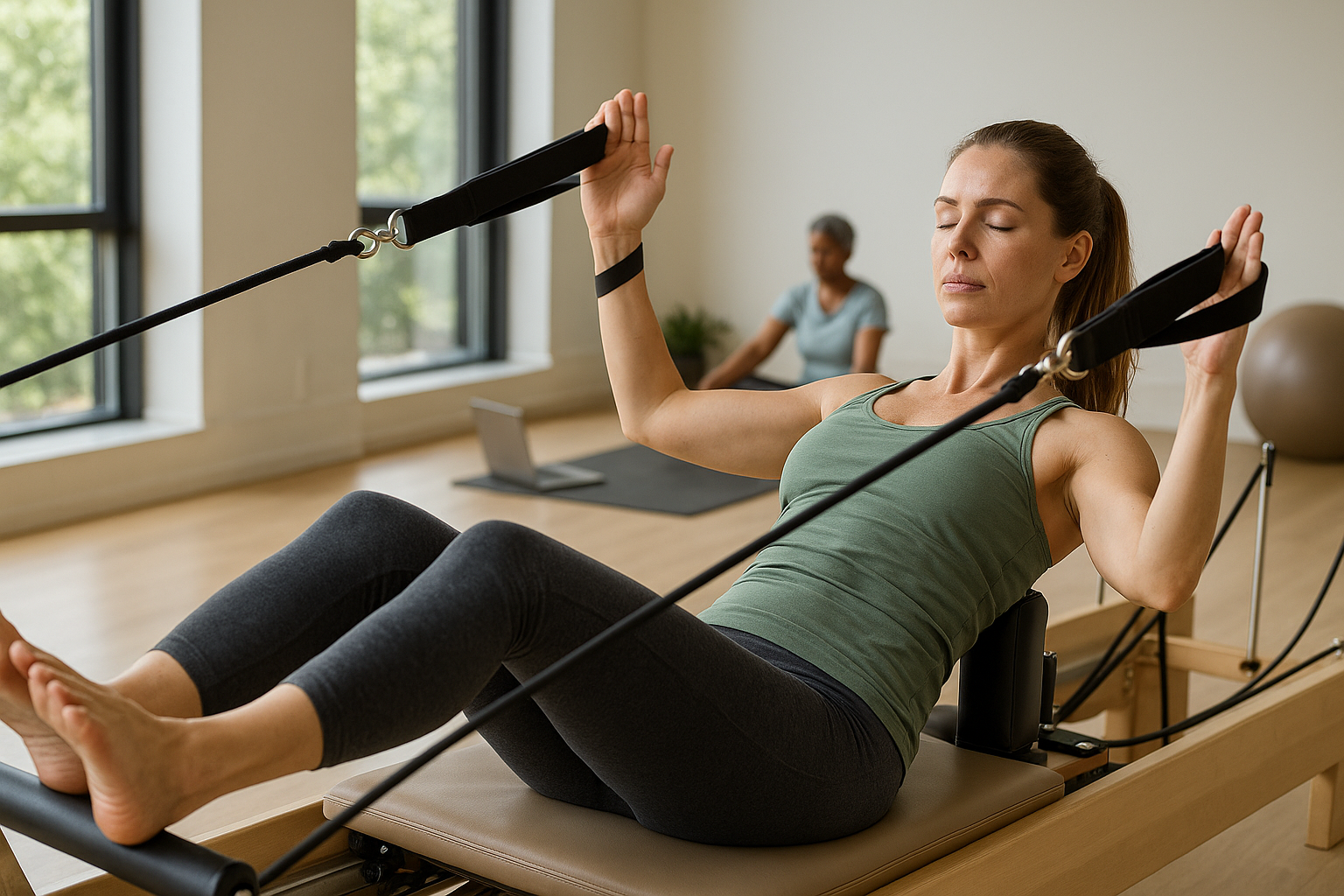
Aging is a natural process that brings about various changes in our bodies, one of which is sarcopenia—the gradual decline in muscle mass and strength. For older adults, this can mean reduced mobility, increased risk of falls, and a loss of independence. However, strength training offers a powerful solution to combat these changes, ensuring that aging doesn't have to equate to frailty. By engaging in regular resistance exercises, older adults can maintain and even enhance their muscle strength, promoting a life of independence and vitality.
Understanding the importance of strength training for older adults
The significance of strength training for the elderly cannot be overstated. It's not merely an optional fitness activity but a critical component of healthy aging. By incorporating strength training into their routine, older adults can counteract the effects of sarcopenia, maintain functional independence, and potentially extend their lifespan. This form of exercise is essential for preserving the ability to perform daily activities, thus enhancing the overall quality of life.
The growing body of evidence
A wealth of research supports the benefits of strength training for older adults. Health organizations worldwide advocate for 2–3 weekly resistance sessions, highlighting their safety and efficacy. These sessions play a vital role in fall prevention, chronic disease management, and overall well-being. The consensus is clear: strength training is a cornerstone of healthy aging, offering both physical and mental health benefits.
In the subsequent sections of this blog post, we will delve deeper into the myriad benefits of strength training, provide practical tips for getting started, and address common questions and concerns. Whether you are an older adult looking to improve your health or a caregiver seeking ways to support a loved one, strength training is a transformative practice that promises a stronger, healthier you at any age.
why strength training is essential for older adults
As we delve deeper into the importance of strength training for the elderly, it becomes clear that its benefits extend far beyond just muscle strength. Sarcopenia, the age-related loss of muscle mass and strength, can significantly impact mobility and independence. However, studies have shown that engaging in regular resistance training can effectively reverse or slow down this process. According to research from UCLA Health and Hebrew SeniorLife, strength training is pivotal in maintaining everyday functionality and independence as we age.
One of the most significant outcomes of strength training is improved functional performance. This includes increased walking distances and an enhanced ability to perform daily activities such as climbing stairs and rising from a chair. These improvements contribute to a higher quality of life and a greater sense of autonomy for older adults.
health benefits beyond muscle strength
bone health and osteoporosis prevention
Strength training is not only about building muscles; it also plays a crucial role in bone health. Regular resistance exercises have been shown to increase bone mineral density, thereby reducing the risk of fractures and combating osteoporosis. This is particularly important for the elderly, as bone density tends to decrease with age, increasing the risk of falls and related injuries.
metabolic and cardiovascular health
In addition to bolstering bone health, strength training significantly impacts metabolic and cardiovascular health. It enhances insulin sensitivity and blood glucose control, which are vital for managing diabetes. Moreover, it helps lower cardiovascular risk factors such as high blood pressure and cholesterol levels, contributing to a healthier heart and circulatory system.
mental health and cognition
The benefits of strength training extend to mental health as well. Engaging in regular resistance exercises can improve mood, reduce symptoms of depression, and help maintain cognitive function. This is particularly beneficial for older adults, as it supports mental well-being and can slow down the cognitive decline associated with aging.
body composition and metabolism
Finally, strength training positively affects body composition and metabolism. By increasing muscle mass, it aids in weight management and elevates metabolic rates. This means that older adults can maintain a healthier weight and enjoy a more active metabolism, which is crucial for overall health and vitality.
recommended training frequency, duration, and intensity
For older adults looking to incorporate strength training into their routine, experts recommend 20–30 minutes of resistance training 2–3 times per week. This frequency has been shown to yield significant benefits in terms of muscle strength, bone density, and overall health. The National Strength and Conditioning Association (NSCA) suggests that older adults engage in exercises that target major muscle groups, ideally under professional supervision to ensure safety and effectiveness.
Practical exercises for seniors can include modified movements such as chair squats, wall push-ups, and resistance band exercises. These exercises can be easily adjusted to suit individual fitness levels and capabilities, ensuring that strength training remains accessible and beneficial for all older adults.

Women's Posture Shirt™ - Black
Patented shirt activates muscles and may relieve pain for better posture.
Safety, feasibility, and fall prevention
For many older adults, concerns about safety can be a barrier to starting a strength training regimen. However, research consistently shows that strength training is both safe and effective when properly supervised. Programs designed for seniors often include modifications that cater to different fitness levels, ensuring exercises are both feasible and beneficial. These adaptations, such as chair-based circuits and water exercises, not only enhance safety but also improve balance, coordination, and postural control, significantly reducing the risk of falls and fractures.
Practical exercise guides and tips
Starting a strength training routine doesn't have to be daunting. Older adults can begin with simple, beginner-friendly exercises that focus on building strength gradually. Exercises like squats to a chair, wall push-ups, and resistance band workouts are excellent starting points. These movements can be performed at home with minimal equipment and can be adapted to suit individual needs. It's essential to focus on proper form and technique to prevent injury and maximize benefits. Additionally, integrating posture-correcting apparel and ergonomic aids can enhance comfort and effectiveness during workouts.

ActivePosture® Shirt for men
Provides comfortable support and encourages better posture in everyday activities.
Frequently Asked Questions
Is strength training safe for seniors?
Yes, strength training is safe for seniors when conducted under proper supervision. Programs tailored for older adults often include modifications to ensure safety and effectiveness, minimizing the risk of injury.
How often should older adults engage in strength training?
Older adults should aim to engage in strength training 2–3 times per week. This frequency is optimal for achieving significant health benefits, including improved muscle strength and bone density.
What types of exercises are best for seniors?
Low-impact exercises such as chair-based routines, resistance band workouts, and water exercises are excellent options for seniors. These exercises can be easily modified to accommodate different fitness levels and capabilities.
Can strength training help with chronic conditions?
Yes, strength training can improve the management of chronic conditions like diabetes, heart disease, and osteoporosis. It enhances overall health by improving cardiovascular and metabolic functions, as well as bone density.
How can I get started if I'm new to strength training?
If you're new to strength training, start with simple exercises and gradually increase the intensity. Consider seeking guidance from a fitness professional who can tailor a program to your needs and ensure you're performing exercises safely.
Källor
- UCLA Health. "Why Strength Training is Critical for Older Adults."
- Fiatarone Singh, M.A. et al. (2011). "Exercise and Physical Activity for Older Adults." Medicine & Science in Sports & Exercise.
- Nelson, M.E. et al. (2003). "Physical Activity and Public Health in Older Adults: Recommendation from the American College of Sports Medicine and the American Heart Association." Circulation.
- RWJBarnabas Health. "The Importance of Strength Training as We Age."
- Frontera, W.R. et al. (2000). "Strength Training in Older Adults: Benefits and Recommendations." Sports Medicine.
- Centers for Disease Control and Prevention. "Growing Stronger: Strength Training for Older Adults."
- Mayo Clinic. "The Many Benefits of Resistance Training as You Age."
- Peterson, M.D. et al. (2020). "Resistance Exercise for the Aging Adult: Clinical Implications and Prescriptive Guidelines." American Journal of Medicine.
- Utah State University Extension. "Strength Training for Senior Adults."
- Hunter, G.R. et al. (2010). "Resistance Training and Weight Loss: What is the Evidence?" Journal of Strength and Conditioning Research.