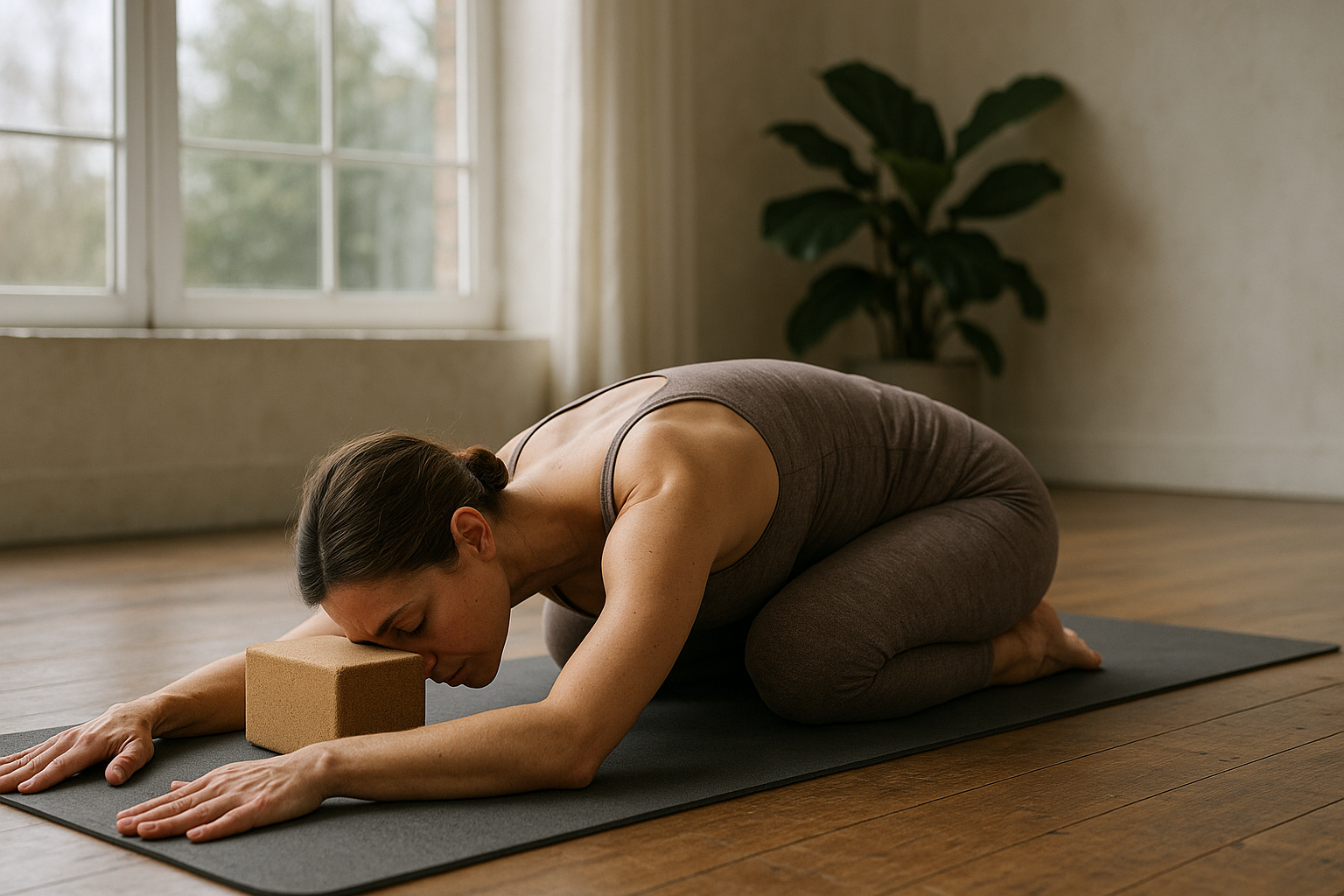
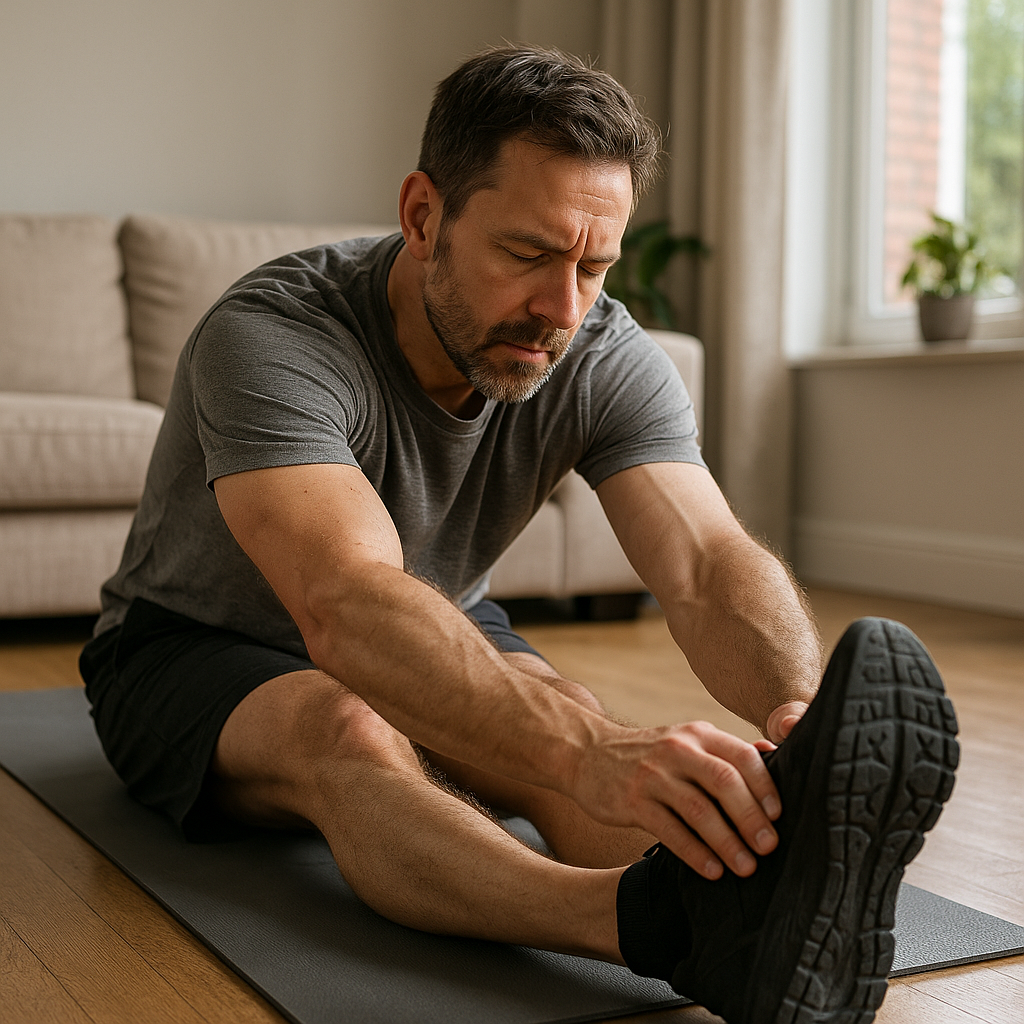
A strong core changes how you move through the day. It’s the difference between feeling stable when you lift a grocery bag, confident when you take the stairs, and in control when you sit, stand, and twist without that familiar “pull” in the lower back. Core exercises aren’t just a fitness trend or something you do at the end of a workout—they’re one of the most practical ways to build strength that carries over into real life.
What your core really is (and why it matters)
When people hear “core,” they often think of abs. In reality, your core is a network of muscles that wraps around your torso and connects your upper and lower body. That includes the abdominal muscles, the muscles along the spine, the deep stabilisers that help control your pelvis, and the muscles around the hips and glutes. Together, they act like a supportive centre that helps you transfer force efficiently—whether you’re reaching for something on a high shelf, getting up from a chair, or training for a sport.
This is why core strength is closely tied to posture, balance, and overall movement quality. A well-trained core helps you stay upright without excessive tension, reduces “wobble” in everyday movements, and makes it easier to maintain good alignment when you’re tired or distracted—like during long workdays at a desk.

Women's Posture Shirt™ - Black
Activates muscles and can relieve tension or pain; improves posture; for work, exercise and leisure.
Core exercises are for everyone, not just athletes
One of the biggest misconceptions is that core training is only for athletes or for people chasing a six-pack. In practice, core exercises are scalable and accessible for nearly every age and fitness level. You can train the core without jumping, heavy lifting, or complicated equipment, and you can start with simple, controlled movements that focus on stability and breathing.
Another myth is that core training equals endless sit-ups. Many effective core exercises focus on resisting movement—staying steady while your arms or legs move—because that’s how the core often works in daily life. Think of it as building a reliable “centre” that supports your spine and helps your hips and shoulders do their jobs.
Why this matters for modern life
If you spend a lot of time sitting, your core can become less responsive, and other areas may compensate—often the lower back or hips. The good news is that consistent core exercises can help rebuild that foundation. In the next sections, we’ll break down the most important, evidence-backed benefits of core training and how to approach it in a realistic way that fits into a busy week.
Health benefits of core strength that go beyond the gym
Building a stronger midsection isn’t only about looking leaner—it changes how your body controls movement. Research consistently links core training to better balance, improved performance, and fewer aches and injuries. In other words, core exercises can be a practical health tool, not just a workout add-on.
Improved balance and stability
Balance is one of the clearest, most measurable outcomes of core training. A large meta-analysis reported a strong positive effect on balance outcomes, with an effect size of 1.17. That matters because balance is not just a “sports” quality—it’s a daily safety skill. The core helps keep your centre of mass controlled when you step off a curb, turn quickly, or walk on uneven ground.
For older adults, this becomes even more important. As we age, small losses in stability can increase fall risk. A more responsive core supports steadier gait and better postural control, which can make everyday movement feel more secure and less tentative.
Enhanced athletic performance
Even if you don’t consider yourself an athlete, your body still benefits from moving efficiently. Core training can improve how force transfers between the hips and shoulders—think of throwing, sprinting, changing direction, or simply climbing stairs without feeling “loose” through the middle.
Studies and reviews show that targeted core work can boost power, endurance, and movement efficiency. In performance-focused research, improvements in abilities like jumping and throwing have been reported with a standardized mean difference of 0.90. That’s a meaningful change, and it helps explain why core exercises show up in training plans for sports ranging from running to tennis to strength training.
Injury prevention and pain relief
A well-trained core acts like a natural corset around the spine. It doesn’t “lock you in place,” but it does provide stability so the spine and pelvis can handle load without excessive strain. When the core is weak or slow to engage, other areas often compensate—commonly the lower back, hips, and knees.
That’s one reason core training is frequently recommended for people who experience recurring back discomfort. Stronger trunk and hip control can reduce unnecessary spinal movement and improve alignment during lifting, bending, and prolonged sitting. Some findings also suggest core-focused training may reduce lower extremity injuries by as much as 62%, likely because better control at the trunk and pelvis improves mechanics down the chain.
Daily function and posture: why your core matters at work and at home
Core strength shows up in the moments you don’t think of as “exercise”: carrying laundry, loading the dishwasher, pushing a stroller, or getting up from the floor. When your core can stabilise you, your arms and legs can produce force without your posture collapsing. That usually means less fatigue and fewer compensations—especially during repetitive tasks.
Posture is another major day-to-day benefit. A strong core supports a more neutral spine position, which can reduce slouching and the strain that often builds during long desk sessions. Over time, better alignment may also reduce wear and tear on spinal structures by limiting prolonged, awkward positioning. Importantly, “good posture” isn’t about holding yourself rigid; it’s about having enough endurance and control to sit and stand comfortably with less effort.

Men's Posture Shirt™ - Black
Activates muscles and can relieve tension or pain; for better posture at work, exercise and leisure.
Training recommendations: how to get results with core exercises
Consistency beats complexity. For most people, 2–3 sessions per week for 6–8 weeks is a realistic starting point to notice improvements in stability, control, and endurance. You don’t need long workouts—10 to 20 minutes can be enough if you focus on quality.
Bodyweight movements are often the best foundation because they teach control without excessive load. Effective options include planks, glute bridges, and bird-dogs. These train the core to resist unwanted movement while coordinating the hips and shoulders—exactly what you need for daily life.
- Prioritise form: Choose a variation you can perform without holding your breath, arching the lower back, or shrugging the shoulders.
- Progress gradually: Add time under tension, increase range of motion, or move to a harder variation before adding external weight.
- Train the full “core system”: Include exercises that challenge front, side, and back stability, plus hip control.
If you work at a desk, consider pairing core exercises with small environment upgrades that support better alignment—like adjusting chair height, using a footrest if needed, or alternating sitting and standing. The goal is to make good positioning easier to maintain, so your training carries over into the hours you spend working.
Aesthetic and functional perks of core exercises
While the biggest value of core exercises is how they improve movement and reduce strain, many people also notice aesthetic changes over time. A stronger core can contribute to a firmer, more “held” feeling through the midsection because the deep stabilising muscles learn to support the trunk more effectively. That said, visible definition depends on multiple factors (including overall training and nutrition), so it helps to view appearance as a bonus rather than the main goal.
Functionally, core strength tends to show up first as better control: you feel steadier when you carry loads, less “wobbly” when you change direction, and more capable of maintaining alignment when you’re tired. This is especially relevant for modern, desk-heavy routines where the body often spends hours in a flexed position. Core exercises can help restore the ability to extend, brace gently, and move with more confidence when you stand up and start your day’s physical tasks.
How core strength supports other training
Core exercises rarely work in isolation. They improve how you transfer force between your lower body and upper body, which is why they fit naturally into running, cycling, strength training, and even walking programs. When your trunk is stable, your hips can generate power more efficiently and your shoulders can move with less compensation. In practical terms, this often means smoother technique and less energy “leaking” through unnecessary movement.
For runners, better trunk control can support more consistent posture late in a run, when fatigue typically causes the torso to collapse and stride mechanics to change. For cyclists, a strong core helps you stay stable on the saddle and maintain efficient breathing and upper-body relaxation, especially during climbs or hard intervals. For strength training, core stability supports safer lifting mechanics by reducing unwanted spinal motion when you hinge, squat, press, or carry.
If you want core training to translate, keep the intent clear: many of the most effective core exercises are anti-movement drills (anti-extension, anti-rotation, anti-lateral flexion). They teach you to stay steady while your limbs move—exactly what happens in sport and daily life.
Recent trends and scientific backing
In recent research (including studies published in 2022 and 2023), there has been increased focus on dynamic balance—your ability to stay controlled while moving, reacting, and changing direction. This matters for both athletes and non-athletes because real life is rarely static: you step, turn, reach, and catch yourself constantly. The growing emphasis on dynamic balance aligns with earlier findings that core training can meaningfully improve balance outcomes and movement efficiency.
Another trend is the use of structured, time-bound programs (often 6–8 weeks) that measure changes in stability, endurance, and performance. This scientific approach helps separate “popular” core exercises from effective ones by evaluating what actually improves function. The takeaway is reassuring: you do not need extreme routines. Consistent, well-performed core exercises—progressed gradually—are repeatedly linked with measurable improvements in balance, performance, and resilience.
To keep your plan realistic, pair short core sessions with habits that reduce daily strain. For example, alternating sitting and standing, adjusting screen height, and using supportive ergonomic setups can make it easier to maintain the posture and alignment your training is building.
Frequently Asked Questions
What are the best core exercises for beginners?
Planks, glute bridges, and bird-dogs are some of the best core exercises for beginners because they are simple, low-impact, and effective. They train stability and control without requiring complex coordination or equipment. Start with short, high-quality sets and stop before form breaks down.
How long does it take to see results from core exercises?
Most people notice improvements after about 6–8 weeks of consistent training, especially when doing core exercises 2–3 times per week. Early changes are often better control and endurance (feeling steadier and less fatigued), followed by more noticeable performance and posture improvements.
Can core exercises help with back pain?
Yes, core exercises can help reduce back pain for many people by improving trunk stability, supporting the spine, and reducing compensations during bending, lifting, and prolonged sitting. The goal is not to “brace hard” all day, but to build endurance and coordination so your spine is better supported during everyday movement.
Do I need special equipment for core exercises?
No. Many effective core exercises use only bodyweight, including planks, bridges, and bird-dogs. Optional tools like a stability ball, resistance band, or exercise mat can add variety and progression, but they are not required to build a stronger, more functional core.
Källor
- Frontiers in Sports and Active Living. (2025). "The Role of Core Exercises in Athletic Performance."
- Akuthota, V., Ferreiro, A., Moore, T., & Fredericson, M. (2008). "Core Stability Exercise Principles." Current Sports Medicine Reports.
- Smith, J. (2023). "Core Training for Improved Balance and Stability." Journal of Physical Fitness.
- Baltic Sport Science. (2023). "Core Strength and Athletic Performance: A Review."
- AZ Holistic Health Center. (2023). "Core Strength Benefits for Everyday Life."
- Mayo Clinic. (2023). "Core Exercises: Why You Should Strengthen Your Core Muscles."
- Johnson, L. (2022). "The Impact of Core Exercises on Lower Back Pain." Journal of Rehabilitation Research.
- International Journal of Sports Physical Therapy. (2023). "Effectiveness of Core Stability Exercises in Patients with Non-Specific Low Back Pain."
- Harvard Health Publishing. (2023). "The Real-World Benefits of Strengthening Your Core."
- Heart Research Institute. (2023). "Core Strength: Why Is It Important and How Do You Maintain It?"
- Healthline. (2023). "Core Strength: More Important Than Muscular Arms."