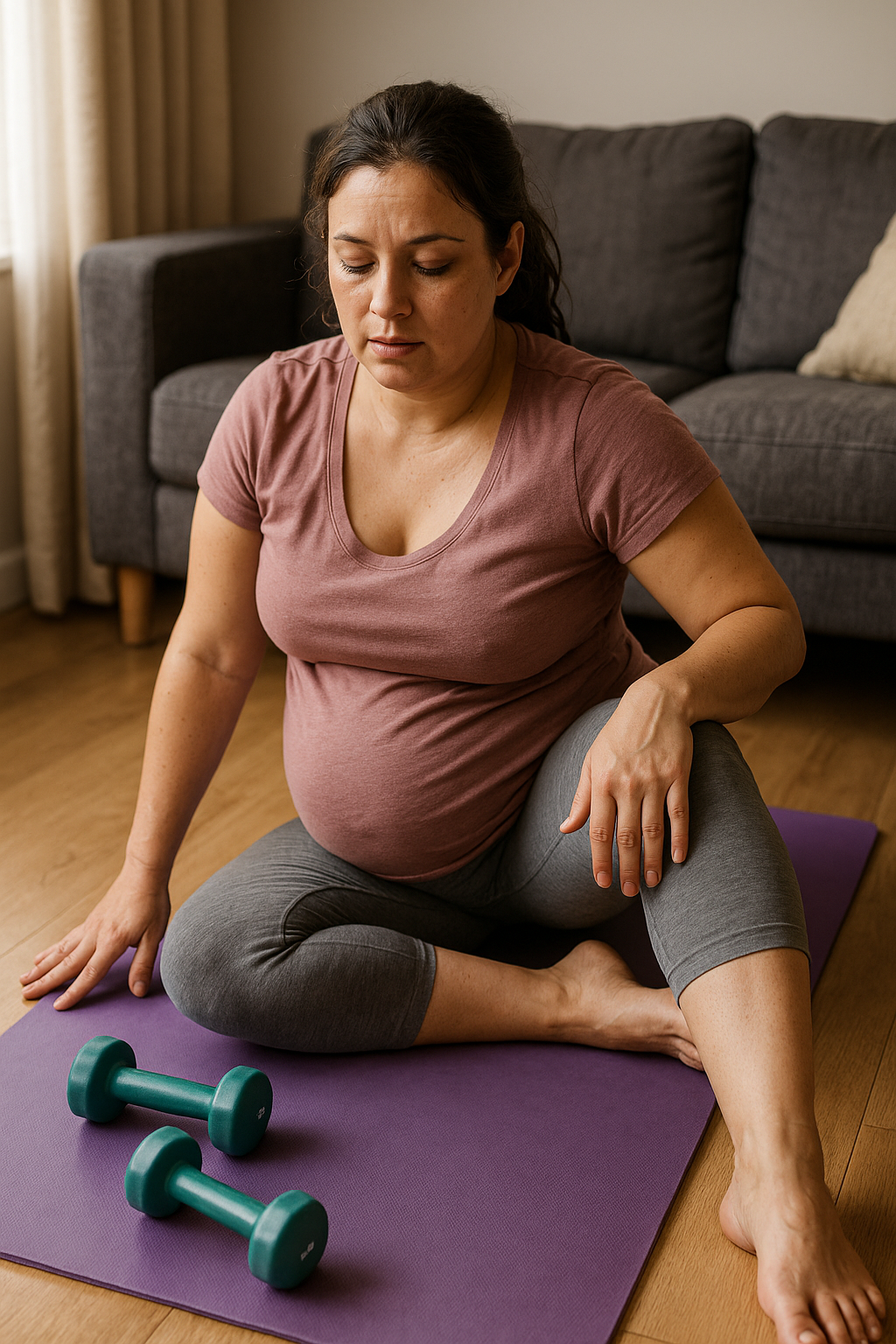
If your back feels stiff before you’ve even had your first coffee, you’re not alone. Modern life is built around sitting: at a desk, in the car, on the sofa. The problem is that your spine and the muscles around it are designed for regular movement, not hours of stillness. Over time, that mismatch can show up as tight hips, a rounded upper back, and that familiar “locked” feeling in the lower back when you stand up.
That’s where a simple back stretch routine can make a noticeable difference. Stretching won’t magically erase every ache overnight, but it can help restore mobility, reduce tension, and make everyday movements feel smoother. For many people, the biggest win is consistency: a few minutes of the right stretches performed regularly tends to beat an occasional long session done only when pain flares.
Back discomfort is also more than just annoying. It can affect sleep, concentration, training, and even your mood. When your back is irritated, you often compensate without noticing—moving differently, avoiding certain positions, or bracing your core all day. That can create a cycle where stiffness leads to less movement, and less movement leads to more stiffness.
Why back stretching matters in a sedentary routine
When you sit for long periods, your hip flexors shorten, your glutes “switch off,” and your upper back tends to round forward. Your lower back may then take on extra work just to keep you upright. A well-chosen back stretch can help counterbalance that by encouraging your spine to move through comfortable ranges—gently and with control—so you’re not relying on one area to do all the heavy lifting.

Men's Posture Shirt™ - Black
Improves posture and can relieve pain using patented NeuroBand™ technology.
Stretching also works best when it feels safe. A helpful guideline is to keep intensity in a mild-to-moderate discomfort range, not sharp pain. Think “I can feel it” rather than “I have to endure it.” Breathing steadily and moving slowly usually makes the stretch more effective and easier to repeat.
What you’ll get from this guide
In the next section, we’ll walk through practical, beginner-friendly back stretches commonly recommended for relieving tightness and improving flexibility—especially for desk workers and anyone who feels stiff after inactivity. You’ll also learn how long to hold each position (often around 20–30 seconds), how often to do them for relief versus maintenance, and how to choose between dynamic and static stretching depending on whether you’re warming up or winding down.
Four effective back stretches for pain relief
The best back stretch routine is usually the one you’ll actually do. The goal isn’t to force extreme flexibility, but to restore comfortable motion in the spine and surrounding muscles. Use the guideline from earlier: aim for a mild-to-moderate stretch sensation (roughly 0–5/10 intensity), keep breathing, and stop if you feel sharp, shooting, or worsening pain.
Cat-cow stretch
This classic movement gently takes your spine through flexion and extension, which can help reduce that “stuck” feeling after sitting.
How to do it: Start on hands and knees with your hands under shoulders and knees under hips. As you exhale, round your back toward the ceiling and let your head follow (cat). As you inhale, tip your pelvis, drop your belly slightly, and lift your chest (cow). Move slowly and keep the motion smooth rather than forcing end ranges.
Why it helps: It encourages segment-by-segment spinal mobility and can release tension through the mid-back and lower back. It also pairs well with deep breathing, which helps downshift muscle guarding.
Dosage: 10–20 controlled reps, or move for about 45–60 seconds.
Knee-to-chest stretch
If your lower back feels tight or compressed, this is a simple way to open the back of the pelvis and ease tension around the lumbar area.
How to do it: Lie on your back with both knees bent and feet on the floor. Bring one knee toward your chest and hold behind the thigh or over the shin (avoid pulling directly on the kneecap). Keep the other foot planted, or extend the other leg if that feels better. Switch sides.
Why it helps: It can reduce stiffness in the lower back and glutes without requiring a lot of flexibility. Many people find it calming when done slowly with relaxed breathing.
Dosage: Hold 20–30 seconds per side, repeat 2–3 times.
Child’s pose
Child’s pose is a gentle back stretch that lengthens the spine and can help you relax tight muscles after a long day of sitting or standing.
How to do it: Kneel on the floor, sit your hips back toward your heels, and reach your arms forward on the ground. Let your head rest down if comfortable. If your hips don’t reach your heels, place a cushion or folded towel between your thighs and calves for support.
Why it helps: It encourages a long, slow exhale and a sense of “space” through the back. It can also reduce tension around the shoulders and upper back, which often tighten up with desk posture.
Dosage: Hold 20–30 seconds, build up to 45–60 seconds if it feels good and stays pain-free.
Cobra stretch
Cobra is a gentle extension-based back stretch that can be useful if you feel stiff from prolonged sitting and want to counter a rounded posture.
How to do it: Lie on your stomach with hands under shoulders. Press into your palms and lift your chest while keeping hips and legs relaxed on the floor. Start small (forearms down is a good option) and only rise as high as you can without pinching or sharp discomfort in the lower back.
Why it helps: It promotes extension through the spine and can help “undo” the flexed position many people stay in all day. Done gently, it may reduce stiffness and improve how upright posture feels.
Dosage: Hold 20–30 seconds, repeat 2–3 times. Keep breathing and avoid shrugging your shoulders toward your ears.
Hold times, frequency and safety guidelines
For most static positions, a 20–30 second hold is a practical sweet spot: long enough to let the muscle relax and the nervous system settle, without turning the stretch into a strain. If you’re aiming for pain relief, doing a short routine daily tends to work best. For general maintenance and flexibility, 2–3 times per week is often enough.
Safety tips to keep in mind:
- Stay out of sharp pain: stretching should feel like tension, not a jab, burn, or electric sensation.
- Don’t bounce: use slow, controlled movement and steady breathing.
- Avoid breath-holding: exhale into the stretch; it helps reduce guarding.
- Watch the after-effect: mild soreness can happen, but pain that spikes or lingers beyond a day is a sign to back off.
Dynamic vs. static stretching: when each works best
Not every back stretch belongs in every moment of your day. Dynamic stretching uses controlled movement (like cat-cow) to prepare joints and tissues for activity. It’s a great choice before workouts, before a walk, or when you’re trying to “wake up” your back after sitting.
Static stretching is the hold-and-breathe style (like child’s pose or knee-to-chest). It tends to work best after training, after a warm shower, or at the end of the day when your goal is to downshift tension and support recovery.
If you’re short on time, combine both: start with 30–60 seconds of gentle dynamic movement, then finish with 2–3 static holds of 20–30 seconds. That simple structure covers mobility, relaxation, and consistency without turning stretching into a big project.
Research-backed benefits of a consistent back stretch routine
When your back feels tight, it is tempting to treat stretching as a one-off fix. In practice, the biggest improvements tend to come from consistency. Research on stretching-based routines for back discomfort has reported meaningful pain reductions, with some findings showing up to a 58% decrease in back pain when people stick with a regular program over time. That does not mean stretching is a cure-all, but it does support the idea that a simple daily back stretch routine can be a practical tool for managing recurring stiffness.
Beyond pain relief, regular stretching can improve how your body moves during everyday tasks. Better mobility through the hips and upper back often reduces the “spillover” workload on the lower back. Over time, this can translate into easier standing posture, smoother bending and twisting, and less end-of-day tightness after sitting.

Lumbar support belt
Adjustable lumbar support helps combat lower back pain and relieves tension.
Flexibility and posture: why small changes add up
Posture is not about holding yourself rigidly upright all day. It is more about having options—being able to move in and out of positions without your back feeling like it has to brace. A well-rounded back stretch routine supports those options by improving tolerance to common positions such as sitting, reaching overhead, and walking uphill.
If you work at a desk, stretching is even more effective when paired with simple ergonomic habits. For example, keeping your screen at eye level, using chair support that encourages a neutral spine, and taking brief movement breaks can reduce the amount of tension you need to “stretch out” later. Think of stretching as one part of a prevention plan, not just damage control.
Progression and adaptation: how to build a routine that lasts
If you are new to stretching, start smaller than you think you need. The goal is to finish feeling looser, not irritated.
- Begin with fewer sets: Choose 2–3 stretches and do 1–2 rounds. Keep holds in the 20–30 second range.
- Stay in a safe intensity zone: Aim for mild-to-moderate sensation (about 0–5/10). If you feel sharp pain, numbness, or symptoms that travel down the leg, stop and reassess.
- Progress gradually: Add time (up to 45–60 seconds where appropriate), add a second round, or increase frequency before you increase intensity.
- Track the after-effect: You want your back to feel better within minutes to hours. If you feel worse the next day, reduce range of motion or volume.
Advanced back stretch options for experienced movers
Once the basics feel easy and controlled, you can add more challenging movements that target rotation and segmental control. These are best done slowly, with excellent form, and only if they stay pain-free.
Open book rotations
How to do it: Lie on your side with hips and knees bent, arms straight in front. Keeping knees together, rotate your top arm and upper back open toward the floor behind you, then return. Move with your breath and avoid forcing the shoulder down.
Why it helps: It improves upper-back rotation, which can reduce compensations in the lower back during twisting tasks.
Dosage: 6–10 slow reps per side, or 20–30 seconds of controlled movement.
Jefferson curl (advanced)
How to do it: Standing on a stable surface, slowly roll down one vertebra at a time, letting the head and upper back flex first, then mid-back, then lower back. Reverse the motion to stand tall. Start with bodyweight only; load is optional and should be minimal.
Why it helps: It trains controlled spinal flexion and hamstring length under control, which can be useful for people who feel “stuck” when bending.
Dosage: 3–6 slow reps, focusing on smooth control rather than depth.
Frequently Asked Questions
What are the best stretches for immediate back pain relief?
For quick relief, start with gentle, low-risk options: cat-cow, knee-to-chest, and child’s pose. These work well because they encourage comfortable movement and relaxation without requiring extreme flexibility.
How often should I perform a back stretch routine?
For pain relief, a short routine done daily is typically most effective. For maintenance and general mobility, 2–3 times per week is often enough, especially if you also move regularly during the day.
Can stretching alone cure back pain?
Stretching can significantly reduce stiffness and improve how your back feels, but it is rarely the only factor. A comprehensive approach may include strength work (especially for the core and hips), better sleep and stress management, ergonomic adjustments, and medical evaluation when symptoms are persistent or severe.
What should I do if I feel pain while stretching?
Stop the stretch immediately if you feel sharp, shooting, or worsening pain. If symptoms persist, recur, or include numbness, tingling, or weakness, consult a healthcare professional to rule out issues that require specific treatment.
Are there specific stretches recommended for desk workers?
Yes. In addition to the stretches covered earlier, desk workers often benefit from a seated twist (gentle rotation) and a doorway chest stretch to counter rounded shoulders. Pairing these with brief standing or walking breaks can make a back stretch routine more effective throughout the workday.
Källor
- Mayo Clinic Staff. (2023). "Back pain: How to prevent and manage it." Mayo Clinic.
- TheraSport. (2023). "Targeted Stretches for Back Pain." TheraSport.
- North Platte Physical Therapy. (2023). "Surprising Health Benefits of Stretching for Reducing Lower Back Pain." North Platte PT Blog.
- Harvard Health Publishing. (2023). "Stretching and Strengthening Are Key to Healing and Preventing Back Pain." Harvard Health.
- Spine Health Foundation. (2023). "Stretching for Back and Neck Pain." Spine Health.
- Carolina Pain Center. (2023). "Benefits of Lower Back Stretches." Carolina Pain Center.
- Healthline. (2023). "Lower Back Stretches." Healthline.
- Oasis Medicine. (2023). "7 Highly Effective Ninja Back Stretches." Oasis Medicine Blog.
- Cedars-Sinai. (2023). "The Best Stretches and Exercises for Lower Back Pain." Cedars-Sinai Blog.
- Oviedo Chiropractic. (2023). "Do Back Stretchers Really Work?" Oviedo Chiropractic Blog.
- Kaiser Permanente. (2023). "Back Stretches and Exercises." Kaiser Permanente Health Encyclopedia.
- OrthoCarolina. (2023). "Back Pain: 7 Stretches You Can Do from Your Desk Chair." OrthoCarolina Blog.