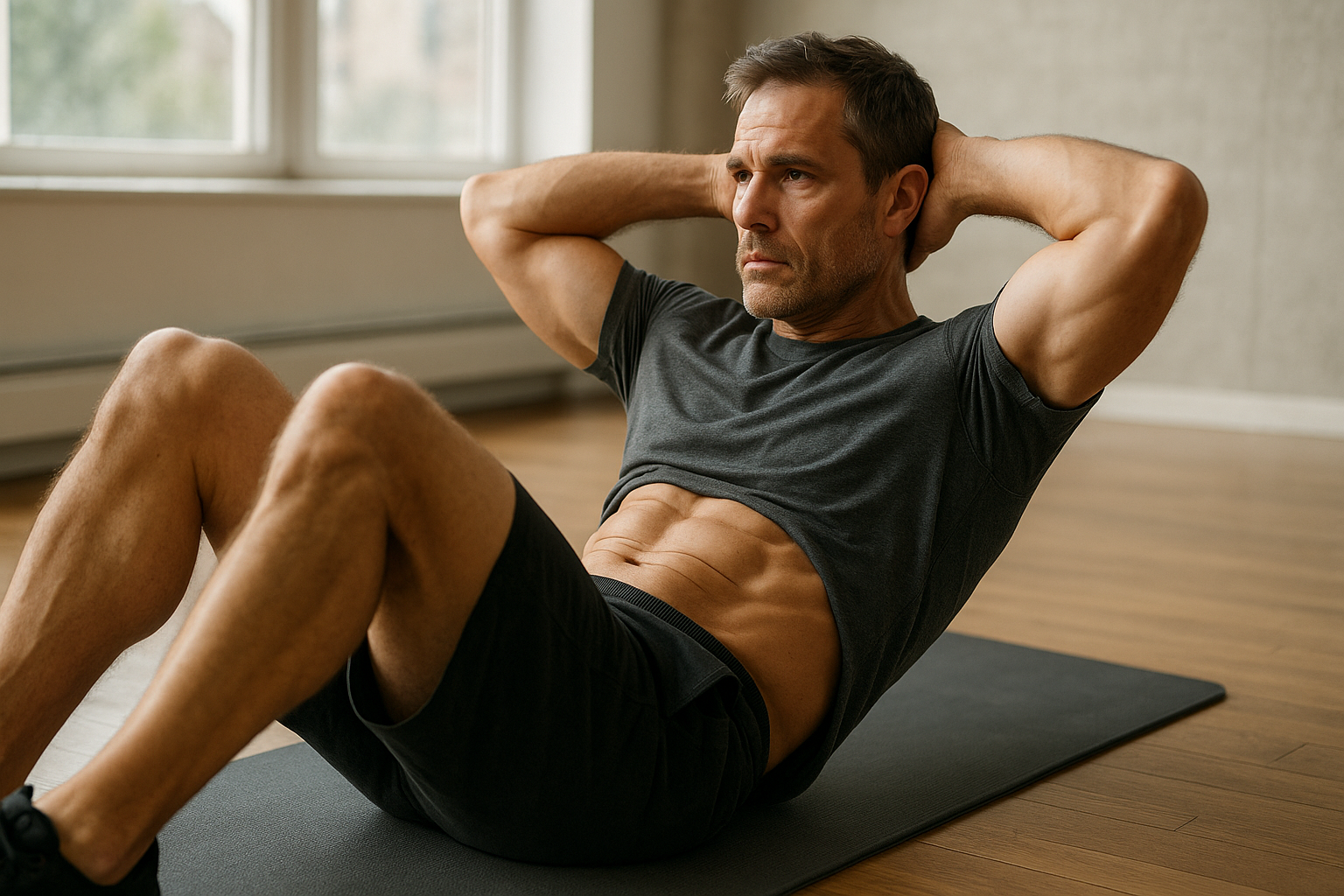
The weeks after birth can feel like a reset button you didn’t ask for. Your body has done something extraordinary, but everyday tasks may suddenly demand more: carrying a baby for hours, feeding in awkward positions, sleeping in fragments, and trying to recognise yourself in the mirror. Postpartum exercise can be a practical way back to strength and steadiness, not as a “bounce back” project, but as a gradual rebuild that supports how you move, breathe, and cope.
Done well, postpartum exercise is less about intensity and more about timing, technique, and consistency. Many health guidelines describe it as a safe, step-by-step practice that can improve physical function and support mental well-being during the first year after birth. That matters, because the postpartum period is not only physical recovery; it’s also a time when stress, fatigue, and mood changes can hit hard. Movement won’t solve everything, but it can be one of the most reliable tools you control.
What postpartum exercise really means
Postpartum exercise is not a single workout plan. It’s a broad approach that typically includes gentle aerobic activity (often walking), pelvic floor exercises, basic strengthening, mobility work, and calming breathing. The goal is to restore capacity for real life: lifting, pushing a stroller, getting up from the floor, and feeling stable through your hips, back, and core.
It’s also normal to have questions or doubts. Some new mothers worry that exercise will slow healing, worsen bleeding, or make pelvic floor symptoms worse. Others assume they should wait until they feel “back to normal” before starting anything. In reality, the safest path is usually a middle one: start with the right things early (often breath and pelvic floor connection) and progress gradually as your body recovers.
Why so many new mothers struggle to get started
Even with clear recommendations available, adherence is low. Research on postpartum activity levels shows that only about 19.5% of women engage in regular postpartum physical activity. That gap isn’t about motivation alone. Common barriers include lack of trustworthy guidance, uncertainty about what is safe, limited time and support, and whether exercise was part of life before pregnancy.
If you’re feeling stuck, you’re not failing. You’re navigating a demanding season with limited bandwidth. The good news is that postpartum exercise can start small, be adapted to your day, and still make a meaningful difference over time.
Postpartum exercise guidelines: what most experts recommend
Across major clinical guidelines, the most consistent target for postpartum exercise is to work toward at least 150 minutes per week of moderate-intensity aerobic activity. “Moderate” generally means you are breathing faster and warmer, but you can still speak in short sentences. For many new mothers, that can be as simple as brisk walking with a stroller, a low-impact cardio video at home, or cycling on a stationary bike.
Most guidance also emphasises that aerobic activity is only one piece of the puzzle. A well-rounded postpartum plan typically includes pelvic floor exercises, basic strength work, mobility and stretching, and gentle practices such as yoga or Pilates. That mix matters because postpartum recovery is not just about fitness; it is about rebuilding support around the pelvis, spine, and hips so daily movement feels stable again.
When to start: early foundations and gradual progression
Timing is one of the biggest sources of confusion. Many recommendations separate “what you can start right away” from “what you build toward.” Pelvic floor activation and gentle breathing work are commonly advised as early as immediately after birth, as long as they feel comfortable and you are not being told otherwise by your healthcare provider. These are low-load exercises that focus on reconnecting with muscles that have been stretched and stressed during pregnancy and delivery.
Moderate aerobic activity is often introduced more gradually, with many guidelines suggesting a return somewhere around 4–8 weeks postpartum, depending on healing, symptoms, and delivery type. That does not mean doing nothing until that point. It means using the early weeks for recovery-focused movement (short walks, mobility, breath, pelvic floor) and then increasing duration and intensity in a step-by-step way.
If you had a complicated delivery, significant tearing, a caesarean birth, ongoing heavy bleeding, dizziness, fever, or worsening pelvic symptoms, it is especially important to get individual clearance before progressing. Postpartum exercise should feel like it supports recovery, not like it tests it.
Safety first: why pre-screening matters
One reason evidence-based resources stress safety is that postpartum bodies vary widely. Sleep deprivation, anaemia, blood pressure changes, pelvic floor symptoms, and pain can all influence what is appropriate. A practical way to reduce guesswork is to use a postpartum-specific pre-screening tool before starting or increasing activity. Tools such as the CSEP Get Active Questionnaire for Postpartum are designed to flag situations where you should speak with a healthcare professional before exercising more.
Even if you feel “fine,” pre-screening helps you make decisions based on health status rather than willpower. It also encourages a gradual approach: start with what feels easy, increase one variable at a time (time, frequency, then intensity), and check in with symptoms as you go.
Types of postpartum exercise that fit real life
Below are the most commonly recommended categories, with practical ways to start. The goal is not to do everything at once, but to choose a few basics and repeat them consistently.
Walking (aerobic base)
Walking is often the most accessible form of postpartum exercise and one of the easiest to scale. Start with short, comfortable walks and build up. A useful progression is adding 5–10 minutes every few sessions until you can accumulate 150 minutes across the week. If you are short on time, three 10-minute walks can be as valuable as one 30-minute walk.
Pelvic floor exercises (daily support)
Pelvic floor exercises are commonly recommended early because they support continence, pelvic stability, and confidence with movement. Think “gentle lift and release,” not maximal squeezing. Start with a few slow contractions (holding for a few seconds) and a few quick pulses, then rest. Quality matters more than quantity; if you feel your glutes, thighs, or breath taking over, reduce effort and try again.
Strengthening and stretching (function and comfort)
Postpartum life includes repetitive lifting, carrying, and bending, so strength work should focus on what you do most: hips, legs, upper back, and deep core control. Early options can include sit-to-stand from a chair, wall push-ups, supported rows with a band, and gentle glute bridges if comfortable. Pair this with mobility for tight areas such as the chest, hip flexors, and upper back to reduce the “feeding and carrying” posture that can contribute to neck and back discomfort.

Women's Posture Shirt™ - Black
Patented shirt supports posture, relieves tension & pain, perfect for active or sitting days.
Relaxation and breathing techniques (recovery and regulation)
Breathing and relaxation are not filler; they can help downshift stress and improve how your core and pelvic floor coordinate. Try a few minutes of slow nasal breathing with a long exhale, focusing on ribcage expansion and a soft pelvic floor release on the inhale. This can be a helpful starting point on days when a full workout is unrealistic but you still want to support recovery.
Making postpartum exercise realistic when time and energy are limited
The biggest challenge with postpartum exercise is rarely knowing that movement is “good for you.” It is making it doable in a life shaped by feeding schedules, sleep disruption, and a body that may still feel unfamiliar. Because adherence to postpartum activity guidelines is low, the most effective strategy is often to lower the barrier to entry rather than aiming for perfect workouts.
Start by treating movement as a series of small deposits. A 10-minute walk counts. Two sets of gentle pelvic floor contractions count. Five minutes of mobility while the baby is on a mat counts. If your goal is to work toward around 150 minutes per week of moderate aerobic activity, break it into short sessions across the week. Many women find that three 10-minute bouts in a day are more achievable than one longer workout, and the weekly total still adds up.
Strategies that improve adherence and confidence
Consistency improves when postpartum exercise is anchored to routines you already have. Consider pairing one small activity with a daily cue:
- After the first feed: 3–5 minutes of breathing and pelvic floor connection.
- After breakfast: a short walk outside or around the home.
- During tummy time: gentle mobility for the upper back and hips.
- Before bed: light stretching to reduce tension from carrying and feeding positions.
Support also matters. In studies of postpartum exercise habits, healthcare providers and family are common sources of information and encouragement. If you can, ask a midwife, GP, or physiotherapist for guidance on what to prioritise based on your delivery and symptoms. At home, be specific when you ask for help: “Can you hold the baby for 15 minutes so I can walk?” is easier to act on than “I need more time.”
If you were active before pregnancy, you may progress faster, but postpartum exercise is not a test of who returns first. It is a process of rebuilding tolerance. Increase one variable at a time: first frequency (how often), then duration (how long), and only then intensity (how hard). This step-by-step approach reduces flare-ups and makes it easier to spot what your body is responding to.
Benefits that go beyond fitness
Postpartum exercise is strongly linked to practical, day-to-day improvements: better stamina for caregiving tasks, improved strength in the hips and upper back, and more confidence with lifting and carrying. It is also associated with meaningful mental health benefits. Regular physical activity is commonly recommended as part of a broader approach to reducing the risk and severity of postpartum depressive symptoms, and many women report that even light movement helps them feel more regulated and less overwhelmed.
Pelvic health is another key reason to stay consistent. Gentle pelvic floor exercises started early can support continence and pelvic stability, and gradual strengthening can make the return to higher-impact activities (like running or jumping) feel more controlled later on. Importantly, most evidence-based guidelines describe postpartum physical activity as low risk for most women when it is introduced gradually and adjusted to symptoms.
Think of postpartum exercise as building a base. The base is not glamorous, but it is what makes everything else safer: walking tolerance, core coordination, pelvic floor control, and strength in the muscles that support your spine and pelvis. Over time, that base can translate into less fatigue, fewer aches from repetitive positions, and a clearer sense that your body is working with you again.

Lumbar support belt
Provides lower back support and relief. Adjustable for daily use and aids back stability.
Frequently Asked Questions
When can I start exercising postpartum?
Many guidelines support starting gentle breathing and pelvic floor exercises immediately postpartum if they feel comfortable and you have no medical restrictions. Moderate aerobic activity is often introduced more gradually, commonly around 4–8 weeks postpartum, depending on healing, symptoms, and delivery type. If you had complications, ongoing heavy bleeding, fever, dizziness, or worsening pelvic symptoms, seek individual clearance before progressing.
What are the safest exercises to begin with?
Walking, gentle pelvic floor exercises, and light stretching are commonly considered safe starting points. Early strengthening can also be appropriate when it is low-load and controlled, such as sit-to-stand from a chair, wall push-ups, or band rows. The safest postpartum exercise is the one that matches your current recovery stage and does not increase symptoms.
How can I ensure I’m exercising safely?
Use a postpartum-specific pre-screening tool before starting or increasing activity, and consult a healthcare provider if you have any red flags or uncertainty. Keep effort moderate, progress gradually, and monitor how you feel during the session and over the next 24 hours. If symptoms worsen, reduce intensity or volume and reassess.
What if I experience pain or discomfort during exercise?
Stop the activity and do not push through pain. Mild muscle fatigue can be normal, but sharp pain, heaviness or bulging in the pelvic area, increased bleeding, dizziness, or new/worsening incontinence are signs to pause and seek advice from a healthcare provider or pelvic health physiotherapist.
How can I stay motivated to exercise postpartum?
Set small, realistic goals and track simple wins, such as total minutes walked per week or completing a short routine three times. Choose postpartum exercise options that fit your day, not an ideal schedule, and build accountability through support from family, friends, or a postpartum exercise group. Motivation often follows consistency, not the other way around.
Källor
- Andersson, L. et al. (2023). "Postpartum Physical Activity: Guidelines and Benefits." Journal of Maternal Health.
- Brown, T. & Green, H. (2022). "Exercise Recommendations After Childbirth." International Journal of Women's Health.
- Physio-pedia. (2023). "Current Guidelines and Recommendations for Postnatal Exercise."
- American College of Obstetricians and Gynecologists. (2020). "Physical Activity and Exercise During Pregnancy and the Postpartum Period."
- Mayo Clinic Staff. (2023). "Exercise After Pregnancy."
- Lee, S. & Kim, J. (2023). "Postpartum Exercise and Pelvic Floor Recovery." Journal of Physical Therapy and Rehabilitation Science.
- Smith, R. et al. (2021). "Impact of Postnatal Exercise on Mental Health." Journal of Postnatal Health.
- American College of Obstetricians and Gynecologists. (2023). "Exercise After Pregnancy FAQs."
- The Women's. (2023). "Exercise After Birth: Health Information."
- American College of Obstetricians and Gynecologists. (2023). "Exercises After Pregnancy Infographic."
- UK Government. (2023). "Postpartum Physical Activity Infographic."
- Johnson, L. & White, P. (2023). "Long-term Benefits of Postnatal Exercise." Journal of Women's Health and Fitness.
- UK Government. (2023). "Physical Activity for Women After Childbirth: Guidelines."