When people search for cardio for weight loss, they’re usually looking for the most straightforward path to seeing the number on the scale go down. And it makes sense: cardio is familiar, accessible, and it gives immediate feedback—sweat, elevated heart rate, and that satisfying feeling of “I did something.” For many, it’s the default choice when fat loss is the goal.
But cardio isn’t magic, and it isn’t automatically “better” just because it burns calories in the moment. The real advantage comes from understanding what cardio is great at, where it can fall short, and how to make it sustainable enough to actually do week after week. Because the best plan on paper is useless if sore knees, a tight lower back, or an overworked neck makes you quit by week three.
Understanding the cardio advantage for weight loss
Cardio can be a powerful tool for weight loss because it helps increase your total weekly energy expenditure. It’s also easy to scale: you can start with short walks and build up to longer sessions, higher intensity, or different modalities like cycling, rowing, or incline treadmill work. That flexibility matters, especially if you’re returning to exercise after a long break.
Still, cardio works best when expectations are realistic. More isn’t always better if it spikes hunger, drains recovery, or aggravates joints. The goal is to find a dose you can repeat—consistency beats “all-out” weeks followed by burnout.
Cardio vs. weights: why the debate misses the point
There’s a long-running argument in fitness: cardio vs. strength training for fat loss. Cardio is often framed as the faster route to weight loss, while strength training is positioned as the “metabolism booster.” In reality, the most useful question is not which one wins—it’s what combination helps you lose fat while keeping your body capable, resilient, and pain-free.
Cardio-only routines can deliver weight loss, but they can also come with trade-offs, like losing some lean mass or developing overuse aches if volume ramps up too quickly. Strength training, on the other hand, supports muscle retention and joint stability, which can make cardio feel better and safer over time.
So is cardio alone enough? Sometimes, especially at the beginning. But for most people who want lasting results, the smarter approach is building a routine where cardio drives calorie burn and heart health, while strength work helps protect muscle, posture, and long-term adherence.
What the research says about cardio for weight loss
If you only look at the scale, cardio often appears to “win.” But research paints a more useful picture when you separate weight loss (total body weight) from fat loss (body fat) and lean mass (muscle and other fat-free tissue). That distinction matters because losing weight quickly isn’t always the same as improving body composition or long-term health.
Aerobic vs resistance vs combination training: what changed?
In a large trial that compared aerobic training, resistance training, and a combination of both, the aerobic-only group lost the most body weight over the study period (about 1.76 kg). The combination group lost slightly less scale weight (about 1.63 kg), but had the most impressive body composition outcome: roughly 2.44 kg of fat loss while also gaining about 0.81 kg of lean mass. The resistance-only group gained weight (about 0.83 kg) largely because they gained lean mass (about 1.09 kg), while losing relatively little fat.
The practical takeaway is simple: cardio can be very effective for getting the scale moving, but combining cardio with strength training tends to produce the “best of both worlds” outcome—fat loss plus muscle retention or gain.
Why time matters more than the “perfect” modality
One of the most helpful insights from this body of research is that fat loss tracks closely with total exercise time, not just whether you choose cardio or weights. That’s also why headlines can sound contradictory: one summary might emphasize that aerobic exercise is more time-efficient for weight loss, while another highlights that combined training improves overall body composition and waist measurements.
In real life, this translates to a planning question: what can you do consistently each week? If you can reliably complete 150–300 minutes of cardio, that’s powerful. If you can also add 2–3 short strength sessions, your results often look better in the mirror and feel better in your joints.
How much cardio do you need to lose weight?
When researchers pool results from supervised aerobic exercise trials in adults with overweight or obesity, a clear dose-response pattern shows up: more weekly aerobic exercise tends to produce more weight and waist reduction, in a fairly linear way up to around 300 minutes per week.
One especially practical finding is that each additional 30 minutes per week of aerobic exercise is associated with about a 0.52 kg reduction in body weight and about a 0.56 cm reduction in waist circumference over the course of typical study interventions. Those are averages, not guarantees, but they’re useful for setting expectations: small weekly increases can add up.
For most people, the “clinically meaningful” threshold starts around 150 minutes per week of moderate-to-vigorous cardio. That might look like five 30-minute sessions, three 50-minute sessions, or a mix of shorter bouts that fit your schedule.
Making cardio sustainable: comfort, posture, and joint load
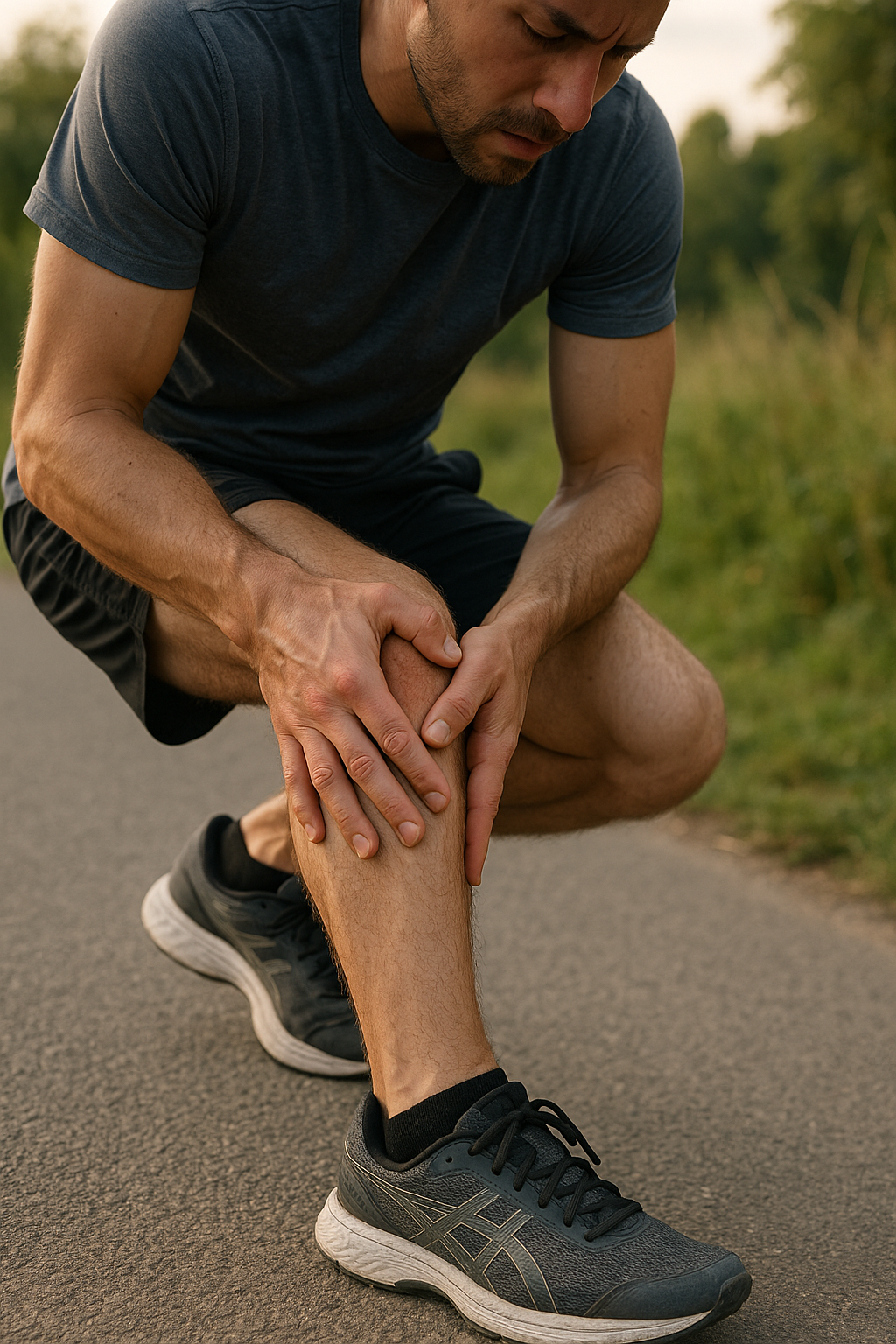
Consistency is where most plans break—not because people lack motivation, but because discomfort accumulates. In aerobic exercise trials, mild-to-moderate musculoskeletal issues occur slightly more often with exercise than with no-exercise control conditions. That doesn’t mean cardio is unsafe; it means your setup and progression matter.
Ergonomic choices that help you stick with it
- Choose joint-friendly modalities when needed: incline walking, cycling, elliptical, swimming, and rowing can reduce impact compared with running, while still supporting cardio for weight loss.
- Prioritize posture under fatigue: as sessions get longer, many people drift into a forward head position and rounded shoulders. Keeping your ribcage stacked over your pelvis and your gaze forward can reduce neck and upper-back strain.
- Use supportive footwear and stable surfaces: worn-out shoes and hard, uneven surfaces increase stress on feet, knees, and hips—often the exact aches that derail weekly volume.
- Progress gradually: building from shorter sessions to longer ones tends to be easier on joints and recovery than jumping straight into high volume.
Ergonomic aids can also be part of the sustainability equation. The goal isn’t to “burn more calories” with gear—it’s to reduce the friction that makes people stop. If better support helps you maintain alignment, feel more stable, or stay comfortable through longer sessions, it can make reaching that 150–300 minutes per week far more realistic.

Men's Posture Shirt™ - Black
Promotes a better posture and can help relieve muscle tension and pain.

Women's Posture Shirt™ - Black
Supports and improves posture; may help relieve tension and pain in everyday life.
Why combining cardio for weight loss with strength works better
If your main goal is fat loss, cardio for weight loss is a proven lever. But if your goal is fat loss and a body that looks and performs better, combining cardio with strength training tends to deliver the most complete outcome. A consistent pattern across research is that aerobic training is strong for reducing fat, while resistance training is strong for maintaining (or building) lean mass. Put together, you get a plan that supports the scale, your waistline, and your long-term function.
In practice, this matters because losing weight without protecting muscle can make results harder to maintain. Muscle supports daily movement, posture, and training capacity. It also helps you tolerate more weekly activity—meaning you can keep doing the cardio volume that drives energy expenditure without feeling as “beat up.”
A realistic structure is simple: use cardio to accumulate weekly minutes and use strength training to keep your body resilient. Two to three short strength sessions per week can be enough for many people, especially when paired with walking, cycling, rowing, or incline treadmill work.
Ergonomic support: the missing link for consistency
Most people do not quit because they suddenly stop caring. They quit because discomfort builds. As cardio volume rises toward the 150–300 minutes per week range, small issues—foot pain, knee irritation, tight hips, a sore lower back, or neck tension—can become the barrier.
Ergonomics is about reducing that barrier so you can repeat the work. That includes choosing a joint-friendly modality when needed, adjusting equipment, and paying attention to alignment as fatigue sets in. For example, on a treadmill, avoid “hanging” on the handrails and aim for a tall posture with your ribcage stacked over your pelvis. On a bike, a seat that is too low can overload knees; too high can cause hips to rock. Small adjustments can make the difference between “I can do this four times a week” and “I need a week off.”
Supportive aids can also help reduce friction. The point is not that gear causes fat loss; it is that better support can make training feel more stable and comfortable, which makes consistency more likely—especially when you are building volume over months, not days.
When more cardio stops working: compensation and sustainability
It is tempting to treat cardio like a simple math problem: add more minutes, lose more fat. In controlled settings, more aerobic exercise often does lead to more weight and waist reduction. In real life, the relationship can get messy because of compensation.
Dr. Mike Israetel, a sports physiologist, has highlighted two common compensation patterns when people push cardio volume aggressively: increased hunger (leading to higher intake) and reduced non-exercise activity (moving less the rest of the day). Both can erase the calorie deficit you thought you created. There is also a fatigue issue: at some point, additional cardio creates a lot of tiredness for a relatively small extra fat-loss stimulus.
To keep cardio for weight loss effective, focus on a sustainable baseline before you “add more.” Practical strategies include:
- Build volume gradually: increase weekly minutes in small steps so joints and connective tissue adapt.
- Use steps as a foundation: a higher daily step count can raise total activity without feeling like another workout.
- Keep intensity appropriate: not every session needs to be hard; easier sessions are often more repeatable.
- Protect recovery: sleep, nutrition quality, and rest days help you avoid the burnout loop.
Frequently Asked Questions
How much cardio should I do for weight loss?
A practical target for cardio for weight loss is 150–300 minutes per week of moderate-to-vigorous aerobic exercise. If you are starting from zero, begin with a smaller amount and build up. The key is choosing a weekly dose you can repeat consistently.
Can cardio alone lead to muscle loss?
It can. Cardio-only routines can reduce body weight while also risking some loss of lean mass, especially if you are in a calorie deficit and not doing resistance training. Adding 2–3 strength sessions per week helps preserve muscle and often improves body composition outcomes.
What are some ergonomic tips for pain-free cardio?
Start with supportive footwear, choose joint-friendly options when needed (such as cycling, rowing, elliptical, or incline walking), and prioritize posture under fatigue. Keep your head and ribcage stacked over your pelvis, avoid gripping handrails for support, and adjust equipment (like bike seat height) to reduce joint stress.
How can I balance cardio and strength training?
A common approach is 2–3 strength sessions per week plus cardio spread across the remaining days to reach your weekly minutes. For example, strength on two non-consecutive days and cardio on three to five days works well for many schedules and recovery levels.
Why does more cardio sometimes stop working?
Two common reasons are compensation (you eat more or move less outside workouts) and diminishing returns (more fatigue for less additional benefit). When progress slows, it often helps to keep cardio sustainable, maintain strength training, support recovery, and focus on overall daily activity rather than endlessly increasing workout volume.
Källor
- Berry Street. (2023). "Cardio for Weight Loss: What Actually Works and What Most People Get Wrong."
- KnownWell. (2023). "Best Cardio for Weight Loss: 10 Exercises Ranked by Results."
- Henselmans, M. (2023). "Why Lifting Weights Beats Cardio for Fat Loss: New Research."
- Fitstra. (2023). "Cardio for Fat Loss: Work Capacity and Beyond."
- YouTube. (2023). "Cardio vs. Weights: Which is Better for Fat Loss?"
- NSUWorks. (2023). "The Effects of Aerobic and Resistance Training on Weight Loss and Body Composition."
- PMC. (2023). "Impact of Exercise Modalities on Weight Loss and Body Composition."
- JAMA Network. (2023). "Comparative Effectiveness of Exercise Modalities on Weight Loss."
- PMC. (2023). "Exercise and Weight Loss: The Role of Cardio and Strength Training."