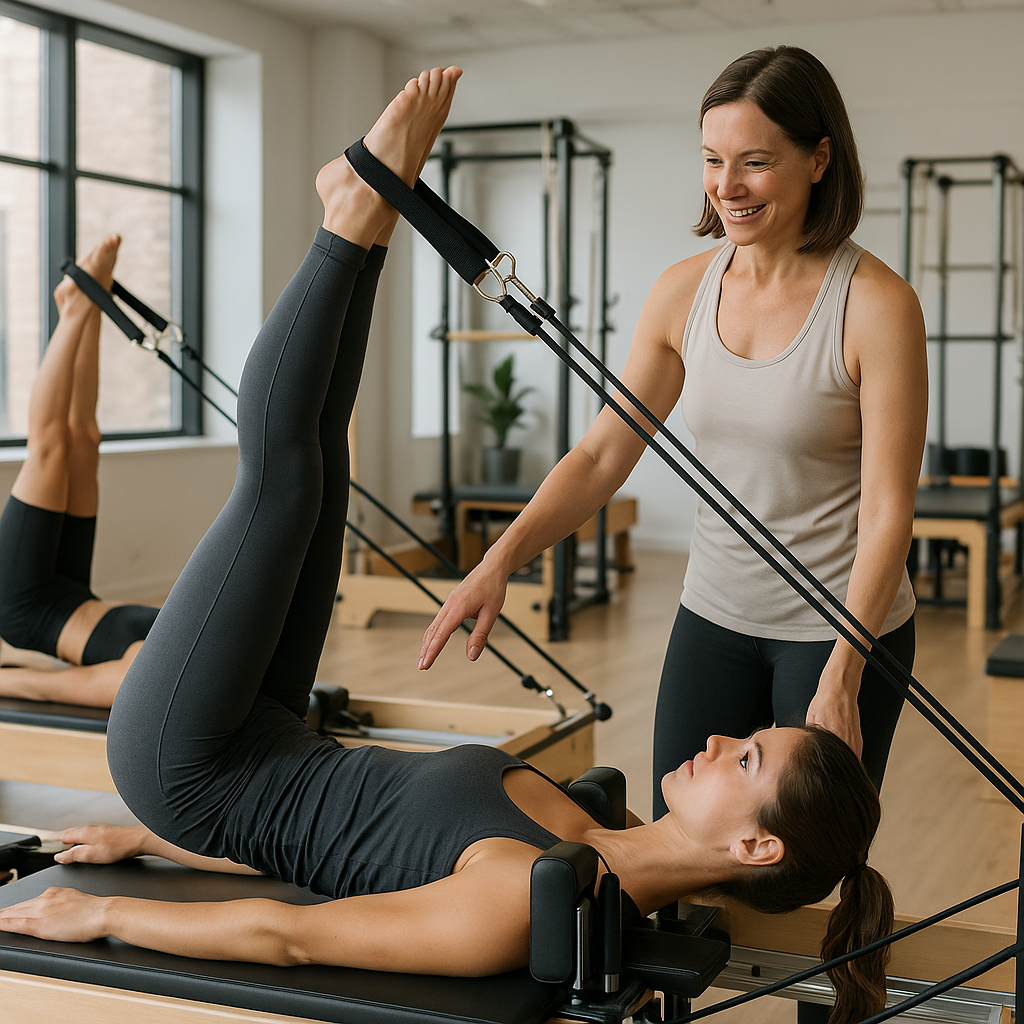
In the hustle and bustle of modern life, the quest for inner peace has never been more relevant. As our schedules become increasingly packed and stress levels rise, the need for practices that promote mental clarity and emotional balance becomes paramount. Enter yoga and mindfulness—two ancient practices that have seen a resurgence in popularity as tools for achieving serenity and equilibrium.
historical roots and evolution
Yoga and mindfulness are not just contemporary trends; they are deeply rooted in history. Yoga, with its origins in ancient India, has evolved over thousands of years, blending physical postures, breath control, and meditation. Mindfulness, often associated with Buddhist traditions, focuses on cultivating a present-moment awareness and acceptance. These practices have transcended their spiritual beginnings to become integral components of modern wellness regimes, supported by growing scientific research that highlights their benefits for mental health and overall well-being.
the power of yoga and mindfulness
Today, yoga and mindfulness are more than just lifestyle choices; they are powerful allies in the pursuit of mental and physical health. The aim of this blog is to delve into how these practices can serve as effective tools in reducing stress, enhancing self-compassion, and promoting a healthier lifestyle. By understanding their unique benefits and how they complement each other, individuals can harness the synergy of yoga and mindfulness to unlock inner peace and improve their quality of life.
As we explore the transformative potential of these practices, we will uncover the ways in which they can aid in stress reduction, bolster emotional resilience, and encourage a more mindful approach to daily living. Whether you're seeking to calm a busy mind, improve your physical health, or cultivate a deeper sense of self-awareness, yoga and mindfulness offer a pathway to achieving these goals. Join us as we embark on this journey to discover the profound impact of yoga and mindfulness on our mental and physical well-being.
understanding yoga and mindfulness
To fully appreciate the benefits of yoga and mindfulness, it's essential to understand what each practice entails and how they intersect. Yoga is a holistic practice that combines physical postures, breath control, and meditation to enhance physical and mental well-being. It is a discipline that integrates the body and mind, promoting flexibility, strength, and relaxation.
Mindfulness, on the other hand, is a mental state achieved by focusing one's awareness on the present moment while calmly acknowledging and accepting one's feelings, thoughts, and bodily sensations. It is about being fully present and engaged in the current experience without judgment.
While yoga and mindfulness are distinct practices, they share a complementary relationship. Yoga often incorporates elements of mindfulness, encouraging practitioners to focus on their breath and body, fostering a deeper connection with the present moment. This synergy amplifies the benefits of both practices, making them powerful tools for achieving inner peace and balance.
psychological and physiological benefits
The psychological benefits of yoga and mindfulness are well-documented. Studies have shown that these practices can significantly reduce symptoms of stress, anxiety, and depression. Yoga meditation, in particular, has been associated with enhanced emotional resilience and improved emotional regulation, helping individuals better cope with life's challenges.
On a physiological level, yoga and mindfulness can positively impact stress physiology by reducing cortisol levels, lowering blood pressure, and improving heart rate variability. These changes contribute to a healthier cardiovascular system and a more balanced autonomic nervous system, which are crucial for managing stress effectively.
Moreover, engaging in regular yoga and mindfulness practices can enhance cognitive functions such as memory, decision-making, and attention. This cognitive boost supports overall mental clarity and can improve daily functioning and productivity.
self-regulation and body awareness
One of the remarkable benefits of integrating mindfulness into yoga is the enhancement of self-regulation and body awareness. Practicing mindfulness during yoga encourages individuals to develop a healthier body image and reduces self-objectification. This mindful attention fosters a sense of self-compassion and acceptance, allowing practitioners to appreciate their bodies and capabilities without judgment.

Women's Posture Shirt™ - Black
Støtter kropsholdning og lindrer spændinger – dokumenteret effekt og medicinsk CE-godkendelse.

Men's Posture Shirt™ - Black
Forbedrer din kropsholdning, aktiverer muskler og lindrer spændinger og smerter i ryg og skuldre.
Frequent practice of yoga and mindfulness is also associated with increased self-compassion. By cultivating a non-judgmental awareness of the present moment, individuals learn to treat themselves with kindness and understanding, which can lead to improved emotional well-being and resilience.
practical applications and integration
Incorporating yoga and mindfulness into daily life doesn't require a significant time commitment. Short, focused routines can be easily integrated into busy schedules, providing substantial benefits even with limited practice time. For office workers and individuals with limited mobility, simple stretches and breathing exercises can be performed at a desk or chair, making these practices accessible to everyone.
In the workplace, yoga and mindfulness can play a pivotal role in wellness programs. Studies have shown that healthcare workers who engage in these practices experience reduced anxiety and improved quality of life, highlighting their potential to enhance occupational health and productivity.
The integration of ergonomics with mindful movement can further support joint alignment and reduce muscle tension. By adopting ergonomic practices alongside yoga and mindfulness, individuals can enhance their physical well-being and prevent strain and injury.
As yoga and mindfulness continue to gain popularity, their mainstream acceptance is reflected in the growing number of individuals worldwide who embrace these practices. By integrating them into daily routines, people can unlock the numerous mental, physical, and emotional benefits they offer, paving the way for a more balanced and fulfilling life.
integrative and clinical perspectives
The integration of yoga and mindfulness into clinical settings has gained traction, particularly through programs like Mindfulness-Based Stress Reduction (MBSR). MBSR is an 8-week program that combines yoga and mindfulness to help participants manage stress, anxiety, and depression. This approach is not just popular among individuals seeking mental health support but is also embraced in clinical frameworks for its effectiveness in promoting self-regulation and emotional well-being.
Yoga and mindfulness share a common goal of fostering present-moment awareness and acceptance. While yoga involves physical movement and breath control, mindfulness focuses on mental attention and acceptance of one's current state. Together, they create a powerful synergy that enhances both mental clarity and physical health. This synergy is increasingly being utilized in therapeutic settings to support mental health and improve quality of life.
frequently asked questions
What is the difference between yoga and mindfulness?
Yoga is a physical and mental practice that involves postures, breath control, and meditation, while mindfulness is a mental state of being aware and present in the moment without judgment. Although distinct, they complement each other well, with yoga often incorporating elements of mindfulness.
Can yoga and mindfulness help with chronic pain or back problems?
Yes, both practices have been shown to assist in managing chronic pain and improving physical health. They help reduce muscle tension, enhance body awareness, and promote relaxation, which can alleviate back problems and other chronic pain conditions.
How often should I practice yoga and mindfulness to see benefits?
Consistency is key. Practicing a few times a week can lead to noticeable benefits, but even short daily sessions can be effective. The important part is to maintain a regular practice to achieve mental and physical improvements.
Is yoga or mindfulness better for stress reduction?
Both yoga and mindfulness are effective for stress reduction. Yoga provides physical movement that can help release tension, while mindfulness enhances mental clarity and relaxation. Combining both practices often yields the best results for stress management.
How can I start incorporating yoga and mindfulness into my routine?
Begin with short, simple practices that fit into your schedule. Consider guided online sessions or apps for beginners, and gradually increase the duration and complexity of your practice as you become more comfortable.
Källor
- Australian Yoga Academy. (n.d.). "Yoga and Mindfulness: How This Powerful Combination Can Change Your Life."
- Basel Orthopaedics. (n.d.). "How Yoga and Mindfulness Can Be Your Pain Relief Powerhouse."
- Yoga Health Center. (n.d.). "The Connection Between Yoga and Mindfulness Meditation."
- National Center for Biotechnology Information. (n.d.). "Yoga and Mindfulness: A Review of Current Research."
- Parkview Health. (n.d.). "The Many Benefits of Mindfulness and Yoga."
- Harvard Health Publishing. (n.d.). "Yoga for Pain Relief."
- Positive Psychology. (n.d.). "Mindfulness & Yoga: How They Work Together."
- National Center for Complementary and Integrative Health. (n.d.). "Yoga for Pain: What the Science Says."
- Harvard Health Publishing. (n.d.). "Yoga for Better Mental Health."
- Pathways Health. (n.d.). "Mindfulness for Chronic Pain."
- National Center for Biotechnology Information. (n.d.). "Mindfulness and Yoga in Health and Disease."
- American Osteopathic Association. (2020). "Study Finds Yoga and Meditation Reduce Chronic Pain."
- REAN Foundation. (n.d.). "Yoga & Mindfulness for Mental Health."
- Duke Health. (n.d.). "Mindful Yoga for Chronic Pain."
- American Osteopathic Association. (n.d.). "Benefits of Yoga."