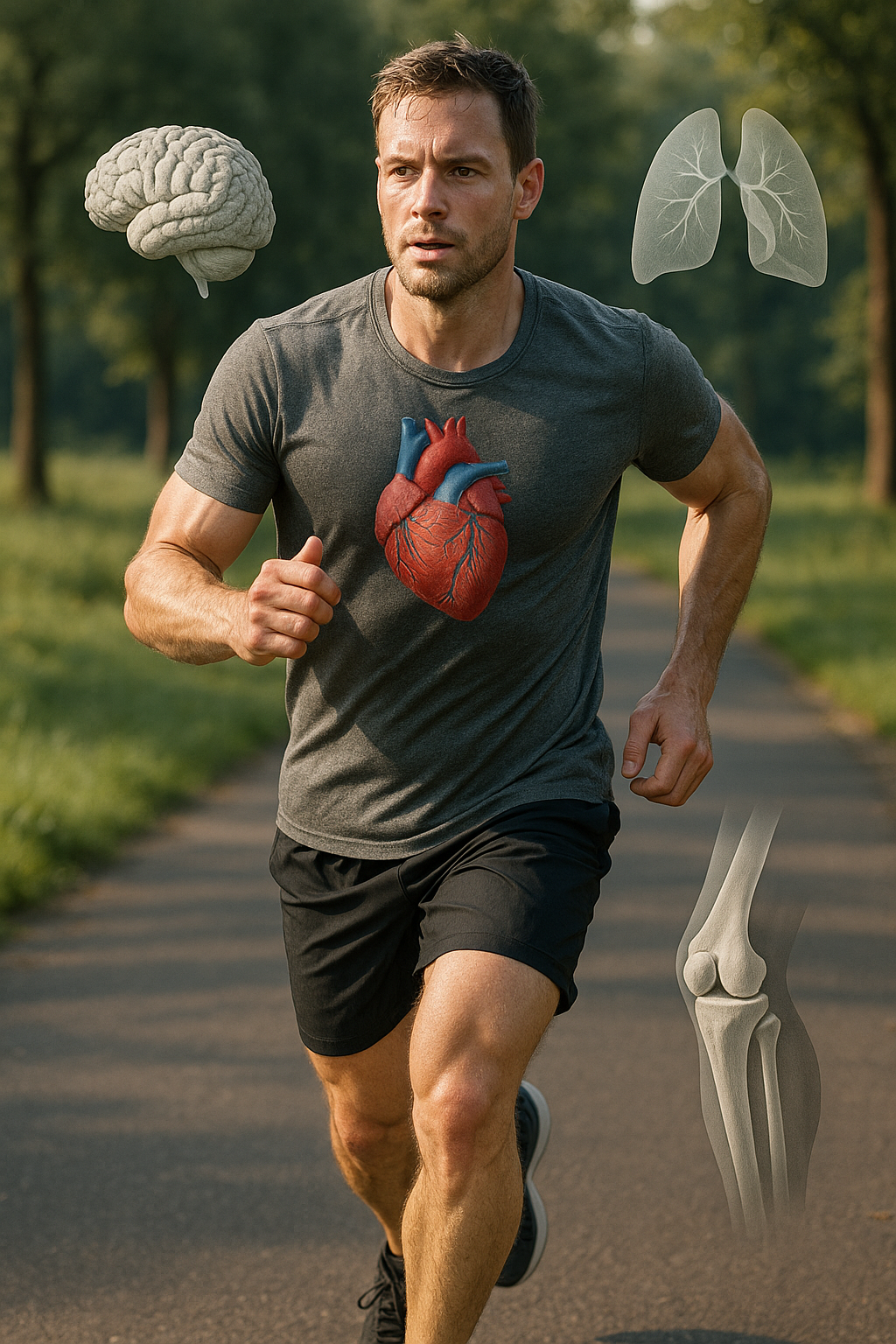
In today's fast-paced digital world, ensuring that children engage in regular physical activity is more crucial than ever. Fitness for children goes beyond just burning off energy; it plays a vital role in their overall development, impacting both physical and mental health. Regular exercise helps build strong bones and muscles, improves cardiovascular health, and fosters emotional well-being by reducing symptoms of anxiety and depression. Moreover, active children tend to perform better academically, as physical activity enhances concentration and cognitive function.
However, despite these benefits, many children are leading increasingly sedentary lifestyles. The allure of screens—be it televisions, tablets, or smartphones—has significantly contributed to reduced physical activity levels among young people. This trend raises concerns, as prolonged sedentary behavior can lead to a host of health issues, including obesity and related diseases. Therefore, it's essential to find ways to make fitness fun and engaging for children, setting the foundation for lifelong healthy habits.
Understanding age-specific fitness needs
When it comes to fitness for children, it's important to recognize that their needs vary significantly with age. According to guidelines from authoritative bodies like the CDC and NHS, young children and adolescents require different types and amounts of physical activity to support their growth and development. For instance, toddlers and preschoolers should engage in at least 180 minutes of physical activity spread throughout the day. This should include a mix of light, moderate, and vigorous activities, focusing on active play and minimizing sedentary time.
As children grow older, their fitness needs evolve. School-age children and teenagers should aim for at least 60 minutes of moderate to vigorous physical activity daily. This should include a combination of aerobic exercises, muscle-strengthening activities, and bone-strengthening exercises. By integrating a variety of activities, parents and caregivers can ensure that children develop a well-rounded fitness routine that supports all aspects of their physical health.
Understanding these age-specific guidelines is the first step in creating a supportive environment where children can thrive physically. The next step is to explore creative ways to incorporate these activities into their daily routines, making exercise an enjoyable and integral part of their lives.
Guidelines for children's physical activity
Understanding the specific physical activity guidelines for different age groups is essential in promoting fitness for children. For toddlers and preschoolers, aged 1-5, the recommendation is to engage in at least 180 minutes of physical activity throughout the day. This should be a mix of light, moderate, and vigorous activities, with an emphasis on active play. The goal is to minimize sedentary time, ensuring that children remain active and engaged in various playful activities that stimulate their physical and cognitive development.
As children transition into school-age and teenage years, from ages 6 to 17, the focus shifts slightly. The guideline here is to achieve at least 60 minutes of moderate to vigorous physical activity daily. This daily routine should include aerobic exercises, such as running or cycling, which are crucial for cardiovascular health. Additionally, incorporating muscle-strengthening activities like climbing or push-ups, and bone-strengthening exercises such as jumping, at least three times a week, is vital for developing strong muscles and bones. These activities not only promote physical health but also support mental well-being by reducing stress and enhancing mood.
Health benefits of regular exercise for kids
Engaging in regular physical activity yields numerous health benefits for children, both physically and mentally. Physically, exercise improves cardiovascular health, enhances muscle strength, and promotes bone development, all of which are critical during the growth years. Regular activity also plays a significant role in preventing obesity and related health issues, ensuring that children maintain a healthy weight as they grow.
Beyond the physical advantages, exercise significantly impacts children's mental and emotional health. Regular physical activity is linked to improved mood and reduced symptoms of anxiety and depression. It also boosts concentration and academic performance, as physical activity is known to enhance cognitive functions. Moreover, participating in group sports or activities can improve social skills and self-esteem, helping children build confidence and resilience.
Practical tips for parents to encourage fitness
Parents play a crucial role in fostering a love for fitness in their children. One effective strategy is to create a regular schedule for physical activities that the entire family can participate in. This not only encourages children to be active but also strengthens family bonds. Offering a variety of activities is another key aspect, as it keeps children engaged and motivated. Parents should aim to introduce fun, age-appropriate activities that align with their children's interests and developmental stages.
Incorporating fitness into daily routines can also make a significant difference. Simple changes, like walking or cycling to school, taking the stairs instead of the elevator, or playing active games, can seamlessly integrate movement into a child's day. Additionally, parents can encourage schools and communities to support active lifestyles by advocating for playgrounds, sports programs, and movement-friendly environments. By making fitness a fun and integral part of daily life, parents can help their children develop healthy habits that last a lifetime.
Integrating ergonomics into children's fitness
When considering fitness for children, it's crucial to account for ergonomics to ensure that their physical activities promote healthy development and prevent injuries. Proper posture and the use of ergonomic aids can significantly enhance the safety and effectiveness of children's exercises. For example, when children carry backpacks, it's important to choose designs that distribute weight evenly across the shoulders to avoid strain on the back and neck. Similarly, when using digital devices, ensuring that screens are at eye level can help maintain good posture and reduce the risk of musculoskeletal issues.

Lumbar support belt
Provides back support and helps prevent pain while active or sitting.
Incorporating ergonomic solutions into common activities can make a noticeable difference. For instance, providing children with appropriately sized sports equipment and furniture, such as desks and chairs that support their posture, can prevent discomfort and encourage longer periods of engagement in physical activities. Additionally, teaching children the importance of warming up and cooling down properly can help them understand how to protect their bodies during exercise, fostering lifelong habits of safe movement.

ActivePosture® Shirt for men
Supports better posture and comfort for daily activities.
Incorporating fitness into daily routines
Integrating fitness into everyday activities is a practical approach to ensuring children remain active. Encouraging children to walk or cycle to school not only promotes physical fitness but also instills a sense of independence and responsibility. Similarly, opting for stairs instead of elevators or engaging in active games during breaks can seamlessly incorporate movement into their day. Schools and communities play a vital role in this by providing playgrounds, sports programs, and environments that encourage active lifestyles.
Parents can also set an example by participating in physical activities with their children. Family outings that involve hiking, biking, or playing sports together not only strengthen family bonds but also emphasize the importance of regular exercise. By making physical activity a natural and enjoyable part of daily life, children are more likely to develop a positive attitude towards fitness, setting the foundation for a healthy future.
Frequently Asked Questions
How can I motivate my child to exercise regularly?
Motivating children to exercise can be achieved by making the activities fun and rewarding. Setting achievable goals and using positive reinforcement can encourage children to participate willingly. Incorporating games and playful elements into exercise routines can also make physical activity more appealing.
What are some signs that my child is getting enough exercise?
Signs that your child is getting adequate exercise include high energy levels, good sleep quality, and a generally positive mood. Additionally, children who engage in regular physical activity often show improved concentration and academic performance.
How can I balance screen time and physical activity for my child?
Balancing screen time with physical activity involves setting clear limits on the amount of time spent on digital devices. Creating a daily schedule that includes designated times for active play can help ensure that children remain physically engaged. Encouraging breaks from screens to participate in physical activities can also promote a healthier balance.
Are there any safety tips I should keep in mind when encouraging my child to exercise?
Safety is paramount when encouraging exercise. Ensure that children perform proper warm-up and cool-down routines to prevent injuries. Wearing appropriate gear, such as helmets and protective pads, is essential for safety during sports and outdoor activities. Additionally, keeping children hydrated and monitoring their comfort levels during exercise can help maintain their well-being.
Källor
- KidsHealth. (n.d.). "Exercise for Children." KidsHealth.
- Centers for Disease Control and Prevention. (2023). "Physical Activity Guidelines." CDC.
- Centers for Disease Control and Prevention. (2023). "Physical Activity Basics for Children." CDC.
- American Academy of Pediatrics. (n.d.). "Promoting Physical Activity as a Way of Life." HealthyChildren.org.
- European Commission. (n.d.). "Physical Activity and Sedentary Behaviour." Health Promotion Knowledge Gateway.
- National Health Service. (n.d.). "Physical Activity Guidelines for Children and Young People." NHS.
- Centers for Disease Control and Prevention. (2023). "What Counts as Physical Activity for Children and Adolescents?" CDC.
- Penn Medicine. (n.d.). "7 Ways to Increase Your Child's Fitness." Penn Medicine News.
- Australian Government Department of Health. (n.d.). "Recommendations for Children and Young People (5 to 17 Years)." Health.gov.au.
- Stanford Children's Health. (n.d.). "Exercise and Children." Stanford Children's Health.
- AboutKidsHealth. (n.d.). "Exercise." AboutKidsHealth.
- Medical News Today. (n.d.). "Exercise and Children: The Benefits." Medical News Today.
- Healthline. (n.d.). "Fitness and Exercise for Kids." Healthline.
- Tremblay, M. S., et al. (2012). "Canadian Physical Activity Guidelines for the Early Years (aged 0-4 years)." Paediatrics & Child Health.