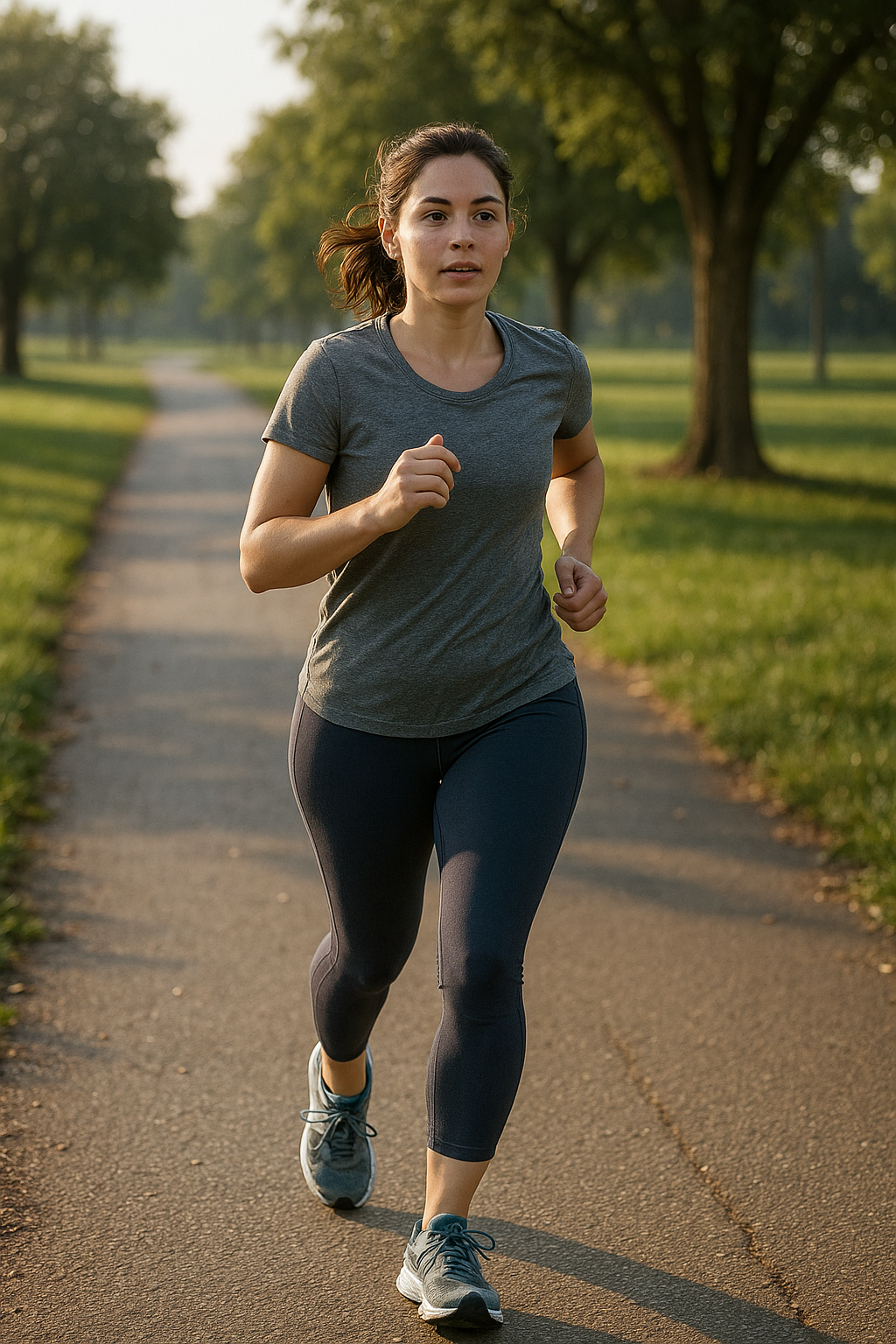
Fat loss is one of the most searched-for goals in health and fitness—and one of the most misunderstood. It’s tempting to reduce it to a simple equation of eating less and moving more, but real-life results rarely follow a straight line. Hunger, sleep, stress, daily routines, training quality, and recovery all shape how consistently you can maintain a calorie deficit and keep momentum over time.
That’s also why the fat loss space feels so crowded. You’ll find everything from strict diet plans and “best exercises” lists to advanced treatments and biohacking trends. Some approaches help, some distract, and many overlook a surprisingly influential factor: how your body is positioned and supported for the hours you’re not working out.
Why ergonomics belongs in a sustainable fat loss plan
Ergonomics is usually discussed in the context of comfort, productivity, or avoiding aches at a desk. But it also affects how you move, how often you move, and how well you recover—three elements that quietly influence energy expenditure and training consistency. If your chair, workstation, or daily posture encourages slumping, tension, and stiffness, you’re more likely to fidget less, take fewer movement breaks, and feel “too sore” or drained to train the way you planned.

Women's Posture Shirt™ - Black
Patented shirt that helps improve posture, relieve pain, and support your muscles all day.
Here’s the question worth asking: could the way you sit, stand, and move throughout the day influence your ability to lose fat? For many office workers and sedentary lifestyles, the answer is practical rather than dramatic. Ergonomics won’t replace nutrition or exercise, but it can remove friction that makes both harder to stick with.
A new perspective beyond diet and workouts
This article explores fat loss through a wider lens—one that respects the basics (nutrition, strength training, daily activity) while adding an often-missed layer: movement quality and postural support. You’ll learn how small ergonomic adjustments can make it easier to stay active during the workday, improve training form, and support recovery so you can repeat good sessions week after week.
In the next sections, we’ll connect the dots between modern fat loss science, body composition realities (including why preserving lean tissue matters), and the ergonomic strategies that help you move more comfortably and consistently. The goal isn’t a quick fix; it’s a setup that makes sustainable fat loss feel more doable in everyday life.
What modern science says about fat loss
At its core, fat loss happens when your body mobilises and oxidises stored fat to meet energy demands over time. But the “how” is more complex than simply eating less. Research into weight loss mechanisms shows that meaningful weight reduction is associated with broad, systemic shifts in metabolism, including changes in pathways involved in lipid handling and energy regulation (often described in research through pathway networks such as PPARα/RXRα and LXR/RXR). In other words, the body doesn’t just shrink; it adapts.
Another important scientific insight is that people don’t respond identically to the same plan. Studies exploring metabolic signatures suggest that baseline markers can predict a substantial portion of weight loss variation in some populations. The practical takeaway is not that results are “pre-determined,” but that your starting point matters: sleep, stress load, training history, daily movement, and nutrition habits all influence how your metabolism responds—and how sustainable your routine feels.
How ergonomics supports metabolic efficiency
Ergonomics won’t “boost your metabolism” in a magical way, but it can improve the behaviours that drive energy balance. Poor posture and an unsupportive setup often lead to stiffness in the hips and upper back, neck tension, and low-grade discomfort. When your body feels restricted, you tend to move less, avoid walking breaks, and default to the path of least resistance—staying seated longer and training with compromised form.
Better ergonomics supports fat loss by reducing friction in three areas:
- More non-exercise activity: Comfortable alignment makes it easier to stand up, walk, stretch, and change positions throughout the day. Those small bouts of movement add up.
- Better movement quality: When your joints stack well and your core and glutes can do their job, strength training becomes more effective and less draining.
- Less “background” fatigue: Constant tension from slumping or craning forward can make you feel tired before you even train, which can reduce workout intensity and consistency.
Posture correction matters here because it influences breathing mechanics and muscle recruitment. A collapsed ribcage and forward head position can encourage shallow breathing and overuse of neck and shoulder muscles. A more neutral setup can make it easier to brace, hinge, squat, and press with control—helping you train hard enough to preserve lean tissue while you’re in a calorie deficit.

Men's Posture Shirt™ - Black
Posture-correcting shirt that supports muscles and reduces tension, with medical documentation.
Emerging treatments still benefit from lifestyle foundations
Interest in newer weight loss tools—such as peptide-based approaches that target appetite regulation and metabolic pathways—has grown quickly. These options can be appropriate in some cases under medical supervision, especially when metabolic health is significantly compromised. But even when advanced treatments reduce hunger or improve adherence, day-to-day mechanics still matter.
If your workday setup encourages long, uninterrupted sitting, you may still struggle with low activity levels, stiffness, and reduced training quality. Ergonomic habits can complement any plan by making movement easier to repeat: standing more often, walking without discomfort, and lifting with better technique. The goal is to create an environment that supports the behaviours that keep results going after the initial “boost” fades.
Body composition: why preserving lean tissue changes everything
Scale weight alone can be misleading because weight loss is typically a mix of fat mass and fat-free mass. A commonly cited estimate is that roughly one-fourth of weight lost can come from lean tissue, with the remaining three-fourths coming from fat mass. That ratio can shift depending on protein intake, training, sleep, stress, and how aggressive the calorie deficit is.
Preserving lean tissue matters for both performance and long-term fat loss. Muscle helps you train harder, maintain function, and sustain a higher daily energy expenditure than you would with less lean mass. This is where ergonomics quietly supports nutrition strategies such as a calorie deficit, keto-style approaches, or paleo-style whole-food plans: if you can move well and recover well, you’re more likely to keep strength training in your routine, hit your daily steps, and avoid the “I’m too sore to move” spiral that can derail consistency.
Think of it as a chain reaction. Better alignment and support can reduce aches that limit activity. More activity improves adherence to a deficit. Better training quality helps maintain muscle. Maintaining muscle improves the quality of your weight loss—and makes it easier to keep the results.
Practical ergonomic strategies that support fat loss
Sustainable fat loss is rarely limited by motivation alone. More often, it is limited by friction: discomfort at your desk, stiffness after long meetings, or a body that feels “off” when you try to train. Ergonomic improvements reduce that friction by making it easier to move frequently, train with better form, and recover well enough to repeat the process.
Set up your sitting posture for less fatigue
A supportive seated position helps you stay alert and reduces the aches that make you avoid movement later. Aim for a neutral, stacked posture: feet flat, knees roughly level with hips, pelvis supported, and ribcage not collapsed. Keep your screen at a height that doesn’t pull your head forward and place your keyboard and mouse so your shoulders can stay relaxed rather than shrugged. The goal is not “perfect posture” all day; it is a setup that makes the neutral position easy to return to.
Use standing and walking breaks to increase daily movement
For many people, the biggest ergonomic win for fat loss is simply interrupting long sitting periods. Short movement breaks can increase daily activity without needing extra gym time. Try a simple structure: stand up at least once per hour, walk for 2–5 minutes, and add a few gentle mobility moves (hip flexor stretch, thoracic rotation, or a few bodyweight squats). If you use a standing desk, alternate between sitting and standing rather than standing all day—comfort and consistency matter more than extremes.
Make your workstation “movement-friendly”
Small changes can make movement the default. Keep a water bottle away from your desk so you have a reason to stand. Take calls while walking. Place a resistance band nearby for light upper-back activation between tasks. These are not workout replacements, but they support the behaviours that make a calorie deficit easier to maintain: higher daily steps, less stiffness, and fewer “I don’t feel like moving” moments.
Ergonomic recovery after training
Recovery is where many fat loss plans break down—especially when people push hard while also eating in a deficit. After strength training or higher-intensity sessions, prioritise positions that let your body downshift: a short walk, gentle breathing in a comfortable posture, and light mobility that restores range without forcing it. If you frequently feel tight hips, a supported kneeling hip flexor stretch or a brief glute stretch can help you return to a more neutral pelvic position for the next workday. If your upper back and neck get tense, adjust your screen height and add brief thoracic extension work to avoid carrying training fatigue into desk posture.
Underserved opportunities: where ergonomics fills gaps in fat loss plans
Most fat loss advice focuses on nutrition and training, which are essential. The gap is what happens during the other 23 hours of the day—especially for office workers and anyone with a sedentary routine.
- Office workers: Long sitting hours can reduce daily movement and increase stiffness that makes training feel harder than it should. Ergonomics helps by improving comfort, supporting better alignment, and making frequent position changes more realistic.
- People starting from low activity: If you are building habits from scratch, a workstation that encourages standing, walking breaks, and easier movement can be a practical bridge to higher daily steps.
- Post-workout consistency: When soreness or joint irritation accumulates, people often skip sessions. Ergonomic support—better sitting mechanics, smarter screen/keyboard placement, and recovery-friendly positions—can reduce the “background strain” that competes with training recovery.
Put simply: fat loss depends on repeating good days. Ergonomics is one of the most overlooked ways to make those good days easier to repeat.
Frequently Asked Questions
What is the role of ergonomics in fat loss?
Ergonomics supports fat loss indirectly by improving posture, comfort, and movement quality during the hours you are not exercising. A better setup can reduce stiffness and low-grade discomfort, which makes it easier to take movement breaks, keep daily steps higher, and train with better form—habits that contribute to sustainable fat loss over time.
How can I incorporate ergonomics into my weight loss journey?
Start with simple, repeatable changes: adjust your chair and screen so you can sit in a neutral position, stand up at least once per hour, and add short walking breaks. If possible, alternate between sitting and standing during the day. Pair this with recovery-friendly habits after workouts, such as a short walk and gentle mobility, so soreness does not reduce your overall activity.
Are there specific ergonomic products that aid in fat loss?
Ergonomic products can help by supporting alignment and making movement more comfortable. Common examples include adjustable desks, supportive chairs, monitor stands, and tools that encourage better posture and positioning. The best choice is the one that reduces discomfort and makes it easier for you to change positions and stay active throughout the day.
Can ergonomics replace traditional fat loss methods?
No. Ergonomics should complement, not replace, the fundamentals: a nutrition approach that creates a consistent calorie deficit, adequate protein to support lean tissue, regular strength training, and sufficient daily movement. Ergonomics helps you adhere to those fundamentals by reducing physical barriers that make activity and training harder to sustain.
Källor
- Techniker Krankenkasse. ”Burning Fat: How to Do It.”
- Center for Basic Metabolic Research. ”Fat Can Be Harder to Lose the More We Weigh.”
- CircleDNA. ”Fat Loss: Facts vs Myths for Your Health Goals.”
- Stanford Medicine. ”Diet Study.”
- Hall, K. D. et al. (2014). ”Energy Balance and Its Components: Implications for Body Weight Regulation.” American Journal of Clinical Nutrition.
- Harvard T.H. Chan School of Public Health. ”Intermittent Fasting May Be Effective for Weight Loss, Cardiometabolic Health.”
- Kaya. ”Fat Cells and Fat Loss: The Science of Shrinkage and Treatments.”
- University of Alabama at Birmingham. ”Does Your Body Really Fight Against Weight Loss? This Scientist Explains Why the Research Says No.”
- Anywhere Fitness. ”Facts About Fat Loss.”
- Science Focus. ”The Biggest Hidden Rule of Weight Loss.”
- Mozaffarian, D. et al. (2021). ”Lifestyle and the Risk of Obesity.” New England Journal of Medicine.
- Ugeskrift for Læger. ”Atkinskosten og Andre Lavkulhydratdiæter: Fup eller Et Effektivt Middel til Vægttab.”
- SciTechDaily. ”Weight Loss Breakthrough: Scientists Discover Key to Fat-Burning Power in Human Cells.”
- Kilden Kjønnsforskning.no. ”Fat Studies: Et Felt Der Vokser.”