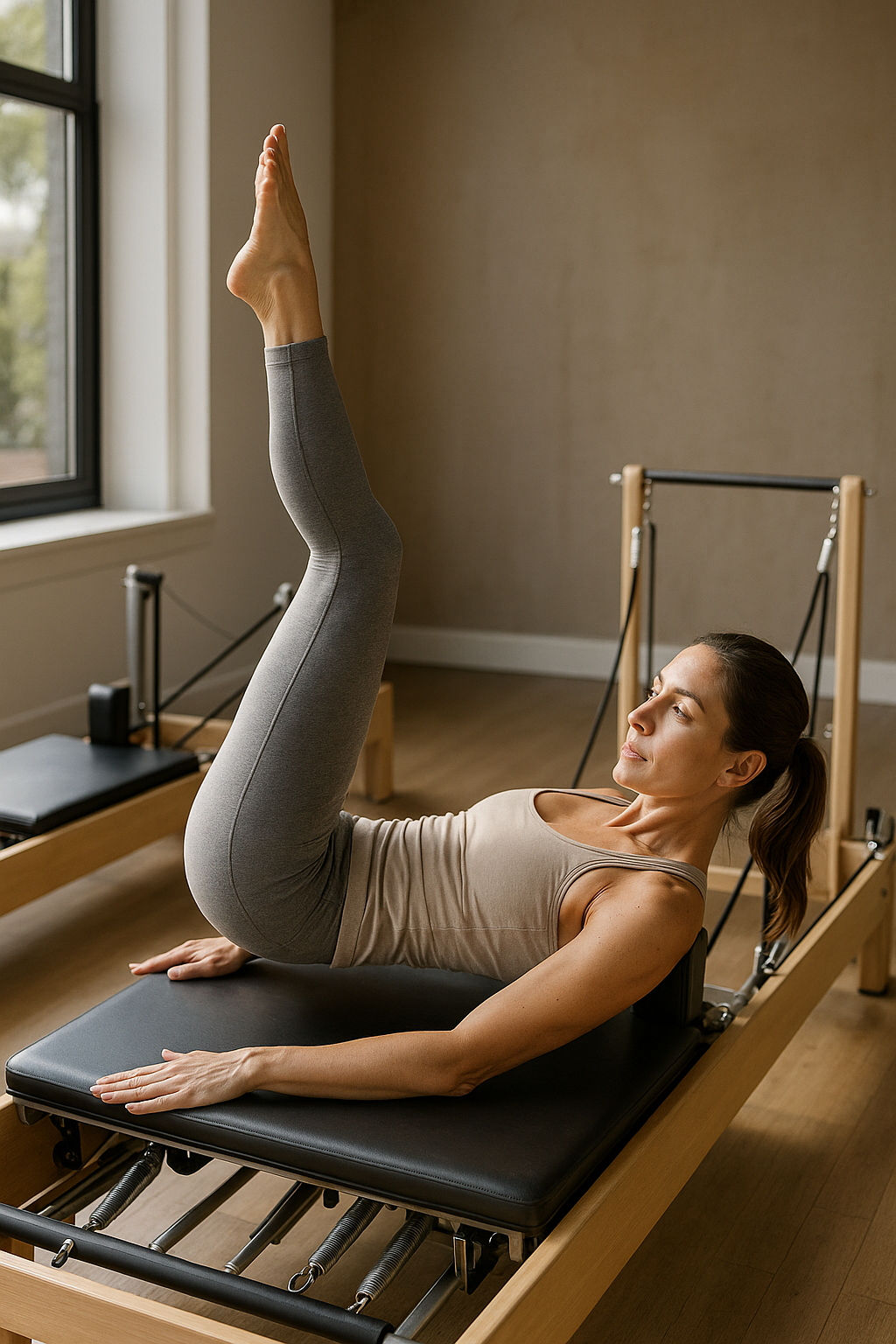
Yoga has quietly become one of the most practical ways to feel better in your body—without needing a gym membership, fancy equipment, or a “perfect” level of fitness. Maybe you’ve noticed it in your own circle: colleagues doing a short flow before work, friends swapping high-intensity workouts for slower movement, or athletes using yoga to recover. The reason is simple: the yoga benefits are broad, noticeable, and easy to tailor to real life, whether you sit at a desk all day or spend your hours on your feet.
At its core, yoga is an ancient practice built around movement, breathing, and attention. What makes it feel so modern is how well it fits today’s challenges: stiff hips from long sitting, tense shoulders from screens, restless sleep, and a mind that rarely gets a break. Yoga meets you where you are—some days that’s a sweaty, strength-focused session; other days it’s five minutes on the floor to reset your posture and breathing.
Why yoga works for both body and mind
Unlike workouts that focus on one goal at a time, yoga blends multiple training effects into a single practice. You’re not only stretching; you’re also building control, balance, and body awareness. At the same time, steady breathing and slower transitions can help downshift stress—useful if your nervous system is constantly running in high gear.
Many people start for a physical reason and stay for the mental payoff. A short routine can feel like a posture check-in, a mobility session, and a calm-down ritual all at once. That combination is a big part of why yoga benefits often show up outside the mat too: you may move more comfortably, react less sharply to stress, and find it easier to wind down at night.
Yoga benefits you may notice early
While long-term consistency brings the biggest changes, beginners often report improvements surprisingly quickly. Depending on your starting point and the style you choose, early wins can include:
- Improved flexibility in common tight areas like hips, hamstrings, chest, and calves
- Better balance and coordination, especially through simple standing sequences
- Less everyday tension in the neck, shoulders, and lower back
- Easier breathing and a calmer baseline during busy days
- More restful sleep when yoga becomes part of an evening routine
In the next section, we’ll break down the most research-backed physical, mental, and lifestyle advantages—plus how to choose the right approach if your goal is better posture, less pain, or a steadier mind.
Physical yoga benefits: flexibility, balance, strength
One reason yoga has become a go-to for everyday aches and stiffness is that it trains multiple physical qualities at once. Across many of the most trusted health resources, improved flexibility and balance are the most consistently highlighted outcomes—often because they’re easy to notice in daily life. When you practice poses that take joints through controlled ranges of motion, you gradually improve mobility in areas that commonly tighten from sitting and repetitive movement, such as hips, hamstrings, ankles, and the upper back.
Balance improves for a similar reason: yoga asks you to stabilize while you move. A simple standing posture like Tree pose challenges your foot and ankle strength, hip stability, and core control, while also training your focus. At the other end of the spectrum, Corpse pose looks like “doing nothing,” but it teaches full-body release and postural awareness—skills that matter if you carry tension in your jaw, shoulders, or lower back throughout the day.
Strength is another major (and sometimes underestimated) benefit. Holding positions like Plank variations, Chair pose, or Warrior sequences builds muscular endurance in the legs, glutes, shoulders, and deep core. This is especially valuable if you have a sedentary routine, because long hours at a desk can weaken postural muscles and make the body rely on “hanging” into joints rather than supporting itself with strength.
Posture support for modern life
Better posture isn’t about forcing yourself to sit rigidly upright—it’s about having the mobility and strength to stack your body comfortably. Yoga supports this by opening the chest and shoulders (often rounded forward by screens), improving thoracic spine mobility (upper-back movement), and strengthening the muscles that help keep your pelvis and ribcage aligned. Over time, that can translate into less neck tension, fewer shoulder aches, and a more natural standing and sitting position.

Women's Posture Shirt™ - Black
Improves posture, can relieve pain and tension, for work, exercise, or leisure.
If your goal is posture, consistency matters more than intensity. Short sessions that focus on spinal movement (gentle twists, cat-cow variations, and supported backbends) plus basic core and glute work can be more helpful than occasional long workouts. Pairing yoga with an ergonomic setup—supportive seating, a desk height that reduces shrugging, and a stable surface for standing work—can make the postural gains easier to maintain between sessions.
Yoga benefits for chronic discomfort and long-term health
Yoga is frequently used as a supportive tool for chronic issues, especially when the practice is adapted to the person rather than pushed to extremes. Research-backed summaries from major medical and health organizations commonly note yoga’s role in managing lower back pain and improving function. The combination of gentle strengthening, improved hip mobility, and better body mechanics can reduce the “cycle” where stiffness leads to guarded movement, which then leads to more stiffness.
For people with arthritis or joint sensitivity, yoga can be helpful because it’s low-impact and modifiable. Using props, reducing range of motion, and choosing slower styles can allow you to build strength around joints without the repeated pounding of high-impact exercise. Yoga is also often discussed in relation to heart health, largely because it can support stress management, encourage regular movement, and improve lifestyle habits that influence cardiovascular risk.
It’s important to treat yoga as a complement, not a replacement, for medical care. If you’re managing a condition, the safest approach is to choose beginner-friendly classes, avoid pain-based stretching, and prioritize alignment and breath over depth.
Mental health yoga benefits: stress, anxiety, and mood
Many people first notice the mental shift after yoga: a quieter mind, slower breathing, and a sense that the body has “downshifted.” This isn’t just subjective. Research summaries commonly describe yoga as helpful for stress and anxiety reduction, in part because it influences the nervous system and may increase levels of GABA, a neurotransmitter associated with calm and relaxation. Breathing practices and slower movement can also reduce the physical stress response—lowering muscle tension and making it easier to respond rather than react.
Yoga also builds mindfulness in a practical way. Paying attention to sensation, breath, and alignment trains self-awareness, which can support emotional regulation. Over time, you may get better at noticing early signs of stress (tight shoulders, shallow breathing, clenched jaw) and intervening sooner.
Better sleep and healthier daily habits
Sleep is one of the most common “spillover” improvements. A regular yoga routine—especially gentle evening sessions—can help you transition out of a busy day by relaxing the body and settling the mind. When your nervous system is less activated, it’s often easier to fall asleep and stay asleep, which then supports mood, focus, and recovery.
Yoga can also influence lifestyle patterns in subtle but meaningful ways. By improving body awareness, many practitioners find it easier to recognize hunger and fullness cues, manage cravings driven by stress, and develop a more neutral relationship with their body. This mindful approach is often linked with steadier weight management and a healthier body image, because the focus shifts from appearance to how the body feels and functions.
Yoga benefits for brain health and neuroplasticity
Beyond flexibility and stress relief, a growing area of interest is how yoga may support the brain. Yoga combines movement, focused attention, and controlled breathing—three inputs that are closely tied to how the nervous system adapts. This is where the concept of neuroplasticity comes in: the brain’s ability to reorganise, build new connections, and refine existing ones in response to practice and experience.
In practical terms, the yoga benefits linked to brain health often show up as better self-regulation. When you repeatedly practise noticing sensations, adjusting posture, and returning attention to the breath, you are training skills that relate to focus, emotional balance, and resilience under pressure. This is one reason yoga is increasingly discussed not only as exercise, but also as a structured way to support mental performance and recovery.
Yoga is also being explored as a complementary tool in rehabilitation settings. In recovery scenarios—such as after serious injuries—gentle, well-supervised yoga may help people reconnect with movement patterns, improve body awareness, and build confidence in what their body can do. The key is that the practice is adapted: slow progressions, stable positions, and a strong emphasis on safety rather than intensity.

Men's Posture Shirt™ - Black
Helps posture, relieves neck, shoulder and back pain, with patented NeuroBand™ tech.
Practical tips for beginners to get the most from yoga benefits
Starting yoga does not require flexibility, special clothing, or long sessions. What matters most is choosing an approach that fits your goal and your current body. If you are new, consider these beginner-friendly strategies:
- Match the style to your needs. For stress and sleep, try slower styles (gentle, restorative, or yin). For strength and stamina, try a beginner vinyasa or hatha class with clear cues and options.
- Prioritise alignment over depth. A smaller range of motion done with control usually delivers more long-term benefit than pushing into a stretch. If something feels sharp, pinching, or unstable, back off.
- Use props without hesitation. Blocks, straps, and cushions can reduce strain and help you find better positioning—especially in hips, hamstrings, shoulders, and the lower back.
- Start with a short, repeatable routine. Ten to fifteen minutes you can do consistently often beats a long session you rarely repeat.
If your main goal is posture and comfort at work, focus on poses that counter common desk patterns: chest opening, upper-back mobility, hip flexor length, and gentle core engagement. If your goal is a calmer mind, keep the movements simple and spend extra time on slow nasal breathing and longer exhalations.
How to build yoga into daily life
The easiest way to make yoga stick is to attach it to something you already do. A short morning flow can work as a “body reset” before sitting, while an evening routine can help you transition into sleep. Consider these simple options:
- Micro-sessions: Do 3–5 minutes between meetings: a few rounds of cat-cow, a gentle twist, and a forward fold with bent knees.
- Posture breaks: Add a standing balance pose (like Tree) for one minute per side to wake up feet, hips, and core.
- Downshift routine: End the day with legs-up-the-wall or a supported rest position, then finish with slow breathing.
Also consider your environment. Practising on a stable, comfortable surface and keeping your workspace ergonomics in check can make it easier to maintain the posture and mobility improvements you build on the mat. The goal is not perfect form—it is a body that feels supported enough to move well throughout the day.
Frequently Asked Questions
What are the most common physical benefits of yoga?
The most common physical yoga benefits include improved flexibility, better balance, increased strength and muscular endurance, and improved posture. Many people also report reduced everyday aches, especially when yoga is practised consistently and adapted to their needs.
How does yoga help with stress management?
Yoga supports stress management by helping regulate the nervous system through breathing, mindful attention, and controlled movement. Research summaries often link yoga with increased GABA activity, which is associated with calm and reduced anxiety, alongside lower muscle tension and a steadier stress response.
Can yoga aid in weight loss?
Yoga can support weight management, especially through improved body awareness and more mindful habits around eating and recovery. While yoga is not always a high-calorie workout, it can help reduce stress-driven behaviours and build consistency with movement—both of which can contribute to healthier weight outcomes over time.
Is yoga suitable for all ages and fitness levels?
Yes. Yoga is highly adaptable, with modifications available for beginners, older adults, and people managing injuries or chronic conditions. Choosing an appropriate class level and using props can make the practice safer and more effective.
How often should one practice yoga to see benefits?
Many people notice some yoga benefits within a few sessions, but consistency drives the biggest changes. Practising several times per week is a practical target, and even short sessions can be effective when done regularly.
Källor
- Harvard Health Publishing. (n.d.). "Yoga Benefits Beyond the Mat." Harvard Health.
- Cramer, H. et al. (2021). "Yoga for Health: Evidence-Based Practices." PMC.
- Gunnars, K. (2018). "13 Benefits of Yoga That Are Supported by Science." Healthline.
- Geisinger Health. (2020). "Health Benefits of Yoga Backed by Research." Geisinger.
- EmblemHealth. (n.d.). "Yoga’s Hidden Health Benefits." EmblemHealth.
- Harvard Gazette. (2023). "Strong Evidence That Yoga Protects Against Frailty in Older Adults." Harvard Gazette.
- National Center for Complementary and Integrative Health. (n.d.). "Yoga for Health: What the Science Says." NCCIH.
- Norwegian SciTech News. (2025). "Just a Few Hours of Yoga Can Greatly Reduce Stress." Norwegian SciTech News.
- Emory Healthcare. (n.d.). "Health Benefits of Yoga." Emory Healthcare.
- University of Virginia. (n.d.). "Backing the Benefits of Yoga with Research." Data Science at UVA.
- Johns Hopkins Medicine. (n.d.). "9 Benefits of Yoga." Johns Hopkins Medicine.
- GoodRx. (n.d.). "The Benefits of Yoga." GoodRx.
- Northwestern Medicine. (n.d.). "Science-Based Benefits Behind Yoga." Northwestern Medicine.