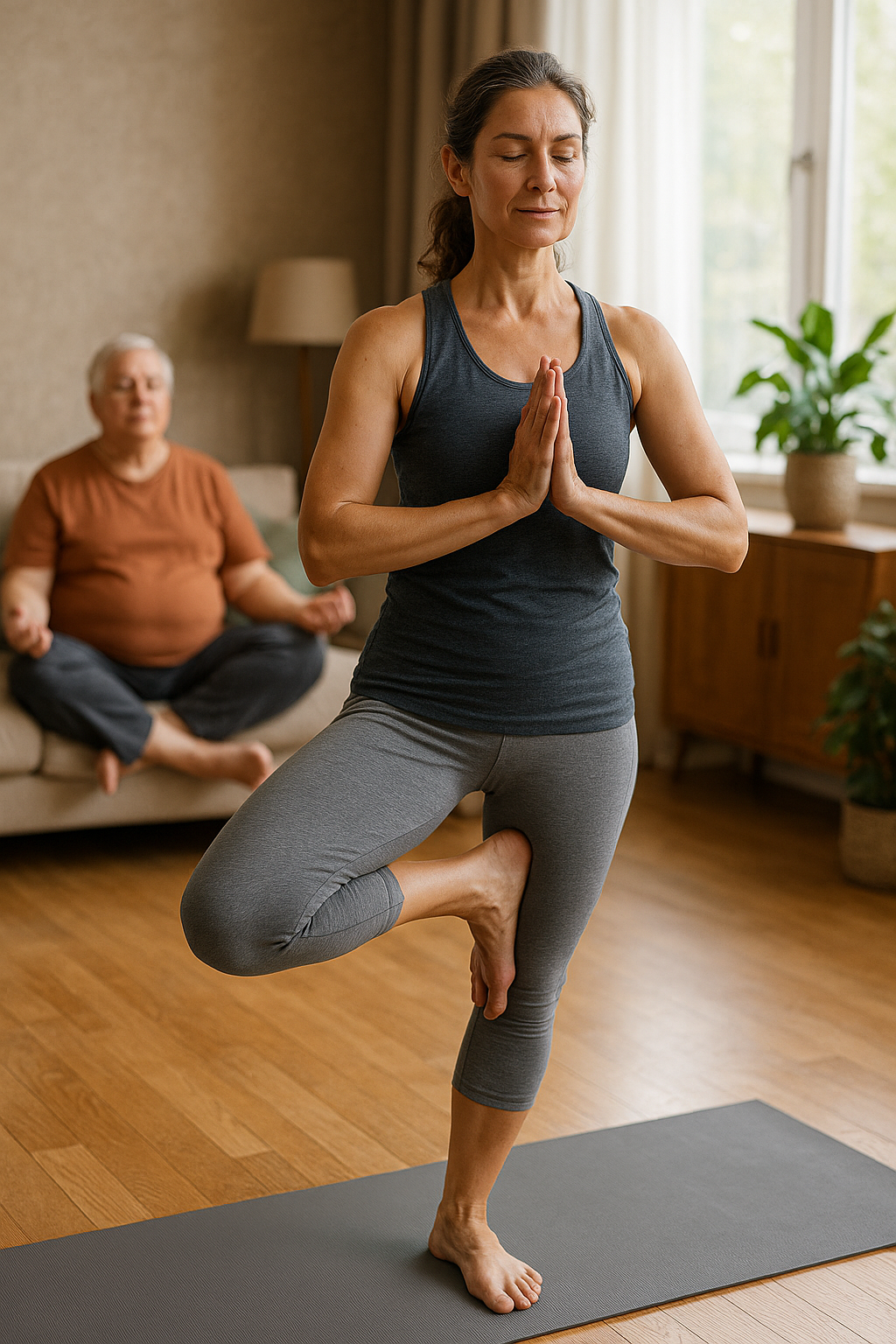
Pilates has gone from niche studio class to a mainstay in gyms, rehab settings, and living rooms—and for good reason. If you’ve ever wondered what is pilates good for, the short answer is: a lot more than “just” a toned midsection. Done consistently, Pilates can change how your body feels in everyday life, from how you sit at your desk to how you carry groceries, climb stairs, or get out of bed without that familiar stiffness.
What makes Pilates stand out is that it’s not built around pushing harder at all costs. It’s built around moving smarter. The method was developed by Joseph Pilates and is known for controlled, precise exercises paired with focused breathing. Instead of high-impact jumps or heavy loads, Pilates trains strength, stability, and mobility through quality of movement—making it approachable whether you’re brand new to exercise, returning after a break, or simply looking for training that supports your body rather than punishes it.
Another reason Pilates keeps growing in popularity is its versatility. You can practice on a mat with minimal equipment, or use apparatus such as a reformer for added resistance and support. Sessions can be gentle and restorative or surprisingly challenging, depending on how movements are progressed. That adaptability is also why Pilates is often recommended for people who want low-impact training that still delivers measurable results.
Why Pilates feels different from other workouts
Pilates is often described as a mind-body practice because attention is part of the training. You’re not just “getting through reps”; you’re learning to control alignment, breathing, and muscle engagement. Over time, that can translate into better body awareness—helpful if you tend to hold tension in your shoulders, over-arch your lower back, or feel unstable through your hips and core.
What you’ll learn in this guide
In the rest of this article, we’ll break down the most talked-about benefits of Pilates and why they matter beyond the studio. You’ll see how Pilates can support:
- Core strength and stability that carries over to lifting, walking, and training safely
- Posture and spinal alignment, especially relevant for desk work and screen-heavy days
- Injury prevention and recovery support through balanced strength, mobility, and control
- Holistic wellness, including the calming effect many people notice from breath-led movement
Whether your goal is to move with less discomfort, feel stronger in daily tasks, or build a sustainable routine you can stick with, Pilates offers a practical path forward—one controlled rep at a time.
Core strength and stability that carries over to real life
When people ask what is pilates good for, core strength is usually the first benefit mentioned—and it’s not just about visible abs. In Pilates, the “core” includes deep stabilising muscles around the trunk and pelvis that help you control movement, protect the spine, and transfer force efficiently. Instead of bracing hard and holding your breath, Pilates teaches you to create support while still breathing and moving.
This matters because many everyday actions are essentially stability challenges: carrying a bag on one side, reaching into the back seat of a car, walking up stairs, or lifting a child. A stronger, more responsive core can help you feel steadier through the midsection and hips, which often translates to better balance and less “wobble” in positions that used to feel shaky.
Pilates also trains core endurance. That’s the kind of strength that helps you maintain good form over time—like staying upright during a long meeting, standing in the kitchen without sinking into your lower back, or getting through a workout without compensating with your shoulders or neck.
Posture improvement through alignment and stronger postural muscles
Posture isn’t about forcing your shoulders back or “standing up straight” all day. It’s about how well your body can organise itself against gravity with minimal strain. Pilates supports posture by strengthening the muscles that help hold the spine in a more neutral, efficient position—especially through the upper back, deep abdominals, glutes, and the muscles around the shoulder blades.
For desk workers, this can be particularly relevant. Long hours of sitting can encourage a rounded upper back, forward head position, and tightness through the chest and hip flexors. Pilates addresses these patterns by combining mobility work (to open areas that feel stiff) with strengthening (to support the positions you want to keep). Over time, many people notice they can sit and stand with less effort, and that tension in the neck and shoulders is easier to manage.
Better alignment can also reduce the “domino effect” of compensations—where one area works too hard because another area isn’t doing its job. That’s one reason posture-focused training is often linked to improved comfort during daily tasks.

Women's Posture Shirt™ - Black
Activates muscles, may reduce pain/tension, and improves postural awareness for work, exercise, and leisure.
Injury prevention and rehabilitation support
Pilates is widely used as a supportive method for injury prevention because it emphasises controlled movement, joint-friendly strength, and balanced muscle development. Instead of repeatedly loading the same patterns, Pilates encourages you to move with symmetry, coordination, and awareness—helpful if you tend to rely on one side more than the other or if certain muscles dominate while others “switch off.”
Another key factor is mobility with control. Flexibility alone doesn’t always protect you; what often helps is being able to access a range of motion and stabilise there. Pilates trains that combination through slow, precise reps that challenge balance and coordination without high impact.
For people dealing with recurring discomfort—especially in the lower back—Pilates is frequently recommended as part of a broader plan because it targets core strength, pelvic stability, and spinal alignment. That said, pain has many possible causes, so it’s smart to choose an appropriate level, progress gradually, and seek guidance from a qualified instructor or clinician if symptoms persist.

Lumbar support belt
Provides adjustable lumbar support to help relieve and prevent lower back pain in daily life.
Holistic wellness benefits: breath, focus, and stress regulation
Pilates is often described as a mind-body practice because attention is built into every repetition. Breathing patterns help set rhythm and control, while the focus on precision pulls your mind away from constant multitasking. That combination can feel calming—like a moving reset button—especially for people who carry stress physically through the jaw, shoulders, or upper back.
Many practitioners also report better sleep and improved mood when Pilates becomes consistent. While Pilates isn’t a replacement for mental health care, it can be a supportive habit: it encourages regular movement, reduces physical tension, and creates a structured time to breathe and concentrate.
Practical everyday benefits: moving better, not just exercising more
One of the most underrated answers to what is pilates good for is functional fitness. Pilates can make daily movement feel smoother by improving how your body coordinates: hips and core working together, shoulder blades moving well on the ribcage, and the spine staying supported during bending and lifting.
That can show up in small but meaningful ways—getting out of a chair without pushing off your knees, lifting laundry with less strain, or walking with a more stable, upright feel. Pilates can also complement weight management goals by building lean muscle and supporting a more active lifestyle, especially when paired with regular walking, strength training, and nutrition habits.
To get the most out of these benefits, consistency matters more than intensity. Even 2–3 sessions per week can be enough to notice changes in strength, posture, and body awareness—particularly if you focus on form, breathing, and gradual progression.
Pilates is accessible for almost every body
If you’re still weighing up what is pilates good for, accessibility is one of the strongest reasons it continues to grow. Pilates is low-impact by design, which means it can build strength and control without placing the same repetitive stress on joints that some high-impact workouts can create. That makes it a practical option for beginners, older adults, and people returning to movement after a period of pain, inactivity, or injury.
Another advantage is that Pilates is highly scalable. A movement can be made easier by reducing range of motion, slowing down, adding support, or choosing a more stable position. It can also be progressed by increasing lever length, adding resistance, or challenging balance and coordination. This “meet you where you are” quality is a big reason Pilates works well in group classes, one-to-one sessions, and home routines.
For anyone who feels intimidated by fitness culture, Pilates can be a more welcoming entry point because the goal is not to rush or compete. The focus is on quality: alignment, breath, and control. That approach can be especially helpful if you’re trying to rebuild confidence in your body and want a method that rewards patience and consistency.
Ergonomics and equipment: small choices that support better form
Many people start with mat Pilates, which can be done with minimal gear. Still, comfort and support matter. A mat with enough cushioning can reduce pressure on knees, wrists, and the spine during floor-based exercises. Props such as a small cushion, yoga block, or strap can also help you maintain alignment when mobility is limited—allowing you to do the exercise well rather than forcing a range of motion your body can’t control yet.
Reformer Pilates adds springs and guided movement, which can make some exercises feel more supported while also offering progressive resistance. For some people, the reformer’s feedback makes it easier to find the right muscles and avoid compensations like gripping the shoulders, arching the lower back, or letting the ribs flare.
Outside the studio, ergonomic habits can help your Pilates results “stick.” If you spend hours sitting, your body will naturally adapt to that position. Supportive desk setup, regular movement breaks, and recovery tools that reduce unnecessary strain can make it easier to maintain the posture and core engagement you train in Pilates.
Performance benefits: why athletes use Pilates
Pilates is not only for rehab or beginners. Athletes and active people often use it to improve movement efficiency: how well the body transfers force, stabilises under load, and controls range of motion. When the trunk and pelvis are stable, the arms and legs can generate power more effectively—useful for running, lifting, racquet sports, and field sports.
Another performance advantage is mobility with control. Pilates doesn’t just aim to increase flexibility; it trains you to stay strong and organised at end ranges. That can support better mechanics in tasks like squatting, rotating, sprinting, or changing direction. Many people also notice improved balance and coordination, which can translate into cleaner technique and fewer “leaks” in movement where energy is lost through poor alignment.
As a complement to strength training, Pilates can help address common weak links—like hip stability, shoulder blade control, and deep core endurance—without adding excessive fatigue. It can also be a smart option on lighter training days, when you want to build resilience and recover while still moving with purpose.
Frequently Asked Questions
What is the primary focus of Pilates?
Pilates primarily focuses on core strength, stability, controlled movement, and breathing. The goal is to improve how you move by building deep support around the trunk and pelvis while maintaining good alignment through the spine and joints.
Can Pilates help with back pain?
Pilates can help many people manage back discomfort by strengthening core and postural muscles, improving alignment, and building control through the hips and spine. Because back pain has different causes, it’s best to start at an appropriate level and consider guidance from a qualified instructor or clinician if symptoms are persistent or severe.
Is Pilates suitable for older adults?
Yes. Pilates is often well-suited to older adults because it is low-impact and can be adapted to different mobility levels. It can support balance, coordination, posture, and strength—all important factors for staying independent and reducing fall risk.
How often should I practice Pilates to see benefits?
Many people notice improvements with 2–3 sessions per week, especially in posture, core endurance, and body awareness. Consistency is more important than intensity, and even shorter sessions can be effective when form and breathing are prioritised.
Do I need special equipment to start Pilates?
No. You can begin with mat-based Pilates using just a comfortable mat and enough space to move. Equipment such as reformers and small props can enhance variety and support, but they are optional for getting started and seeing results.
Källor
- Baylor Scott & White Health. (n.d.). "The Power of Pilates."
- Healthline. (n.d.). "9 Benefits of Pilates."
- Better Health Channel. (n.d.). "Pilates - health benefits."
- Houston Methodist. (2022). "5 Benefits of Pilates That Might Convince You to Add It to Your Workout Regimen."
- AARP. (n.d.). "Pilates for Wellness."
- Hospital for Special Surgery. (n.d.). "Benefits of Pilates."
- WebMD. (n.d.). "What Is Pilates?"
- BK Pilates. (n.d.). "10 Surprising Benefits of Pilates."
- Bodyrok. (n.d.). "What Is Pilates Good For?"
- National Center for Biotechnology Information. (n.d.). "Pilates and Its Benefits."
- PureGym. (n.d.). "What Is Pilates?"
- YouTube. (n.d.). "Pilates for Beginners."
- National Center for Biotechnology Information. (n.d.). "The Effects of Pilates on Physical Fitness."