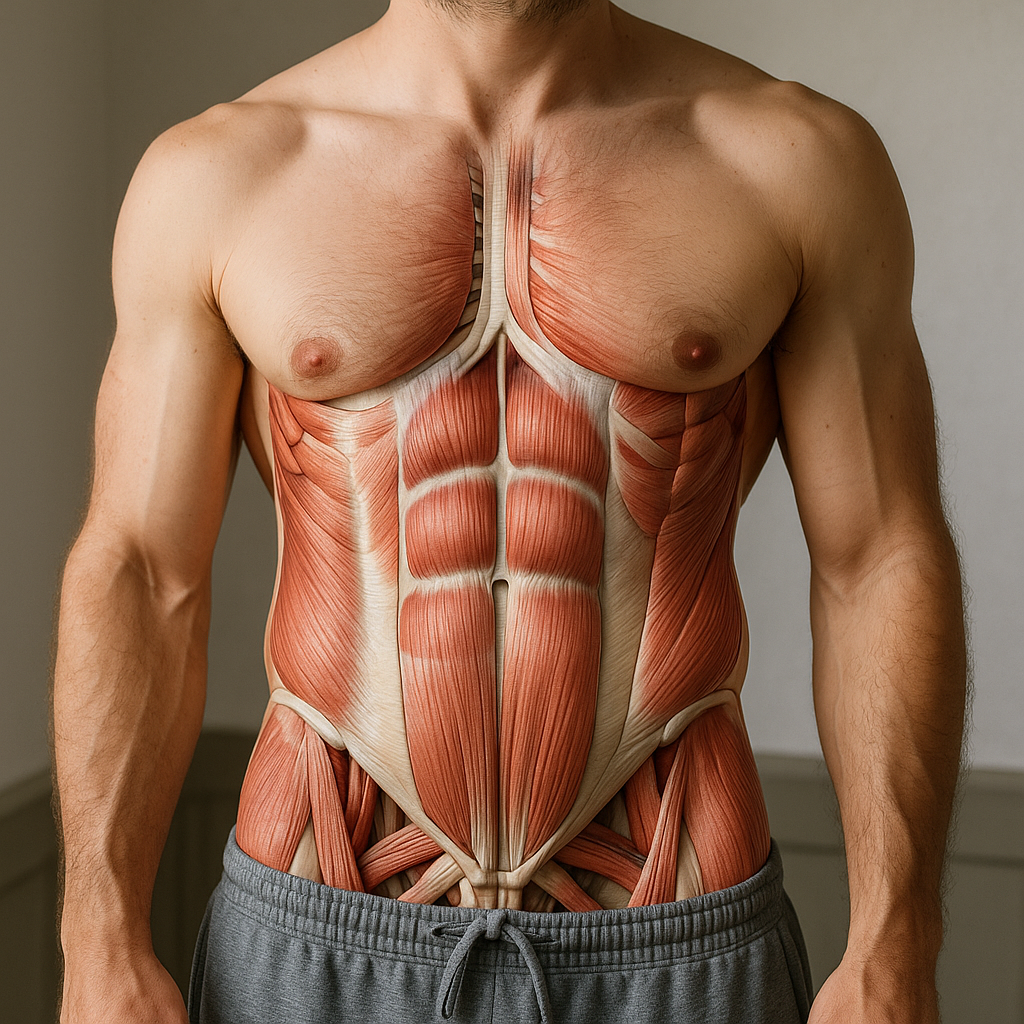
Quick recovery is the art of helping your body and mind bounce back faster after strain—whether that strain comes from a tough workout, a long shift on your feet, or eight hours in front of a screen. In a health and fitness context, it means reducing soreness, stiffness and fatigue while restoring your normal movement, energy and focus as efficiently as possible. Not through “miracle” shortcuts, but through smart habits that make recovery more consistent and less disruptive to your day.
Why does it matter? Because recovery is where progress happens. When you recover well, you can train again sooner, move with better quality, and keep everyday aches from turning into longer breaks from the things you enjoy. And you don’t need to be an athlete to benefit. If you carry kids, commute, lift boxes, stand at work, or sit in meetings, your body is still accumulating load. Quick recovery is simply a practical way to manage that load so you feel better today—and build resilience for tomorrow.
Why quick recovery feels harder in modern life
Many people do “all the right things” and still feel stuck with tight shoulders, a cranky lower back, or heavy legs. Often, the issue isn’t motivation—it’s friction in the routine. Sleep gets cut short, hydration becomes an afterthought, and stress keeps the nervous system switched on. Add long periods of sitting, repetitive movements, or poor lifting habits, and the body may stay in a constant state of low-grade tension.
Desk work is a perfect example. When you sit for hours, the body tends to drift into a forward head position, rounded shoulders, and a slumped mid-back. That posture can overload certain muscles while others “switch off,” which may leave you feeling sore or stiff even without intense exercise. Physically demanding jobs can create the opposite problem: lots of movement, but not always balanced movement—leading to tired joints and overworked tissues that need a smarter recovery plan.
The most common barriers to faster recovery
If you want quick recovery, it helps to know what typically slows it down:
- Inconsistent sleep that limits the body’s ability to repair and reset.
- Low hydration, which can affect circulation, energy and muscle function.
- High stress that keeps the body in “go mode” and makes it harder to relax.
- Poor posture and ergonomics that add extra strain during the very hours you’re supposed to be recovering.
The good news: you don’t need to overhaul your life to improve recovery. Small, targeted changes—especially around rest, movement, and how you hold your body during the day—can make recovery feel noticeably faster. Next, we’ll break down the most effective strategies you can start using right away.
Key strategies for quick recovery
When you want quick recovery, it helps to focus on the basics that have the biggest impact. Most people don’t need complicated routines. They need consistent habits that support tissue repair, calm the nervous system, and reduce the daily “wear and tear” that keeps soreness and stiffness hanging around.
Sleep and rest: where recovery actually happens
Sleep is one of the strongest predictors of how well you recover, because it’s when the body prioritises repair processes and resets many systems that influence energy, mood and pain sensitivity. If you regularly wake up feeling stiff or “not fully recharged,” it’s often less about willpower and more about sleep quality and consistency.
To improve sleep without turning it into a full-time project, start with a few high-return changes:
- Keep a consistent schedule by aiming for the same wake-up time most days, even on weekends.
- Reduce light and stimulation in the last hour before bed. Dim the room, limit scrolling, and keep the bedroom cool and dark.
- Support your body position with pillows so you’re not twisting through the spine or shrugging your shoulders all night. Side sleepers often do well with a pillow between the knees; back sleepers may benefit from a small pillow under the knees.
- Use short rest breaks strategically during the day. A 10–20 minute nap or a quiet “eyes closed” reset can reduce fatigue without disrupting nighttime sleep.
Hydration and nutrition: fuel repair and reduce inflammation
Hydration supports circulation, temperature regulation and muscle function. Even mild dehydration can make you feel more fatigued and may contribute to headaches and sluggish performance. A practical target is to drink regularly throughout the day rather than trying to “catch up” at night, and to include fluids around workouts or long shifts.
Nutrition matters just as much for quick recovery, especially when soreness is driven by training, repetitive tasks, or long hours on your feet. Focus on meals that combine protein (for muscle repair) with colourful plants (for antioxidants) and healthy fats (for inflammation balance). Helpful recovery-friendly options include:
- Omega-3 sources such as salmon, sardines, chia seeds, flaxseed and walnuts.
- Antioxidant-rich foods like berries, cherries, leafy greens, peppers and citrus fruits.
- Spices with anti-inflammatory potential such as turmeric and ginger, added to soups, smoothies or stir-fries.
- Balanced post-activity meals that include carbs (to replenish energy) alongside protein (to support muscle repair).
If you’re sore and under-fuelled, recovery often stalls. A simple improvement is to plan one reliable “recovery meal” you can repeat on busy days, such as yoghurt with berries and nuts, eggs with vegetables and whole-grain toast, or a rice bowl with fish/beans and mixed vegetables.
Active recovery: move to feel better faster
Complete rest can be useful after very intense effort or acute flare-ups, but for everyday stiffness, gentle movement is often the faster route. Active recovery increases blood flow, keeps joints moving, and helps the nervous system downshift from high tension. The goal is not to “train harder,” but to move in a way that feels easy and restores range of motion.
Good active recovery options include:
- 10–30 minutes of easy walking after work or the day after a workout.
- Light cycling or swimming at a conversational pace.
- Mobility work for hips, thoracic spine and shoulders, especially if you sit a lot.
- Stretching and yoga with an emphasis on slow breathing and relaxed effort.
If you’re short on time, try a “movement snack” every 60–90 minutes: stand up, roll the shoulders back, gently extend the upper back, and take a short walk to reset circulation.
Posture and ergonomics: stop slowing your recovery
Many people do the right recovery habits but then spend most of the day in positions that keep loading the same tissues. Poor posture and suboptimal ergonomics can maintain tension in the neck and shoulders, reduce comfortable breathing mechanics, and leave the lower back doing more work than it should. In other words, your recovery plan may be fighting your daily setup.
Start with simple posture wins that reduce strain without forcing a rigid “perfect posture”:
- Bring the screen to you so you’re not reaching the head forward. The top of the monitor should generally sit around eye level.
- Unround the shoulders by letting the chest open and the shoulder blades sit gently back and down, especially during typing.
- Use your chair and feet: sit back so the chair supports you, and keep feet flat (or on a footrest) to reduce lower-back strain.
- Change positions often. Even a good posture becomes a problem if you hold it for hours.
Ergonomic aids can also support quick recovery by reducing unnecessary load while you build better habits. For example, posture-supporting garments can provide gentle feedback that encourages a more aligned upper body during work, commuting or light activity. The key is to treat support as a tool: it should make it easier to move well and feel better, not replace movement, strength and regular breaks.

Men's Posture Shirt™ - Black
Improves posture and relieves tension or pain in the back, neck, and shoulders.

Women's Posture Shirt™ - Black
Supports improved posture and relief for tension or pain in back, neck, and shoulders.
Advanced tools for quick recovery
Once the fundamentals are in place—sleep, hydration, nutrition, movement, and better ergonomics—advanced recovery modalities can help you feel better faster between workouts and long days. The goal is not to “hack” the body, but to reduce soreness, improve comfort, and make it easier to return to normal movement with less friction.
Compression and support: improve comfort and reduce overload
Compression garments and supportive aids are often used to promote a feeling of stability and to support circulation in working muscles. Many people find that compression helps reduce the sensation of heavy legs after long periods of standing or walking, and can make post-activity soreness feel more manageable.
Support can also be useful when posture is part of the problem. If your shoulders round forward or your upper back collapses during desk work, the neck and upper back may stay “on” all day—making recovery harder even if you stretch and sleep well. In those cases, ergonomic aids such as posture-supporting garments can provide gentle feedback that encourages a more aligned position during low-intensity activities like working, commuting, or light household tasks. The best use is targeted and time-limited: use support to reduce unnecessary strain while you build strength, mobility, and better work habits.
Cold and heat therapy: choose the right tool for the right moment
Cold and heat are simple, accessible options that can complement quick recovery—especially when soreness and stiffness are the main issues.
- Cold therapy (cold showers, cold packs, or brief cold immersion) is often used after intense training or when tissues feel irritated. Many people use it to reduce the perception of soreness and to feel “refreshed” after hard effort.
- Heat therapy (warm showers, heating pads, warm baths) can be helpful when you feel tight, stiff, or guarded. Heat tends to feel best when the goal is relaxation and easier movement, particularly after long sitting or repetitive work.
- Contrast showers (alternating warm and cool water) are a practical middle ground for people who want a quick reset without committing to an ice bath.
A simple rule: if you feel “tight and stuck,” try heat and gentle movement. If you feel “hot, irritated, or inflamed,” cold may feel more appropriate. If pain is severe, persistent, or linked to injury, seek professional guidance rather than relying on temperature alone.
Massage and percussive devices: reduce tension and restore range
Massage—whether from a professional, a foam roller, a massage ball, or a percussive device—can support quick recovery by helping muscles relax and by making movement feel smoother. These tools are especially useful when you notice “hot spots” that stay tense, such as the upper traps, glutes, calves, or the muscles around the shoulder blades.
For best results, keep it brief and specific: 30–90 seconds per area, followed by gentle movement (like a short walk or a few mobility drills). The goal is not to chase pain, but to reduce guarding so you can move more comfortably afterward.
Mental recovery: the missing link in quick recovery
Physical recovery is strongly influenced by your nervous system. When stress stays high, the body can remain in a protective state—breathing becomes shallow, muscles stay tense, and sleep quality often drops. That combination can make soreness feel worse and slow the return to normal energy.
Two practical strategies that fit into busy days:
- Downshift breathing: inhale through the nose, exhale slowly, and make the exhale slightly longer than the inhale for 2–5 minutes. This can help reduce tension and improve body awareness.
- Micro-breaks with movement: every 60–90 minutes, stand up, roll the shoulders back, gently extend the upper back, and take a short walk. This supports circulation and gives the mind a reset.
When mental recovery improves, physical quick recovery often follows—because the body becomes better at relaxing, sleeping, and adapting to load.
Frequently Asked Questions
What are the fastest ways to recover from a workout?
Prioritise sleep, eat a balanced meal with protein and carbohydrates, rehydrate, and do light active recovery (like an easy walk). If you are very sore, brief heat or gentle self-massage can help you move more comfortably the next day.
How does posture affect recovery time?
Poor posture can keep certain muscles working overtime—especially in the neck, shoulders, and lower back—so tissues never fully “switch off.” Improving ergonomics and changing positions often reduces unnecessary load, which can make recovery feel faster and more consistent.
Can ergonomic aids really speed up recovery?
Ergonomic aids can support quick recovery by reducing strain during the hours you are not training—such as work, commuting, and daily tasks. They work best as a complement to movement, strength, and regular breaks, not as a replacement for them.
What role does diet play in quick recovery?
Diet provides the building blocks for repair and the energy needed to restore performance. Adequate protein supports muscle recovery, carbohydrates help replenish energy, and a diet rich in colourful plants and healthy fats supports overall recovery and wellbeing.
How can I incorporate quick recovery practices into a busy lifestyle?
Use a “minimum effective dose” approach: a consistent bedtime, a reliable recovery meal, 10–20 minutes of walking, and short movement breaks during the day. Small actions done daily usually outperform occasional long recovery sessions.
Källor
- Hearing Review. (n.d.). "Sudden Hearing Loss Patients Experience Fast Recovery."
- Signia. (n.d.). "Sudden Deafness."
- Harley Street Hearing. (n.d.). "Sudden Hearing Loss: Why Immediate Treatment is Critical."
- AudioNova. (n.d.). "Høretab."
- Delaware Hyperbarics. (n.d.). "Sudden Hearing Loss."
- Audika. (n.d.). "Behandling af Høretab."
- Hearing You. (n.d.). "Better Chance of Recovery from a Low-Frequency Sudden Hearing Loss."
- Hørebil. (n.d.). "Viden om Høretab."
- Treble Health. (n.d.). "Tinnitus Recovery Case Study."
- Aros Privathospital. (n.d.). "Hørenedsættelse."
- YouTube. (n.d.). "Sudden Hearing Loss Information."
- Sundhed.dk. (n.d.). "Hørenedsættelse."
- NCBI. (2016). "Sudden Sensorineural Hearing Loss: A Comprehensive Review of Pathophysiology and Treatment."
- Din Hørelse. (n.d.). "Hørelse og Høretab."
- YouTube. (n.d.). "Understanding Sudden Hearing Loss."