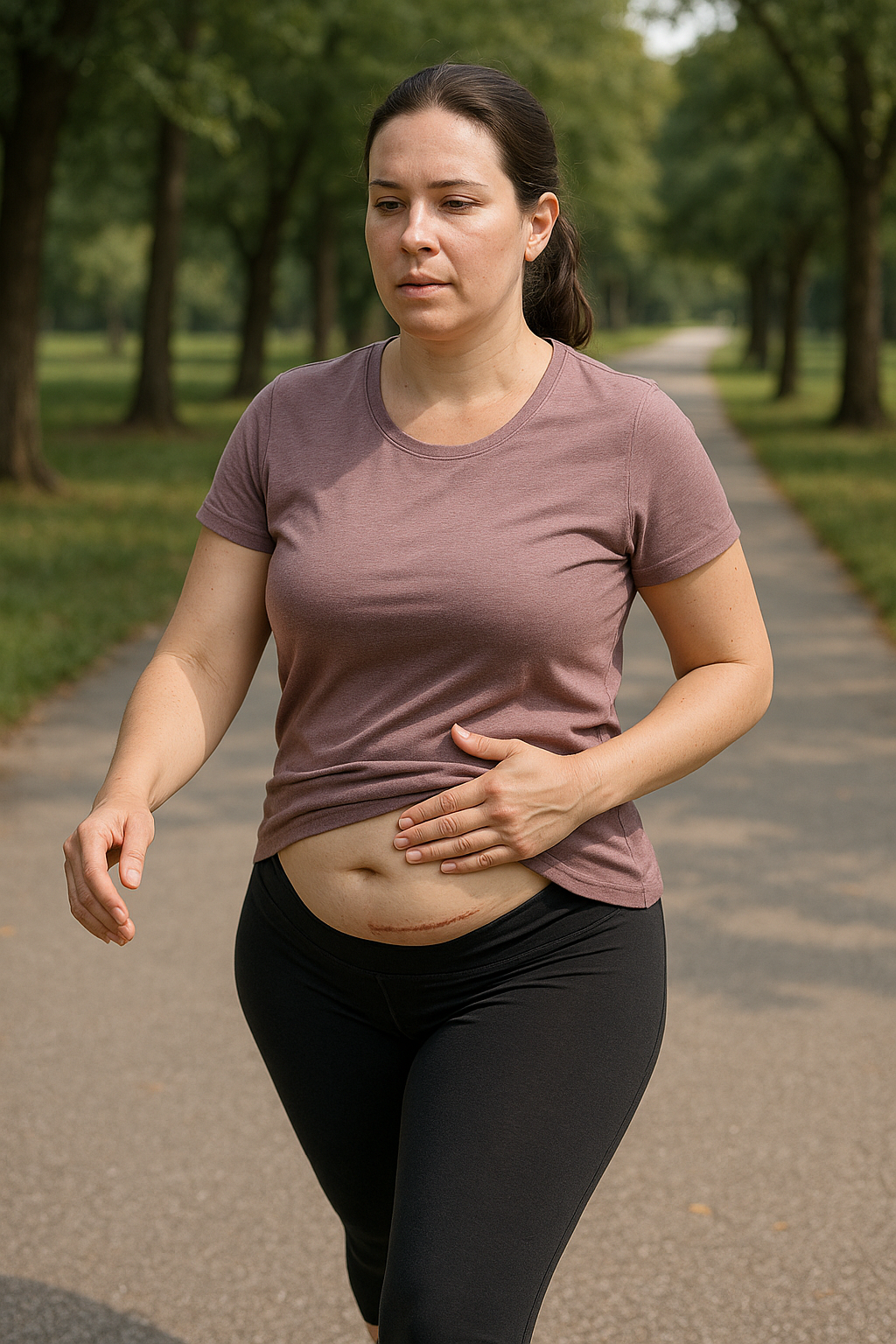
As we journey through life, maintaining an active lifestyle becomes increasingly important, especially as we age. Fitness for elderly individuals is not just a trend; it's a vital component of healthy aging. Staying active as we grow older helps preserve independence, enhance mobility, and improve overall quality of life. However, there are several misconceptions about fitness for older adults that can deter them from engaging in regular physical activity.
understanding fitness for older adults
One common misconception is that exercise is unsafe for seniors due to the risk of falls or injuries. In reality, a well-designed fitness program can significantly reduce these risks by improving balance, strength, and flexibility. Moreover, the benefits of maintaining an active lifestyle extend far beyond physical health. Regular exercise can boost mood, enhance cognitive function, and even delay the onset of chronic diseases such as diabetes and heart disease.
challenges and concerns
While the benefits of exercise are clear, many older adults face challenges and concerns that can make starting a fitness routine seem daunting. Fears about fall risks and injuries are common, but these can be mitigated with the right approach. It's crucial to start slowly and choose exercises that are appropriate for one's current fitness level. Additionally, overcoming psychological barriers, such as the belief that it's too late to start exercising, is essential for embracing a healthier lifestyle.
setting the stage for a healthier life
As we age, our focus shifts from aesthetics to functionality. Fitness for older adults emphasizes the four pillars of fitness: endurance, strength, balance, and flexibility. These components are crucial for maintaining independence and performing daily activities with ease. Endurance activities, like walking or swimming, improve cardiovascular health, while strength training helps preserve muscle mass. Balance exercises reduce fall risks, and flexibility routines keep joints healthy and mobile.
By understanding the importance of fitness for elderly individuals and addressing common concerns, seniors can unlock vitality and embrace a more active lifestyle at any age. The journey to better health and independence begins with small, manageable steps, paving the way for a future filled with energy and confidence.
the four types of exercise for older adults
Embracing a balanced fitness routine is crucial for elderly individuals to maintain vitality and independence. Four key types of exercise form the foundation of a well-rounded fitness regimen for seniors: endurance, strength, balance, and flexibility. Each type plays a unique role in supporting overall health and functionality as we age.
Endurance exercises such as walking, cycling, and swimming are essential for improving cardiovascular health. These activities enhance the body's ability to deliver oxygen to muscles, supporting heart health and increasing stamina. For seniors, even moderate-intensity endurance exercises can lead to significant improvements in energy levels and overall well-being.
Strength training is equally important, as it helps maintain muscle mass and bone density, both of which tend to decline with age. Utilizing resistance bands or performing bodyweight exercises can effectively build strength without the need for heavy equipment. Regular strength training not only supports daily activities but also reduces the risk of falls by enhancing stability and coordination.
Balance exercises are crucial for preventing falls, a common concern among older adults. Practices like tai chi or simple exercises such as standing on one leg can significantly improve balance and coordination. By incorporating these exercises into a routine, seniors can enhance their confidence and reduce the likelihood of falls, thus maintaining independence.
Flexibility exercises, including yoga and stretching, play a vital role in maintaining joint health and mobility. As we age, joints can become stiff, making it challenging to perform everyday tasks. Regular flexibility exercises help keep joints supple, improve posture, and reduce the risk of injury.
exercise recommendations for seniors
Leading health organizations such as the CDC, WHO, and NHS provide clear guidelines on exercise for older adults. Generally, seniors should aim for at least 150 minutes of moderate-intensity aerobic activity per week, or 75 minutes of vigorous activity. This can be broken down into manageable sessions throughout the week, making it easier to incorporate into daily routines.
In addition to aerobic activities, older adults should engage in muscle-strengthening exercises on at least two days per week. Balance and flexibility exercises should also be included multiple times per week to enhance overall physical function and prevent falls. Multicomponent activities, which combine different types of exercise, are particularly beneficial for comprehensive health benefits.
benefits of regular exercise
The advantages of maintaining a regular exercise routine are extensive. For seniors, regular physical activity can lead to improved mood, increased energy levels, and better sleep quality. Exercise is also linked to a reduced risk of chronic diseases such as cardiovascular disease, diabetes, and dementia. By enhancing mobility, posture, and overall strength, regular exercise contributes to a higher quality of life and prolonged independence.
getting started: fitness for beginners
Starting a fitness journey can be daunting, but it is important to begin with simple, manageable steps. For beginners, short walks, chair exercises, and gentle mobility routines are excellent starting points. As confidence and fitness levels improve, seniors can progress to more challenging activities such as using resistance bands or engaging in structured balance work.

Women's Posture Shirt™ - Black
Forbedrer din holdning, aktiverer muskler og kan aflaste smerter i nakke, skuldre og ryg.
Safety is paramount when starting a new exercise routine. Seniors should always warm up before exercising, progress gradually, and listen to their bodies to avoid overexertion or injury. Consulting with a healthcare provider or fitness professional can provide personalized guidance and ensure that the chosen activities are safe and effective.
By embracing a well-rounded fitness routine that includes endurance, strength, balance, and flexibility exercises, older adults can unlock vitality and enjoy a healthier, more active lifestyle. With the right approach, fitness for elderly individuals becomes a pathway to enhanced well-being and independence at any age.
adapting exercises for common limitations
As we age, certain physical limitations may arise, but they should not deter us from staying active. Adapting exercises to accommodate these limitations is crucial for maintaining fitness for elderly individuals. For those experiencing arthritis or joint pain, low-impact exercises such as swimming or cycling can be beneficial. These activities reduce stress on the joints while still providing cardiovascular benefits.
For individuals with reduced balance, seated workouts can be a safe and effective alternative. Chair exercises, such as seated leg lifts or arm curls with light weights, allow seniors to build strength without the risk of falling. Additionally, incorporating balance-enhancing activities like tai chi can gradually improve stability and confidence.
Chronic conditions might require tailored exercise strategies. It is essential to consult with healthcare providers to design a fitness plan that accommodates specific health needs, ensuring that exercise remains a safe and beneficial part of daily life.

Lumbar support belt
Justerbart lændebælte til støtte, smertelindring og stabilisering af lænden.
creating a simple weekly fitness plan
A structured fitness plan can help seniors stay on track and make exercise a regular part of their routine. A typical week might include a mix of endurance, strength, balance, and flexibility exercises. For example, seniors could start their week with a 30-minute walk on Monday, followed by strength training with resistance bands on Tuesday. Wednesday might focus on balance exercises, while Thursday could include a yoga session for flexibility.
Friday could be a rest day, allowing time for recovery. The weekend can be a mix of enjoyable activities such as cycling or swimming, promoting both physical health and social interaction. Adapting the plan based on individual abilities and health conditions is crucial for ensuring safety and effectiveness.
safety considerations and professional guidance
Safety should always be a top priority when engaging in physical activity. Recognizing warning signs such as chest pain, severe breathlessness, or dizziness is essential. If these symptoms occur, it is important to stop exercising immediately and seek medical advice.
Before starting a new exercise regimen, consulting with healthcare providers is advisable. They can offer personalized recommendations and ensure that the chosen activities align with the individual's health status. Professional support, such as working with a physiotherapist or certified trainer, can also provide valuable guidance and motivation.
helpful equipment for home exercises
Having the right equipment can enhance the effectiveness and safety of home workouts for seniors. Resistance bands are versatile tools that help build strength without the need for heavy weights. Stability balls can improve balance and core strength, while ergonomic aids like supportive chairs or cushions can make exercises more comfortable.
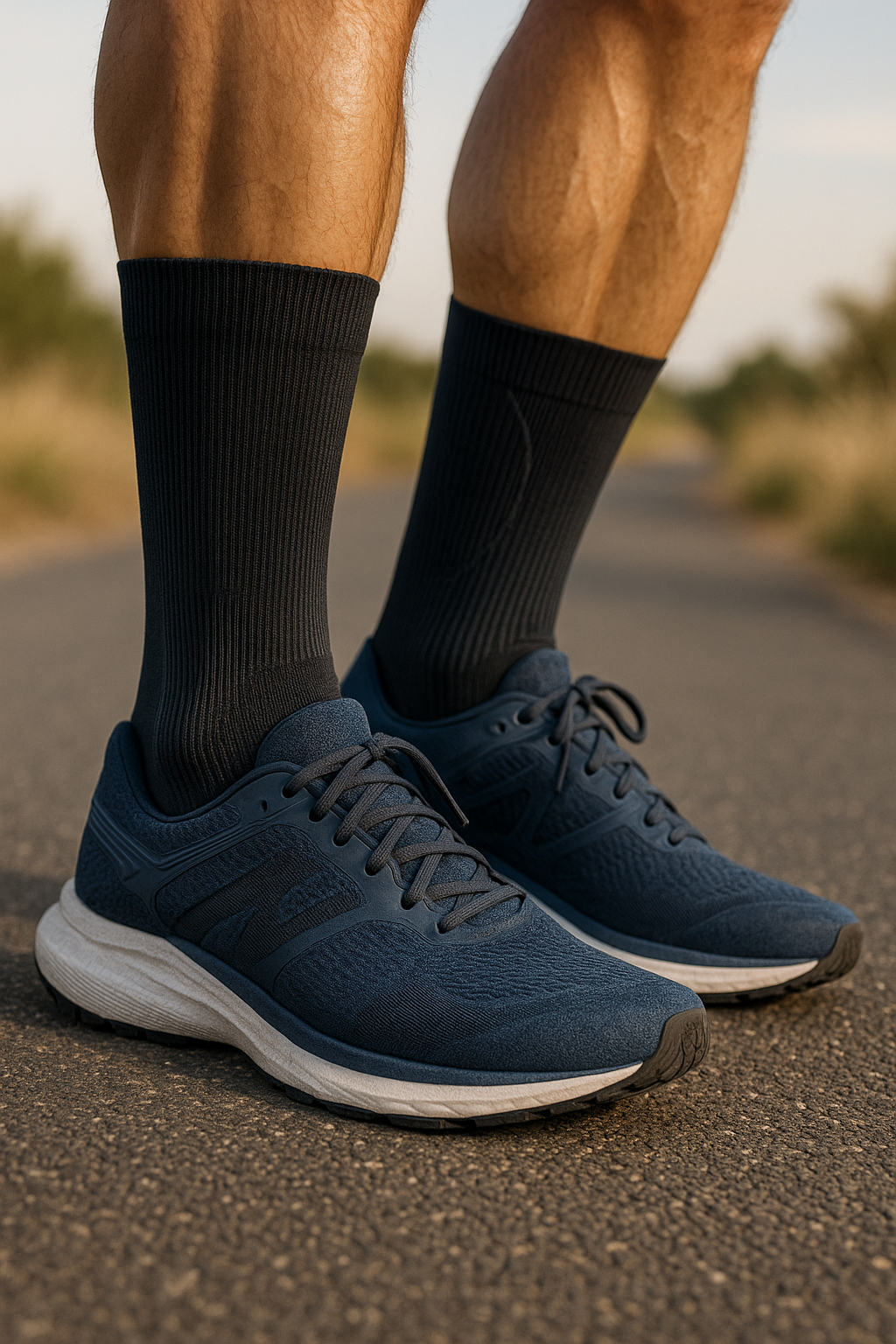
Creating a safe exercise environment at home is crucial. Ensure that the space is free of obstacles and that supportive footwear is worn to prevent slips and falls. Comfortable clothing that allows for a full range of motion is also important for a successful workout.
frequently asked questions
What is the best exercise for elderly people?
The best exercise for elderly individuals often includes a combination of aerobic, strength, balance, and flexibility exercises. Walking, swimming, and tai chi are excellent choices that cater to various fitness levels and health conditions.
How often should a 70-year-old exercise?
It is recommended that individuals aged 70 and above engage in at least 150 minutes of moderate-intensity aerobic activity per week, along with muscle-strengthening exercises on two or more days each week.
Is walking enough exercise for seniors?
While walking is an excellent form of aerobic exercise, it should be complemented with strength, balance, and flexibility exercises to ensure a well-rounded fitness routine.
What exercises improve balance in older adults?
Exercises such as tai chi, yoga, and simple balance activities like standing on one leg can significantly enhance balance and reduce the risk of falls.
Can elderly people do strength training?
Yes, elderly individuals can safely engage in strength training using resistance bands, light weights, or bodyweight exercises to maintain muscle mass and bone density.
What are the best chair exercises for seniors?
Chair exercises like seated leg lifts, arm curls, and seated marches are effective for building strength and flexibility without the risk of falls.
How can older adults exercise safely at home?
To exercise safely at home, seniors should create a clutter-free environment, use supportive footwear, and consider using equipment like resistance bands and stability balls. Consulting with a healthcare provider for personalized advice is also recommended.
Should older adults exercise if they have arthritis?
Yes, exercise can be beneficial for individuals with arthritis. Low-impact activities such as swimming or cycling can improve joint function and reduce pain. However, it is essential to consult with a healthcare provider to tailor exercises to individual needs.
Källor
- Centers for Disease Control and Prevention. "What Counts as Physical Activity for Older Adults?"
- Centers for Disease Control and Prevention. "Physical Activity Basics for Older Adults."
- Centers for Disease Control and Prevention. "Guidelines for Older Adults."
- American Academy of Family Physicians. "Exercise for Older Adults."
- Healthline. "Best Senior Workouts for Better Health."
- PubMed Central. "The Benefits of Physical Activity for Older Adults."
- World Health Organization. "Draft Guidelines on Physical Activity and Sedentary Behaviour."
- Healthdirect. "Physical Activity Guidelines for Older Adults."
- World Health Organization. "Physical Activity Fact Sheet."
- Elderly Health Service. "Tips About Planning Physical Activities Programme."
- NHS. "Physical Activity Guidelines for Older Adults."