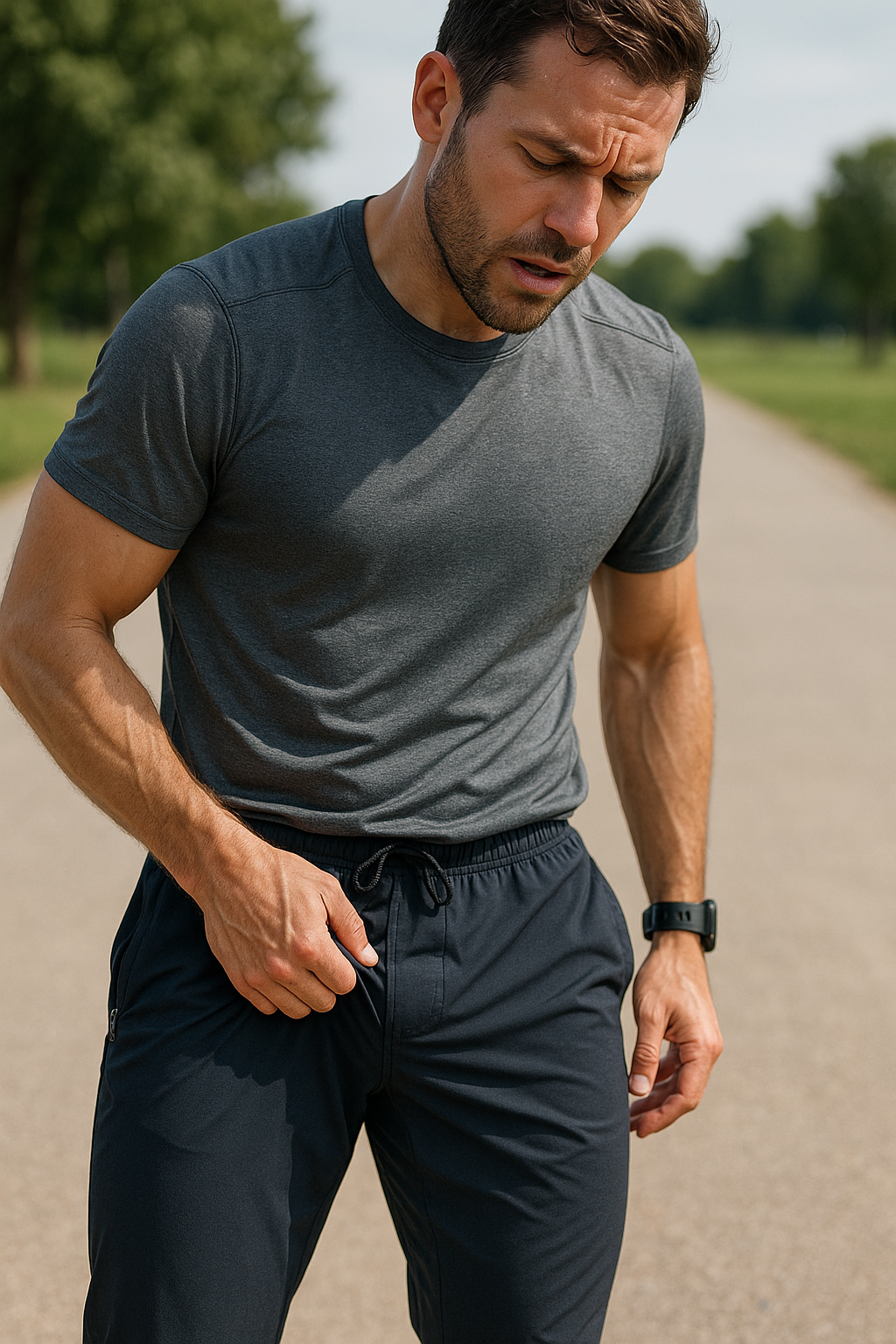
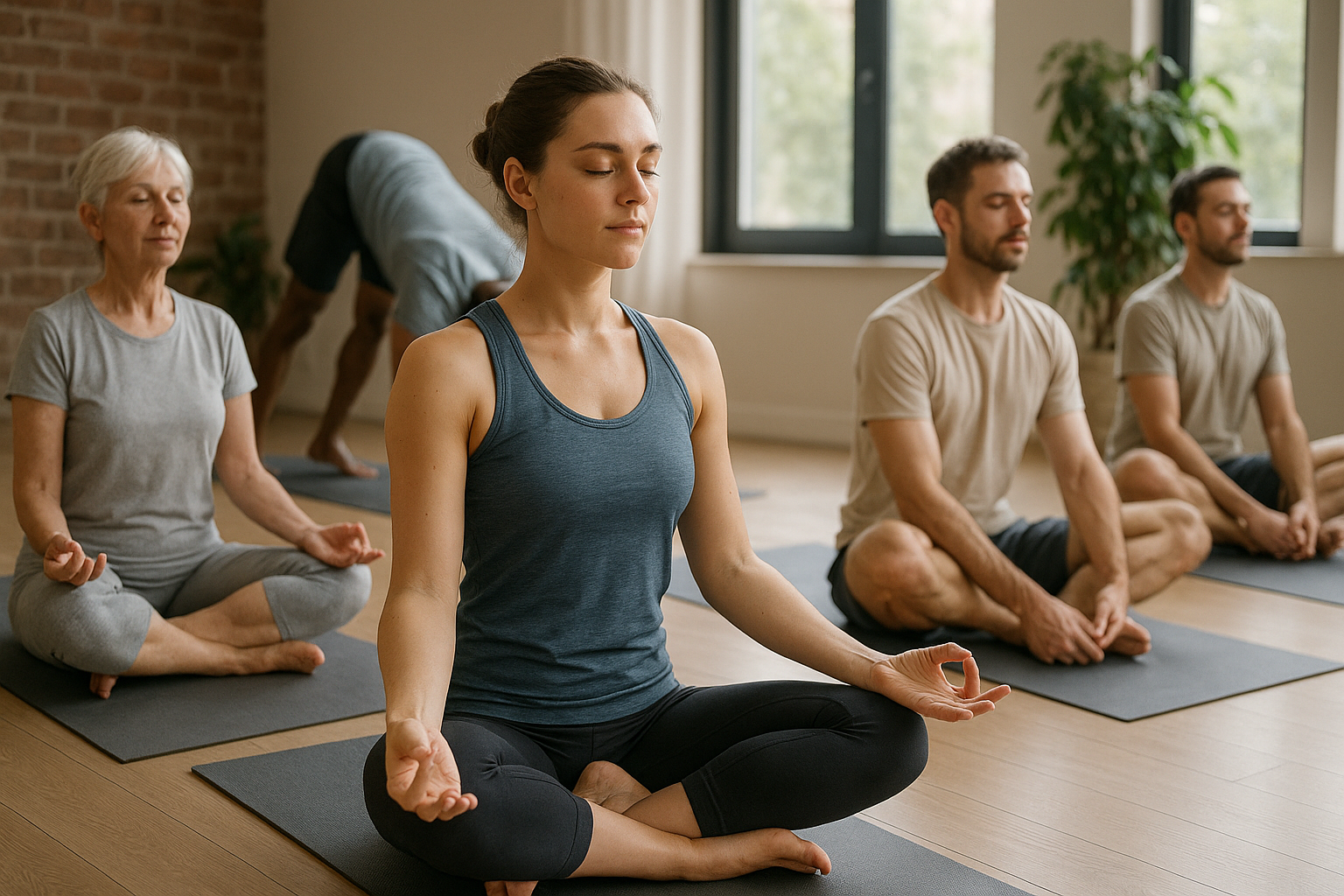
Most of us are chasing the same thing, even if we describe it differently: more energy, fewer aches, a clearer head, and the feeling that our body is working with us rather than against us. That’s why health and fitness has moved from being a “nice to have” to a lifestyle priority. It’s no longer only about training for a race or fitting into a certain size; it’s about building capacity for everyday life—carrying groceries without strain, sitting at a desk without stiffness, sleeping better, and showing up with more focus.
At the same time, the world around health and fitness has become louder and more commercial. Search results are packed with tools, marketing guides, keyword lists, and ads—often aimed at gyms, studios, and brands competing for attention. That’s not inherently a bad thing, but it does mean one thing for readers: you have to be selective. Health content sits in a YMYL category, where low-quality advice can have real consequences. Google’s emphasis on E-E-A-T (experience, expertise, authoritativeness, trustworthiness) reflects what you probably already feel intuitively: you want guidance that’s grounded, transparent, and practical—not hype.
Why credible health and fitness advice matters
When information is designed primarily to rank, convert, or sell, it can drift toward extremes: miracle routines, rigid rules, or one-size-fits-all plans. Credible guidance looks different. It acknowledges context (your schedule, injuries, stress, training history), focuses on sustainable habits, and avoids promising unrealistic outcomes. It also makes room for the less glamorous basics—sleep, recovery, progressive overload, mobility, and consistency—because those are the levers that actually move the needle.
For Anodyne readers, there’s another important layer: how your body feels while you train and while you live. Ergonomics, posture, and joint-friendly movement choices can be the difference between building momentum and getting stuck in a cycle of stop-start motivation. Feeling better is often the fastest path to doing more.

Men's Posture Shirt™ - Black
Improves posture, can relieve pain, and activates muscles. For work, exercise, and leisure.
What you’ll get from this guide
In the rest of this post, we’ll unpack how people can unlock their best selves through health and fitness with a clear-eyed look at what’s happening in the industry and what tends to work in real life. You’ll see how trends and search behavior shape the information you encounter, what data-driven strategies can reveal, and how to filter advice using trust signals that align with E-E-A-T. The goal is simple: help you make smarter choices—whether you’re rebuilding a routine, optimizing performance, or just trying to feel stronger and more comfortable day to day.
The health and fitness industry landscape
If you’ve ever searched health and fitness and felt like you landed in a sea of keyword tools, marketing guides, and agency playbooks, you’re not imagining it. The current search landscape is heavily shaped by businesses competing for attention in a high-value, high-scrutiny niche. Gyms, studios, wellness brands, and eCommerce companies are all trying to rank for the same terms, and that commercial pressure influences what gets published and what gets amplified.
That’s also why trust signals matter more here than in many other categories. Health content is held to a higher standard because poor advice can cause real harm. In practice, that means the most visible pages often come from established platforms that can demonstrate authority, strong editorial processes, and a history of reliable content. For readers, the takeaway is simple: popularity isn’t the same as quality. Look for clear authorship, transparent claims, and guidance that respects individual differences (injury history, training age, and medical context).
From a business perspective, the same reality creates a clear playbook: authority building wins. High-quality backlinks from relevant health and wellness sites tend to matter more than sheer volume, and content that earns links is usually content that adds something new—original research, expert-led explanations, or genuinely useful tools. In other words, the industry rewards depth and credibility, not just catchy headlines.
Keyword insights and trends shaping what you see online
Search behavior gives a useful snapshot of what people and businesses are trying to solve. Keyword data shows that many high-volume terms are closely tied to services and locations (gyms, centers, classes), which reinforces the commercial intent behind a lot of health and fitness searches. Here’s a sample of commonly searched terms and what they suggest about demand:
| Keyword | Global monthly searches | CPC |
|---|---|---|
| Fitness centers | 159,800 | $2.70 |
| Physical fitness | 146,700 | N/A |
| Health and fitness | 75,600 | $1.38 |
Two practical insights come from this. First, high search volume often correlates with competitive content, which is why many top-ranking pages lean on strong domain authority and link profiles. Second, some terms show relatively low keyword difficulty (often around 4–5 in common SEO tools), which can create opportunities for newer brands or niche publishers to compete—especially when they publish content that’s more specific and more helpful than generic listicles.
For readers, this explains why you’ll see a lot of “best” lists, comparison pages, and location-based results: they match what people are searching for and what advertisers pay for. If your goal is personal progress, you can still use this ecosystem to your advantage by searching more precisely (for example, adding terms like beginner, low impact, joint-friendly, posture, or desk job) to surface guidance that fits your real needs.
Expanding beyond fitness into wellness
Another trend shaping modern health and fitness content is the expansion into broader wellness. Search demand for wellness-related terms is massive, with wellness reaching around 673,000 global monthly searches and health and wellness around 40,500. That shift reflects how people actually live: training is only one lever, and results are often limited by sleep, stress, pain, and recovery.
This broader framing can be helpful when it leads to more complete guidance—like combining strength training with mobility work, or pairing cardio goals with sleep routines. But it can also blur the line between evidence-based habits and vague promises. A useful filter is to ask: does the advice tell you what to do, how to do it safely, and how to measure progress? Or does it rely on buzzwords without clear actions?
For Anodyne readers, wellness also connects directly to comfort and consistency. If your back tightens up after long sitting, or your wrists and shoulders complain during home workouts, that’s not a motivation problem—it’s a setup and movement problem. Ergonomic choices (desk height, screen positioning, supportive seating, and joint-friendly exercise variations) can reduce friction so you can keep showing up. And in health and fitness, showing up consistently is often the most underrated advantage you can build.
Program-specific searches that turn interest into action
Broad searches like health and fitness can be competitive and often skew toward industry tools and marketing content. But when people are ready to act, they tend to search for specific formats, classes, and locations. That is where program-specific keywords matter—because they reflect intent that is closer to a real decision.
Examples of high-demand program queries include hiit workouts (71K monthly searches), yoga classes near me (33K), and pilates classes near me (30K). These searches are less about general inspiration and more about finding a practical next step: a class time, a studio, a plan, or a coach. For gyms and studios, this is a direct client acquisition opportunity. For readers, it is also a reminder that the most effective routine is often the one you can access consistently—nearby, affordable, and aligned with your body and preferences.
If you are choosing between formats, use a simple decision filter: what can you do 2–4 times per week without aggravating pain or creating excessive fatigue? HIIT can be efficient and motivating, but it can also be high impact. Yoga and Pilates can build control, mobility, and strength endurance, but progress still requires structure and progression. The best choice is the one that matches your current capacity and supports steady attendance.
Local and class-based strategies for finding the right fit
Local searches are powerful because they reduce friction. If you are trying to build momentum, convenience is not a luxury; it is a success factor. When evaluating options that show up for class-based searches, look beyond the headline promise and check for signals of quality and safety:
- Clear coaching standards: instructors who explain regressions, progressions, and technique, not just intensity.
- Beginner pathways: structured onboarding, intro sessions, or fundamentals classes.
- Injury-aware programming: guidance for knees, back, shoulders, wrists, and common overuse issues.
- Measurable progression: a plan that evolves over weeks, not random workouts.
For Anodyne readers, comfort is a practical performance tool. If your wrists flare up during planks, your lower back tightens during deadlifts, or your neck gets tense during cycling, it is worth adjusting setup and exercise selection rather than forcing through. Small ergonomic changes—like improving desk posture between sessions, using supportive equipment, or choosing joint-friendly variations—can increase training consistency, which is often the real driver of results in health and fitness.

Women's Posture Shirt™ - White
Supports posture and muscle activation. Can relieve pain and is ideal for both sitting and activity.
Market growth and what it means for content quality
The business side of health and fitness is expanding quickly, including online offerings. The U.S. fitness market is projected to reach $35 billion, with the online segment expected to grow at a 33.1% annual rate through 2028. As more brands compete for attention, you will likely see more content designed to rank and convert, not necessarily to educate.
This is where E-E-A-T becomes more than an SEO acronym. In a YMYL category, trust is a safety feature. When you read advice, look for transparent authorship, clear boundaries (what the program can and cannot do), and guidance that encourages appropriate professional support when needed. Be cautious with content that promises rapid transformations, dismisses recovery, or treats pain as a badge of honor.
For businesses publishing in this space, competitor analysis can help raise the bar. Using SERP competitor templates to map what top pages cover—and what they miss—often reveals gaps worth filling: beginner-friendly progressions, technique explainers, recovery protocols, and ergonomics-focused training guidance. Content that answers real questions with clarity tends to earn trust, links, and long-term visibility.
Frequently Asked Questions
What are the key factors to consider when starting a health and fitness journey?
Start with realistic goals, a plan you can follow consistently, and a baseline that matches your current capacity. Prioritize good technique, gradual progression, and recovery (sleep, rest days, and nutrition basics). If you have pain, medical conditions, or a history of injury, consider professional guidance to choose safe starting points.
How can I ensure the information I consume about health and fitness is credible?
Look for content that demonstrates E-E-A-T: clear authorship and qualifications, transparent claims, practical guidance, and an evidence-informed approach that avoids extreme promises. Credible content also acknowledges individual differences and encourages readers to seek medical or professional support when appropriate.
What are some effective strategies for improving fitness SEO?
Focus on helpful, original content that answers specific questions, supported by strong on-topic backlinks and clear site structure. Use data-driven keyword selection (including long-tail and local intent terms), publish expert-led explanations, and update content to reflect current best practices in a YMYL niche.
How can businesses in the health and fitness industry leverage SEO to grow?
Optimize for high-intent searches such as class formats and near me queries, strengthen authority with relevant backlinks, and build local visibility with accurate listings and location pages. Pair keyword targeting with content that reduces buyer uncertainty—clear pricing, schedules, coaching standards, and beginner pathways—so search traffic can convert into real clients.
Källor
- Uniministry. (n.d.). "The Fundamentals of Health and Fitness: A Holistic Approach."
- Ritzau. (2023). "Nu begynder Danmarks største måling af bevægelse."
- Wikipedia. (n.d.). "Health and Fitness."
- OPT. (n.d.). "Difference Between Fitness and Health."
- ScienceDaily. (n.d.). "Fitness News."
- Inspire Health Services. (n.d.). "Fitness vs Health: What's the Difference and Why It Matters."
- Nedergaard, A. (n.d.). "Børn og Unge i Motionscentre."
- PMC. (2020). "Article on Health and Fitness."
- Visbody. (n.d.). "Unbalanced Shoulders: How to Correct High and Low Shoulder Alignment."
- Les Mills. (n.d.). "Health Myths."
- Sopwell House. (n.d.). "Fascinating Fitness Facts That Could Boost Your Health."
- NIB. (n.d.). "10 Fitness Facts You Didn't Know."