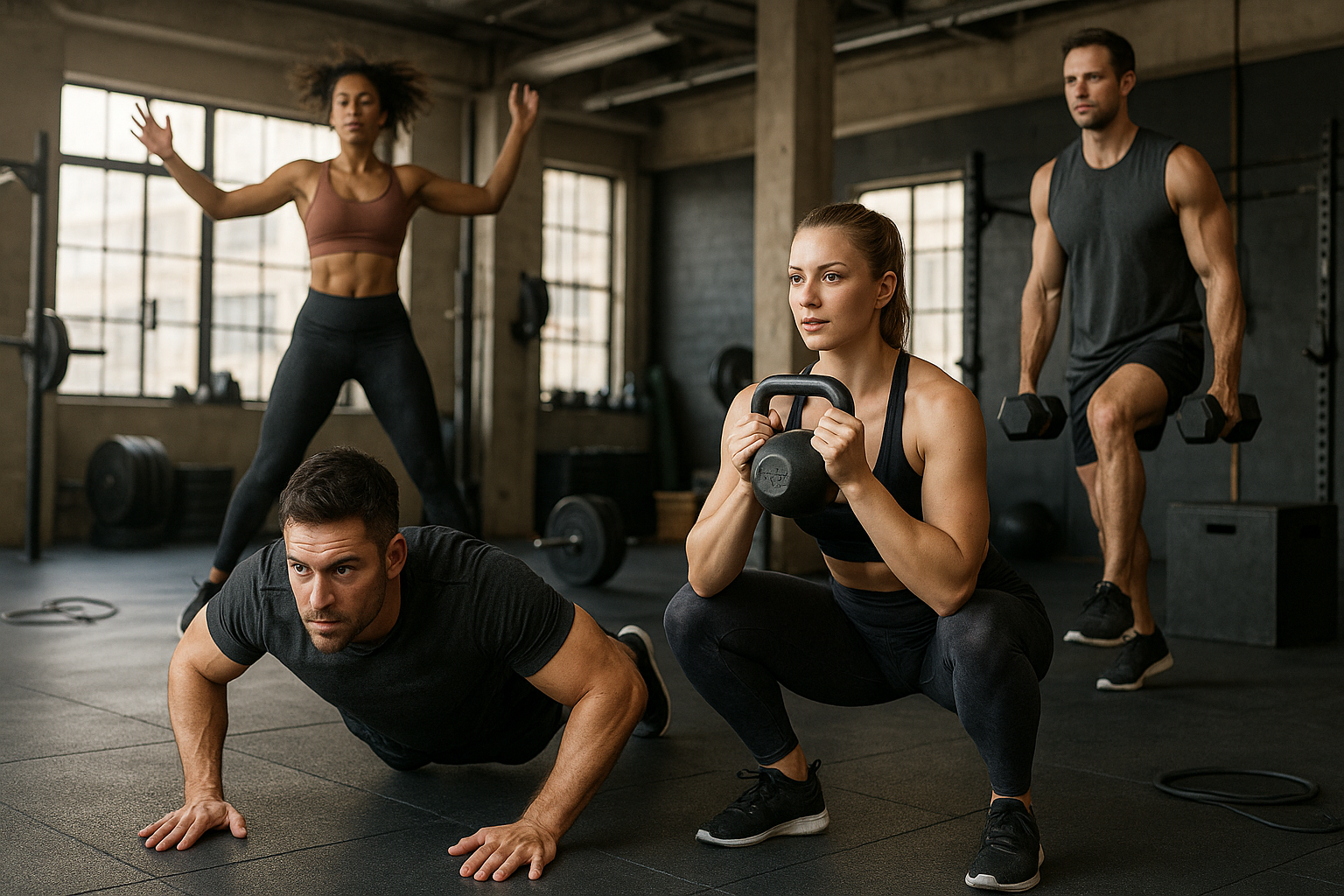
Functional training programs are revolutionizing the way we think about fitness by focusing on exercises that replicate everyday activities and engage multiple muscle groups. Unlike traditional training methods that often isolate specific muscles, functional training is designed to improve real-life performance, enhance mobility, and prevent injuries. This approach is relevant for a wide range of individuals, from athletes aiming to boost their performance to older adults looking to maintain independence and quality of life.
Understanding functional training
At its core, functional training is about mimicking the movements we perform in our daily lives. Whether it's squatting to pick up a heavy box, bending to tie a shoe, or twisting to reach for something on a high shelf, these exercises are crafted to enhance the efficiency and safety of such actions. By engaging multiple muscle groups simultaneously, functional training helps build comprehensive strength and coordination, making everyday tasks easier and reducing the risk of injury.
Why functional training matters
The benefits of functional training extend beyond the gym. For many, it translates into improved performance in daily activities like lifting groceries, climbing stairs, or playing with children. This type of training promotes independence and a higher quality of life, particularly for older adults who wish to remain active and self-sufficient. Moreover, for athletes, functional training supports enhanced athletic performance by reducing injury risk and improving movement efficiency.
The growing popularity of functional training programs
In recent years, there has been a noticeable shift in the fitness world from isolated exercises to routines that focus on movement patterns and holistic fitness. This trend highlights the increasing awareness of the importance of movement quality and the benefits of functional training programs. As more people seek to improve their overall health and physical capabilities, functional training is becoming a cornerstone of modern fitness regimens.
Whether you're looking to enhance your athletic prowess or simply want to move more comfortably and confidently in your everyday life, a functional training program can offer numerous advantages. By focusing on comprehensive, movement-based exercises, these programs provide a practical approach to achieving a balanced and effective fitness routine.
Core principles of functional training programs
Functional training programs are grounded in a few essential principles that differentiate them from traditional fitness routines. At the heart of these programs are movement patterns that replicate real-life actions. Key movements include squats, lunges, hinges, pushes, pulls, rotations, and carries. These patterns are not only practical for everyday tasks but also engage multiple joints and muscle groups, promoting overall strength and coordination.
Compound movements are another cornerstone of functional training. Unlike isolated exercises that target a single muscle, compound movements involve several muscle groups and joints, providing a more comprehensive workout. This approach not only builds strength but also enhances balance, stability, and coordination, which are crucial for preventing injuries.
Progressive overload is a fundamental principle in functional training. It involves gradually increasing the difficulty of exercises to continually challenge the body, thereby improving strength and endurance over time. This can be achieved by adding weights, increasing repetitions, or incorporating more complex movements.
Designing a functional training program
Creating an effective functional training program requires careful planning and consideration of several key components. A well-rounded program typically begins with a warm-up that includes dynamic stretches and mobility exercises to prepare the body for the workout ahead.
The main workout often features circuit training with compound exercises that target various movement patterns. This structure not only keeps the sessions engaging but also ensures a balanced development of strength and agility. To conclude, a cool-down phase with static stretching and relaxation techniques helps to aid recovery and prevent muscle soreness.
When programming a functional training regimen, it's essential to consider frequency, rest, and adaptability. Training at least two to four times per week is recommended to see significant improvements while allowing adequate rest and recovery between sessions. Moreover, exercises should be adaptable to individual needs and capabilities, ensuring that everyone, regardless of fitness level, can participate and benefit.
Functional training for different populations
Functional training offers tailored benefits for various populations. For older adults, maintaining the ability to perform activities of daily living (ADL) is crucial. Functional exercises for this group focus on enhancing balance, stability, and coordination, which are vital for reducing fall risk and maintaining independence.
Athletes, on the other hand, can use functional training to improve sport-specific movements. By incorporating agility, speed, and power drills, athletes can enhance their performance on the field while minimizing injury risk. This targeted approach ensures that training is aligned with the demands of their respective sports.
Functional training vs. traditional training
While both functional and traditional training have their merits, functional training is particularly beneficial for promoting everyday functionality and injury prevention. By focusing on multi-joint, multi-muscle movements, functional training prepares the body for the physical challenges of daily life.
In contrast, traditional training often emphasizes isolated exercises that target specific muscles. While this can be effective for building muscle mass, it may not provide the same level of practical strength and coordination needed for real-life activities. Ultimately, incorporating elements of both training styles can lead to a well-rounded fitness routine that supports overall health and functionality.
Advanced functional training techniques
To elevate your functional training program, incorporating various equipment and techniques can provide targeted improvements and keep your workouts dynamic. Tools such as kettlebells, resistance bands, and medicine balls are excellent for enhancing strength and stability. These pieces of equipment allow for a wide range of movement-specific exercises that can be tailored to your fitness level and goals.
For example, kettlebells can be used for exercises like swings and Turkish get-ups, which improve core strength and coordination. Resistance bands are versatile for adding intensity to squats, lunges, and presses, while medicine balls are perfect for dynamic movements like slams and rotational throws. By integrating these tools, you can progress or regress exercises to match your current capabilities, ensuring continuous improvement and reducing the risk of plateauing.
Real-life applications and benefits
The true value of a functional training program lies in its practical application to daily life. Whether it's lifting groceries, climbing stairs, or carrying loads, these exercises enhance your ability to perform everyday tasks with ease and confidence. Improved posture and back comfort are additional benefits, as functional exercises strengthen the core and promote proper alignment.

Lumbar support belt
Provides adjustable support for lower back relief, suitable for daily activities or sitting.
For instance, regularly practicing squats and deadlifts can make bending and lifting less strenuous, while exercises focusing on balance and stability can aid in navigating uneven surfaces or recovering from stumbles. These real-life applications not only boost physical health but also contribute to a greater sense of independence and self-reliance, particularly for older adults.

Women's Posture Shirt™ - Black
Supports better posture, relieves pain, and improves muscle activation for daily life and training.
Frequently asked questions
What is functional training best for?
Functional training is best for improving daily life movements, enhancing athletic performance, and preventing injuries. It focuses on exercises that mimic everyday activities, making it practical for a wide range of individuals.
How do I start a functional training program?
Begin with basic movement patterns such as squats, lunges, and pushes. Gradually incorporate more complex exercises as you build strength and confidence. It’s advisable to seek guidance from a fitness professional to tailor a program to your specific needs.
Can functional training replace traditional strength training?
Functional training can complement traditional strength training by providing a more holistic approach to fitness. While it offers unique benefits in terms of mobility and real-life application, combining both styles can lead to a well-rounded routine.
Is functional training suitable for all ages?
Yes, functional training is adaptable for different age groups and fitness levels. It can be modified to suit the needs of older adults, athletes, and beginners, making it accessible and beneficial for everyone.
What equipment is needed for functional training?
Functional training requires minimal equipment, but tools like kettlebells, resistance bands, and stability balls can enhance your workouts. These items allow for a variety of exercises that target different muscle groups and movement patterns.
Källor
- Cleveland Clinic. ”Functional Strength Training: What It Is and How It Benefits You.”
- National Academy of Sports Medicine. ”Functional Training: Compound Workouts.”
- Everyday Health. ”A Guide to Functional Strength Training.”
- BetterMe. ”Functional Training Workout Plan.”
- Men's Fitness. ”Functional Training Plan.”
- Nike. ”What Is Functional Training?”
- Primal Play. ”7 Benefits of Functional Training.”
- Load Muscle. ”Functional Fitness Guide.”
- The 55 Fitness. ”Functional Training Plan for Beginners.”
- Strength Wise Barbell. ”Guide to Functional Strength Training.”
- Men's Health. ”Functional Strength Training.”
- Anytime Fitness. ”What Is Functional Training?”
- Planet Fitness. ”Functional Fitness Training.”
- National Center for Biotechnology Information. ”Functional Training and Its Impact on Health.”
- National Center for Biotechnology Information. ”Functional Fitness: Applications and Benefits.”
- SignatureMD. ”The Benefits of Functional Fitness for Everyday Life.”
- GORUCK. ”Functional Fitness.”
- Healthline. ”Functional Fitness for Adults.”
- WebMD. ”How to Exercise with Functional Training.”