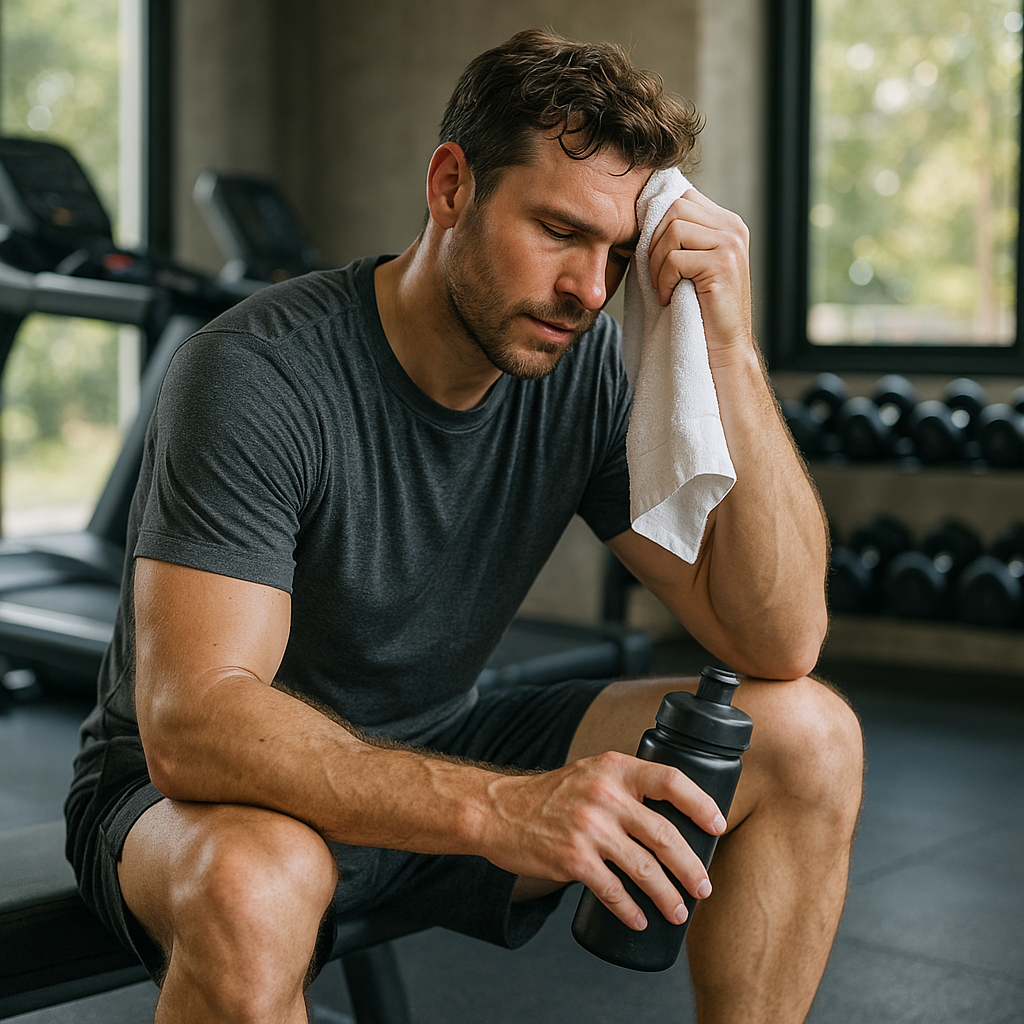
In recent years, there has been a significant surge in interest surrounding fitness programs specifically tailored for women. This growing trend highlights the importance of personalized approaches to achieving optimal health and fitness. Women often face unique challenges when it comes to maintaining a consistent fitness routine, balancing work, family responsibilities, and personal time. As a result, the demand for fitness solutions that cater to these specific needs has never been higher.
understanding fitness program needs for women
Fitness programs designed specifically for women are gaining traction as they address diverse needs such as age-specific workouts, muscle building, and overall health improvement. These programs recognize that a balanced routine is essential, incorporating elements of strength training, cardiovascular exercises, flexibility, and recovery. By focusing on these core components, women can achieve a more comprehensive approach to fitness, enhancing both physical and mental well-being.
Strength training is particularly important as it helps in building muscle mass, improving bone density, and increasing metabolism. Cardio exercises, on the other hand, play a crucial role in maintaining heart health and aiding weight management. Flexibility exercises enhance range of motion and reduce the risk of injuries, while recovery practices ensure that the body gets ample time to heal and rejuvenate.
importance of customization in fitness programs
One of the key aspects of an effective fitness program for women is customization. A one-size-fits-all approach is often ineffective, as individual goals, fitness levels, and lifestyles vary greatly. Customizing a fitness program allows women to focus on their specific objectives, whether it's weight loss, muscle toning, or improving endurance. By tailoring workouts to fit personal preferences and schedules, women are more likely to stay committed and motivated.
Customization also involves adjusting the intensity and frequency of workouts based on individual capabilities. For instance, a beginner might start with low-impact exercises and gradually increase the intensity as their fitness level improves. Similarly, women over 40 might focus on functional strength and bone health, incorporating exercises that enhance balance and mobility.
In conclusion, the ultimate fitness program for women is one that acknowledges and adapts to their unique needs and challenges. By embracing a personalized approach, women can unlock their full potential, achieving not only their fitness goals but also a healthier, more balanced lifestyle.
exploring types of fitness programs available for women
When it comes to fitness programs for women, there is a vast array of options to suit different preferences and goals. Free training plans are a popular choice, offering structured routines with detailed exercises, sets, repetitions, and weekly schedules. These plans often provide a solid foundation for those looking to start their fitness journey without financial commitment.
For beginners or those seeking general health improvements, health and beginner guides offer a gentle introduction to fitness. These guides typically emphasize cardio, strength, and mobility exercises, making them accessible and manageable for those new to exercise. They focus on establishing a consistent routine while gradually building strength and endurance.
Age or goal-specific programs cater to more precise needs, such as women over 40 or those aiming for muscle building. These programs take into account the unique physiological changes and requirements of different life stages, ensuring exercises are safe and effective. For example, programs for women over 40 often emphasize bone health, balance, and functional strength.
In the digital age, commercial programs and apps have gained popularity. These paid platforms offer personalized coaching, progress tracking, and community support, providing an engaging and interactive fitness experience. Apps can be particularly beneficial for those who prefer guided workouts and need flexibility in their schedules.
core components of an effective fitness program
An effective fitness program for women incorporates several core components. General activity recommendations, such as those from WebMD, suggest at least 150 minutes of moderate activity weekly, complemented by strength training sessions twice a week. It's crucial to train all major muscle groups, including legs, hips, back, chest, shoulders, arms, and abdomen, to ensure a well-rounded fitness regimen.
Progressive overload and recovery are fundamental principles in any fitness program. Progressive overload involves gradually increasing the intensity of workouts by adding more repetitions, heavier weights, or additional sets. This approach ensures continuous improvement and prevents plateaus. Equally important is recovery, which allows muscles to repair and grow stronger. Incorporating rest days and varying workout intensity can prevent overtraining and reduce injury risk.
Weekly structure variations offer flexibility to accommodate different lifestyles and goals. Programs can range from 2-day to 6-day schedules, each with its own benefits. A 2-day program might suit those with limited time, focusing on full-body workouts. Meanwhile, a 5-6 day program can provide more targeted sessions, allowing for greater specialization and progress in specific areas.
considerations for women over 40
Women over 40 have unique fitness considerations that should be addressed in any program. Emphasizing functional strength helps maintain independence and improve daily activities. Exercises that promote bone health, such as weight-bearing and resistance training, are crucial for preventing osteoporosis. Additionally, balance and mobility exercises can enhance stability and reduce the risk of falls.
Tailored progression is essential for women in this demographic. Starting with lower intensity and gradually increasing the challenge ensures that workouts remain safe and effective. Listening to the body and adjusting the program as needed is key to sustaining a long-term fitness routine.
In conclusion, the diversity of fitness programs available for women allows for a personalized approach that caters to individual needs and goals. Whether through free plans, beginner guides, age-specific programs, or digital platforms, finding the right fit is crucial for achieving and maintaining optimal health and fitness.

Women's Posture Shirt™ - Black
Patented posture shirt designed to support, stimulate muscles, and improve posture for women during activity or rest.
practical tips for customizing your fitness program
When embarking on a fitness journey, choosing the right program is crucial to achieving your goals. Consider factors such as personal objectives, time availability, fitness level, and any physical limitations. This thoughtful approach ensures that the program aligns with your lifestyle and enhances your commitment to staying active.
Integrating ergonomics and everyday functionality into your routine can significantly impact your overall well-being. Focus on exercises that enhance daily movements, reduce fatigue, and prevent injuries. This approach not only improves fitness but also supports a more active and pain-free lifestyle.

Lumbar support belt
Adjustable lower back belt to support, stabilize, and relieve pain during daily or active routines.
addressing common concerns
Setting realistic program expectations is essential for long-term success in any fitness endeavor. Manage expectations by setting achievable goals and celebrating small victories along the way. This mindset fosters motivation and persistence, ensuring steady progress.
Incorporating flexibility and cardio into your routine is vital for overall health. Flexibility exercises improve range of motion and reduce injury risk, while moderate cardio enhances cardiovascular health and aids in weight management. Balancing these elements with strength training creates a comprehensive fitness program.
frequently asked questions
What is the best fitness program for women?
The best fitness program for women is one that is tailored to individual needs and goals. It should include a balance of strength training, cardio, flexibility, and recovery, allowing for customization based on personal preferences and lifestyle.
How many days a week should women train?
The ideal training frequency varies depending on individual goals and schedules. A typical recommendation is 3-5 days a week, balancing different types of workouts. However, even 2 days of focused training can be effective for those with limited time.
Can women achieve results with home workouts?
Yes, women can achieve excellent results with home workouts. With the right exercises and minimal equipment like resistance bands or dumbbells, home routines can effectively build strength and improve fitness levels.
What exercises are best for beginners?
Beginner-friendly exercises include bodyweight squats, push-ups, lunges, planks, and seated rows. These exercises are easy to perform, require minimal equipment, and help build a strong foundation for more advanced routines.
How should women over 40 approach fitness?
Women over 40 should focus on exercises that enhance functional strength, bone health, and balance. Incorporating weight-bearing exercises and flexibility routines is crucial for maintaining mobility and preventing injuries.
How can cardio and strength training be combined effectively?
Combining cardio and strength training can be achieved by alternating between the two in your weekly routine or incorporating circuit training, which blends both elements in a single session. This approach maximizes benefits and keeps workouts engaging.
Källor
- UCHealth. (n.d.). ”What Women Need to Know About Strength Training.”
- University of Maryland Medical System. (n.d.). ”Strength Training for Women.”
- Mayo Clinic Staff. (n.d.). ”Strength Training: Get Stronger, Leaner, Healthier.”
- University Hospitals. (2024). ”The Unique Benefits of Strength Training for Women.”
- Women’s Health UK. (n.d.). ”Strength Training for Beginners.”
- TrainHeroic. (n.d.). ”Women’s Training Programs.”
- Vanderbilt Health. (n.d.). ”Why Women Need Strength Training.”
- GoodRx. (n.d.). ”Benefits of Strength Training for Women.”
- National Center for Biotechnology Information. (n.d.). ”Research on Strength Training Benefits.”
- Women’s Health. (n.d.). ”Best Strength Training Plans for Women.”
- WebMD. (n.d.). ”Workout Plans for Women: What to Know.”
- Baylor Scott & White Health. (n.d.). ”Women: Drop the Pink Dumbbells and Lift Heavy.”
- Cleveland Clinic. (2026). ”Importance of Strength Training for Women.”
- Legion Athletics. (n.d.). ”Workouts for Women.”
- Muscle & Strength. (n.d.). ”Workouts for Women Over 40.”