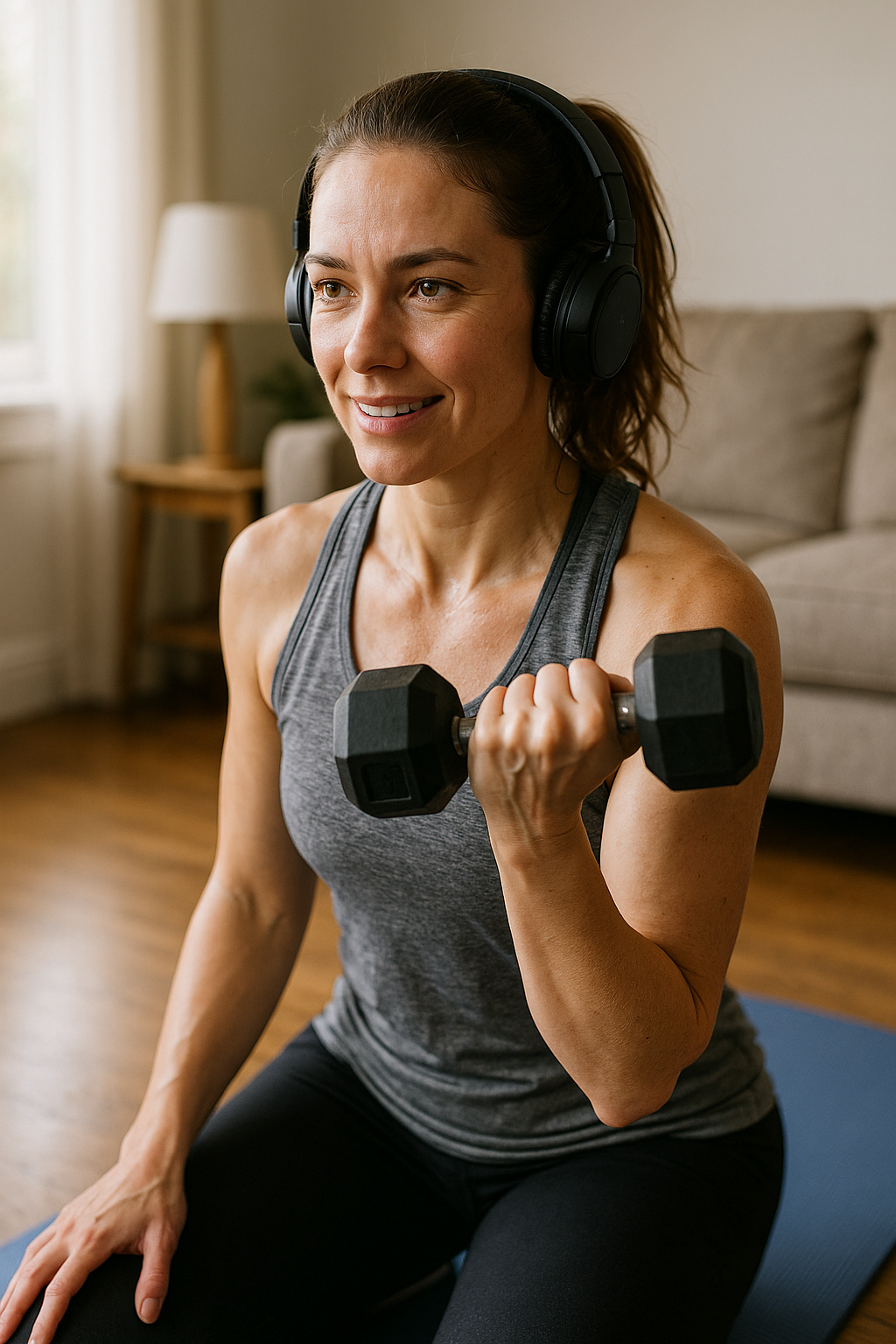
In a busy everyday life, it’s easy to think of health as something you deal with when problems show up. But the most effective approach is often the opposite: building habits and environments that make it easier to feel good, move well, and stay resilient over time. That’s where health promotion comes in. Instead of focusing only on illness, it focuses on the practical steps that help you protect and improve your well-being before you’re forced to slow down.
What health promotion really means
Health promotion is about enabling people to increase control over and improve their health. In real life, that can look like learning what supports your energy, making daily movement more natural, reducing stressors you can influence, and setting up routines that are realistic enough to stick with. It’s proactive, not perfect. And it’s not limited to one area of life: your physical health, mental well-being, sleep, and even your work setup can all play a role.
This matters more than ever because many of today’s most common challenges are linked to how we live day to day: long hours sitting, high mental load, irregular meals, and too little recovery. When you take a health promotion mindset, you’re not waiting for motivation or a “fresh start.” You’re looking for small levers you can pull consistently.
Why simple strategies make the biggest difference
One of the most overlooked truths about health promotion is that it doesn’t require a complete lifestyle overhaul. Small, manageable changes often create the biggest long-term impact because they’re easier to repeat. Think of it as reducing friction: making the healthy choice the easy choice.
That could mean adding one nourishing ingredient to a meal instead of redesigning your whole diet. It could mean a short walk after lunch rather than a strict training plan. It could also mean adjusting your posture and workspace so your body isn’t fighting your routine all day. These are not “minor” changes when they happen daily.

Men's Posture Shirt™ - Black
Posture shirt with NeuroBand™ tech to stimulate muscles and relieve tension/pain.
Health promotion should feel accessible
It’s also worth saying clearly: you don’t need expensive interventions to get started. The goal is to build a foundation that supports you where you are right now. In the next section, we’ll look at practical, evidence-aligned strategies you can use immediately, including nutrition, movement, stress management, and how your environment can either support your health or quietly drain it.
Key strategies that make health promotion work
Health promotion becomes much easier when you focus on a few core areas that influence your daily energy, recovery, and resilience. The goal isn’t to “do everything,” but to build a set of simple defaults you can return to on busy days. Nutrition, movement, and mental well-being are three of the most reliable levers because they affect nearly every system in the body, from metabolism and immunity to mood and sleep quality.
Balanced nutrition without perfection
A balanced eating pattern supports stable energy, better concentration, and more consistent appetite regulation. You don’t need complicated rules to benefit. A practical approach is to aim for regular meals built around whole foods: vegetables and fruit for fibre and micronutrients, lean proteins for satiety and muscle maintenance, and whole grains or other high-fibre carbohydrates for steady fuel.
If meal planning feels overwhelming, start with a “mix and match” structure. Choose one protein (eggs, beans, chicken, tofu), one fibre-rich base (whole-grain bread, brown rice, oats), and at least one colourful vegetable or fruit. Keep a few quick options available so you’re not forced into last-minute choices when you’re tired. Frozen vegetables, canned legumes, and pre-washed salad mixes can make healthy meals faster, not harder.
Mindful eating is another simple but powerful tool. Eating without screens when possible, slowing down for the first few bites, and checking in with hunger and fullness cues can reduce overeating and improve satisfaction. Hydration also matters more than many people think; even mild dehydration can affect focus and perceived energy. A helpful habit is to pair water with existing routines, such as drinking a glass when you start work or after brushing your teeth.
Regular physical activity that fits real life
Movement is one of the most effective health promotion strategies because it supports cardiovascular health, muscle strength, joint function, and mental well-being at the same time. The best type of activity is the one you can repeat consistently. Instead of relying on motivation, build movement into your day in small pieces.
Walking is a strong foundation because it’s accessible and easy to scale. A 10-minute walk after lunch or dinner can help you feel more alert and can be a realistic starting point if you’ve been inactive. Stretching and mobility work can also improve comfort, especially if you sit for long periods. Try a short routine that targets the areas that often get stiff: calves, hip flexors, upper back, and chest.
If you prefer home workouts, keep them simple: bodyweight squats to support leg strength, wall or countertop push-ups for upper-body strength, and a plank variation for core stability. Even two short sessions per week can make a difference over time. The key is to choose a minimum you can keep, then add more when it feels natural.
Mental well-being and stress management
Stress isn’t just “in your head.” It can influence sleep, digestion, tension in the body, and your ability to make healthy choices. That’s why mental well-being is a central part of health promotion. The aim is not to eliminate stress, but to improve how you recover from it.
Start with techniques that take less than two minutes. Deep breathing is a good example: inhale slowly through the nose, exhale longer than you inhale, and repeat a few times. This can help downshift your nervous system when you feel rushed. Meditation can be helpful too, but it doesn’t have to be long; a short daily practice is often more realistic than occasional long sessions.
Time management is also a form of stress management. Consider a simple daily plan with three priorities instead of an endless list. Build in small recovery breaks, especially during screen-heavy work. A brief pause to stand up, look into the distance, and relax your shoulders can reduce mental fatigue and physical tension.
Creating an environment that supports your health
Your environment can either reinforce healthy habits or quietly drain your energy. Supportive environments reduce friction, making it easier to eat well, move more, and feel calmer without relying on willpower.
Community and social support
Social connection is often underestimated in health promotion. Community programs, walking groups, sports clubs, and local initiatives can provide structure and accountability, which makes habits easier to maintain. Even informal support helps: a friend you check in with, a shared lunch routine, or a weekly activity you look forward to. The more your healthy choices are part of your social life, the less they feel like a personal project you have to manage alone.
Workplace health promotion and the value of ergonomics
Because many people spend a large part of the day working, the workplace is a practical place to improve well-being. Small adjustments can reduce strain and help you maintain comfort and focus. Start with basics: keep your screen at a comfortable height, sit with your feet supported, and position your keyboard and mouse so your shoulders can stay relaxed.
Ergonomic aids can be a useful part of workplace health promotion because they support better posture and reduce repetitive strain. Examples include supportive cushions, footrests, or other tools that help you maintain a more neutral position throughout the day. Combined with short movement breaks, ergonomic support can make your daily routine feel less demanding on your body.

Women's Posture Shirt™ - Black
Posture shirt that activates muscles, relieves pain/tensions, and improves awareness.
Monitoring progress to keep health promotion practical
Health promotion works best when you can see what is changing. Monitoring is not about perfection or constant self-measurement. It is about noticing patterns so you can adjust early, before small issues become bigger setbacks. A simple way to start is to choose one or two indicators that reflect your goal. If you want more energy, you might track sleep duration, afternoon fatigue, and how often you move during the day. If your focus is reducing discomfort from desk work, you could track neck or lower-back tension and how frequently you take movement breaks.
Keep the system light. A short weekly check-in is often enough: What helped this week? What got in the way? What is one small change that would make next week easier? This approach turns health promotion into a feedback loop rather than a strict plan you either follow or fail.
Tools and apps that support health promotion goals
Technology can make tracking easier, especially when it reduces friction. Step counters and smartwatch activity rings can help you notice how much you sit and when you tend to be most inactive. Habit trackers can support consistency by focusing on actions rather than outcomes, such as “10-minute walk” or “stretch after lunch.” Sleep apps can help you identify patterns in bedtime routines, screen use, and recovery.
The most helpful tools are the ones you will actually use. If an app creates stress or makes you feel behind, it is not supporting health promotion. Consider choosing tools that provide simple trends over time and avoid overly detailed dashboards. The goal is clarity, not data overload.
Making changes sustainable over the long term
Long-term health promotion is less about motivation and more about design. Sustainable habits usually share three qualities: they are small enough to do on low-energy days, they fit your real schedule, and they have a clear trigger. For example, “two minutes of breathing before opening email” is easier to maintain than “meditate for 30 minutes daily.” “Walk while taking a phone call” is easier than “go to the gym five times a week.”
It also helps to plan for setbacks. Travel, deadlines, and family responsibilities can disrupt routines. Instead of stopping completely, create a “minimum version” of your habits. That might be one short mobility routine per week, a daily glass of water in the morning, or a five-minute walk after dinner. Keeping the habit alive protects momentum.
Celebrate small wins, because they reinforce identity: you are someone who takes care of your health. Small wins include choosing a balanced lunch, taking movement breaks, or adjusting your workstation so you feel less strain at the end of the day. Over time, these actions compound into meaningful change.
Health promotion at work: review and refine your setup
Your work environment is one of the easiest places to evaluate and improve because it is consistent. If you often feel stiff, tense, or fatigued after work, treat it as useful information. Start by checking your default posture and the positions you hold most of the day. Are your shoulders creeping up? Are you leaning toward the screen? Are your feet unsupported?
Small ergonomic adjustments can support health promotion by reducing daily strain. Aim for a neutral setup where your screen is at a comfortable height, your elbows can rest close to your body, and your feet feel stable. Ergonomic aids such as supportive cushions or footrests can help you maintain a more comfortable position, especially during long periods of sitting. Pair these changes with short movement breaks to reduce stiffness and improve circulation.
Frequently asked questions
What is the primary goal of health promotion?
The primary goal of health promotion is to empower individuals and communities to take greater control over their health. It focuses on improving quality of life by supporting healthier choices, reducing risk factors, and creating environments that make well-being easier to maintain.
How can I start incorporating health promotion strategies into my daily routine?
Start with one small change that feels realistic. Examples include adding a piece of fruit or a serving of vegetables to one meal, taking a 10-minute walk each day, or setting a reminder to stand up and stretch every hour. Small actions repeated consistently are often more effective than major changes that are hard to sustain.
Are there specific programs or resources available for health promotion?
Yes. Many community centers, healthcare providers, workplaces, and online platforms offer health promotion resources. These can include walking groups, nutrition education, stress management courses, and workplace well-being initiatives. If you are unsure where to begin, your local community services or healthcare provider can often point you toward relevant options.
How does health promotion benefit my long-term health?
Health promotion supports long-term health by strengthening everyday habits that reduce the risk of chronic conditions and improve resilience. Over time, consistent nutrition, regular movement, stress management, and supportive environments can contribute to better cardiovascular health, improved mental well-being, and more stable energy and recovery.
Can ergonomic aids be part of my health promotion strategy?
Yes. Ergonomic aids can be a practical part of health promotion, particularly if you sit or perform repetitive tasks for long periods. They can support posture, reduce physical strain, and improve comfort during the workday. Combined with regular movement breaks and a well-adjusted workstation, ergonomic support can contribute to better daily well-being.
Kilder
- Green, L.W., & Kreuter, M.W. (2003). "Health Promotion as a Public Health Strategy for the 21st Century." Journal of Public Health Management and Practice.
- Nielsen, L., & Andreasen, J. (2020). "Måling af patientens sundhedskompetence kan bedre kommunikation i sundhedsvæsenet." Ugeskrift for Læger.
- Jensen, P.H. (2009). "Sundhedsfremme og forebyggelse: En introduktion." Sygdom og Samfund.
- World Health Organization. "Health Promotion." World Health Organization.
- Høreforeningen. (2006). "Uhørt: Rapport om høretab og sundhed."
- Andersen, H. (2021). "Hold hjernen sund: Her er forskernes bedste råd." Videnskab.dk.
- World Health Organization. "First Global Conference on Health Promotion: Actions for Health Promotion." World Health Organization.
- National Heart, Lung, and Blood Institute. "Healthy Hearts Network Partner Spotlight: HHSS Office of Disease Prevention and Health Promotion."
- AMFF. "Musikersundhed: En guide til bedre trivsel."
- World Health Organization. "Questions and Answers on Health Promotion." World Health Organization.
- Pedersen, L. (2022). "Millioner risikerer svækket hørelse." Videnskab.dk.
- Aarhus University. "Ny podcast sæson om blod, stoffer og videnskab."
- Sundhedsstyrelsen. "Forebyggende hjemmebesøg til ældre: Vejledning."