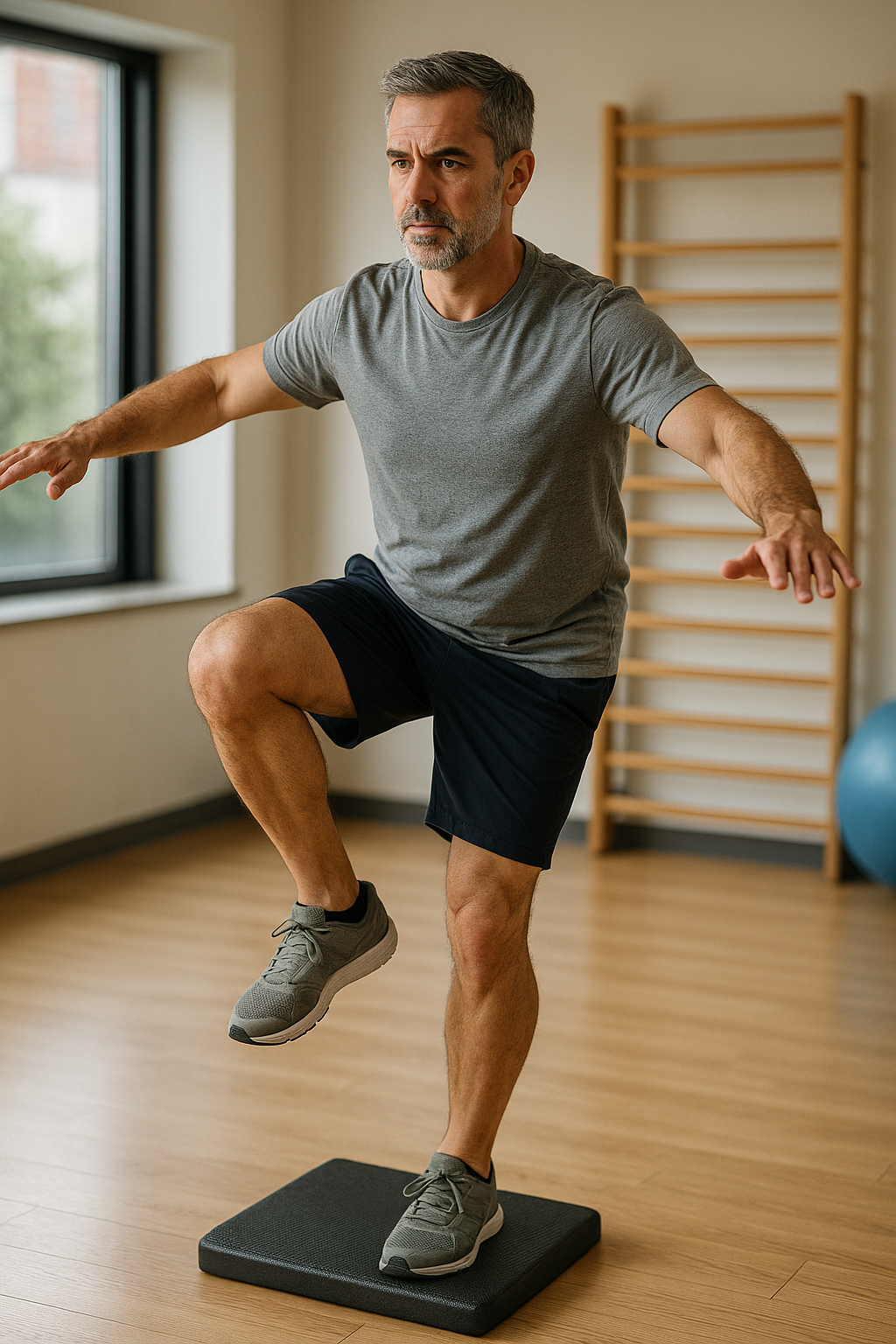


In today's fast-paced work environment, the importance of incorporating exercise into the workplace has never been more significant. With the majority of office jobs being predominantly sedentary, the need for movement has become a crucial element in maintaining not only physical health but also enhancing overall productivity. As the modern workforce evolves, so too does the understanding that a healthy employee is a more productive and engaged employee.
The importance of movement at work
The concept of workplace exercise is gaining traction as businesses recognize the dual benefits it offers. On one hand, physical health is improved as employees engage in regular movement, reducing the risk of common workplace issues such as musculoskeletal problems and stress. On the other hand, productivity sees a noticeable boost, as exercise has been shown to enhance mental clarity and focus, leading to better work performance. The integration of exercise into the workday is not just a trend but a necessary evolution in the way we approach work-life balance.
Why exercise at work?
The sedentary nature of most office jobs poses significant health risks, including obesity, cardiovascular diseases, and chronic pain. Prolonged sitting can lead to a host of musculoskeletal disorders, affecting the neck, back, and shoulders. This is where workplace exercise comes into play as a practical solution. By integrating simple exercises into the daily routine, employees can counteract the negative effects of sitting for long periods. These exercises don't have to be complex or time-consuming; even short bursts of activity can make a substantial difference.

Women's Posture Shirt™ - Black
Patented shirt improves posture & relieves pain, ideal for work or daily wear.
Incorporating exercise into the workplace is not just about improving physical health; it's about creating a more dynamic and engaging work environment. As companies strive to attract and retain top talent, offering opportunities for movement and wellness can set them apart. By fostering a culture that values health and well-being, businesses can ensure a happier, healthier, and more productive workforce.
Scientific evidence on workplace exercise benefits
Numerous systematic reviews highlight the profound benefits of incorporating exercise into the workplace, both for mental and physical health. A comprehensive review of workplace physical activity programs has shown significant improvements in mental health, including reduced stress levels and enhanced overall well-being. These programs are not just about physical health; they contribute to creating a supportive psychosocial work environment, which is essential for sustainable work practices.
Moreover, there is strong evidence linking workplace exercise with improved productivity. Studies indicate that regular physical activity enhances cardiorespiratory fitness and muscular strength, which translates into better performance metrics. This connection between physical health and productivity is pivotal for organizations aiming to optimize employee output.
Musculoskeletal health also sees considerable improvement through workplace exercise interventions. Regular movement and exercise have been proven to reduce disorders such as neck and back pain, which are prevalent in sedentary office environments. When combined with ergonomic practices, these interventions offer a comprehensive approach to reducing workplace-related musculoskeletal disorders.
Designing effective workplace exercise programs
Creating a successful workplace exercise program requires careful consideration of several key elements. Effective interventions often combine aerobic and strength training, ideally extending over a period of four months or more. This combination ensures comprehensive benefits, addressing both cardiovascular health and muscle strength.
One of the critical factors in designing these programs is simplicity and scalability. For the general workforce, short and simple routines can be highly effective. These routines should be easy to integrate into the workday, requiring minimal time and equipment. However, more complex programs might be necessary for employees with specific health issues, requiring tailored interventions and possibly involving multiple stakeholders.
Understanding the barriers and enablers to program success is also crucial. Common barriers include time constraints and lack of management support, while enablers might involve policy support, leadership engagement, and accessible facilities. Addressing these factors can significantly enhance the success and sustainability of workplace exercise programs.
Practical implementation strategies for employers
For employers looking to foster a culture of health and wellness, leadership engagement is key. Visible support and participation from leadership can significantly influence employee participation and program success. Encouraging movement breaks and flexible schedules also plays a vital role in allowing employees to incorporate exercise into their daily routines.
Real-world examples of successful workplace exercise initiatives include on-site fitness facilities, walking meetings, and wellness challenges. These initiatives not only promote physical activity but also enhance team cohesion and morale. By integrating these strategies, companies can create a dynamic and supportive workplace environment that prioritizes employee health and productivity.

Men's Posture Shirt™ - Black
Patented shirt activates muscles & relieves pain, suitable for offices & active use.
Overall, the integration of exercise into the workplace is not just a trend but a strategic approach to enhancing employee well-being and organizational performance. By leveraging scientific evidence and practical implementation strategies, employers can create a healthier, more productive work environment that benefits everyone involved.
Tactical tips for everyday movement at work
Integrating movement into your daily work routine doesn't have to be complicated. Simple desk exercises can be incredibly effective in promoting physical activity without disrupting your workflow. Consider incorporating leg lifts or seated stretches during brief breaks. These micro-movement exercises can help alleviate tension and improve circulation, making them ideal for maintaining energy levels throughout the day.
Walking meetings are another great way to increase your daily step count while keeping your mind engaged. Instead of sitting in a conference room, take your discussions outdoors or around the office. This not only boosts cardiovascular health but also encourages creative thinking and collaboration.
For those looking to add a bit of challenge, consider taking the stairs instead of the elevator. This small change can significantly contribute to your cardiovascular fitness and help you stay active without dedicating extra time to exercise.
Integrating exercise and ergonomics
The synergy between exercise and ergonomics can greatly enhance comfort and reduce pain in the workplace. By combining regular movement with ergonomic setups, employees can experience a significant reduction in musculoskeletal discomfort. Adjustable desks and posture supports complement exercise routines by promoting proper alignment and reducing strain on the body.
For example, alternating between sitting and standing throughout the day can help mitigate the negative effects of prolonged sitting. Pairing this with exercises like shoulder rolls and neck stretches can further enhance comfort and productivity. Investing in ergonomic furniture and tools can provide the necessary support for maintaining good posture, making it easier to incorporate exercise into the workday.
Frequently Asked Questions
What are the main benefits of exercising at work?
Exercising at work offers numerous benefits, including improved mental health, reduced stress levels, enhanced productivity, and decreased musculoskeletal pain. These benefits contribute to a more engaged and healthier workforce.
How can employers encourage exercise in the workplace?
Employers can encourage exercise by creating a supportive environment that includes leadership engagement, flexible policies, and accessible facilities. Providing on-site fitness options, organizing wellness challenges, and promoting walking meetings are effective strategies.
What types of exercises are best for office workers?
Simple desk exercises, walking meetings, and short strength training sessions are highly effective for office workers. These activities require minimal time and equipment, making them easy to integrate into the workday.
How often should workplace exercises be performed?
Ideally, exercises should be integrated into the daily routine, with more structured sessions occurring at least three times per week. Regular movement helps maintain physical health and supports overall well-being.
Kilder
- Firmaidrætten. (n.d.). "Forskning på området." Firmaidrætten.
- Ritzau. (n.d.). "Fysisk aktivitet på jobbet kan gå ud over helbredet." Ritzau.
- Rutgers NJAES. (n.d.). "Exercise at Work: Is It Possible and What Are the Benefits?" Rutgers NJAES.
- CDC. (n.d.). "Promoting Physical Activity at Work." CDC.
- Medarbejdertrivsel. (n.d.). "Bevægelse på arbejdspladsen gør en forskel for sundheden." Medarbejdertrivsel.
- NFA. (n.d.). "Sundhedsfremme og træning i arbejdstiden." NFA.
- American Heart Association. (n.d.). "How to Be More Active at Work." American Heart Association.
- OVB. (n.d.). "Fit at Work: Tips for More Exercise in the Office." OVB.
- MSU Extension. (n.d.). "Exercise at Work: Is It Possible and What Are the Benefits?" MSU Extension.
- WHO. (2023). "Physical Activity Benefits Workplaces: Highlights New WHO Guide for Small and Medium Businesses." WHO.
- Arbejdstilsynet. (n.d.). "Fysisk arbejde." Arbejdstilsynet.
- Dansk Industri. (2023). "Styrk både fysisk og psykisk arbejdsmiljø med bevægelses- og motionsinitiativer." Dansk Industri.
- OSHA. (n.d.). "Promoting Moving and Exercise at Work: Avoid Prolonged Standing and Sitting." OSHA.
- HK. (n.d.). "Motion på arbejdspladsen." HK.
- NCBI. (n.d.). "Workplace Exercise and Its Benefits." NCBI.