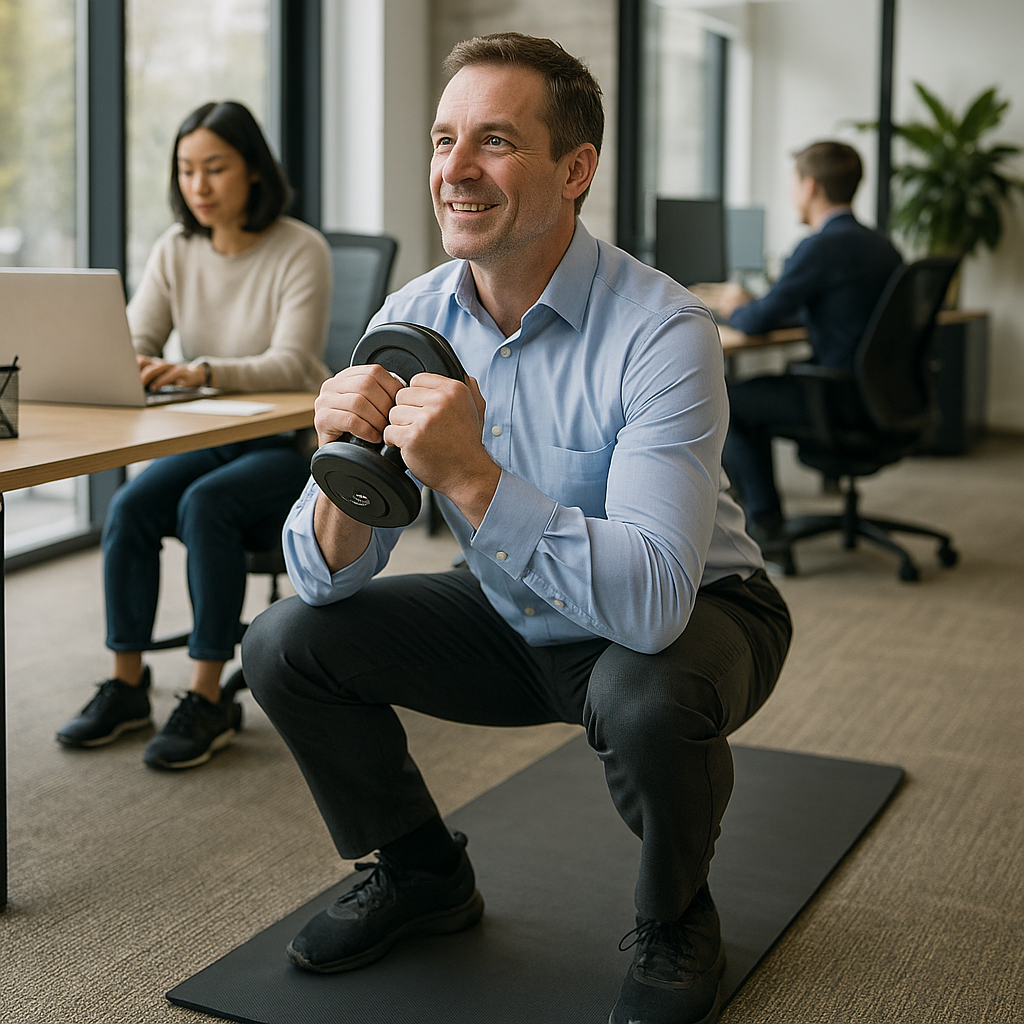
In today's fast-paced world, achieving a balanced lifestyle is more important than ever. A healthy diet and regular exercise are the cornerstones of this balance, offering a pathway to improved health, weight management, and disease prevention. Embracing both aspects of this dynamic duo can transform your life, enhancing not only your physical well-being but also your mental and emotional health.
The importance of balance in lifestyle
Many people fall into the trap of choosing between diet or exercise, believing one is more crucial than the other. However, the real magic happens when both are integrated into a daily routine. This synergy creates a foundation for long-term health benefits, including reduced risk of chronic diseases, improved cardiovascular health, and a stronger immune system. By focusing on the balance between a nutritious diet and consistent physical activity, you can unlock a healthier, more vibrant version of yourself.
Setting the stage for a healthier you
The benefits of a healthy diet and exercise extend far beyond the physical. They serve as powerful tools for boosting energy levels, improving mood, and enhancing overall quality of life. Imagine waking up each day feeling more energetic and less stressed, ready to tackle whatever comes your way. Are you seeking sustainable health improvements? Do you want to feel more alive and in control of your well-being? The answer lies in embracing a lifestyle that values both nutrition and movement.
As you embark on this journey, remember that the goal is not perfection but progress. Small, consistent changes in your diet and exercise routine can lead to significant improvements over time. Whether you're looking to lose weight, increase your stamina, or simply feel better in your skin, the combination of a healthy diet and regular exercise is your ticket to success.
In the following sections, we'll delve deeper into the science behind this powerful duo, offering practical guidelines and tips to help you integrate these principles into your daily life. Stay tuned to discover how you can harness the power of balance to transform your life for the better.
Diet and exercise: a powerful duo
The synergy between a healthy diet and regular exercise is not just a popular notion; it is backed by substantial clinical evidence. Studies published in JAMA Network Open and other reputable journals have consistently shown that combining these two elements leads to significant reductions in both total and visceral fat. This is crucial because visceral fat, which accumulates around internal organs, is linked to various health issues, including heart disease and type 2 diabetes.
Beyond the physical transformations, the psychological benefits of integrating diet and exercise are profound. Individuals who maintain a balanced diet and engage in regular physical activity often report improved mood, reduced stress levels, and enhanced mental clarity. Exercise releases endorphins, which are natural mood lifters, while a nutritious diet supports brain health and cognitive function.
The complementary roles of diet and exercise
Understanding how diet and exercise complement each other can help you harness their full potential. A balanced diet provides the necessary nutrients and energy to fuel your body, while exercise allows you to use these nutrients effectively, enhancing metabolism and promoting muscle growth and repair.
| Aspect | Diet | Exercise |
|---|---|---|
| Immediate Effects | Weight management, energy provision | Calorie burning, muscle strengthening |
| Long-term Benefits | Improved metabolic health, disease prevention | Enhanced cardiovascular health, increased stamina |
Guidelines for a healthy lifestyle
Dietary recommendations
To achieve a balanced diet, focus on a variety of food groups. Incorporate complex carbohydrates, lean proteins, and healthy fats into your meals. Ensure a diverse intake of fruits and vegetables to provide essential vitamins and minerals. Avoid crash diets and extreme restrictions, as these can lead to nutrient deficiencies and unsustainable eating patterns. Instead, aim for moderation and variety to support long-term health.
Exercise guidelines
The World Health Organization recommends 150–300 minutes of moderate aerobic activity or 75–150 minutes of vigorous activity per week. This might seem daunting, but breaking it down into manageable sessions can make it more achievable. Practical tips include incorporating physical activities into your daily routine, such as brisk walking, cycling, or even dancing. Remember, consistency is key, and finding activities you enjoy can make exercise a rewarding part of your lifestyle.
By following these guidelines, you can create a harmonious balance between diet and exercise, paving the way for a healthier, more fulfilling life. In the next section, we'll explore practical ways to integrate these principles into your daily routine, ensuring that you can maintain this balance effortlessly. Stay tuned for actionable tips and insights that will make your journey towards a healthier lifestyle both achievable and enjoyable.
Practical integration of diet and exercise
Integrating a healthy diet and regular exercise into your daily routine doesn't have to be overwhelming. Here are some practical tips to help you achieve balance and maximize the benefits of both:
Daily routine tips
Start by planning balanced meals that include complex carbohydrates, lean proteins, and healthy fats. For example, a breakfast of oatmeal topped with fresh fruits and nuts, a lunch of grilled chicken with quinoa and mixed vegetables, and a dinner of baked salmon with a side of leafy greens can provide the necessary nutrients and energy.
Incorporate physical activity into your day by making small changes. Consider walking or cycling to work, taking the stairs instead of the elevator, or scheduling walking meetings. These simple adjustments can significantly increase your daily activity levels without requiring a complete overhaul of your routine.
Ergonomics and movement
Ergonomics plays a crucial role in maintaining a sustainable exercise routine and supporting daily movement. Proper posture and ergonomic aids, such as adjustable chairs and standing desks, can prevent injuries and enhance the benefits of physical activity. By ensuring that your workspace and exercise environment are ergonomically sound, you can reduce the risk of strain and discomfort, allowing you to focus on maintaining a healthy lifestyle.

Women's Posture Shirt™ - Black
Improves posture and relieves pain for women with patented muscle-stimulating technology.

Men's Posture Shirt™ - White
Posture Shirt™ for men activates muscles and can relieve pain and tensions.
Frequently Asked Questions
Is diet more important than exercise?
Both diet and exercise are equally important and work best when combined. A balanced diet provides the nutrients and energy needed for physical activity, while exercise helps utilize these nutrients effectively, promoting overall health and well-being.
How much should I exercise per week?
The World Health Organization recommends 150–300 minutes of moderate aerobic activity or 75–150 minutes of vigorous activity per week. Examples of activities include brisk walking, cycling, swimming, and dancing. It's important to choose activities you enjoy to maintain consistency.
What is a healthy diet?
A healthy diet emphasizes variety, balance, and moderation. It includes a wide range of fruits and vegetables, whole grains, lean proteins, and healthy fats while limiting added sugars and processed foods. Sustainable eating habits focus on long-term health rather than quick fixes.
How can ergonomics improve my exercise routine?
Ergonomics can enhance your exercise routine by reducing the risk of injury and improving efficiency. Using ergonomic aids and maintaining correct posture during workouts can prevent strain and discomfort, allowing you to exercise safely and effectively. This approach supports consistent physical activity, contributing to better overall health.
Kilder
- Sundhed.dk. ”Sund kost.” Patienthåndbogen.
- SDU. ”12 skridt til fremme af sund kost og fysisk aktivitet.” Statens Institut for Folkesundhed.
- Videncenter for Diabetes. ”Kost og motion til forebyggelse af type 2 diabetes.” Forskningsoversigt.
- Fokus Norge. ”Kost og mosjon guide.”
- FHI. ”Effekt av tiltak for å fremme et sunnere kosthold og økt fysisk aktivitet.” Folkehelseinstituttet.
- DTU. ”Kostvaner og fysisk aktivitet.” National Food Institute.
- Sundhed.dk. ”Overvægt og fedme: fysisk aktivitet.” Patienthåndbogen.
- Kost.dk. ”Fysisk aktivitet som kostråd.”
- FHI. ”Frisklivssentraler.” Folkehelseinstituttet.
- Helsedirektoratet. ”Anbefalinger om kosthold, ernæring og fysisk aktivitet.”
- DR. ”Motion vigtigere end sund mad.”
- FHI. ”Helseeffekter av fysisk aktivitet.” Folkehelseinstituttet.
- Biotech Academy. ”Den sunde krop.”
- Diætisthuset. ”Kost og motion: Diætisthuset guide til en sund krop.”
- Helsedirektoratet. ”Kostråd for befolkningen.”
- Ernæringsfokus. ”Nyt stort studie finder sammenhæng mellem gode kostvaner og sund aldring.”
- Health Group. ”Er 30 minutters motion om dagen nok?”