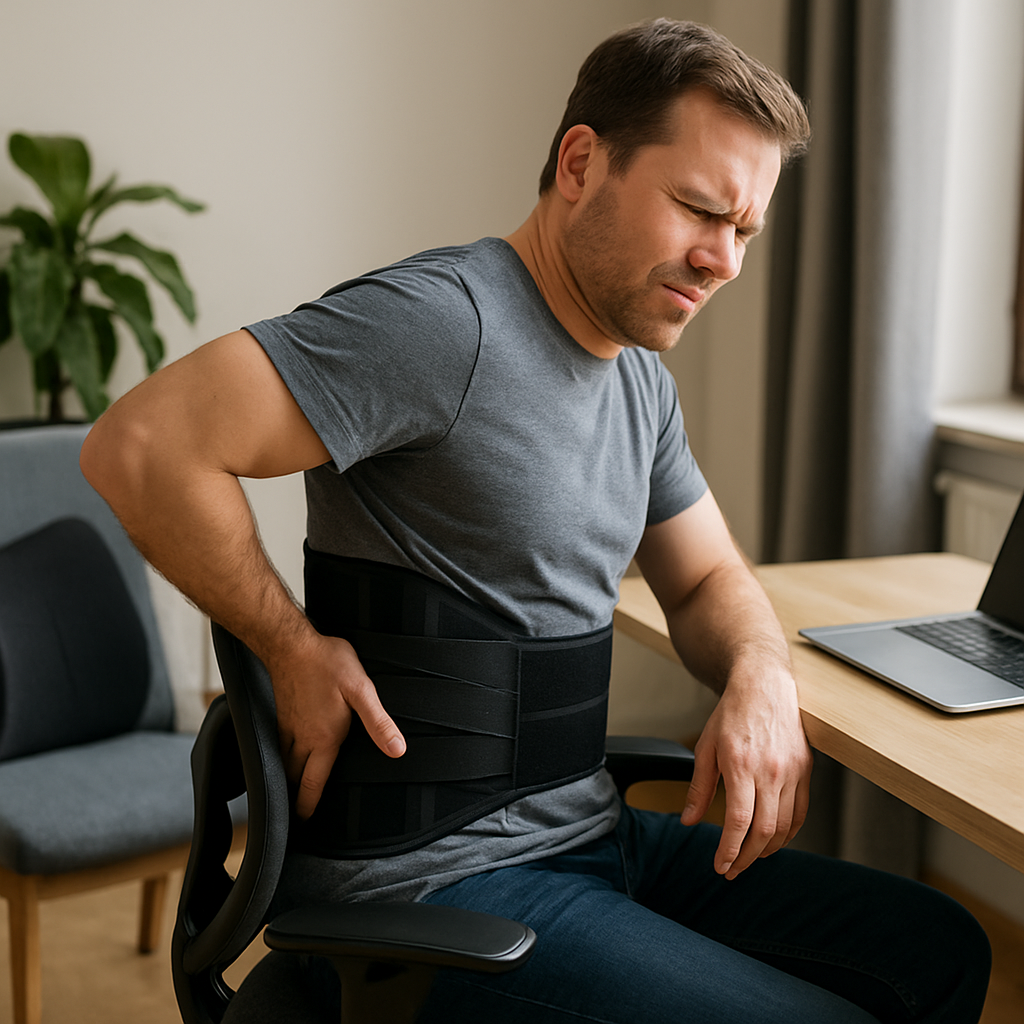
Imagine a treatment that not only manages pain but also accelerates recovery, offering a transformative impact on your overall well-being. This is the promise of compression treatment, a method rapidly gaining traction in both medical and athletic fields. As more people discover its benefits, compression therapy is becoming an essential tool for enhancing recovery and alleviating discomfort.
Understanding compression treatment
Compression treatment, often referred to as compression therapy, involves applying controlled pressure to specific areas of the body. This pressure helps improve blood circulation, reduce swelling, and support muscle recovery. It's important to distinguish this from other uses of the term "compression," such as data compression in technology, which is unrelated to the medical context.
Benefits of compression therapy
The primary advantages of compression therapy are numerous and significant. By enhancing circulation, it helps deliver oxygen and nutrients more efficiently to muscles and tissues, which can reduce recovery time and alleviate pain. Additionally, compression therapy is effective in reducing edema, or swelling, which is particularly beneficial for those recovering from injuries or surgeries. Athletes also find it invaluable for managing muscle soreness and improving performance recovery.
This article will delve deeper into the mechanisms, benefits, and practical applications of compression treatment, providing a comprehensive overview of how this therapy can be integrated into various health and recovery routines. Whether you're an athlete looking to enhance your performance or someone seeking relief from chronic pain or swelling, understanding the power of compression therapy could be a game-changer in your health journey.
Types of compression treatments
Compression therapy encompasses a variety of methods, each designed to cater to specific needs and conditions. One of the most common types is static compression garments, which include socks, sleeves, and stockings. These garments provide consistent pressure and are often used for ongoing conditions like chronic venous insufficiency or mild swelling.
Intermittent pneumatic compression devices (IPC) represent a more advanced form of therapy. These devices use inflatable sleeves to apply rhythmic pressure, mimicking the natural muscle contractions that aid in circulation. IPCs are particularly beneficial in clinical settings for conditions such as deep vein thrombosis and severe edema.
Another method is bandaging and short-stretch wraps, typically used in medical environments. These wraps are especially effective for managing lymphedema and are often applied by healthcare professionals to ensure the correct level of pressure.
How compression therapy works
The effectiveness of compression therapy lies in its ability to enhance venous return and lymphatic drainage. By applying external pressure, these treatments help push blood back towards the heart, reducing the pooling of blood in the lower extremities and alleviating swelling. This mechanism also facilitates the removal of waste products from tissues, which can decrease pain and inflammation.
Furthermore, compression increases tissue pressure, which can help stabilize joints and support muscles during activity. This stabilization not only aids in recovery but also provides comfort and reduces the risk of further injury.
Clinical evidence supporting compression treatment
Research has demonstrated the benefits of various compression modalities. For instance, external pneumatic compression (EPC) has been shown to reduce muscle soreness and prevent loss of flexibility following exercise. This is particularly valuable for athletes seeking to maintain performance levels after intense workouts.
However, not all studies agree on the efficacy of intermittent pneumatic compression (IPC). Some research suggests limited benefits for muscle recovery, highlighting the importance of selecting the right device and protocol. The effectiveness of compression treatment can vary significantly based on the type of device, pressure settings, and duration of use.
Applications and indications for compression therapy
Compression therapy is versatile and can be applied to a range of conditions. It is commonly used to treat lymphedema and chronic venous insufficiency, where it helps reduce swelling and improve circulation. Additionally, it is beneficial for managing post-surgical swelling and varicose veins.
In the realm of sports recovery, compression therapy is a popular choice for alleviating delayed onset muscle soreness (DOMS) and enhancing recovery after strenuous exercise. Athletes often incorporate compression garments into their routines to expedite recovery and optimize performance.
Overall, compression treatment offers a non-invasive, effective option for managing various conditions and enhancing recovery. By understanding the different types of compression therapies and their mechanisms, individuals can make informed decisions about integrating these treatments into their health and recovery plans.

Women's Posture Shirt™ - Black
Støtter og aktiverer musklerne for at forbedre din kropsholdning og lindre smerter.
Choosing the right compression treatment
Selecting the appropriate compression treatment is crucial to achieving the desired therapeutic outcomes. The level of compression, measured in millimeters of mercury (mmHg), varies based on individual needs and specific health conditions. For mild swelling or varicose veins, a lower compression level (15-20 mmHg) may suffice, while more severe conditions like chronic venous insufficiency might require higher levels (20-30 mmHg or more). Consulting with a healthcare provider can help determine the optimal compression level for your situation.
When deciding between compression garments and devices, consider factors such as lifestyle, mobility, and health objectives. Static compression garments, such as socks and sleeves, are ideal for continuous use and can be easily integrated into daily routines. In contrast, intermittent pneumatic compression devices are better suited for targeted therapy sessions and may require more time and space for use.
Integrating compression with other health aids
Compression therapy can be effectively combined with other health aids to create a holistic approach to pain management and recovery. For instance, incorporating posture supports can enhance the benefits of compression by promoting better alignment and reducing strain on muscles and joints. Physical therapy exercises, when paired with compression, can further improve circulation and expedite healing processes.

Lumbar support belt
Støtter lænden, lindrer rygsmerter og kan bruges både aktivt og forebyggende.
What to expect from compression therapy
While compression treatment offers significant benefits, it's essential to set realistic expectations. Users should anticipate symptom relief and functional support rather than dramatic performance enhancements. For example, while compression garments can reduce swelling and alleviate discomfort, they are not a cure for underlying conditions. Consistent use, as recommended by healthcare professionals, can lead to noticeable improvements in comfort and mobility.
| Compression Modality | Expected Outcome |
|---|---|
| Static Compression Garments | Improved circulation, reduced swelling, and support for chronic conditions |
| Intermittent Pneumatic Compression Devices | Enhanced recovery from intense physical activity, reduced muscle soreness |
| Bandaging and Short-Stretch Wraps | Effective management of lymphedema and targeted swelling reduction |
Frequently Asked Questions
What is compression treatment used for?
Compression treatment is primarily used to improve circulation, reduce swelling, and aid in muscle recovery. It is beneficial for conditions like lymphedema, chronic venous insufficiency, and post-surgical swelling.
Is compression therapy safe for everyone?
Compression therapy is generally safe; however, individuals with certain conditions, such as severe peripheral arterial disease, should consult a doctor before use to ensure safety and efficacy.
How long should compression garments be worn daily?
The duration for wearing compression garments varies based on the condition being treated and the type of garment. It is typically recommended by a healthcare provider, but many users wear them for most of the day, removing them during sleep.
Can compression therapy completely cure my condition?
While compression therapy can significantly alleviate symptoms and support recovery, it is not a standalone cure for underlying medical conditions. It should be part of a comprehensive treatment plan.
Will compression cut off my circulation?
When used correctly, compression enhances circulation. However, improper use, such as wearing overly tight garments, can cause issues. It is important to follow guidelines and consult with a healthcare provider if unsure.
Källor
- Hearing Tracker. ”What is Frequency Compression in Hearing Aids.”
- PMC. (2014). ”Compression Therapy in the Treatment of Chronic Venous Insufficiency.”
- PMC. (2014). ”The Role of Compression in Lymphedema Management.”
- YouTube. ”Understanding Compression Therapy.”
- Wound Education Partners. ”Sinus and Ear Disorders During Hyperbaric Oxygen Therapy.”
- Audition Marc Boulet. ”La Compression dans les Appareils Auditifs.”
- Diva Portal. ”Compression Therapy: A Systematic Review.”
- PMC. (2013). ”Compression Treatment in Sports Recovery.”
- Waves. ”How to Hear Compression: Ear Training Guide.”
- Neosonic. ”What is Compression in Hearing Aids?”