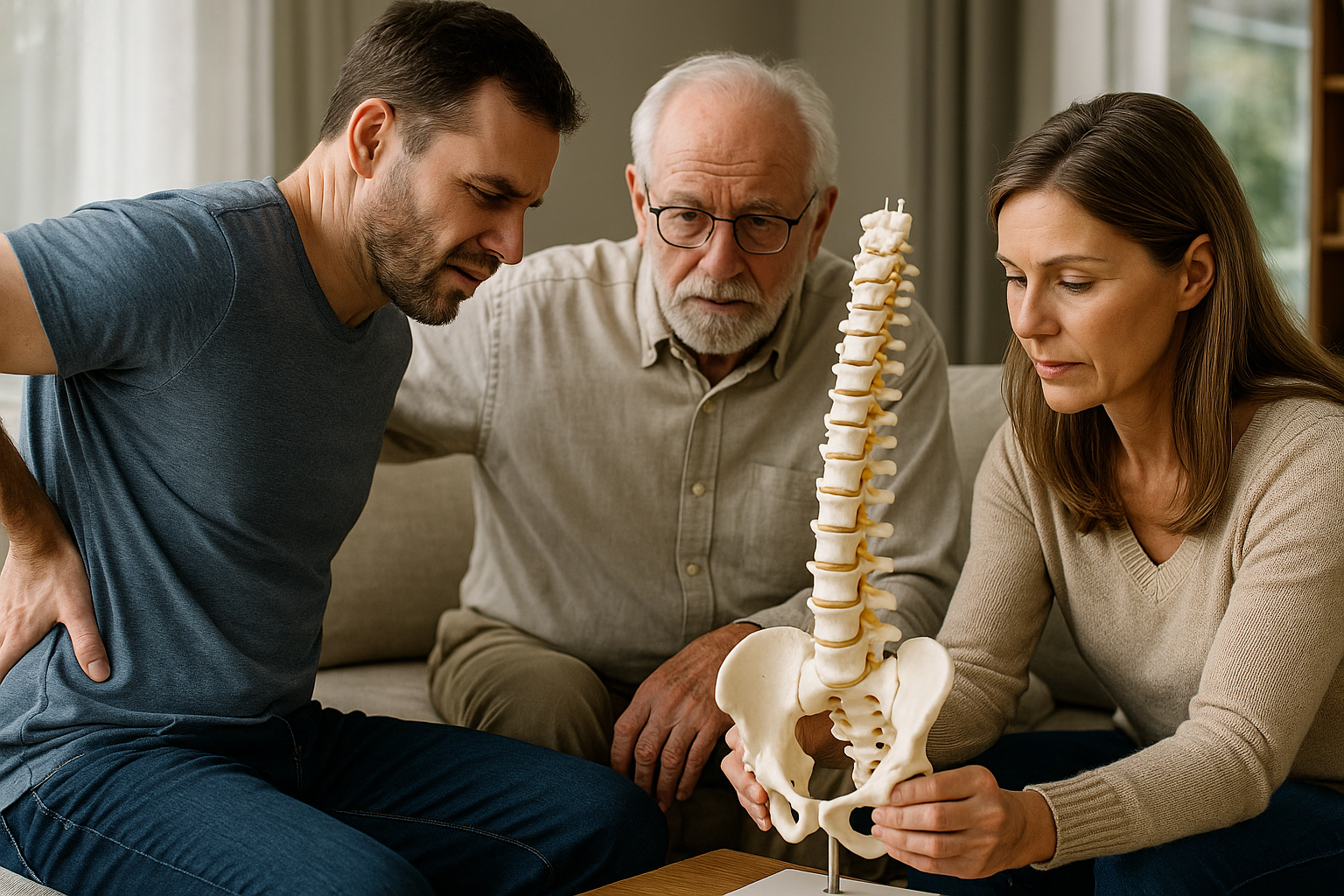
Imagine living a life free from the constant burden of pain, where every movement feels natural and unhindered. For many, this might seem like a distant dream due to the prevalence of chronic pain stemming from sedentary lifestyles and poor posture. However, the secret to pain-free living could be as simple as embracing a healthier lifestyle through regular exercise and mindful health practices.
the link between health, exercise, and pain management
Understanding the connection between health, exercise, and pain management is crucial for anyone seeking relief from chronic discomfort. Regular physical activity is not just about maintaining a fit physique; it plays a vital role in managing pain and enhancing overall well-being. Exercise helps strengthen muscles, improve flexibility, and promote better posture, all of which contribute to reducing the strain on your body and alleviating pain. Moreover, incorporating ergonomic practices into your exercise routine can significantly enhance its effectiveness, leading to a more holistic approach to health and pain management.
purpose of this article
The goal of this article is to provide you with evidence-based insights and practical tips to seamlessly integrate exercise into your daily life. By doing so, you can alleviate pain and improve your overall health. Whether you're dealing with back pain, neck stiffness, or general discomfort from long hours at a desk, the right exercise routine can make a world of difference. We aim to guide you through the process of creating a pain-aware exercise plan that not only addresses your current issues but also prevents future discomfort.
As you continue reading, you'll discover how to harness the power of exercise and ergonomic principles to transform your daily routine, paving the way for a healthier, pain-free life. With the right approach, you can reclaim your comfort and enjoy the freedom of movement without the constant reminder of pain.
the importance of exercise for overall health
Exercise is a cornerstone of maintaining not only physical health but also mental well-being. Engaging in regular physical activity offers a myriad of benefits, including improved cardiovascular health, effective weight management, and enhanced mental clarity. The World Health Organization recommends adults engage in at least 150–300 minutes of moderate-intensity aerobic activity per week to reap these benefits. This can include activities such as brisk walking, cycling, or swimming, which are accessible to most people and can be easily integrated into daily routines.
In addition to general health benefits, exercise plays a critical role in reducing the risk of chronic diseases. Regular physical activity has been shown to lower the incidence of type 2 diabetes, certain types of cancer, and heart disease. Moreover, exercise is a powerful tool for mental health, helping to reduce symptoms of anxiety and depression, and promoting better sleep patterns. By prioritizing exercise, individuals can significantly improve their quality of life and longevity.
integrating ergonomics into exercise routines
Understanding and applying ergonomic principles to exercise routines can greatly enhance their effectiveness, especially for individuals experiencing pain. Ergonomics focuses on designing activities and environments to fit the needs of the individual, reducing strain and preventing injury. By incorporating ergonomic aids such as adjustable desks, chairs, and supportive footwear, you can support your body’s natural alignment and reduce the risk of musculoskeletal issues.
For those who spend long hours at a desk, integrating ergonomic exercises into daily routines is essential. Simple activities like desk stretches, posture-correcting movements, and regular breaks to stand and move can alleviate tension and improve posture. These small adjustments can lead to significant improvements in musculoskeletal health, reducing pain and discomfort associated with prolonged sitting.

Men's Posture Shirt™ - Black
Posture Shirt™ with NeuroBand™ tech can relieve pain and tension in neck, shoulders, and back.

Women's Posture Shirt™ - Black
Posture Shirt™ with documented effect, can relieve pain and tension and improve posture.
case study: exercise and back pain relief
Consider the case of Sarah, a 45-year-old office worker who struggled with chronic back pain due to her sedentary job. After consulting with a physiotherapist, Sarah began a targeted exercise program focused on strengthening her core and improving her posture. By incorporating ergonomic principles, such as using a lumbar support cushion and adjusting her desk setup, Sarah experienced significant pain relief within a few weeks.
According to physiotherapist Dr. Emily Johnson, "Combining exercise with ergonomic practices is crucial for effective pain management. Strengthening the core muscles and maintaining proper posture can drastically reduce the strain on the back, leading to long-term relief." This approach not only helped Sarah alleviate her current pain but also equipped her with the tools to prevent future issues.
By adopting a similar strategy, you can harness the power of exercise and ergonomics to combat pain and enhance your overall well-being. With the right guidance and commitment, achieving a pain-free lifestyle is within reach.
Practical tips for pain-free exercise
Creating an exercise routine that prioritizes ergonomic principles and pain management is essential for achieving a pain-free lifestyle. Begin by assessing your current fitness level and any existing pain points. Developing a personalized plan that includes warm-ups, targeted exercises, and cool-downs can help prevent injury and promote recovery.
Start with a proper warm-up to prepare your muscles and joints for activity. This can include dynamic stretches or light cardio exercises like walking or cycling. Choose exercises that align with your fitness goals and accommodate any physical limitations. Incorporating strength training, flexibility exercises, and aerobic activities can provide a balanced approach to fitness while minimizing pain.
When selecting equipment, opt for ergonomic tools that support your body’s natural alignment. For instance, using a stability ball or resistance bands can enhance your workout while reducing strain. Always listen to your body’s signals—if you experience pain during exercise, modify the movement or take a break to prevent further discomfort.
Visual aids and tools
Visual aids can be invaluable in demonstrating effective posture and exercise techniques. Infographics and simple charts can illustrate the correct form for various exercises, helping you avoid common mistakes that lead to pain. Additionally, videos can provide step-by-step guidance, making it easier to follow along and ensure proper technique.
Consider investing in tools such as posture shirts or ergonomic chairs to support your exercise efforts. These products can help maintain proper alignment during activities and reduce the risk of injury. Ergonomic chairs, for example, are designed to support the natural curve of your spine, promoting better posture and reducing back pain.
Frequently asked questions
What is the relationship between health and exercise?
Regular exercise is a vital component of overall health and wellness. It contributes to improved cardiovascular health, weight management, mental clarity, and reduced risk of chronic diseases. Exercise also plays a crucial role in pain management by strengthening muscles and promoting better posture.
How much exercise is needed for better posture?
To maintain good posture and prevent pain, it is recommended to engage in at least 150–300 minutes of moderate-intensity aerobic activity per week. Incorporating strength training exercises that focus on core stability and flexibility can further enhance posture and reduce musculoskeletal strain.
Can you be healthy without exercising?
While other factors such as diet and sleep contribute to overall health, exercise is essential for maintaining physical fitness and preventing chronic diseases. Even small amounts of physical activity can have significant health benefits, making it an important aspect of a healthy lifestyle.
Is walking enough exercise for health?
Walking is a beneficial form of exercise that can improve cardiovascular health, support weight management, and enhance mental well-being. While it is a great starting point, incorporating a variety of exercises, including strength training and flexibility routines, can provide a more comprehensive approach to fitness.
What exercises are best for back pain?
Exercises that strengthen the core and improve flexibility are particularly beneficial for alleviating back pain. Activities such as yoga, pilates, and specific stretching routines can support spinal health and reduce discomfort. Always consider ergonomic principles when exercising to prevent further pain.
Kilder
- World Health Organization. (n.d.). "Physical Activity."
- NHS. (n.d.). "Exercise Health Benefits."
- Mayo Clinic. (n.d.). "Exercise: 7 benefits of regular physical activity."
- Lee, I. M., et al. (2019). "Impact of Physical Activity on Health." Journal of Clinical Medicine.
- Harvard Health Publishing. (n.d.). "Exercise and Fitness."
- Cleveland Clinic. (n.d.). "Benefits of Exercise."
- Mayo Clinic. (n.d.). "Exercise and Chronic Disease: Get the Facts."
- Warburton, D. E., et al. (2006). "Health benefits of physical activity: the evidence." CMAJ.
- Healthline. (n.d.). "10 Benefits of Regular Exercise."
- American Heart Association. (n.d.). "Why is physical activity so important for health and wellbeing?"
- World Economic Forum. (2023). "Exercise and Wellbeing: Mental and Physical Health."
- Health in Aging. (n.d.). "Physical Activity: Basic Facts."
- World Health Organization. (n.d.). "Be Healthy: Physical Activity."
- Kohl, H. W., et al. (2012). "The pandemic of physical inactivity: global action for public health." The Lancet.
- American Heart Association. (n.d.). "AHA Recommendations for Physical Activity in Adults."