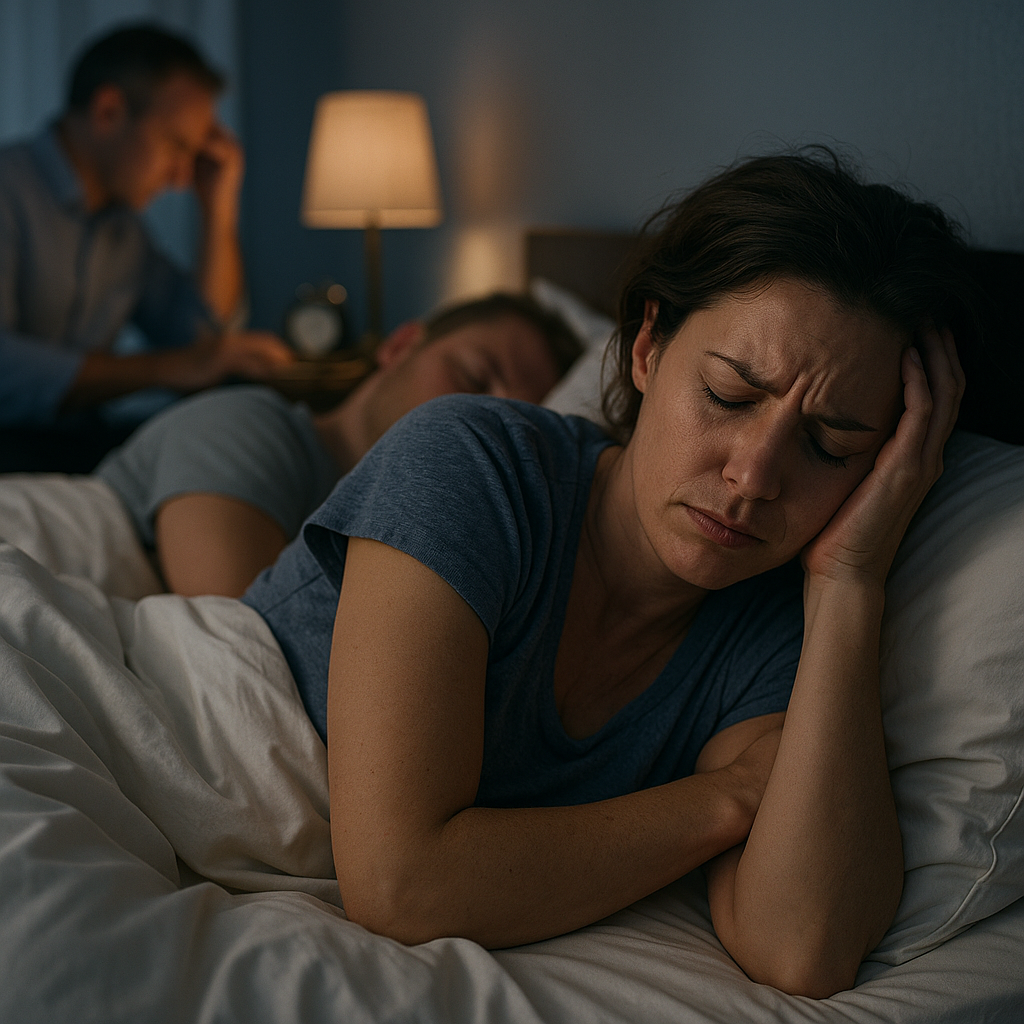
Neck discomfort has a way of sneaking into everything: the commute, the workday, the workout, and even the hours that are supposed to help you recover. One morning you wake up stiff, the next you’re rotating your shoulders just to check your blind spot, and suddenly you’re searching for neck support because you want something that actually makes a difference.
That search often comes with mixed goals. Some people want a practical solution they can use tonight, like a pillow that keeps the head from tipping forward. Others are trying to understand what their symptoms mean, what a clinician might test, and whether their pain is “normal tension” or a sign they should get assessed. Both are valid—and both point to the same core issue: your neck needs stable, comfortable positioning so the muscles can stop overworking.
Why neck support matters more than you think
Your cervical spine is designed for mobility, but it performs best when it also gets predictable support. When the head drifts out of alignment—chin jutting forward at a laptop, shoulder cradling a phone, or a pillow that’s too high or too flat—small stabilising muscles can end up working overtime. Over time, that can feel like tightness at the base of the skull, soreness into the shoulders, or a dull ache that flares after long periods in one position.
Proper neck support is essentially an ergonomic shortcut: it helps keep the head and neck in a more neutral position so tissues aren’t constantly fighting gravity. That’s why people often notice that the “right” setup doesn’t just feel softer—it feels quieter, like the neck finally gets to rest.
Everyday situations that call for better support
Neck comfort isn’t only a sleep issue. Support can matter in several common scenarios:
- Sleep and recovery: the goal is steady alignment that matches your sleeping position, not forcing the neck into a new shape.
- Desk work: long static posture can create fatigue even without heavy lifting or intense activity.
- Travel: sitting upright for hours can pull the head forward and strain the upper back and neck.
In the next sections, we’ll break down what to look for in neck support products and how clinical assessment can clarify what kind of support makes sense for your situation.
Choosing the right neck support product
Neck support products tend to fall into a few main categories, and the best choice depends on when you need support (sleep, sitting, recovery) and how your neck behaves in that position. A helpful way to think about it is this: pillows aim to maintain neutral alignment over hours, while collars and braces aim to limit motion for a shorter period when tissues need a break.
Contoured cervical pillows for sleep alignment
Contoured cervical pillows are shaped to support the natural curve of the neck while leaving space for the back of the head. Many people choose them when they wake up with stiffness, headaches that start at the base of the skull, or a feeling that their pillow “pushes” the head forward.
Key features that usually matter most:
- Loft and contour height: back sleepers typically need a lower profile than side sleepers, who often need more height to fill the gap between shoulder and head.
- Material response: latex tends to feel springier and more supportive, while memory foam often feels more moulded and pressure-relieving.
- Cooling and cover quality: breathable covers can reduce heat buildup, which is a common complaint with denser foams.
A notable example in this category is the Nectar Tri-Comfort, which is designed with three adjustable firmness levels and multiple usable shapes (including classic, crescent, and cut-out). That adjustability is especially relevant for combination sleepers who change positions and need neck support that can adapt rather than force one posture all night.
Orthopedic pillows for targeted support
Orthopedic pillows (including popular options like the Mkicesky style) often focus on a more structured shape and firmer “hold.” They can be useful if you feel like your head sinks too far into softer pillows, or if you need clearer support under the neck rather than under the skull. When evaluating these, pay attention to how stable the pillow feels when you roll slightly—good neck support should keep your head from tipping into side-bending or extension.
Travel pillows for upright positioning
Travel is a different problem: you’re upright, often slightly slumped, and your head tends to drift forward or sideways. Travel pillows such as the Cabeau Evolution S3 are built to reduce that “head drop” by supporting the jawline and sides of the neck. Look for:
- Chin and side support: helps prevent sudden side flexion when you fall asleep sitting up.
- Adjustability: toggles or straps can improve fit and reduce the sensation of being pushed forward.
- Packability: useful if you’ll actually carry it consistently.
Cervical collars for short-term immobilisation
Cervical collars are a different tool entirely. They’re generally used when limiting movement is the goal, such as after certain injuries or during short flare-ups where motion increases symptoms. Because collars can reduce how much the neck muscles have to work, they can feel relieving—but long-term, overuse may lead to deconditioning. If you’re considering a collar for anything beyond brief, specific use, it’s best to do so with clinical guidance.
How clinicians assess neck pain before recommending support
When neck pain includes symptoms like arm tingling, radiating pain, or sharp discomfort with certain movements, clinicians often use a combination of history, range-of-motion checks, and targeted tests to clarify what’s being irritated. These tests are not meant to be used in isolation; they’re typically part of a broader evaluation that also considers posture, strength, reflexes, and symptom behaviour over time.
Spurling test
The Spurling test is commonly used to assess whether nerve root irritation or facet joint pain may be contributing to symptoms. In simplified terms, the clinician positions the neck in a way that narrows the spaces where nerves exit and applies gentle downward pressure. If this reproduces familiar radiating symptoms, it can help guide next steps.
Cervical distraction test
The cervical distraction test does the opposite: it applies a traction-like force to reduce compression. If symptoms ease during distraction, it can suggest that nerve root involvement is more likely than purely muscular or ligament-related pain. This can influence whether the plan focuses more on decompression strategies, mobility work, or referral for further assessment.
Shoulder depression test
The shoulder depression test places tension along nerve pathways by depressing the shoulder while the neck is positioned to increase stretch. Symptom reproduction can indicate nerve root compression or sensitivity, which may change what “support” should look like—sometimes less about firmness and more about avoiding positions that provoke neural tension.
What research suggests about who responds to certain treatments
Beyond diagnosis, clinicians also consider predictors of response. Research has identified five clinical variables associated with a higher likelihood of improvement from cervical/thoracic thrust manipulation in certain neck pain populations: higher pain intensity, limited cervical extension, hypomobility around the T1 vertebra, a negative upper limb tension test, and female sex. In that studied group, the reported success rate was 61.7%. The practical takeaway is not that one intervention fits everyone, but that evidence-based decision-making can help match the right approach to the right person.
Neck support for cervical spondylosis and age-related stiffness
Not all neck pain is the same. For some people, symptoms are linked to cervical spondylosis—age-related changes in the cervical spine that can contribute to stiffness, reduced range of motion, and flare-ups with certain postures. It is also very common: cervical spondylosis affects over 85% of people aged 60 and older. That does not mean everyone will have pain, but it does explain why many people notice that their neck becomes less forgiving over time.
When spondylosis is part of the picture, neck support should focus on two priorities: reducing aggravating positions and supporting comfortable, neutral alignment during rest and daily activities. The goal is not to “force” the neck straight, but to avoid prolonged end-range postures—especially sustained forward head positioning or excessive extension.

Men's Posture Shirt™ - Black
Patented Posture Shirt™ helps relieve neck and back pain and activates muscles for better posture.
Practical management tools that can reduce flare-ups
Support products work best when they complement a broader plan. For cervical spondylosis and similar stiffness-dominant presentations, a few conservative strategies are often used to help manage symptoms:
- Short-term cervical collar use: a collar can limit motion and reduce muscular workload during a brief flare-up. This can be useful when symptoms spike with movement or when the neck needs a short rest window. Because prolonged immobilisation can contribute to deconditioning, collars are generally best reserved for short, specific periods and ideally guided by a clinician.
- Heat and cold therapy: heat is often used to ease muscle tension and improve comfort before gentle movement, while cold may help calm irritated tissues after an activity that triggers inflammation-like soreness. The best choice is typically the one that reduces symptoms without increasing stiffness afterward.
- Escalation options for severe cases: when pain is persistent or significantly limiting, clinicians may consider additional interventions such as corticosteroid injections. These are not first-line for most people, but they can be part of a plan when conservative measures are not enough.
In everyday terms, this means you can often reduce flare-ups by pairing sensible activity choices with the right neck support at the right time—rather than relying on one product to solve everything.

Women's Posture Shirt™ Zipper - Black
Patented Posture Shirt™ Zipper activates muscles and can help relieve neck, shoulder, and back pain.
Connecting clinical findings to the right neck support
The biggest gap in most advice is that product recommendations are often separated from clinical reality. A pillow review may focus on comfort alone, while an assessment focuses on symptoms and movement patterns. In practice, these should inform each other.
If a clinician’s evaluation suggests that certain positions reproduce symptoms—such as extension-based discomfort, nerve irritation patterns, or pain that changes with compression versus distraction—your support choices can be more targeted:
- If neutral alignment reduces symptoms: a contoured cervical pillow or a firmer orthopedic pillow may help maintain that position overnight, especially if you wake up stiff or feel “pulled” into awkward angles.
- If you change positions frequently: adjustable designs can be useful because they let you fine-tune loft and firmness rather than committing to one feel. This matters for combination sleepers who need consistent neck support even as posture changes.
- If upright sitting triggers pain: travel-style supports can reduce head drop and side-bending during commutes or flights, which can otherwise overload the upper trapezius and neck muscles.
- If movement itself is the irritant during a flare-up: a cervical collar may provide short-term relief by limiting motion, but it should not replace a plan to restore comfortable movement and strength.
A useful rule of thumb is this: pillows and ergonomic supports help you hold a better position for longer, while clinical care helps you understand why certain positions hurt and what to do about it. When those two pieces are combined, neck support becomes more than comfort—it becomes a practical part of symptom management.
Frequently Asked Questions
What is the best type of pillow for neck support?
The best pillow for neck support is the one that keeps your head and neck in a neutral position for your sleep style. Contoured cervical pillows are designed to support the neck curve while cradling the head, which can help if you wake up stiff or feel your pillow pushes your head forward. Orthopedic pillows tend to be more structured and can suit people who need a firmer, more stable feel with less sink.
How can I tell if my neck pain requires medical evaluation?
Seek medical evaluation if neck pain is severe, worsening, or not improving with basic self-care, or if it includes symptoms such as radiating arm pain, numbness, tingling, weakness, coordination changes, or significant headaches. Also consider assessment if pain follows trauma (such as a fall or car accident) or if certain neck movements consistently reproduce sharp or electrical symptoms.
Are cervical collars effective for long-term use?
Cervical collars can be effective for short-term relief when limiting movement reduces symptoms. Long-term use is usually not recommended without clinical guidance because extended immobilisation may contribute to muscle deconditioning and increased stiffness. If you feel you “need” a collar to get through normal activities, that is a good reason to seek an evaluation.
How do ergonomic neck supports aid in recovery from injuries?
Ergonomic neck support can aid recovery by reducing strain during rest and daily activities, helping you avoid positions that provoke symptoms, and improving comfort so you can sleep and move more consistently. In post-injury situations, the right support can complement clinical care by keeping the neck in a calmer, more neutral position while tissues recover and strength and mobility are gradually rebuilt.
Källor
- Healthline. ”Cervical Collar: Uses, Tips, and More.”
- PubMed. ”Effectiveness of Neck Support Pillows in Reducing Neck Pain: A Randomized Controlled Trial.”
- PubMed. ”Neck Pain: Clinical Guidelines for Diagnosis and Treatment.”
- Syddansk Universitet. ”Høretab øger risikoen for at blive dement.”
- Synergy Rehab. ”Neck Support While Sleeping.”
- Region Hovedstaden. ”Genoptræningsforløbsbeskrivelse: Hoved-halskræft.”
- WebMD. ”Neck Pillows: What You Need to Know.”
- Hospital da Luz. ”When to Use a Neck Brace.”
- Neck Solutions. ”Neck Pillows for Pain Relief.”