Sleep problems have quietly become one of the most common health complaints of modern life. It is no longer just a “bad night” here and there: for many people, disrupted sleep shows up as a pattern that affects work, relationships, concentration, and mood. The fact that so many of us search for answers late at night is telling in itself. When daily stress, constant notifications, irregular schedules, and lingering worry collide, sleep can start to feel like something you have to “solve” rather than something that happens naturally.
In everyday language, sleep problems often overlap with what clinicians call insomnia: difficulty falling asleep, staying asleep, or waking too early and not being able to return to sleep. But the scope is broader than one diagnosis. Sleep can be disturbed by breathing issues, movement disorders, pain, medication effects, and changes in routine. What these experiences share is the same outcome: you wake up feeling unrefreshed, and the day becomes harder than it needs to be.
That matters because sleep is not passive downtime. It is active recovery for the brain and body, supporting memory, emotional regulation, immune function, and physical repair. When sleep is consistently shortened or fragmented, the effects can ripple outward: more irritability, reduced resilience to stress, and a sense that your energy is always running behind. Over time, poor sleep is also associated with broader health risks, which is why the topic has moved from lifestyle chatter to serious public health concern.
Why sleep problems are so common right now
One reason sleep problems feel more visible today is that they are being measured and discussed more openly. Search behavior, for example, has mirrored real-world events: during periods of uncertainty and disruption, interest in insomnia-related topics has surged. That pattern reflects something many people recognize from experience—when stress rises, sleep often becomes lighter, more fragmented, and harder to predict.
At the same time, sleep is influenced by a long list of inputs that can stack up: late-day caffeine, bright screens in the evening, inconsistent bedtimes, reduced daylight exposure, and less movement during the day. Add physical discomfort—like tension in the neck, shoulders, or lower back—and it becomes easier to see how nighttime can turn into a cycle of tossing, turning, and clock-watching.
Understanding sleep problems before chasing quick fixes
Because sleep problems can have multiple causes, the most helpful first step is often clarity: what does your pattern look like, how long has it lasted, and what seems to worsen or improve it? Building that awareness makes it easier to choose the right next step—whether that is adjusting habits, improving sleep comfort, or speaking with a healthcare professional when symptoms persist.
What science reveals about sleep problems
Sleep problems are not only described by how tired you feel the next day; they can also be observed in the way the brain behaves during rest. Research using electroencephalography (EEG), which measures electrical activity in the brain, supports the idea that many people with insomnia-like patterns show signs of ongoing “hyperarousal.” In practical terms, this means the brain can remain more alert than expected, even when you are trying to fall asleep or stay asleep.
When researchers analyse EEG by looking at frequency bands, several patterns appear more often in people with insomnia disorder. One of the most consistent findings is increased beta power across wakefulness and multiple sleep stages. Beta activity is commonly associated with active thinking and alertness, so higher levels may align with the familiar experience of a mind that will not switch off. Studies also describe altered activity in other bands depending on the sleep stage, including elevated theta and gamma activity during wakefulness, changes in alpha and sigma activity during REM sleep, and shifts in theta, alpha, and sigma during NREM sleep. At the same time, reduced delta activity during NREM sleep has been reported, which matters because delta is linked to deeper, more restorative sleep.
EEG biomarkers and why relative power matters
EEG research does not just describe differences; it also helps clarify which measures may be most useful for identifying sleep disruption. One important concept is relative power, which looks at how much of the total EEG activity falls within a specific frequency band. Relative power can be more sensitive than absolute measures when comparing people, especially during NREM sleep. That sensitivity is relevant because NREM is where much of the body’s physical restoration and brain recovery is thought to occur, and subtle changes may help explain why someone can spend enough time in bed yet still wake up unrefreshed.
For readers, the key takeaway is not to self-diagnose based on brainwave terms, but to understand that sleep problems often have measurable biological signatures. This is one reason quick fixes can disappoint: if the nervous system is running “too hot” at night, improvement may require a combination of behavioural strategies, stress reduction, and addressing physical discomfort that keeps the body on alert.
Search trends show how widespread sleep problems have become
Population-level data also points to how common sleep problems are, and how quickly they can rise during stressful periods. Google Trends analyses from 2004 to 2020 show that searches for insomnia increased sharply during major disruption, including the COVID-19 pandemic. In the United States, insomnia-related searches rose by about 58% during that period, suggesting a broad surge in sleep-related distress rather than a niche concern.
When compared with other sleep disorders, insomnia tends to dominate search interest. Terms related to sleep apnea, restless legs syndrome, and narcolepsy generally show lower search volumes and less dramatic spikes. This does not mean those conditions are rare; it may reflect that difficulty sleeping is a more immediate, widely recognised experience, while other disorders are often underdiagnosed or discussed using different language.
Why diagnosis can be challenging
Even when sleep problems are persistent, getting a clear diagnosis is not always straightforward. Polysomnography (PSG), the overnight sleep study often considered the gold standard for evaluating sleep, has limitations. Sleep can vary substantially from night to night, and a single study may not capture a person’s typical pattern. This variability is especially relevant when clinicians are trying to rule in or rule out conditions that fluctuate, or when the first night of monitoring changes sleep simply because the environment is unfamiliar.
Extended monitoring can improve accuracy for certain conditions, but that is not always practical or accessible. As a result, clinicians often combine tools: symptom history, sleep diaries, questionnaires, and targeted testing when specific disorders are suspected. This layered approach matters because sleep problems can look similar on the surface while having different drivers underneath.
Common sleep disorders that overlap with sleep problems
Sleep problems can be a primary complaint or a symptom of another condition. Insomnia is one of the most common patterns, defined by difficulty falling asleep, staying asleep, or waking too early, along with daytime impairment. Hypersomnolence disorders involve excessive daytime sleepiness that is not explained by simply going to bed late. Parasomnias include unusual behaviours during sleep, such as sleepwalking or acting out dreams, and can be difficult to evaluate because they may not occur every night.
Because these categories can overlap, a useful next step for many people is to track what is happening in real life: how long it takes to fall asleep, how often awakenings occur, whether snoring or breathing pauses are reported, and whether discomfort or pain triggers position changes. That kind of detail can make medical evaluation more efficient and can also highlight practical targets for improving sleep comfort and stability.
How external events can intensify sleep problems
Sleep is highly sensitive to changes in routine, uncertainty, and reduced daylight exposure. During the COVID-19 period, this sensitivity became visible at scale. In the UK SleepQuest study, which followed thousands of participants during lockdown conditions, around 45% reported that their sleep worsened, while a smaller share reported improvement. The same work linked poorer sleep with lower mood, higher anxiety, and COVID-related symptoms, suggesting that sleep problems often sit at the intersection of emotional strain and physical stress.
These findings help explain why many people experienced lighter sleep, more awakenings, and a shift toward later bedtimes and wake times during lockdowns. When daily structure disappears, cues that normally anchor the body clock (commuting, social contact, regular meal times, and outdoor light) can weaken. For some, that leads to delayed sleep timing; for others, it triggers fragmented sleep that feels unrefreshing even when time in bed increases.
Why poor sleep is more than a nightly inconvenience
Sleep problems matter because sleep duration and sleep continuity support brain and body recovery. Inadequate sleep is associated with measurable downstream effects, including worse emotional regulation and reduced resilience to stress. Research also links poor sleep with broader health risks, including stroke and signs of declining brain health over time. From a practical standpoint, the key point is that persistent sleep disruption is not just a comfort issue; it can become a health issue, especially when it continues for weeks or months.
Many public health recommendations converge on a simple baseline: adults generally benefit from at least 7 hours of sleep per night. However, quantity is only part of the picture. If sleep is repeatedly interrupted by discomfort, breathing disturbances, or stress-driven awakenings, the architecture of sleep can shift away from deeper, restorative stages. That helps explain why some people wake up tired despite “getting enough hours.”
What surveys reveal about stress, focus, and sleep quality
Large consumer surveys add context to clinical findings by showing what people believe is driving their sleep problems. ResMed’s Global Sleep Survey highlights stress and anxiety as prominent risk factors that many respondents associate with poor sleep. The reported consequences are not limited to fatigue; people also describe reduced focus and worse mood the next day. While surveys cannot diagnose conditions, they are useful for understanding how common stress-linked sleep disruption has become and why so many individuals look for non-pharmacological ways to improve sleep.
In practice, stress-related sleep disruption often creates a feedback loop: poor sleep increases emotional reactivity, which can make the next night harder. Breaking that loop usually requires a combination of approaches, such as consistent timing, daytime light exposure, earlier-day activity, and reducing physical triggers that keep the body alert at night.
Where ergonomic support fits into evidence-based sleep strategies
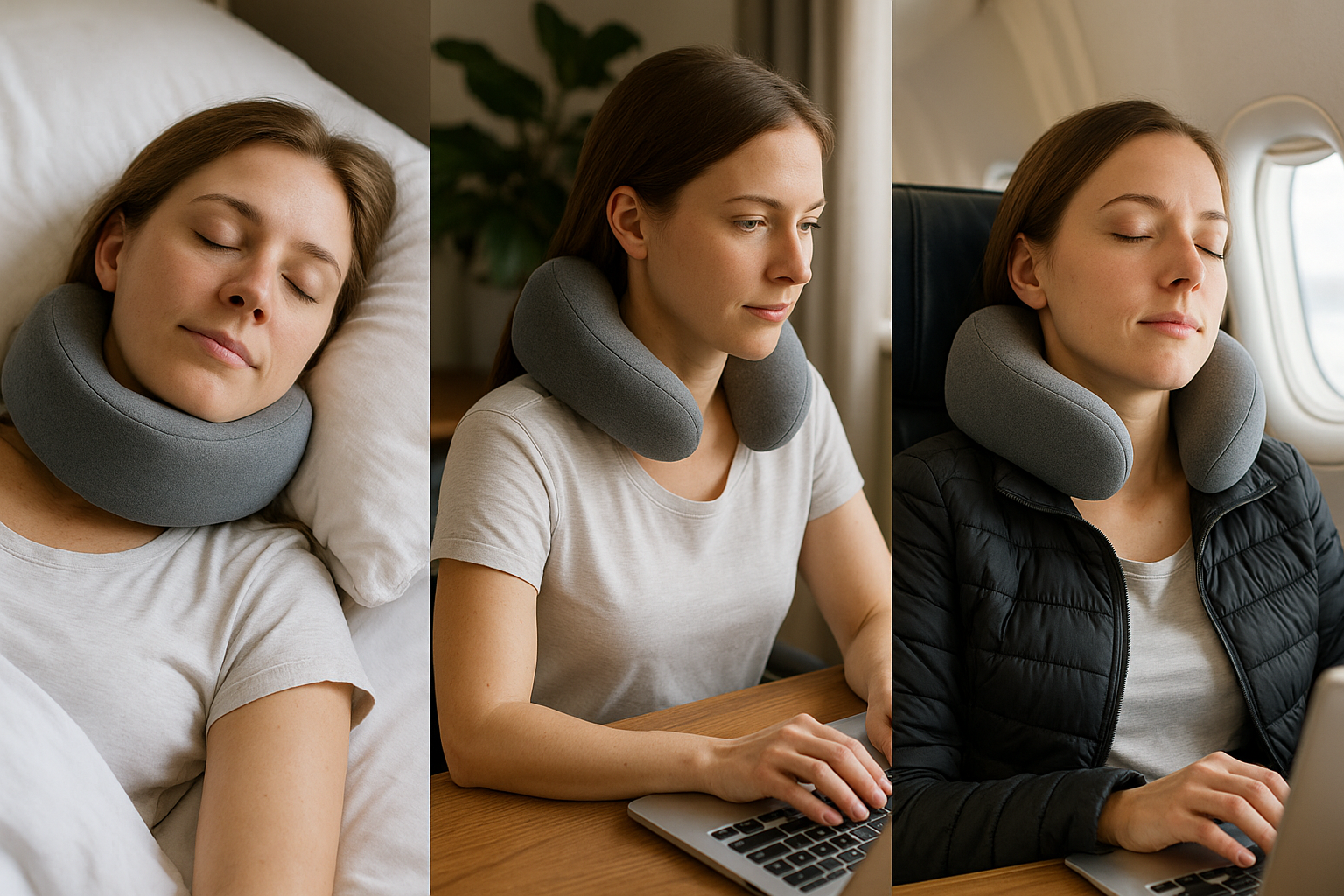
Ergonomic solutions do not treat medical sleep disorders, but they can support more stable sleep by reducing physical disruption. If neck tension, shoulder pressure, or lower-back discomfort triggers frequent position changes, the body may spend more time in lighter sleep and less time in sustained recovery. A pillow or mattress that better supports alignment can reduce micro-awakenings related to discomfort and help the body settle more consistently.

Women's Posture Shirt™ - Black
Activates muscles and improves posture; can relieve pain and tension.
Ergonomics can be especially relevant for people whose sleep problems are compounded by pain, stiffness, or side-sleeping pressure points. The goal is not a “perfect” posture, but a setup that reduces strain and makes it easier to stay asleep once you have fallen asleep. Combined with behavioural measures like earlier exercise and regular outdoor time, comfort-focused adjustments can become a practical part of improving sleep quality without invasive interventions.

Lumbar support belt
Compresses and supports the lower back to relieve pain and discomfort.
Frequently Asked Questions
What are the most common sleep problems?
The most common sleep problems include insomnia (difficulty falling asleep, staying asleep, or waking too early), sleep apnea, restless legs syndrome, and narcolepsy. Many people also experience sleep disruption related to stress, pain, medication effects, or irregular schedules.
How can I tell if I have a sleep disorder?
Common indicators include persistent difficulty sleeping, repeated awakenings, loud snoring or witnessed breathing pauses, and daytime impairment such as fatigue, irritability, or reduced concentration. If symptoms last for weeks, affect daily functioning, or include breathing-related signs, a healthcare provider can help assess whether a specific sleep disorder is present.
Are there non-invasive ways to improve sleep quality?
Yes. Non-invasive options include keeping a consistent sleep schedule, getting daylight exposure in the morning, exercising earlier in the day, and reducing caffeine and screen use late in the evening. Ergonomic aids such as supportive pillows and mattresses can also improve comfort and reduce sleep disruption caused by poor positioning or pressure points.
How does stress affect sleep?
Stress can increase physiological and cognitive arousal, making it harder to fall asleep and easier to wake during the night. Over time, this can reinforce sleep problems by creating worry about sleep itself, which further increases alertness at bedtime.
What role does exercise play in sleep health?
Regular exercise is associated with better sleep quality for many people, partly because it can reduce anxiety and support a more stable body clock. Exercise earlier in the day is often easier on sleep than intense late-evening workouts, which may be stimulating for some individuals.
Källor
- MedPark Hospital. "Sleep Disorders."
- Sleep Foundation. "New Studies Link Sleep Problems and Hearing Loss."
- OHSU Brain Institute. "Understanding Sleep Disorders."
- NCBI. "Sleep Disorders and Their Impact on Health."
- Sleep Foundation. "Sleep Facts and Statistics."
- My Hearing Centers. "Correlations Between Sleep and Hearing Loss."
- HelpGuide. "Sleep Statistics."
- Hearing Aid Reno. "How Insomnia Affects Hearing."
- Cleveland Clinic. "Sleep Disorders."
- Ear Works Audiology. "Sleep and Hearing Loss: How Sleep Affects Your Hearing Health."
- MedlinePlus. "Sleep Disorders."
- Oregon ENT. "What is the Relationship Between Insomnia and Hearing Loss?"
- The NSF. "Sleep Facts and Statistics."
- Audiology.org. "Sleep Disorders and Hearing Loss."
- Johns Hopkins Medicine. "Health Risks of Poor Sleep."