

Recovery rarely arrives with fireworks. More often, it shows up quietly: the first morning you wake with less stiffness, the first walk that feels a little steadier, the first day your mind isn’t working quite so hard just to get through. Those small shifts can be easy to dismiss, but they’re often the clearest sign that something important is happening—your system is rebuilding.
In everyday language, recovery is sometimes treated like a finish line. In real life, it’s a process of returning to function, confidence, and capacity after something has disrupted them. That “something” can be physical, like an injury, surgery, or long-term pain. It can be mental, like burnout, stress overload, or anxiety. It can also be behavioural, as in addiction recovery, where the goal is not only to stop a harmful pattern but to create a life that makes the new pattern sustainable. Different starting points, same core idea: restoring stability and strength over time.
What recovery really means
At its best, recovery is both practical and personal. Practical, because it involves real actions—rest, movement, treatment plans, routines, and support. Personal, because it asks you to listen to your own signals and adjust as you go. It’s not just about “getting back to normal”, especially if normal wasn’t working in the first place. Many people find that the most meaningful recovery includes learning what their body and mind need to feel safe, capable, and resilient.
Why the recovery phase matters
Healing doesn’t end when the acute problem is over. The recovery phase is where you regain strength, rebuild tolerance, and restore trust in your body and decisions. It’s also where setbacks can feel discouraging—because progress can be subtle, and effort doesn’t always translate into immediate results. But this is exactly why recovery deserves attention: it’s the bridge between surviving something and living well again.
Common myths that make recovery harder
One of the most persistent misconceptions is that recovery is linear: better every day, no detours. In reality, it often looks more like a winding path—two steps forward, one step back, then a sudden leap. Another myth is that recovery should be quick if you’re “doing it right”. Timeframes vary widely, and pushing too hard can be as unhelpful as doing too little. A smarter approach is to expect fluctuations, measure progress in trends rather than single days, and treat patience as part of the plan—not a personality test.
Phases of recovery: what to expect as you rebuild
Even though every journey is personal, many recovery processes follow a similar rhythm. Understanding that rhythm can reduce worry and help you make better decisions—especially on the days when progress feels slow.
Initial phase: stabilise, protect, and reduce overload
The early stage is often about calming things down. After an injury, illness, surgery, or a period of intense stress, your body and nervous system may be in a protective mode. Pain, swelling, fatigue, poor sleep, irritability, and low tolerance for activity are common signals that your system is prioritising safety.
In this phase, the most helpful actions are usually simple but consistent: follow medical advice, manage symptoms, and avoid the temptation to test your limits too early. For physical issues, that might mean protecting a joint, reducing inflammation, and keeping gentle movement where it’s safe. For mental health recovery, it can look like reducing demands, creating predictable routines, and limiting triggers while you regain stability.
Rehabilitation phase: rebuild capacity with structure
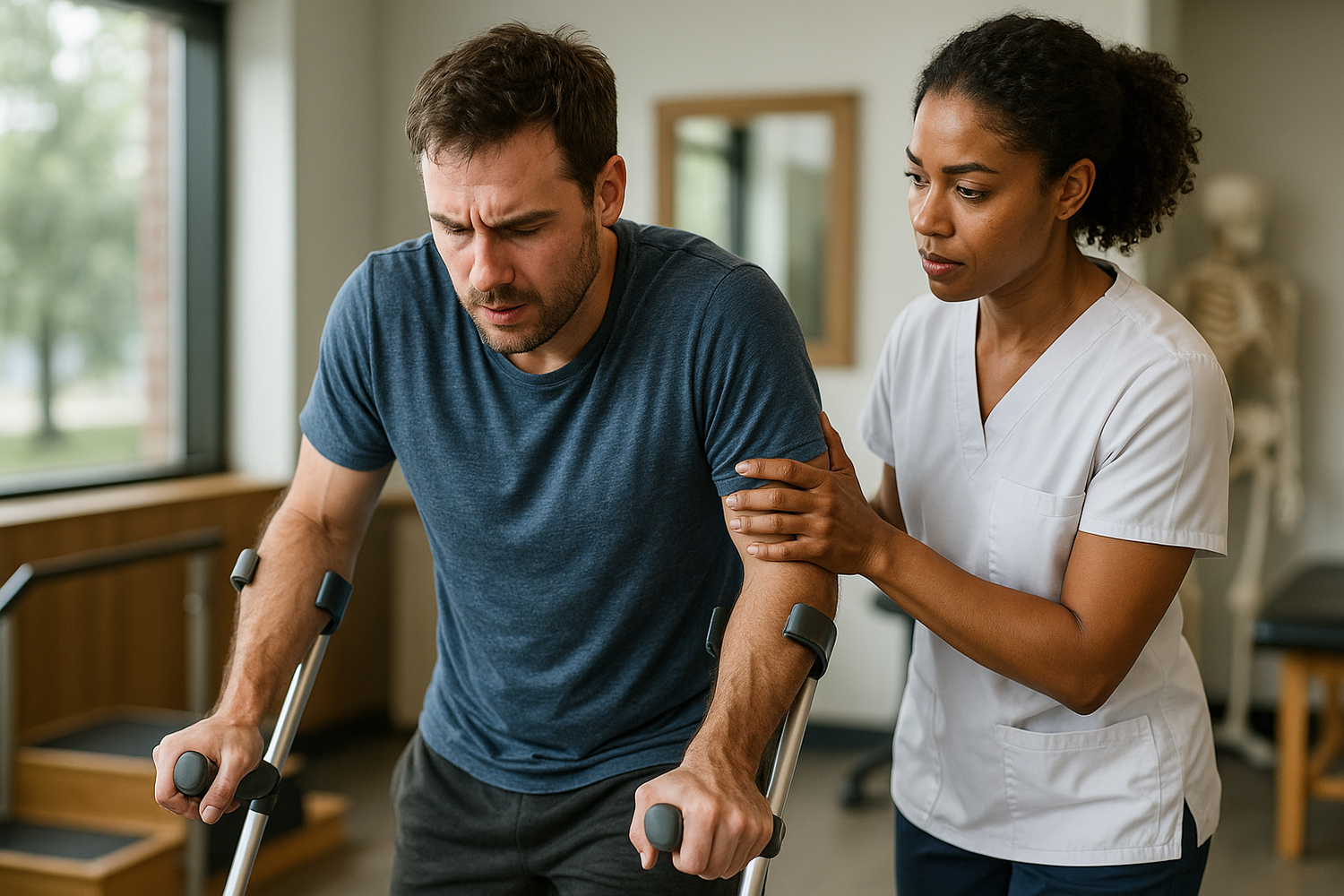
Rehabilitation is the active middle. This is where you gradually restore function and confidence through progressive exposure—doing a little more, then letting your system adapt. In physical rehabilitation, this often includes mobility work, strength training, balance practice, and re-learning movement patterns that have become guarded or painful. In emotional or behavioural recovery, it might involve therapy, skills training, support groups, or learning strategies to handle cravings, anxiety, or stress without falling back into old patterns.
A useful way to think about rehab is that you’re not only healing tissue or changing habits—you’re retraining tolerance. The goal is to build a foundation that can handle real life: walking further, lifting again, returning to work, sleeping more steadily, or managing difficult emotions without shutting down.
Maintenance phase: protect gains and prevent relapse
Maintenance is where recovery becomes sustainable. Symptoms may be mostly improved, but your system can still be sensitive to overload. This phase is about keeping the progress you’ve earned through ongoing self-care, check-ins, and realistic routines.
Maintenance doesn’t mean you’re stuck doing “rehab forever”. It means you have a plan for staying well: regular movement, supportive relationships, good sleep habits, and early action when warning signs show up. Many people find that the maintenance phase is where confidence returns—because you start trusting that you can handle setbacks without losing everything.
Key elements of successful recovery
Support systems: the hidden engine behind progress
Support is not a luxury; it’s a practical tool. Family and friends can help with everyday tasks, encouragement, and accountability. Professionals add structure and expertise—whether that’s a physiotherapist, doctor, psychologist, occupational therapist, or addiction counsellor.
If asking for help feels difficult, try making it specific. Instead of “I’m struggling,” consider “Can you drive me to my appointment on Tuesday?” or “Can we take a short walk together twice a week?” Clear requests reduce friction and make support easier to accept.
Realistic goals: small milestones that keep you moving
Recovery is easier to stick with when you can measure it. The most effective goals are specific, achievable, and adjustable. Rather than aiming for “back to normal,” focus on milestones like “walk for 10 minutes without increasing pain,” “cook one meal,” “attend one session,” or “go to bed at the same time for five nights.”
Tracking trends helps, too. A single bad day doesn’t erase progress, but patterns can reveal what’s working. If symptoms spike after certain activities, that’s not failure—it’s data you can use to pace better next time.
Mind-body connection: why mental state affects healing
Your body and mind aren’t separate systems running in parallel. Stress can increase muscle tension, disrupt sleep, and amplify pain sensitivity. Low mood can reduce motivation and make activity feel heavier. On the other hand, gentle movement, social connection, and a sense of control can support both physical healing and emotional stability.
A holistic approach often works best: physical rehab paired with stress management, good sleep routines, and mental health support when needed. This isn’t about “thinking positive”; it’s about reducing the load on your system so it can adapt.
Challenges in recovery (and how to move through them)
Plateaus and setbacks: normal, not proof you’re failing
Plateaus happen when your current routine has stopped being challenging enough—or when life stress, poor sleep, or inconsistent pacing limits adaptation. Setbacks can come from doing too much too soon, returning to demanding environments, or unexpected complications.
Helpful strategies include adjusting the dose (slightly less intensity or volume), improving recovery basics (sleep, nutrition, hydration), and returning to the last level that felt steady before progressing again. If symptoms change sharply or new red flags appear, it’s important to seek professional guidance rather than pushing through blindly.
Mental health during recovery: plan for the emotional side
Recovery can bring frustration, fear of re-injury, loneliness, or grief for the life you had before. These reactions are common—and they deserve attention. Building coping tools (breathing exercises, journaling, therapy, structured routines, or peer support) can prevent emotional strain from becoming the main barrier to progress.
The goal isn’t to feel great every day. It’s to keep moving forward with a plan that respects your limits while steadily expanding them.
Innovative approaches that support recovery
Recovery is often built on fundamentals—good clinical guidance, consistent rehab, and realistic pacing—but newer tools can make those fundamentals easier to follow. Innovation does not replace professional care; it can improve access, feedback, and adherence, especially when energy and motivation are limited.
Technology in recovery: guidance, feedback, and access
Telehealth has made it simpler to stay connected to qualified support when travel, pain, fatigue, or time constraints get in the way. Video consultations can be useful for follow-ups, progress checks, and adjustments to an exercise plan or coping strategy. For many people, the biggest benefit is continuity: fewer gaps between appointments means fewer chances for uncertainty to grow into avoidance.
Apps and digital programmes can also support recovery by turning vague goals into visible routines. Reminders for movement breaks, medication schedules, hydration, or bedtime can reduce the mental load of “remembering everything.” Symptom tracking can help you spot patterns—such as flare-ups after poor sleep, long sitting, or stressful days—so you can adjust earlier instead of reacting late.
Wearable devices add another layer of feedback. Step counts, heart rate trends, and sleep estimates are not perfect measures, but they can be helpful when used as rough signals rather than strict targets. If your data shows that your sleep has been declining for a week, that is a cue to prioritise rest and reduce intensity before a setback happens. The key is to use technology to support self-awareness, not to pressure yourself into constant optimisation.
Alternative therapies: helpful additions, not shortcuts
Many people explore complementary approaches during recovery, particularly when pain, stress, or limited mobility makes progress feel slow. Options like yoga, meditation, breathwork, and gentle mobility classes can support nervous system regulation, body awareness, and confidence in movement. For some, these practices make it easier to tolerate rehab exercises and daily activity because they reduce fear and muscle guarding.
Acupuncture and massage are also commonly used as supportive tools. Some people report short-term pain relief or improved relaxation, which can make it easier to sleep and stay consistent with rehabilitation. The most reliable way to evaluate any alternative therapy is to ask two questions: does it improve function (what you can do), and does it support sustainability (what you can keep doing)? If it helps you move, sleep, or cope better without worsening symptoms, it may be a useful addition.
What progress can look like in real life
Success in recovery is rarely a dramatic transformation. More often, it is a series of practical wins that add up.
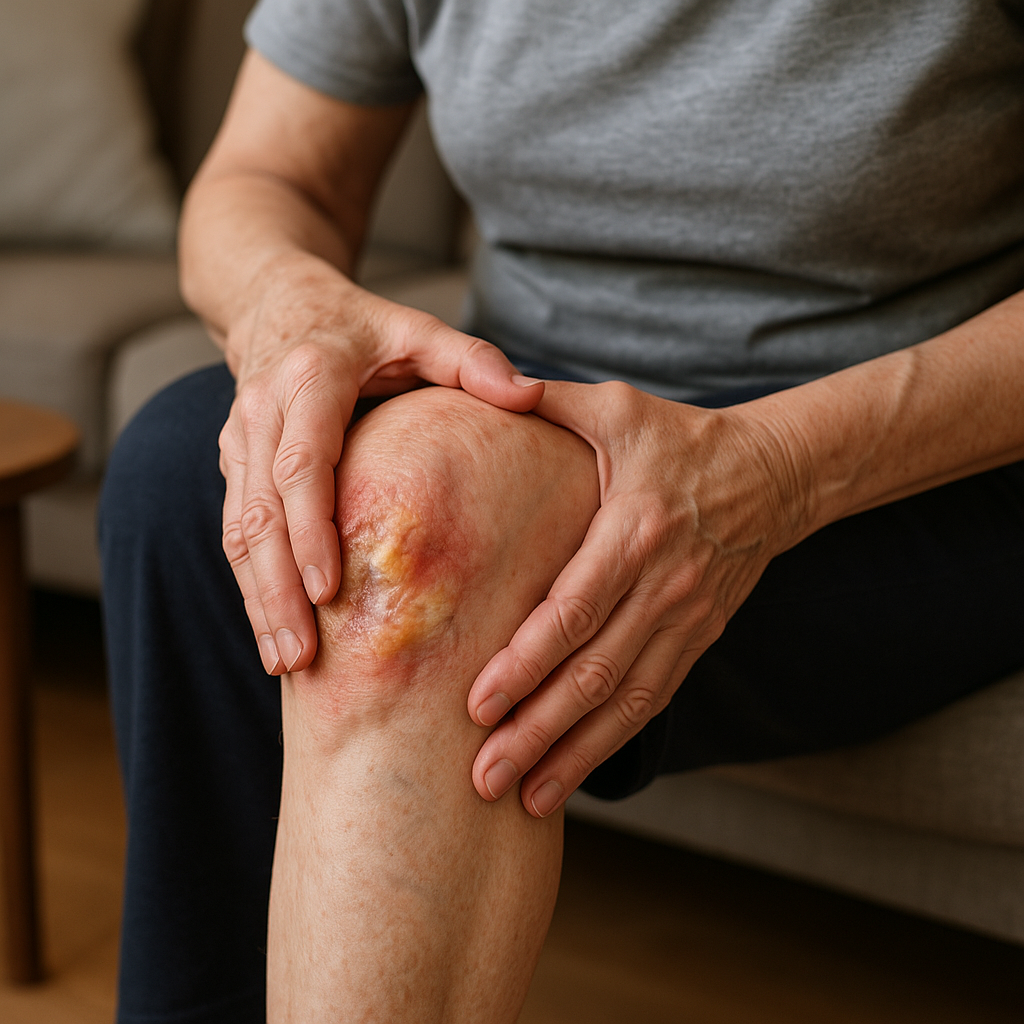
One person recovering from a knee injury may start by simply tolerating short walks without a pain spike. Over time, they rebuild strength and balance, then return to stairs, longer distances, and eventually sport—while learning how to manage training load so the joint stays calm.
Another person navigating burnout may begin with stabilising sleep and reducing daily demands. As their nervous system settles, they reintroduce structure: regular meals, gentle movement, and planned social contact. The “success” is not constant happiness; it is the ability to handle stress without crashing for days afterward.
In addiction recovery, progress can look like building a routine that reduces risk: attending support meetings, avoiding high-trigger situations early on, and practising coping skills when cravings hit. Over time, the focus often shifts from resisting urges to creating a life that feels worth protecting—work, relationships, health, and purpose.
Across all of these examples, the pattern is similar: small, repeatable actions create stability, and stability creates momentum. If your recovery feels slow, it may still be working—especially if your baseline is improving and your setbacks are becoming shorter and more manageable.
Frequently Asked Questions
What is the average duration of a recovery process?
There is no single average that applies to everyone. Recovery time depends on the condition, severity, overall health, stress levels, sleep quality, and how consistent your support and rehabilitation plan are. It is often more useful to track progress in phases and trends than to focus on a specific date.
How can I stay motivated during a long recovery?
Use small, realistic goals that you can achieve weekly, not just “someday.” Track a few simple markers (for example: minutes walked, pain levels after activity, sleep consistency, or therapy attendance) and celebrate stability as much as improvement. Motivation often follows routine—so focus on repeatable actions, not willpower.
Are there specific diets that can aid recovery?
A balanced diet that includes adequate protein, fibre, and a variety of vitamins and minerals supports healing and energy. Hydration also matters. If appetite is low or dietary needs are complex, a registered nutrition professional can help tailor a plan to your situation.
What role does sleep play in recovery?
Sleep is a core driver of physical repair, pain regulation, mood stability, and cognitive function. Poor sleep can increase sensitivity to pain and reduce your ability to cope with stress. Improving sleep habits—consistent bedtimes, reduced late caffeine, and a calmer wind-down routine—often supports recovery across many conditions.
How can I prevent relapses in addiction recovery?
Relapse prevention usually involves ongoing support, such as therapy, peer groups, and a clear plan for high-risk situations. Building healthy coping strategies, reducing exposure to triggers early on, and acting quickly when warning signs appear can make recovery more stable over time.
Can mental health recovery occur without medication?
For some people, therapy, lifestyle changes, and social support are enough. Others benefit from medication, either short-term or longer-term, depending on symptoms and history. A qualified mental health professional can help you weigh options based on your needs, preferences, and safety.
Kilder
- Psykiatrien Region Sjælland. ”Hvad er Recovery?”.
- Audiologi.dk. ”Speciale: Recovery”.
- Socialt Lederforum. ”Recovery: Fra Begreb til Virkelighed”.
- National Center for Biotechnology Information. "PMC8019304".
- Taber's Medical Dictionary. "Recovery".
- Balumed. "Recovery Period".
- Rehabilitation Matters. "Recuperation, Recovery, and Rehabilitation".
- PubMed. "32983748".