Daily exercise has gone from being a “nice-to-have” to a practical tool many people use to feel better in their bodies and clearer in their heads. Not because everyone suddenly has more free time, but because the idea of exercise has widened: it doesn’t have to mean an hour at the gym, special equipment, or an all-or-nothing mindset. A few intentional minutes of movement can fit between meetings, before breakfast, or while dinner is in the oven.
That matters, because modern routines are often built around sitting—at a desk, in a car, on a sofa. The result is that many of us finish the day feeling tired, stiff, and strangely under-energised. The right kind of daily exercise can flip that script. It helps wake up circulation, loosen tight hips and shoulders, and give your nervous system a reset. Just as importantly, it can be a reliable mood-lifter: when you move, you send your body a simple signal that you’re taking care of it.
Why daily exercise works (even when it’s short)
Consistency beats intensity for most people. A brief routine you actually repeat can do more for your energy and well-being than an ambitious plan that collapses after a week. Daily exercise can become a small anchor in your day—something that makes you feel capable, not guilty. Think of it as “maintenance movement”: enough to support your joints, posture, and stamina without demanding a full lifestyle overhaul.
The best part is that you can scale it to your current level. On high-energy days, you might add a few extra rounds or pick a faster pace. On low-energy days, you can keep it gentle and still keep the habit alive. That flexibility is what makes it sustainable.
The most common barriers (and how to get past them)
Not enough time is the classic obstacle, but it’s often really about friction. If exercise requires changing clothes, travelling, and planning, it’s easy to skip. A simpler approach is to aim for a small daily minimum—something you can do at home, in the office, or in a hotel room.
Low motivation is also common, especially if movement feels like punishment. Reframing helps: choose exercises that feel good in your body and leave you better than you started. Comfort matters here—if your back, knees, or wrists tend to complain, small adjustments to setup and posture can make daily exercise feel safer and more doable.
Not knowing where to start is the final hurdle. In the next section, we’ll break down simple, beginner-friendly options and time-efficient routines that fit real schedules—without needing a gym membership or complicated gear.
Health benefits of daily exercise
Daily exercise supports your body in ways you can feel quickly (more energy, less stiffness) and in ways that matter long-term (better heart and metabolic health). Regular movement helps improve circulation and cardiovascular capacity, which is closely tied to stamina in everyday tasks—walking up stairs, carrying groceries, or keeping up with kids. Over time, consistent activity is also associated with a lower risk of common chronic conditions such as heart disease and type 2 diabetes, especially when it includes a mix of aerobic movement and muscle-strengthening work.
Strength and impact also matter for resilience. Weight-bearing exercises (like squats, step-ups, and brisk walking) encourage stronger bones, while resistance-based movements help maintain muscle mass that naturally declines with age. The practical payoff is better joint support, improved balance, and fewer “twinges” from doing normal things—standing up from a chair, lifting a suitcase, or sitting for long periods.
Mental health, sleep, and focus
Movement isn’t only about muscles. Daily exercise can improve mood by supporting the body’s natural feel-good chemistry and by reducing stress tension that builds up during sedentary days. Many people also notice clearer thinking after a short workout, particularly when they’ve been staring at a screen for hours. Even a brief routine can act like a reset button—helping you shift from mental fatigue to a more alert, capable state.
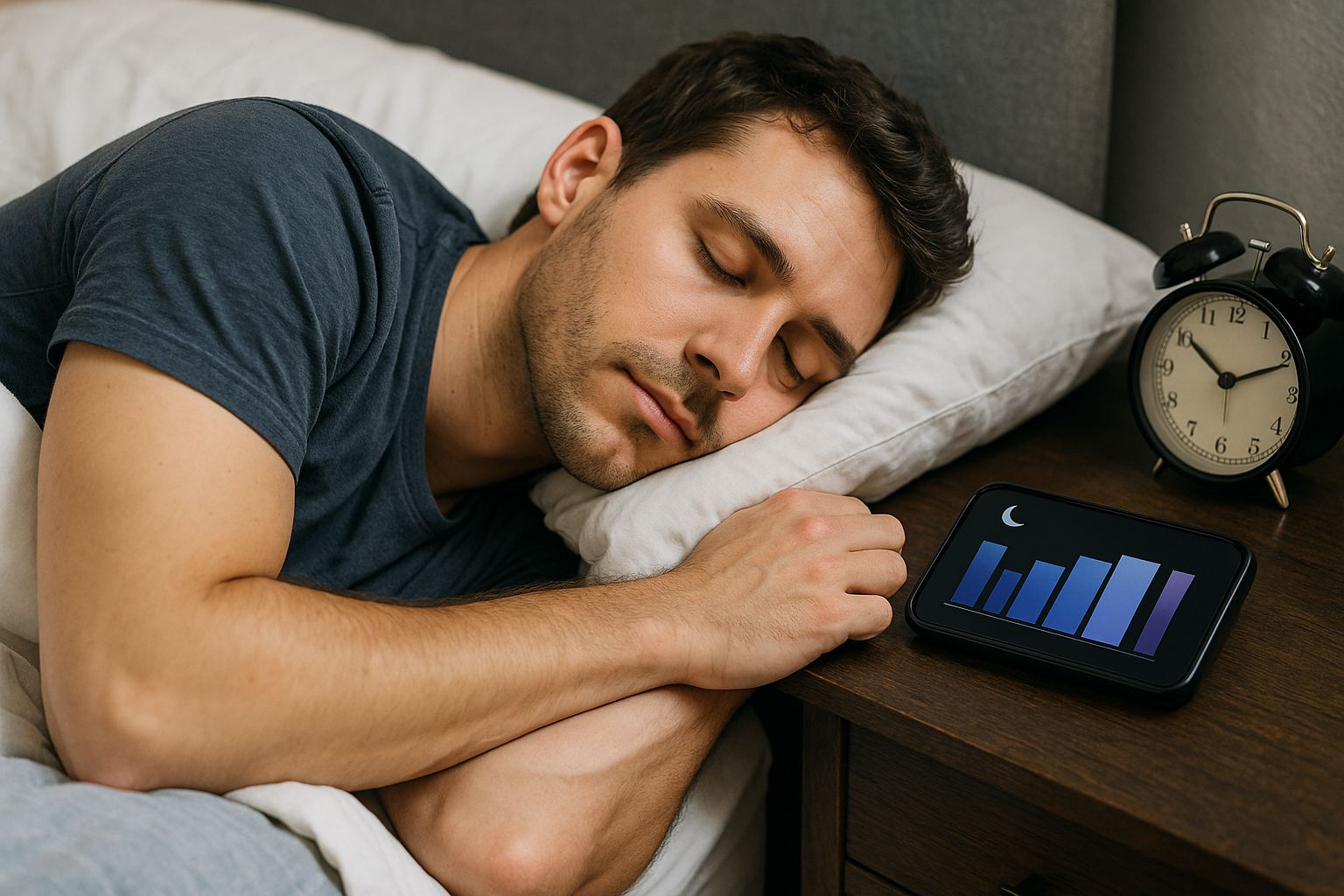
Sleep is another underrated benefit. A consistent pattern of activity during the day can make it easier to fall asleep and improve sleep quality, especially when you avoid intense workouts right before bed. If you’re trying to build a habit, this is a helpful feedback loop: better sleep makes it easier to exercise, and exercise makes it easier to sleep.
A beginner-friendly daily exercise routine (no equipment)
If you’re starting from scratch, the goal is to choose movements that train the whole body without leaving you sore for days. The routine below takes about 10–12 minutes. Move slowly at first, prioritising control and comfortable range of motion.
- Chair sit-to-stand (or squat): 8–12 reps. Keep your feet hip-width, drive through your heels, and keep your chest lifted.
- Wall push-ups: 8–12 reps. Hands on the wall at chest height, body in a straight line, elbows at about a 45-degree angle.
- Glute bridge: 10–15 reps. Lie on your back, knees bent, lift hips by squeezing glutes (not arching your lower back).
- Reverse lunge (assisted): 6–10 reps per side. Hold a desk or chair for balance and step back gently.
- Plank variation: 20–30 seconds. Start with a forearm plank on knees or a high plank with hands elevated on a sturdy surface.
Form tip: If your wrists or shoulders feel strained in planks or push-ups, elevate your hands on a desk or countertop. If your knees complain during squats or lunges, shorten the range and slow down the tempo. Daily exercise should challenge you, not punish you.
Time-efficient workouts: 10–15 minutes that still work
Short workouts can be surprisingly effective when they’re structured. One simple approach is intervals: alternate a “work” period with a brief rest, and repeat. For example, do 30 seconds of movement, then 30 seconds of easy marching in place, for 10 minutes total. Choose low-impact options like step-backs, fast bodyweight squats to a chair, mountain climbers on a desk, or alternating side steps with arm swings.
The advantage of intervals is that you can adjust intensity without changing the plan. If you’re new, keep the work periods moderate and focus on consistency. If you’re more conditioned, increase pace or reduce rest slightly. Either way, you’re building a daily exercise habit that fits real schedules.
Daily exercise for desk jobs: micro-breaks that add up
If you sit for most of the day, the most important “workout” may be the one that interrupts long, uninterrupted sitting. Try setting a timer for a 60–90 second movement break every hour. These micro-breaks help relieve stiffness in the hips, upper back, and neck, and they can improve posture awareness.
- Seated thoracic twist: Sit tall, gently rotate your upper body left and right for 5 slow breaths each side.
- Hip flexor opener: Stand, take a small step back, and gently tuck your pelvis to feel the front of the hip open (20–30 seconds per side).
- Calf raises: 15–20 reps while waiting for a file to load or the kettle to boil.
- Scapular squeezes: Pull shoulder blades down and back for 8–10 slow reps to counter “keyboard shoulders.”
Helpful data to keep expectations realistic
Many adults still don’t meet common activity guidelines, which helps explain why stiffness, low energy, and posture-related discomfort are so widespread. A sedentary routine doesn’t just affect fitness; it can impact long-term health and quality of life. The encouraging part is that you don’t need perfection to benefit. When daily exercise is consistent—even in small doses—it can improve how you feel day to day while quietly building a healthier baseline over months and years.
Make daily exercise a habit you can keep
The most effective daily exercise plan is the one that fits your real life. Instead of aiming for a perfect routine, build a simple structure you can repeat even on busy days. A helpful approach is to set a “minimum dose” you can always complete—such as 5 minutes of movement in the morning or a 10-minute circuit after work. Once the habit is stable, you can add intensity or time without relying on motivation.
Try anchoring daily exercise to an existing routine: after brushing your teeth, before your first coffee, or right after you shut down your laptop. This reduces decision fatigue and makes movement feel automatic. Tracking can also help, but it does not need to be complicated. A calendar checkmark, a note in your phone, or a simple weekly tally can reinforce consistency and show progress you might not feel day to day.
Balance your routine for better results
Many people default to one type of workout, but a balanced mix tends to feel better in the body over time. Aim to rotate between:
- Cardio-focused movement (brisk walking, stair intervals, low-impact marching circuits) to support heart health and energy.
- Strength work (squats to a chair, wall push-ups, glute bridges) to support joints, posture, and everyday lifting.
- Mobility and recovery (gentle hip openers, thoracic rotations, calf stretches) to reduce stiffness from sitting.
This variety also helps with consistency. If you are tired or sore, you can choose a lighter mobility day and still keep your daily exercise streak intact.
Motivation that lasts beyond week one
Motivation is unreliable, so it helps to design your routine around convenience and comfort. If you often skip workouts because you feel drained, start with a “warm-up only” rule: commit to 2 minutes of easy movement (marching in place, shoulder rolls, gentle squats). In many cases, starting is the hardest part, and you will naturally continue.
Social accountability can also make daily exercise easier to maintain. That might mean a friend you check in with, a shared step goal, or a virtual fitness community where you follow a simple plan. If you enjoy guided sessions, short app-based workouts can provide structure without requiring extra planning—just keep the intensity appropriate for your current fitness level.
Ergonomics: reduce strain and move more comfortably
Daily exercise should leave you feeling better, not more irritated in your back, neck, knees, or wrists. Ergonomics can help by improving your setup and reducing unnecessary strain—especially if you spend most of the day sitting.
- Standing desks can make it easier to add light movement breaks (calf raises, hip hinges, gentle step-backs) without needing to “start a workout.”
- Lumbar support can encourage a more neutral spine during seated work, which may reduce the end-of-day stiffness that makes exercise feel harder.
- Supportive mats can make standing movement and low-impact routines more comfortable for feet and joints.
For exercise form, small adjustments matter. If planks or push-ups bother your wrists, elevate your hands on a stable surface. If squats trigger knee discomfort, reduce depth, slow down, and focus on controlled movement. Comfort is not a shortcut—it is often what makes daily exercise sustainable.

Women's Posture Shirt™ - Black
Patented shirt improves posture, reduces pain, and supports daily comfort.

Men's Posture Shirt™ - Black
Patented shirt to improve posture, relieve pain, and support muscles daily.
Frequently Asked Questions
What are the best exercises for beginners?
Beginner-friendly daily exercise usually includes simple bodyweight movements that train major muscle groups without complex technique. Good options include chair sit-to-stands (or squats to a chair), wall push-ups, glute bridges, assisted reverse lunges, and a short plank variation with hands elevated on a sturdy surface.
How much daily exercise is recommended?
A common weekly target is at least 150 minutes of moderate-intensity activity, which can be broken into smaller daily sessions. For many people, 20–30 minutes most days works well, but even 10–15 minutes of daily exercise can be a meaningful starting point when consistency is the priority.
Can I exercise if I have a sedentary job?
Yes. If you sit for long periods, combining a short daily exercise session with brief movement breaks can be especially effective. Try standing up at least once per hour for 60–90 seconds of movement, such as calf raises, a gentle hip flexor opener, or shoulder blade squeezes, and then add a 10-minute routine before or after work.
How can I stay motivated to exercise daily?
Keep the barrier to entry low. Set a minimum you can complete even on busy days (for example, 5 minutes), attach it to a consistent time cue, and track it simply. Variety also helps—rotate strength, cardio, and mobility days so daily exercise stays interesting and feels manageable.
Do ergonomic aids really matter for daily exercise?
They can. Ergonomic supports and a comfortable setup may reduce strain that otherwise discourages movement, particularly for people with desk-based routines. Tools like a standing desk, lumbar support, or an anti-fatigue mat can make it easier to move more often and maintain better posture during the day, which can support more comfortable daily exercise over time.
Källor
- Hearing Review (2023). "Fitness and Better Hearing: Part 1." Hearing Review.
- ScienceAlert (2023). "Just 5 Minutes of Extra Activity Each Day Could Extend Your Life." ScienceAlert.
- Gunnars, K. (2023). "10 Benefits of Exercise." Healthline.
- MedlinePlus (2023). "Benefits of Exercise." MedlinePlus.
- Mayo Clinic (2023). "Exercise: How much do I need every day?" Mayo Clinic.
- YTHS (2021). "10 Facts About the Benefits of Everyday Exercise." YTHS.