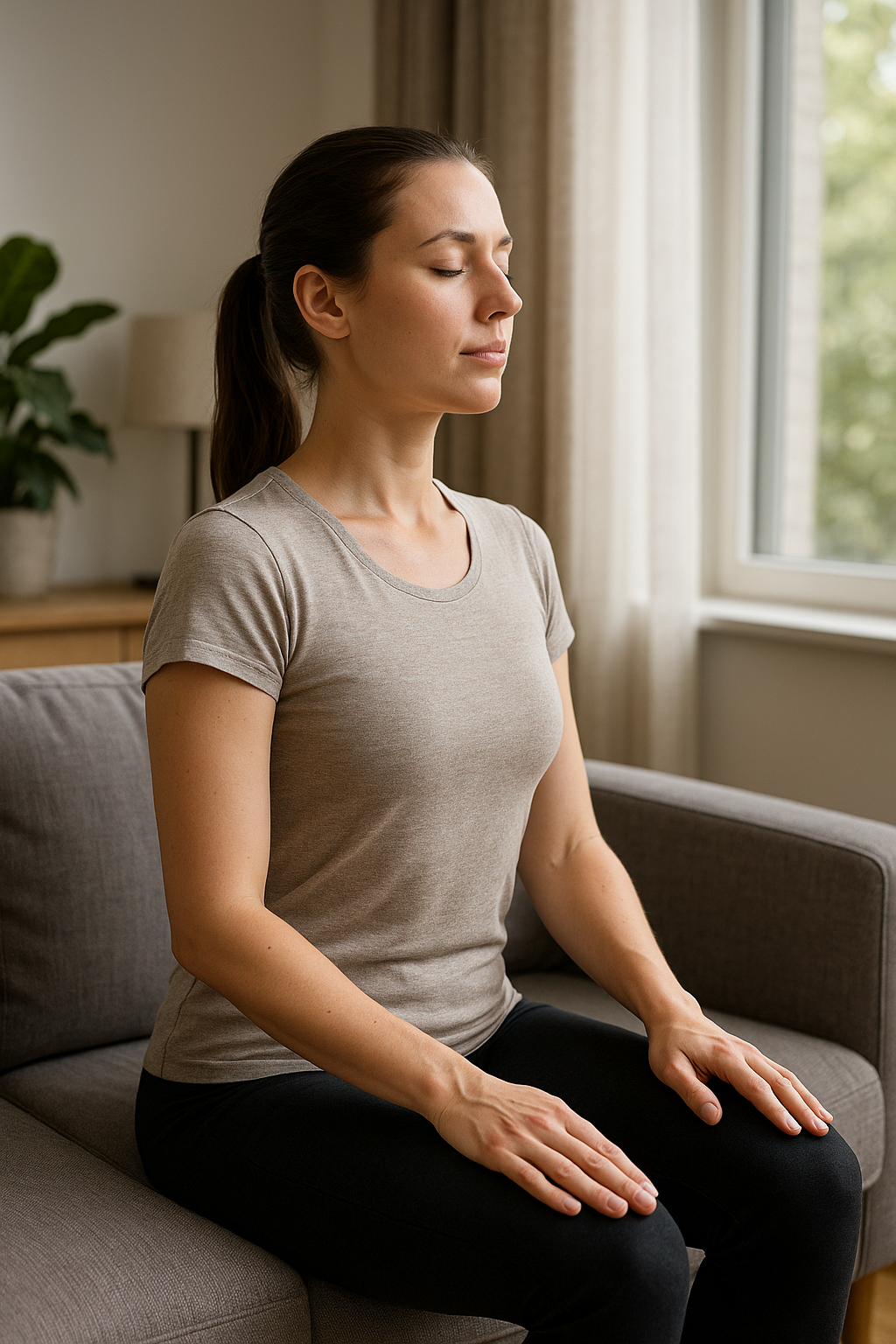
Exercise stress is a concept that holds two distinct meanings, each offering valuable insights into our health. On one hand, it refers to exercise stress tests, used in the medical field to assess heart health. On the other, it highlights the role of physical activity in alleviating psychological stress. Understanding these dual interpretations is essential for appreciating how exercise can transform mental tension into tranquility.
Understanding exercise stress
The term "exercise stress" can initially seem daunting, especially when associated with medical diagnostics. An exercise stress test, often conducted on a treadmill or stationary bike, evaluates how the heart responds to physical exertion. This test is crucial for detecting coronary artery disease, arrhythmias, and assessing symptoms such as chest pain. But exercise stress extends beyond the clinical realm. It also encompasses the psychological benefits of physical activity, where exercise acts as a natural antidote to stress, enhancing mental resilience and well-being.
The dual nature of exercise stress
Exercise stress tests are a cornerstone in evaluating cardiovascular health. These tests measure heart rate, rhythm, and blood pressure under increased physical activity, providing insights into the heart's performance and potential issues. However, the benefits of exercise extend far beyond heart health. Regular physical activity is a proven buffer against psychological stress. It helps in reducing anxiety and depression, promoting a sense of calm and improving overall mental health. This dual nature of exercise stress underscores its importance in both preventive healthcare and mental well-being.
The connection to Anodyne's mission
Anodyne's commitment to promoting overall body health aligns seamlessly with the principles of exercise and stress management. Our focus on ergonomic aids supports a lifestyle that integrates movement and reduces stress, reflecting the transformative power of exercise. By encouraging physical activity and providing ergonomic solutions, Anodyne aims to enhance both physical and mental health, helping individuals achieve a state of balance and tranquility.
Exercise stress tests: heart health perspective
Exercise stress tests are pivotal in the realm of cardiology, offering a non-invasive method to evaluate heart health. The procedure typically involves a patient walking on a treadmill or cycling on a stationary bike while their heart activity is closely monitored. This setup allows healthcare providers to observe how the heart responds to physical exertion, helping to detect conditions such as coronary artery disease and arrhythmias. Additionally, it aids in evaluating symptoms like chest pain or shortness of breath, providing valuable insights into the cardiovascular system's performance under stress.
Despite its utility, the exercise stress test is not without its limitations. Its diagnostic accuracy, while useful, is not absolute. Studies indicate a sensitivity of approximately 0.66 and a specificity of about 0.61. This means there is a notable occurrence of false positives and negatives, which can sometimes lead to further testing with imaging modalities like echocardiograms or nuclear stress tests for a more precise diagnosis. Safety during these tests is paramount, with protocols in place to terminate the test early if the patient experiences significant chest pain, severe fatigue, or abnormal blood pressure responses.
Exercise and psychological stress: mental health perspective
Beyond its physical benefits, exercise plays a crucial role in alleviating psychological stress. A growing body of research supports the notion that regular physical activity can significantly reduce anxiety and depression, with moderate to large effect sizes observed in various studies. This stress-reducing capacity of exercise is not limited to one type of activity; different forms, including aerobic exercises, resistance training, and even mind-body practices like Pilates, have shown efficacy in enhancing mental well-being.
The neurobiological mechanisms underpinning this stress relief are fascinating. Exercise influences stress-related brain circuits and hormonal responses, promoting resilience against psychological stressors. It modulates the hypothalamic-pituitary-adrenal (HPA) axis and increases the release of endorphins, which are natural mood lifters. Moreover, even light daily activities can act as a buffer against stress, reducing its emotional impact and enhancing overall mental health.

Women's Posture Shirt™ - Black
Støtter din holdning, lindrer smerter og spændinger – ideel til daglig brug og træning.
Exercise as a stress buffer: building resilience
Incorporating regular exercise into one’s routine is a powerful strategy for building emotional resilience. Studies have shown that individuals who exercise regularly exhibit lower cardiovascular and cortisol responses to stress, indicating a more robust stress response system. This habitual exercise not only maintains mental well-being but also breaks the cycle of stress and inactivity. During periods of high stress, people often become less physically active, but those with established exercise habits are better equipped to maintain their activity levels.

Men's Posture Shirt™ - Black
Forbedrer kropsholdning, aktiverer muskler og kan lindre spændinger – ideel til daglig brug eller træning.
To foster these habits, integrating ergonomic solutions and movement into daily routines can be beneficial. Simple strategies, such as taking micro-breaks for light physical activity or setting up an ergonomic workspace, can encourage consistent exercise even during stressful times. By doing so, individuals can effectively manage stress and enhance their overall health, aligning with Anodyne’s mission of promoting wellness through ergonomic aids and lifestyle integration.
Exercise types and their impact on stress
Understanding which types of exercise are most effective for stress relief can guide individuals in choosing the best activities to incorporate into their routines. Aerobic exercises like running, swimming, and cycling are well-known for their ability to reduce stress levels by increasing heart rate and releasing endorphins. Resistance training, including weightlifting and bodyweight exercises, also plays a crucial role in stress reduction by enhancing mood and promoting a sense of accomplishment.
Mind-body exercises such as yoga and Pilates offer a unique approach by combining physical movement with mindfulness, helping to calm the mind and reduce stress. Each exercise modality has distinct benefits, and a combination of these activities can provide comprehensive stress relief. To start and maintain an exercise routine, setting SMART goals—specific, measurable, achievable, relevant, and time-bound—can be effective. Finding activities that are enjoyable and fit seamlessly into daily life is key to sustaining long-term exercise habits.
Connecting exercise with Anodyne's ergonomic solutions
Integrating exercise with ergonomic solutions can enhance stress management and overall well-being. Anodyne's ergonomic aids, such as posture-friendly chairs and adjustable desks, support physical health by promoting proper alignment and reducing strain during daily activities. Incorporating micro-breaks to perform light stretches or short walks can further alleviate stress and improve circulation.
These practical movement strategies not only support physical health but also contribute to mental tranquility. By encouraging ergonomic practices and regular movement, Anodyne helps individuals manage stress effectively, aligning with its mission to promote wellness through integrated lifestyle solutions.
Frequently Asked Questions
What is an exercise stress test?
An exercise stress test is a medical procedure that evaluates how the heart responds to physical exertion. It typically involves walking on a treadmill or cycling on a stationary bike while heart activity is monitored to detect conditions such as coronary artery disease and arrhythmias.
How does exercise reduce stress?
Exercise reduces stress by influencing brain circuits and hormonal responses. It increases the release of endorphins, which are natural mood lifters, and modulates the hypothalamic-pituitary-adrenal (HPA) axis, enhancing resilience against psychological stressors.
What are the best exercises for stress relief?
Aerobic exercises, resistance training, and mind-body practices like yoga and Pilates are among the most effective for stress relief. Each type offers unique benefits, and a combination can provide comprehensive stress management.
How can I maintain an exercise routine when stressed?
To maintain an exercise routine during stressful periods, set realistic goals, choose activities you enjoy, and incorporate exercise into your daily schedule. Ergonomic setups and micro-breaks can help sustain activity levels even when stress is high.
Is a stress test safe?
Exercise stress tests are generally safe, with protocols in place to ensure patient safety. Tests are terminated early if significant symptoms occur, such as chest pain or abnormal blood pressure responses, to prevent any adverse effects.
Källor
- FYSS (2016). "Fysisk aktivitet och stress." FYSS.
- Läkartidningen (2004). "Fysisk aktivitet och hälsa." Läkartidningen.
- Sundhedsstyrelsen (2016). "Stress og fysisk træning som behandling." Sundhedsstyrelsen.
- Matzau, S. (2014). "Stress og motion." Matzau.
- iForm (2021). "Motion og stress." iForm.
- Mayo Clinic (2021). "Exercise and stress: Get moving to manage stress." Mayo Clinic.
- Arbetslivsinstitutet (1998). "Stress och fysisk aktivitet." Arbetslivsinstitutet.
- Kry (2021). "Fysisk aktivitet, kortisol og stress." Kry.
- Tag Stress Alvorligt (2021). "Motion og stress." Tag Stress Alvorligt.
- Gerber, M. (2008). "Exercise and Stress." German Journal of Sports Medicine.