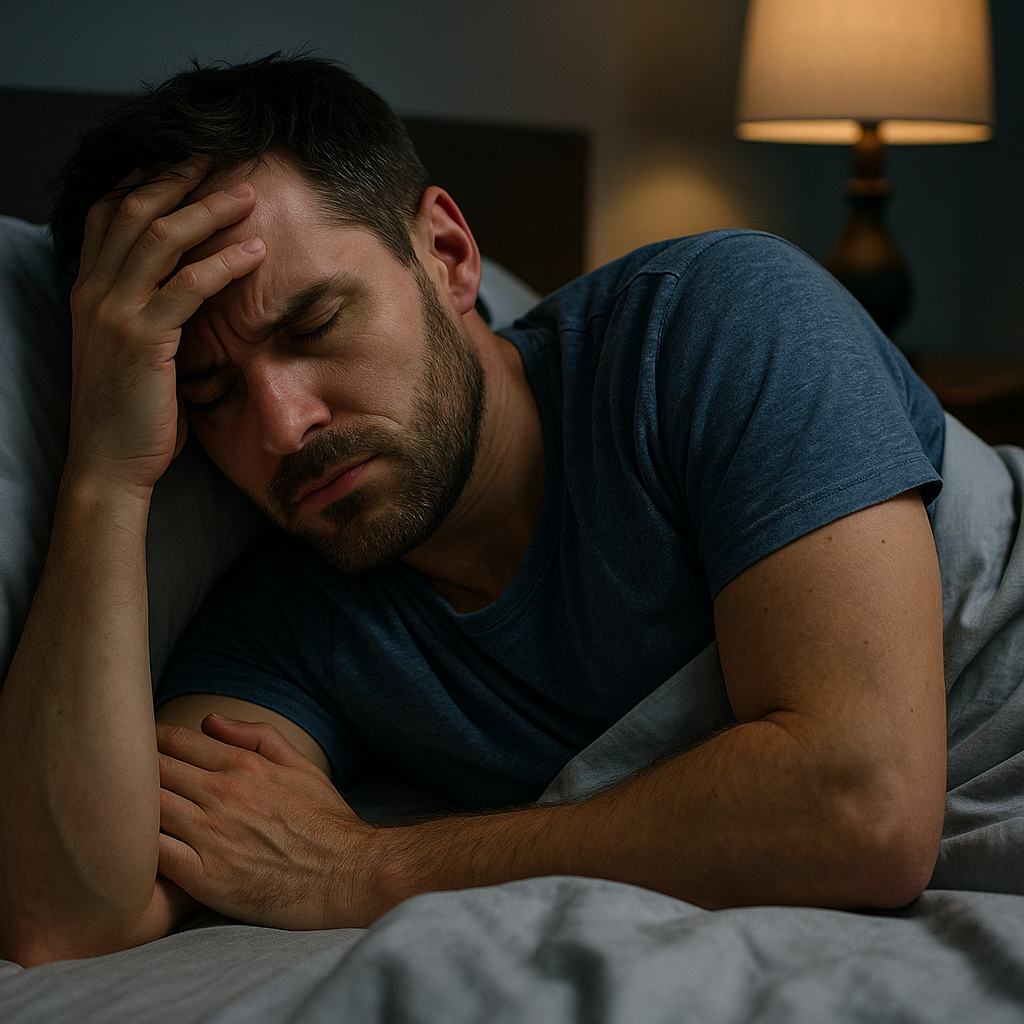
Sleeping positions are a fundamental part of our nightly routines, yet not all positions are created equal. Among these, sleeping on your stomach is often a topic of debate, weighing comfort against potential health drawbacks. While some people find this position cozy and secure, health experts frequently caution against it due to possible spine misalignment and neck strain.
Understanding the debate: comfort versus health risks
For those who naturally gravitate towards stomach sleeping, the position might feel like a snug embrace, offering a sense of security. However, this comfort can come at a cost. The primary concern with stomach sleeping is the alignment of the spine. When you sleep on your stomach, the natural curve of your spine can flatten, leading to increased pressure on the back and potential discomfort. Additionally, this position often requires turning the head to one side, which can cause neck pain and increase the risk of long-term neck issues.
Despite these concerns, some benefits are associated with sleeping on your stomach. For instance, it can help reduce snoring and mild sleep apnea by keeping the airway open. This can be particularly beneficial for individuals who struggle with breathing issues during sleep. Moreover, some people find that this position aids digestion or reduces heartburn, although this is not universally agreed upon.
The purpose of exploring stomach sleeping
This post aims to provide a comprehensive overview of the health implications of sleeping on your stomach, supported by expert insights and practical tips for those who prefer this position. By understanding both the risks and benefits, you can make informed decisions about your sleep habits and explore ways to mitigate potential discomfort. Whether you're a dedicated stomach sleeper or someone curious about the position's effects, this exploration will offer valuable insights into how your sleeping posture can impact overall well-being.
exploring the health risks of sleeping on your stomach
Sleeping on your stomach, while comfortable for some, often brings several health risks primarily related to spinal alignment and musculoskeletal strain. When you lie face down, the natural curve of the spine can become flattened, leading to discomfort and pain in the lower back. This misalignment is problematic because it places undue stress on the spine, which can result in chronic pain and even long-term issues if the position is maintained over time.

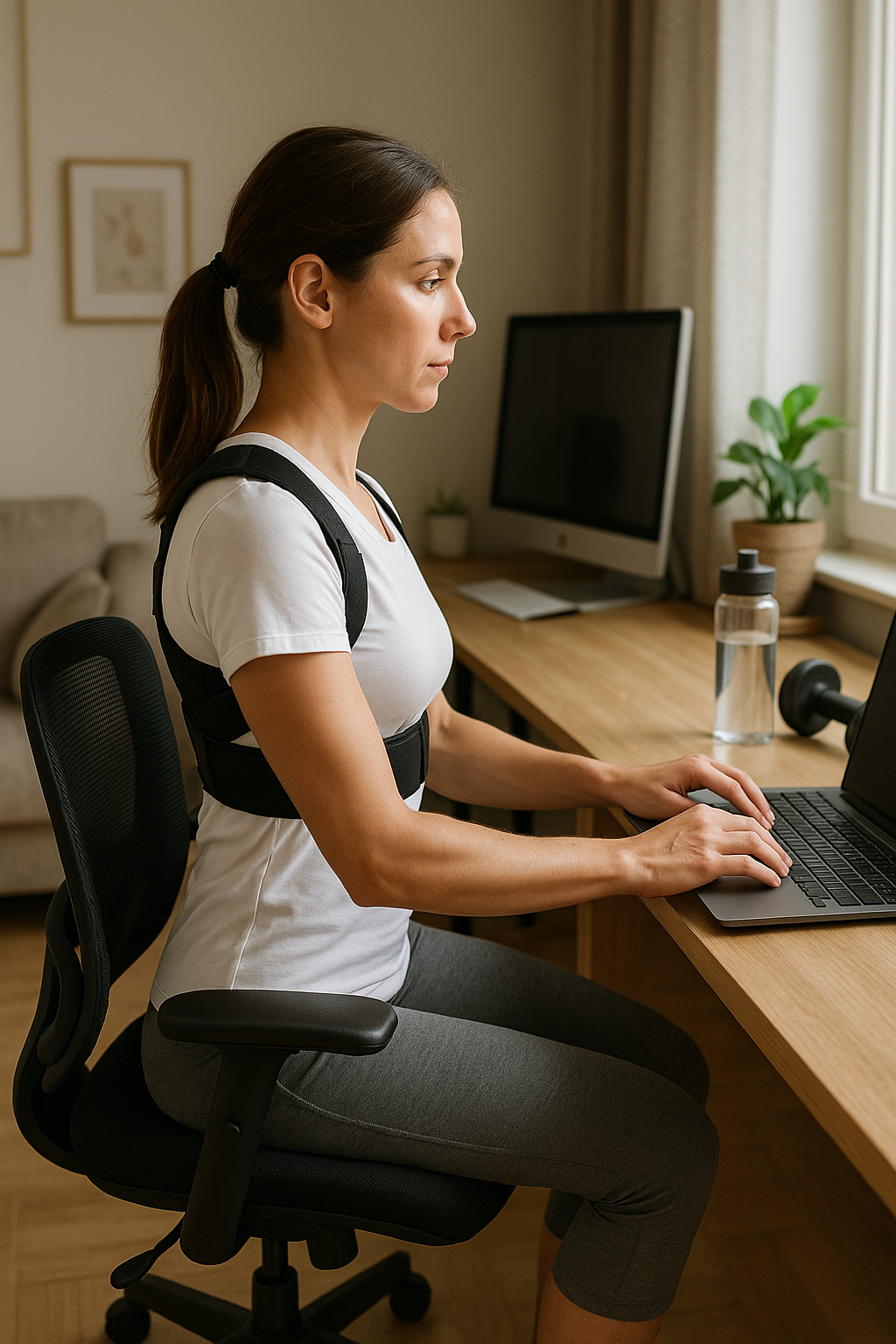
Lumbar support belt
Stabilizes and relieves your lower back pain and discomfort, all day.
Moreover, neck strain is a significant concern for stomach sleepers. To breathe comfortably, one must turn their head to one side, which can lead to neck pain and stiffness. This awkward position can increase the risk of developing long-term neck problems, including nerve compression and disc issues. The twisting and bending of the neck in this manner are not conducive to maintaining a healthy posture, especially during the hours of sleep when the body should be in a state of rest and recovery.
understanding the potential benefits of stomach sleeping
Despite these risks, there are potential benefits to sleeping on your stomach that are worth noting. One of the most frequently mentioned advantages is the reduction in snoring and mild sleep apnea symptoms. By lying face down, the airway remains open, which can help reduce the likelihood of airway collapse—a common cause of snoring. For individuals who experience mild sleep apnea, this position might offer some relief.
Additionally, some people report that sleeping on their stomach aids in digestion and reduces episodes of heartburn. This benefit is not universally accepted, as it can vary from person to person. The pressure on the abdomen may help in some cases, but it could potentially exacerbate digestive issues in others. Therefore, while there are benefits, they are often overshadowed by the potential for musculoskeletal discomfort.
special considerations for stomach sleepers
Pregnancy is a critical time when sleeping on your stomach is generally discouraged. As the pregnancy progresses, this position can become uncomfortable and potentially risky for both the mother and the baby. Health experts advise pregnant individuals to avoid stomach sleeping, especially during the later stages, in favor of side sleeping, which is considered safer and more comfortable.
For those who cannot easily transition away from stomach sleeping, there are practical adjustments that can mitigate some of the risks. Using a thin pillow or no pillow at all can help reduce neck strain. Placing a small pillow under the pelvis can assist in maintaining spinal alignment by preventing the lower back from arching excessively. Additionally, selecting a medium-firm mattress can provide the necessary support to prevent the body from sinking too deeply, which helps maintain a more neutral spine position.
visualizing spinal alignment in different sleeping positions
Understanding how different sleeping positions affect spinal alignment can be crucial for those looking to optimize their sleep posture. Visual aids, such as diagrams showing the alignment of the spine in various positions, can be particularly helpful. These visuals can illustrate the differences in stress points and highlight why certain positions, like stomach sleeping, might lead to discomfort. By comparing these visuals, individuals can better understand the impact of their preferred sleeping position and make informed decisions to enhance their sleep quality and overall health.
Practical tips for stomach sleepers
For those who find it difficult to transition away from sleeping on their stomach, there are several practical adjustments that can help minimize potential discomfort and health risks. One of the primary considerations is pillow use. Opting for a thin pillow or no pillow under the head can significantly reduce neck strain by preventing excessive neck extension. Additionally, placing a small pillow under the pelvis can help maintain the natural curve of the spine, reducing lower back pressure and promoting better alignment.
Choosing the right mattress is also crucial. A medium-firm mattress is often recommended for stomach sleepers, as it provides adequate support without allowing the body to sink too deeply. This firmness helps keep the spine in a more neutral position, reducing the risk of discomfort and long-term spinal issues.
Incorporating stretching and exercise into your daily routine can further aid in alleviating tension and promoting spinal health. Gentle morning stretches can help realign the spine and relieve any stiffness or discomfort that may have developed overnight. Engaging in regular exercise, particularly activities that strengthen the core and back muscles, can also support better posture and spinal alignment.

Men's Posture Shirt™ - White
Patented shirt for pain relief and better posture in everyday life.
Ergonomic adjustments for better sleep
Ergonomic aids can play a significant role in making stomach sleeping more comfortable and less harmful. Specialized pillows designed to support the neck and spine can be beneficial for those who struggle with neck pain. Mattress toppers that provide additional support and cushioning can also help distribute body weight more evenly, reducing pressure points and enhancing overall comfort.
By making these ergonomic adjustments, stomach sleepers can mitigate some of the risks associated with their preferred sleeping position. These aids not only enhance comfort but also contribute to better sleep quality and overall well-being.
Comparing sleep positions: pros and cons
Understanding the pros and cons of different sleeping positions can help individuals make informed decisions about their sleep habits. While stomach sleeping can offer benefits such as reduced snoring and mild sleep apnea, it is often associated with spinal misalignment and neck strain. In contrast, side and back sleeping positions are generally considered better for maintaining a neutral spine and reducing pressure on joints.
A comparison table can provide a clear overview of the advantages and disadvantages of each position, helping individuals identify the best option for their needs and preferences. By considering these factors, sleepers can optimize their posture and enhance their sleep quality.
Frequently Asked Questions
Is it bad to sleep on your stomach every night?
Generally, yes. Sleeping on your stomach can lead to spinal misalignment and neck strain. However, with certain adjustments, such as using a thin pillow and a medium-firm mattress, the negative effects can be minimized.
Can stomach sleeping help with snoring?
Yes, for some individuals, stomach sleeping can reduce snoring and mild sleep apnea by keeping the airway open. However, it is important to balance this benefit with the potential for musculoskeletal discomfort.
What can I do if I can't change my sleeping position?
If you find it difficult to change your sleeping position, consider using ergonomic aids like thin pillows and a medium-firm mattress. Incorporating stretching and exercise into your routine can also help alleviate tension and promote better spinal alignment.
Should pregnant women avoid stomach sleeping?
Yes, especially in the later stages of pregnancy. Stomach sleeping can pose risks to both the mother and the baby, so it is generally advised to adopt side sleeping, which is safer and more comfortable during pregnancy.
Are there any cosmetic concerns with stomach sleeping?
Yes, stomach sleeping can contribute to facial wrinkles due to prolonged pressure on the face. It may also lead to stretching of breast tissue over time.
Kilder
- Bedre Nætter. (n.d.). ”Hvordan skal min sovestilling være?” Bedre Nætter.
- WeightWorld. (n.d.). ”Derfor skal du sove på venstre side - mærk de mange fordele.” WeightWorld.
- iForm. (n.d.). ”Så godt er det at sove på maven.” iForm.
- Krop+Fysik. (n.d.). ”Lig behageligt og kom sovende til sundhed.” Krop+Fysik.
- Healthgroup. (n.d.). ”Hvordan skal du sove for at undgå søvnrelaterede problemer?” Healthgroup.
- Sundhedsstyrelsen. (n.d.). ”Forebyg vuggedød og undgå skæv hovedfacon og fladt baghoved.” Sundhedsstyrelsen.
- Seng.dk. (n.d.). ”Hvad er den bedste sovestilling?” Seng.dk.
- Matas. (n.d.). ”Baby skal sove på maven.” Matas.
- Illustreret Videnskab. (n.d.). ”Er det bedst at sove på højre eller venstre side?” Illustreret Videnskab.
- Videnskab.dk. (n.d.). ”Hvilken stilling er bedst at sove i?” Videnskab.dk.
- Søvn Comfort. (n.d.). ”De bedste sovestillinger - lig rigtigt og sov godt.” Søvn Comfort.
- Netdoktor. (n.d.). ”Kender du den bedste sovestilling for dig?” Netdoktor.