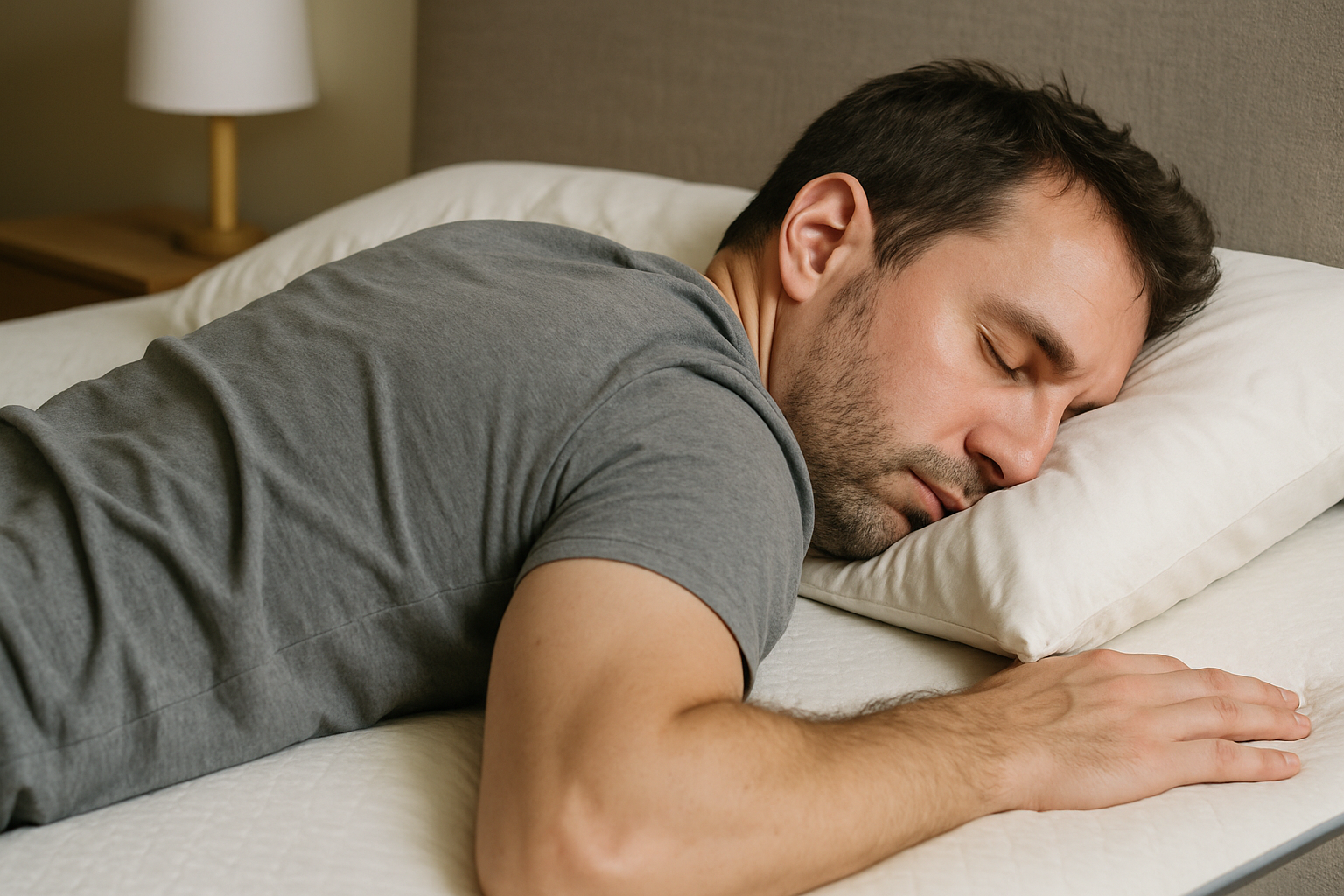
In today's fast-paced world, many individuals find themselves unable to sleep due to stress, a condition known as stress-induced insomnia. This phenomenon is not just a minor inconvenience; it's a widespread issue that affects countless people, impacting not only their nightly rest but also their overall well-being. Stress-induced insomnia creates a vicious cycle known as the "stress-sleep cycle," where stress disrupts sleep, and poor sleep, in turn, exacerbates stress levels.
Understanding stress-induced insomnia
Stress-induced insomnia is a condition where stress and anxiety make it difficult to fall asleep or stay asleep. This type of insomnia is particularly prevalent in people who experience high levels of stress due to work, personal relationships, or other life circumstances. The inability to achieve restful sleep can lead to a range of negative outcomes, including decreased cognitive function, mood disturbances, and a weakened immune system.
The stress-sleep cycle is a critical concept in understanding this condition. When stress levels rise, the body's natural response is to release stress hormones like cortisol, which can interfere with the body's ability to relax and fall asleep. This disruption in sleep can then lead to increased stress, creating a continuous loop that can be challenging to break.
Why addressing stress-induced insomnia matters
Addressing stress-induced insomnia is crucial for maintaining overall health and well-being. Sleep is a fundamental component of a healthy lifestyle, and its absence can have far-reaching effects on both physical and mental health. Some individuals may have higher "sleep reactivity," meaning they are more susceptible to experiencing sleep disturbances when stressed. Understanding and managing this condition is essential for those affected, as it can significantly improve quality of life.
Recognizing the impact of stress on sleep is the first step towards addressing insomnia. By identifying the factors that contribute to stress-induced insomnia, individuals can take proactive steps to manage their stress and improve their sleep quality. This might involve adopting relaxation techniques, improving sleep hygiene, or seeking professional help if necessary.
In the following sections, we will explore the science behind stress and sleep, as well as practical techniques to break the stress-sleep cycle, enabling you to unlock restful nights and conquer stress-induced insomnia.
the science behind stress and sleep
Understanding the intricate relationship between stress and sleep is key to addressing stress-induced insomnia. Physiologically, stress triggers the release of hormones such as cortisol, which increases alertness and prepares the body for a "fight or flight" response. While this response is beneficial in short bursts, chronic stress leads to prolonged cortisol release, making it difficult to relax and fall asleep. This state of "hyper-arousal" is a significant factor in stress-related insomnia, preventing the body from entering the restful stages of sleep necessary for recovery.
Psychologically, stress often leads to rumination, where individuals repeatedly think about stressful events, making it hard to switch off and relax. The pervasive use of smartphones and other digital devices exacerbates this problem, as the blue light emitted by screens can disrupt the body's natural circadian rhythms. Additionally, social anxiety and the constant connectivity of social media can contribute to a heightened state of alertness, further disrupting sleep.
practical techniques to break the stress-sleep cycle
Breaking the stress-sleep cycle requires a multifaceted approach, combining both physical and psychological strategies. Stimulus control and posture are foundational practices that can significantly improve sleep quality. This includes maintaining a consistent sleep schedule, creating a calming bedtime routine, and limiting exposure to screens and bright lights before bed. Writing down thoughts before bedtime can also help clear the mind and reduce nighttime rumination.
Relaxation and cognitive strategies are equally important in managing stress-induced insomnia. Techniques such as the 4–7–8 breathing exercise, which involves inhaling for four seconds, holding the breath for seven seconds, and exhaling for eight seconds, can promote relaxation and reduce anxiety. Progressive muscle relaxation, where you systematically tense and then relax different muscle groups, can also help ease physical tension.
Incorporating mindfulness practices, such as meditation and yoga, into your daily routine can cultivate a state of calmness and presence, making it easier to fall asleep. Engaging in a warm bath or listening to soothing music before bed can further enhance relaxation, signaling to the body that it is time to wind down.
By understanding the physiological and psychological factors that contribute to stress-induced insomnia and adopting practical techniques to manage stress, individuals can effectively break the stress-sleep cycle. This holistic approach not only improves sleep quality but also enhances overall well-being, paving the way for restful nights and rejuvenated mornings.
Daily habits to support better sleep
To effectively combat stress-induced insomnia, integrating supportive daily habits is crucial. Regular physical activity, exposure to natural light, and a balanced diet play significant roles in reducing stress and enhancing sleep quality. Exercise, in particular, helps decrease stress hormones and increases the production of endorphins, which promote a sense of well-being. Spending time outdoors not only enhances mood but also helps regulate the body's internal clock, making it easier to fall asleep at night.
Additionally, planning "worry time" earlier in the day can prevent nighttime rumination. By setting aside a specific time to address concerns, you can reduce the likelihood of these thoughts intruding on your relaxation and sleep time. This practice can help clear your mind and prepare you for a more restful night.
Ergonomic and body-based strategies
Physical stress can exacerbate insomnia, making it essential to address ergonomic factors and body posture throughout the day. Ergonomic aids, such as posture-correcting chairs or desks, can reduce physical stress and tension, contributing to a more relaxed state at bedtime. Incorporating light stretching and movement routines into your daily habits can also promote relaxation and help ease muscle tension.

Men's Posture Shirt™ - White
Improves posture and can help relieve pain and muscle tension. Medical device with patented technology.

Women's Posture Shirt™ Zipper - Black
Helps activate muscles, reduce pain, and improve posture. Easy to put on with full-length zipper.
Simple exercises, such as gentle yoga or tai chi, can be effective in reducing stress and preparing the body for sleep. These practices not only improve flexibility and strength but also encourage mindfulness and relaxation, which are beneficial for achieving restful sleep.
When to seek professional help
While lifestyle modifications and relaxation techniques can be effective for many, there are situations where professional intervention may be necessary. If you experience sleep issues three or more nights a week for over a month, or if insomnia significantly impacts your daily functioning, it may be time to seek medical evaluation. Cognitive Behavioral Therapy for Insomnia (CBT-I) is a highly effective treatment for persistent insomnia, addressing the underlying thoughts and behaviors that contribute to sleep disturbances.
Frequently Asked Questions
What is the stress–sleep cycle?
The stress–sleep cycle refers to the bidirectional relationship between stress and sleep disruption. Stress increases the production of hormones like cortisol, making it difficult to relax and fall asleep. Poor sleep, in turn, heightens stress levels, creating a vicious cycle that can be challenging to break.
How can I stop worrying about not sleeping?
Managing sleep anxiety involves breaking the worry loop by adopting strategies such as setting aside "worry time" earlier in the day, practicing relaxation techniques like deep breathing, and maintaining a consistent sleep routine. These practices can help reduce anxiety about sleep, making it easier to relax and fall asleep.
What are some quick tips to fall asleep despite stress?
To fall asleep despite stress, consider engaging in calming activities such as reading a book, practicing deep breathing exercises, or listening to soothing music. Avoid screens and bright lights before bed, and create a relaxing bedtime routine to signal to your body that it's time to wind down.
When should I consider seeing a doctor for insomnia?
If you experience sleep disturbances three or more nights a week for over a month, or if insomnia affects your daily functioning, it may be time to consult a healthcare professional. They can provide a thorough evaluation and discuss treatment options, such as Cognitive Behavioral Therapy for Insomnia (CBT-I), to address persistent sleep issues.
Källor
- Sleep and Sinus Centers. (n.d.). "Can Stress Cause Lack of Sleep? Understanding Stress-Related Insomnia."
- Ugeskrift for Læger. (n.d.). "Stress og Insomni."
- Bohon Sleep. (n.d.). "How Stress Impacts Your Sleep and What You Can Do About It."
- Charlottenlund Privathospital. (n.d.). "Insomni og Søvnproblemer."
- National Center for Biotechnology Information. (n.d.). "Chronic Stress and Insomnia."
- Dansk Psykiatrisk Selskab. (n.d.). "Sammenhæng Mellem Stress og Søvnforstyrrelser."
- Kaiser Permanente. (n.d.). "Stress Keeping You Awake? Tips from a Sleep Medicine Doctor."
- Krifa. (n.d.). "Stress og Søvn."
- Baylor College of Medicine. (n.d.). "How Stress Can Affect Your Sleep."
- Sundhedsstyrelsen. (n.d.). "Stress og Langvarig Stress i Almen Praksis."
- Sleep Foundation. (n.d.). "Stress and Insomnia."
- Regionshospitalet Gødstrup. (n.d.). "Stress og Søvn."
- Cleveland Clinic. (n.d.). "Sleep Anxiety."
- Lundbeckfonden. (n.d.). "Flere Klager Over Dårlig Søvn."
- Dartmouth Health. (n.d.). "How Sleep Times Stress."
- Dansk Psykolog Forening. (n.d.). "Søvnforstyrrelser: Betydning og Behandling."
- Mayo Clinic. (n.d.). "Insomnia: Symptoms and Causes."
- Experimentarium. (n.d.). "5 Ting Der Sker I Din Krop Mens Du Sover."
- Johns Hopkins Medicine. (n.d.). "Sleepless Nights? Try Stress Relief Techniques."