You wake up already behind. The calendar is full, your inbox is louder than your coffee, and somewhere between the commute and the first meeting your shoulders creep up toward your ears. By afternoon, your jaw feels tight, your thoughts race, and when the day finally slows down, sleep doesn’t. Stress has a way of showing up everywhere at once: in the body as tension and restlessness, and in the mind as worry, irritability, and that constant sense of being on edge.
This is where the connection between exercise and stress becomes more than a wellness slogan. Movement is one of the most practical, evidence-backed tools we have for helping the body shift out of high alert. When you exercise, your system gets a chance to “use up” some of the stress response, while also nudging your chemistry in a calmer direction. In simple terms: stress hormones like cortisol and adrenaline can come down, while feel-good messengers such as endorphins rise. The result is often a steadier mood, clearer thinking, and a body that feels less braced for impact.
Why moving helps when life feels too much
Stress is not just a mental state, it’s a physical process. Your heart rate may climb, your breathing can get shallower, and muscles stay switched on long after the stressful moment has passed. Exercise gives your body a structured outlet for that energy. It can also act as a reset button: a walk, a short bike ride, or a few minutes of gentle strength work can interrupt spiralling thoughts and replace them with something your brain understands immediately: rhythm, breath, and progress.
And the best part is that it doesn’t have to be intense to be effective. Even small amounts of activity can make a noticeable difference, especially on days when motivation is low and stress is high. Think in “movement snacks” rather than perfect workouts: five to ten minutes that help you feel more like yourself again.
Small steps, real impact
In the rest of this guide, we’ll look at how different types of exercise can support stress relief, from aerobic movement to resistance training and mindful options like stretching and yoga. You’ll also get practical ideas for fitting activity into real life, so exercise becomes a tool you can reach for on your busiest days, not another task to feel guilty about.
What stress does to your body and mind
Stress starts in the brain, but it doesn’t stay there. When your body senses pressure (a deadline, conflict, financial worry, lack of sleep), it activates a survival system designed for short bursts of danger. The result is a cascade of changes: stress hormones rise, your heart rate increases, breathing becomes shallower, and muscles tighten to prepare you for action.
In the short term, this response can be useful. The problem is that modern stress is often continuous and low-grade, which means the “on” switch gets stuck. Over time, many people notice physical patterns like tight neck and shoulder muscles, headaches, digestive discomfort, and a body that feels restless but also fatigued. Sleep can also suffer: you may fall asleep later, wake more often, or feel unrefreshed even after a full night in bed.
Mental effects are just as common. Ongoing stress can make concentration harder, shorten your patience, and increase emotional reactivity. You might feel wired, scattered, or unusually down. This is one reason exercise and stress are so closely linked in health research and everyday experience: stress affects the whole system, and movement is one of the few tools that can influence the whole system in return.
How exercise changes the stress response
Exercise doesn’t erase stressors, but it can change how your body processes them. One of the biggest shifts happens in brain chemistry. Physical activity supports the release of endorphins, which are often described as the body’s natural mood-lifters. It also influences neurotransmitters such as serotonin and dopamine, which play key roles in mood regulation, motivation, and the ability to feel calm focus rather than mental fog.
Another important piece is BDNF (brain-derived neurotrophic factor). BDNF supports the brain’s ability to adapt, learn, and recover, and it’s often discussed in the context of resilience. When you move regularly, you’re not just “burning off energy”; you’re helping your brain become better at handling future stress without tipping into overwhelm as easily.
Exercise also supports hormonal balance through the HPA axis, the body’s central stress-response system. Regular activity can help regulate the rise and fall of cortisol and adrenaline so you’re less likely to stay stuck in high alert. This is part of why consistent movement is associated with lower perceived stress and better emotional steadiness over time.
Better sleep and sharper thinking
Stress and sleep often feed each other: stress disrupts sleep, and poor sleep makes stress feel louder the next day. Regular physical activity can help break that loop. Many people find they fall asleep more easily and wake up feeling more restored when movement becomes a normal part of the week. Better sleep then supports the very skills stress tends to steal: patience, decision-making, and the ability to concentrate.
There’s also a direct cognitive benefit. Exercise increases blood flow and supports brain function in ways that can improve alertness and mental clarity. If stress makes you feel like your brain has too many tabs open, movement can help you close a few of them.
Types of exercise that help with stress
The best kind of movement is the one you can do consistently, but different styles can support stress relief in slightly different ways. Mixing them often works better than relying on only one.
Aerobic movement for fast relief
Walking, cycling, swimming, dancing, and jogging are all examples of aerobic activity. These tend to be especially effective for reducing anxiety and improving mood because they create a steady rhythm for your breathing, heart rate, and attention. Research and clinical guidance also suggest that even short bouts can help, which matters on days when stress is high and time is low. A five to ten minute brisk walk can be enough to shift your state and make the next task feel more manageable.
Resistance training for stability and confidence
Strength training supports stress management in a more indirect but powerful way. Building strength can improve posture, reduce everyday aches, and increase your sense of capability, all of which can lower the background “physical stress” many people carry. It doesn’t need to be complicated: bodyweight exercises, resistance bands, or a short routine with light weights can be a strong addition to your week.

Women's Posture Shirt™ - Black
Improves posture and relieves pain/tension; ideal for desk work or exercise.
Mindful movement for downshifting
Yoga, tai chi, stretching, and mobility work combine movement with breath and body awareness. This can be especially helpful when stress shows up as muscle tension, shallow breathing, or a racing mind. Mindful movement encourages a slower pace and can help signal safety to the nervous system, which is exactly what you want when your body has been bracing all day.
If you’re not sure where to start, start small and choose the option that feels most doable today. Consistency matters more than intensity, and the stress-relief benefits build with every repeat.
Practical guidelines for using exercise and stress relief in daily life
Knowing that exercise and stress are connected is one thing. Making movement happen on a busy day is another. A useful starting point is to think in two tracks: a weekly baseline that supports long-term resilience, and small “in-the-moment” sessions you can use when stress spikes.
For the weekly baseline, general adult guidelines recommend aiming for about 150 minutes of moderate-intensity activity (or 75 minutes of vigorous activity) per week, plus strength training on two days. That can sound like a lot until you translate it into realistic blocks: five 30-minute walks, or three 50-minute sessions, or a mix of shorter options. If your schedule is unpredictable, breaking it into 3×10 minutes can be just as workable and often easier to maintain.
For stress in the moment, short bouts matter. A brisk 5–10 minute walk, a short cycle, or a quick mobility routine can shift your breathing, reduce muscle bracing, and help your mind feel less “stuck” in worry. The goal is not to win a workout, but to change your state.
How to start and keep a routine when you feel overwhelmed
Stress often creates an all-or-nothing mindset: if you cannot do a full session, you do nothing. A more sustainable approach is to set a minimum you can keep even on hard days. Examples include:
- Make it specific: “Walk for 10 minutes after lunch on weekdays” is easier to follow than “exercise more.”
- Start below your limit: Begin with an intensity that feels manageable, then build gradually. This reduces the chance that soreness or fatigue will derail you.
- Use a simple SMART goal: Specific, measurable, achievable, relevant, and time-bound. For example, “Two 20-minute walks and one short strength session this week.”
- Choose what you enjoy: Consistency is the stress-reduction multiplier. If you hate running, a dance class or a walk with a podcast can work just as well.
Also consider “habit anchors”: attach movement to something you already do, such as a walk after your first meeting, mobility work while the kettle boils, or a short strength circuit before your evening shower.
Overcoming common barriers to movement
Time constraints: If your day is packed, treat movement like a meeting with yourself. Schedule it, but keep it small. Ten minutes done consistently beats an hour that never happens.
Fatigue: Stress-related fatigue can make exercise feel impossible. On those days, aim for gentle movement: an easy walk, light cycling, or stretching. Many people find that low-intensity activity improves energy later in the day, especially when it includes daylight and fresh air.
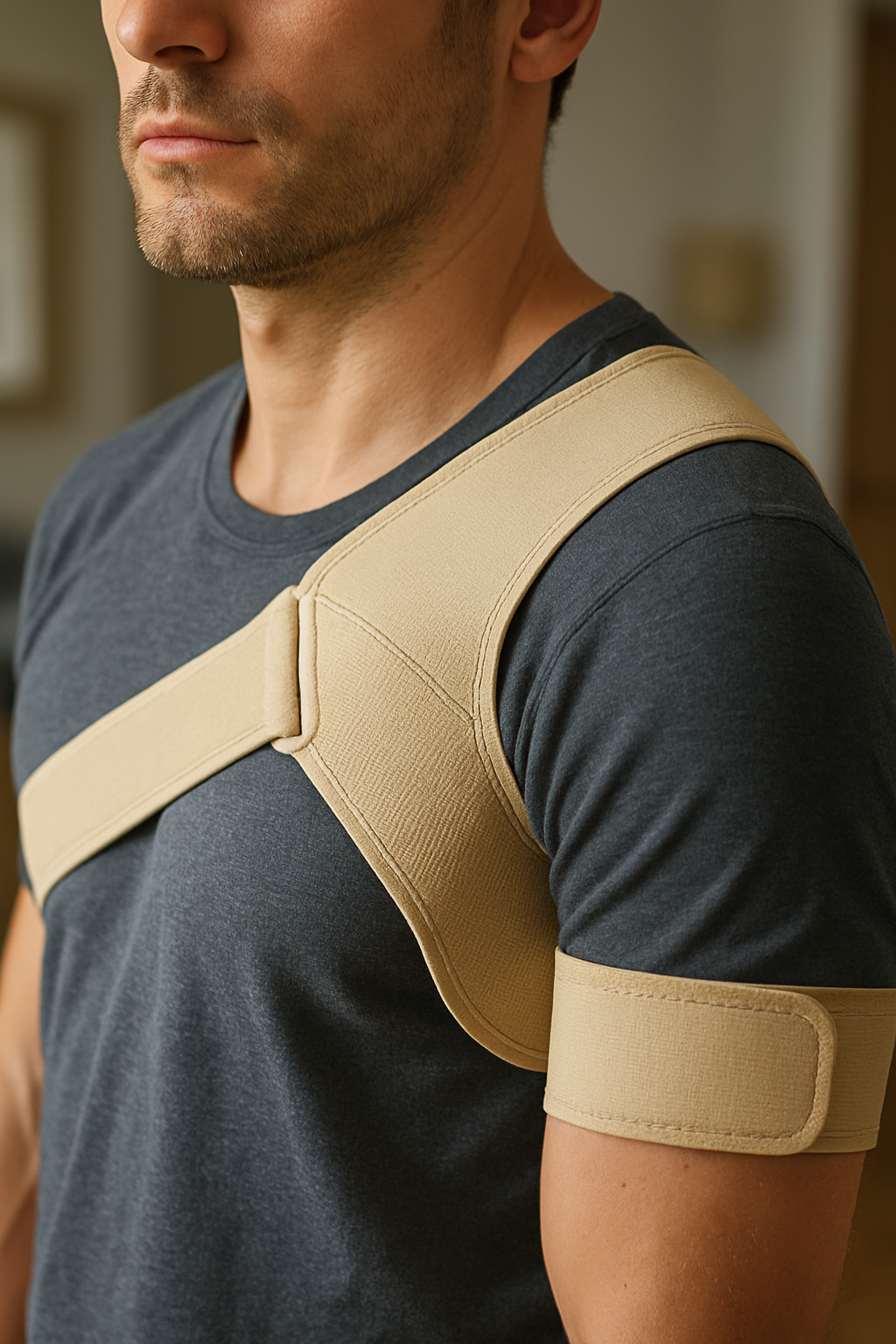
Musculoskeletal pain or stiffness: Stress can increase muscle tension, and pain can make it harder to start exercising, creating a loop. If you deal with back, neck, shoulder, hip, or knee discomfort, focus on low-impact options and gradual progression. Supportive, ergonomic aids can also make movement feel safer and more comfortable. For example, Anodyne designs products that support alignment and reduce strain, which can be helpful when you are trying to build a sustainable routine without aggravating sensitive areas.

Men's Posture Shirt™ - Black
Activates muscles and relieves pain; ideal for posture support during daily activity.
Exercise as one pillar in a holistic stress plan
Exercise works best when it is not carrying the entire burden of stress management alone. Think of it as one pillar alongside sleep, nutrition, and calming practices that help your nervous system downshift.
- Sleep: A consistent bedtime and wake time supports recovery and makes it easier to exercise regularly.
- Nutrition and hydration: Regular meals and enough fluids can reduce energy crashes that mimic anxiety and irritability.
- Mindfulness and breathing: Even a few minutes of slow breathing or a short body scan can complement movement, especially on high-stress days.
When these pieces work together, exercise and stress relief become less about willpower and more about creating conditions where your body can recover, adapt, and feel steady again.
Frequently Asked Questions
How quickly can I expect to see stress reduction benefits from exercise?
Many people notice a mood shift after just a few sessions, sometimes even after a short walk. More noticeable and stable changes, such as improved sleep and lower perceived stress, typically build over several weeks of regular activity.
What’s the best type of exercise for stress relief?
The best option is the one you can do consistently. Aerobic activities (like walking or cycling) often provide fast relief, resistance training supports long-term stability and confidence, and mindful movement (like yoga or stretching) can be especially helpful when stress shows up as tension and restlessness.
How can I stay motivated to exercise regularly?
Keep the barrier to entry low: set realistic goals, track what you do, and choose activities you genuinely like. Many people also stay more consistent when they schedule movement, use habit anchors (such as walking after lunch), or exercise with a friend or family member.
Can exercise help with chronic stress?
Yes. Regular movement can improve resilience by supporting healthier stress-response patterns, better sleep, and improved mood regulation. While exercise does not remove ongoing stressors, it can make them feel more manageable and reduce the physical and mental load they create over time.
Källor
- Anxiety and Depression Association of America. "Physical Activity Reduces Stress."
- North Central Health Care. "Exercise as a Stress Buster."
- Mayo Clinic Staff. "Exercise and Stress: Get Moving to Manage Stress."
- Healthline. "How Exercise Reduces Stress."
- National Center for Biotechnology Information. "The Impact of Physical Activity on Stress."
- Stanford Lifestyle Medicine. "How Exercise Balances Cortisol Levels."
- National Center for Biotechnology Information. "Exercise and the Brain: Insights into Stress Relief."
- Harvard Health Publishing. "Exercising to Relax."
- Nature. "The Effects of Exercise on Stress-Related Disorders."
- CNN Health. "Exercises to Reduce Stress."
- ScienceDirect. "The Role of Physical Activity in Stress Management."
- American Psychological Association. "Exercise Fuels the Brain's Stress Buffers."