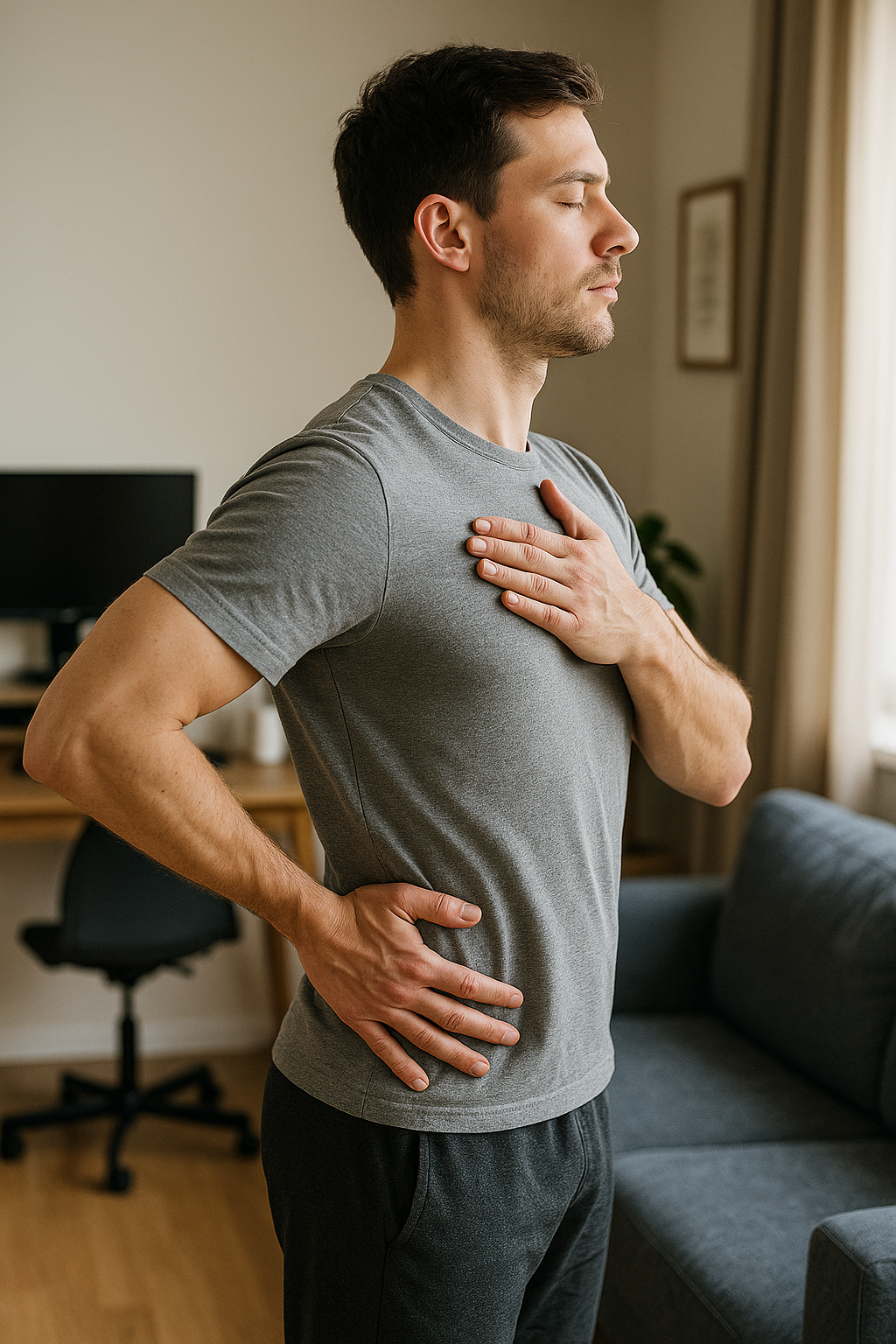
Embarking on the journey of postpartum recovery after a C-section is a unique experience that blends physical healing with emotional resilience. For many new mothers, the path to recovery is filled with questions and uncertainties, particularly when it comes to resuming physical activities. The days following a C-section can be challenging, as the body undergoes significant changes and healing. Understanding these challenges is crucial, and gentle movement can play a pivotal role in facilitating recovery. The common question that arises is, "When and how can I start exercising again?"
The role of exercise in postpartum healing
Exercise is a powerful ally in the postpartum healing process. Not only does it support physical recovery by enhancing muscle strength and endurance, but it also plays a significant role in boosting mood and emotional well-being. Engaging in regular, gentle exercise can help manage stress, reduce anxiety, and improve overall mental health. However, it is essential to approach this return to exercise with caution. A gradual, medically cleared approach ensures safety and promotes optimal healing. This careful progression allows the body to adapt and regain strength without risking injury or complications.
Setting realistic expectations
As you navigate the postpartum period, setting realistic expectations is key. Patience is a virtue, and listening to your body is paramount. Every woman's recovery journey is unique, and it is important to honor your body's signals and progress at a comfortable pace. This blog aims to provide a medically informed, step-by-step approach to resuming exercise after a C-section. By focusing on gradual progression and personalized care, you can confidently embrace gentle movement as a vital component of your recovery journey.
Initial steps for postpartum recovery: weeks 0–6
The initial weeks following a C-section are crucial for healing and require a focus on rest and recovery. During this period, it is important to allow your body the time it needs to heal from surgery. While the temptation to return to pre-pregnancy activities can be strong, it's essential to prioritize gentle and safe movements that support recovery without stressing the body further.
Walking is one of the safest and most beneficial activities you can engage in during these early weeks. Short, leisurely walks can help promote circulation, reduce swelling, and boost mood. Additionally, incorporating breathing exercises can aid in restoring core function and managing stress. Gentle pelvic floor exercises are also recommended to begin rebuilding strength in this vital area, which can be impacted by pregnancy and surgery.

Women's Posture Shirt™ - Black
Improves your posture and relieves pain or tension in daily life, work, and exercise.
However, it is crucial to avoid high-impact activities and exercises that put pressure on the incision site. Activities such as running, jumping, or lifting heavy objects should be postponed until your body has had adequate time to heal and you have received medical clearance.
Transitioning to more activity: weeks 6–12
As you approach six weeks postpartum, it is important to consult your healthcare provider for a postnatal check-up. This appointment will help determine if you are ready to begin more structured exercise routines. With medical clearance, you can gradually increase your activity level, focusing on exercises that are safe and beneficial for your recovery.
During this phase, aim to incorporate walking sessions of 20–30 minutes, three times a week. This can help improve cardiovascular health and gradually increase stamina. Gentle core activation exercises, such as pelvic tilts and leg slides, can be introduced to strengthen the abdominal muscles without putting undue stress on the incision.
Pelvic floor strengthening exercises should continue to be a priority, as they play a critical role in supporting the core and preventing issues such as incontinence. It's important to avoid high-impact exercises, heavy lifting, and movements that create abdominal pressure until you have fully healed and your healthcare provider gives the go-ahead.
Progressing with caution: 12 weeks and beyond
After 12 weeks, many women can begin to incorporate low-impact cardio and resistance exercises into their routine. However, this progression should be approached with caution and tailored to your individual recovery. Activities such as swimming, cycling, and yoga can be excellent options for building strength and endurance without excessive strain on the body.
Monitoring your body's response to increased activity is vital. Pay attention to any signs of discomfort or complications, such as pain, swelling, or changes in the incision area. If any of these symptoms occur, it is important to reduce activity levels and consult with your healthcare provider.
Remember that recovery is a personal journey, and what works for one person may not be suitable for another. An individualized recovery plan, developed in consultation with healthcare professionals, can help ensure a safe and effective return to fitness.
Safe vs. unsafe exercises after a C-section
Understanding which exercises are safe and which should be avoided is crucial for a successful recovery. Safe exercises include walking, breathing exercises, pelvic floor work, and gentle core activation. These activities support healing and help rebuild strength without compromising your recovery.
On the other hand, exercises that should be avoided include running, jumping, high-intensity interval training (HIIT), planks, crunches, twisting motions, and heavy lifting. These activities can place undue stress on the healing incision and abdominal muscles, potentially leading to complications.
Key considerations for a safe recovery
Listening to your body and adjusting activities based on pain and fatigue is essential for a safe recovery. Monitor the healing of your incision and avoid exercises that cause discomfort. Consulting with healthcare providers for personalized advice can provide reassurance and guidance throughout your postpartum journey.
By embracing gentle movement and following a medically informed approach, you can rediscover your strength and support your body's recovery after a C-section.
Building a sustainable exercise routine
Incorporating exercise into your daily routine after a C-section can be challenging, especially with a new baby to care for. However, establishing a sustainable routine is crucial for your recovery and overall well-being. Start by setting realistic goals and gradually increasing your activity level. Consider integrating short exercise sessions into your day, such as a 10-minute walk with your baby in a stroller or practicing gentle stretches during nap times.
Using ergonomic aids and support tools can significantly enhance comfort and safety during your recovery. Items like supportive shoes, a well-fitted baby carrier, or a postpartum support belt can help alleviate strain on your body and promote better posture. These tools can make it easier to engage in daily activities and exercise without compromising your healing process.

Lumbar support belt
Provides adjustable lower back support and relief for pain and tension in everyday activities.
When to seek professional guidance
While many women can navigate postpartum recovery independently, there are times when professional guidance is beneficial. If you experience increased pain, issues with your incision, or any unusual bleeding, it is crucial to consult your healthcare provider. These could be signs of complications that need medical attention.
Working with a physiotherapist or a postpartum exercise specialist can provide personalized support and guidance. These professionals can help tailor an exercise program to your specific needs, ensuring that you progress safely and effectively. They can also offer valuable advice on core and pelvic floor strengthening, helping you regain strength and confidence in your body.
Frequently asked questions
When can I start exercising after a C-section?
Typically, you can begin light activities once cleared by your healthcare provider, usually around six weeks postpartum. It's important to wait for medical clearance to ensure your body is ready for exercise.
What exercises should I avoid after a C-section?
Avoid high-impact exercises, heavy lifting, and movements that stress the abdominal area until you are fully healed. This includes activities like running, jumping, and certain core exercises.
How can I safely strengthen my core and pelvic floor?
Focus on gentle pelvic floor exercises and core activation techniques. Gradually increase intensity as advised by a professional to ensure safe and effective strengthening.
What are the signs that I should stop exercising?
If you experience pain, discomfort, increased bleeding, or any signs of wound complications, stop exercising and consult a healthcare provider immediately.
How can ergonomic aids support my recovery?
Ergonomic aids can provide support, improve posture, and enhance comfort during recovery and daily activities. They help reduce strain on your body, making it easier to engage in gentle movement and exercise.
Källor
- Tommy's. (n.d.). "When and how to exercise after a C-section."
- Parkview Health. (n.d.). "Returning to exercise after a C-section."
- Milton Keynes University Hospital. (n.d.). "Advice and exercises following Caesarean section."
- Yeditepe University Hospitals. (n.d.). "Postpartum exercise stages for those who give birth by Cesarean section."
- Health Asset. (n.d.). "Exercise after C-section."