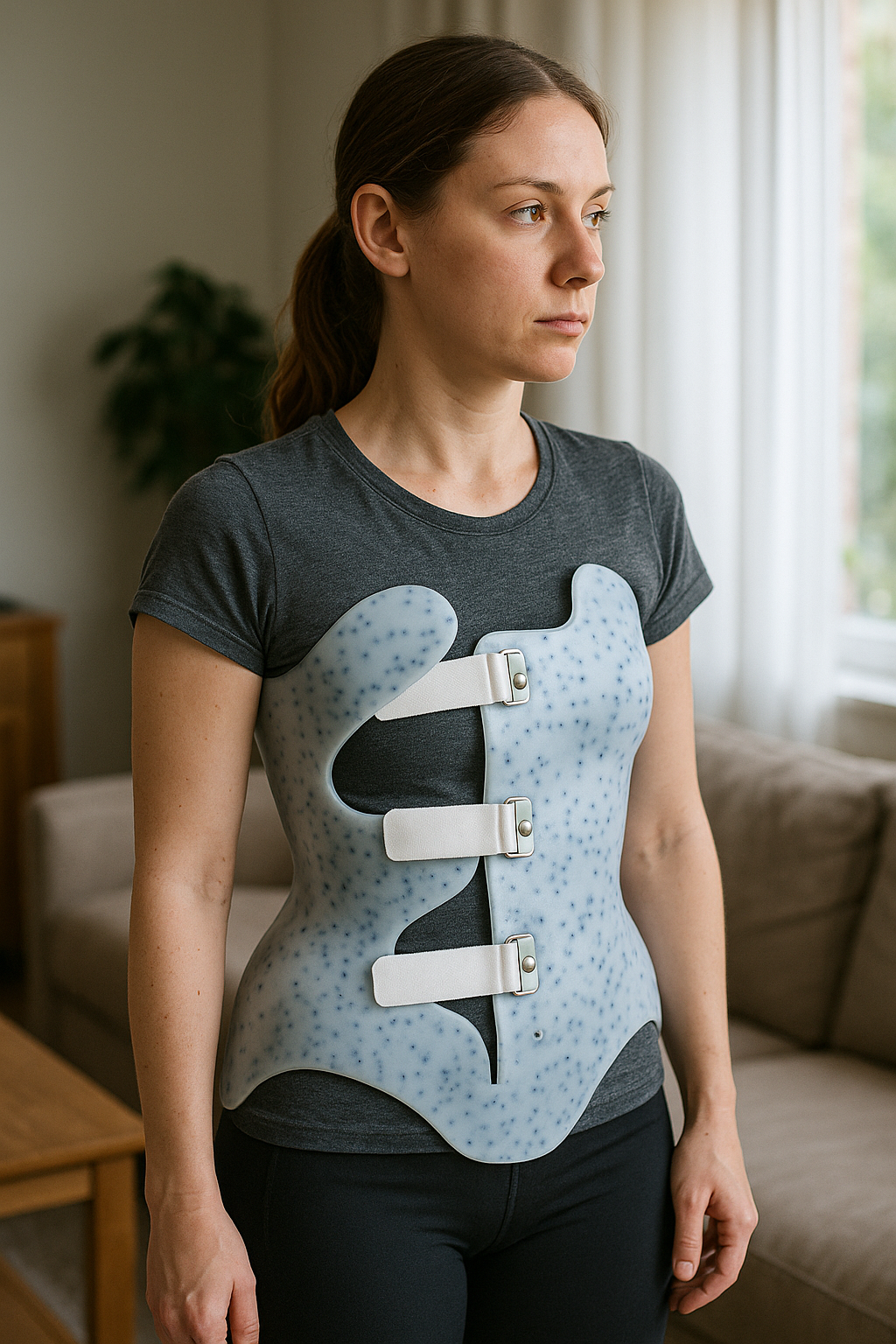


Most of us know the feeling: you wake up after too few hours, push through the day on coffee and willpower, and tell yourself you’ll catch up later. But when short nights become a pattern, the body keeps score. Sleep deficit (often called sleep debt) is the cumulative effect of not getting enough sleep over time—and it can quietly shape how you move, sit, and feel in your body.
What makes sleep deficit so tricky is that it doesn’t always announce itself as “sleepiness.” It can show up as a shorter temper, foggier thinking, or a sense that everything takes more effort. And while those mental effects get plenty of attention, the physical side is often overlooked: more aches, more stiffness, and a posture that gradually collapses as the day goes on.
What sleep deficit actually means
Sleep deficit is the gap between the sleep your body needs and the sleep you actually get—added up across days and weeks. It typically comes in two forms:
- Partial sleep deprivation: consistently sleeping less than you need (for many adults, that can mean regularly getting under about 7 hours).
- Total sleep deprivation: staying awake for long stretches, such as 24 hours or more.
A key detail: even “small” losses add up. If you shave off an hour on weeknights, by Friday you’re effectively several hours behind—often without realising how much it’s affecting your body.
Why it’s more than just tiredness
Modern life is built for sleep loss. Busy work schedules, commuting, late-night scrolling, and always-on notifications can make bedtime feel negotiable. The problem is that chronic sleep deficit doesn’t just reduce energy—it can change how you carry yourself. When you’re fatigued, it’s harder to maintain upright alignment, engage your core, and keep your shoulders relaxed. Slouching becomes the default, especially at a desk or on the sofa.
At the same time, insufficient sleep can make discomfort feel louder. Many people notice that back, neck, or shoulder pain is more intense after a poor night—making it harder to concentrate, move confidently, or stay productive.
The hidden link to pain and posture
This is where sleep deficit becomes a quality-of-life issue, not just a wellness topic. When sleep is consistently short, your body has less time to recover, and your daytime habits often get worse: fewer movement breaks, more screen time, and more “collapsed” sitting. Over time, that combination can reinforce a cycle of pain, poor posture, and even poorer sleep.
How sleep deficit affects your health
Sleep is not just “rest” in the everyday sense. It is a biological recovery period where the body regulates stress hormones, supports immune function, and runs repair processes that are harder to prioritise during waking hours. When you build a sleep deficit, those systems still try to keep up—but they do it less efficiently.
Short-term effects you may notice quickly
Even a few nights of reduced sleep can change how you feel and how you behave at work and at home. Common short-term effects include irritability, reduced concentration, slower reaction time, and a stronger sense of stress. For many people, the physical impact shows up in subtle ways first: you sit more heavily in the chair, you lean on one elbow, you crane your neck toward the screen, and you stop adjusting your posture because it takes effort.
That matters because posture is not a single “correct position” you hold all day—it is a series of small corrections. When you are fatigued, those corrections happen less often, and your default position tends to become more collapsed.
Long-term effects that can build quietly
Over time, chronic sleep deficit is associated with higher risk of long-term health problems, including cardiometabolic conditions such as hypertension, heart disease, and type 2 diabetes. From a musculoskeletal perspective, the long game is also important: insufficient sleep can contribute to a state where the body is more reactive to stress and slower to recover from everyday strain. If you already have a sensitive neck, lower back, or shoulders, that combination can make symptoms feel more persistent.
Why sleep deficit can make pain feel worse
Many people assume pain is only about tissues, posture, or “wear and tear.” In reality, pain is also shaped by the nervous system. When you are underslept, the brain’s ability to regulate discomfort can change, and pain sensitivity can increase. That means the same desk setup, the same commute, or the same workout can feel more uncomfortable after a poor night.
Sleep also supports physical recovery. When sleep is consistently short, the body has less time to carry out the restorative work that helps you bounce back from micro-stress in muscles and joints. The result can be a frustrating pattern: you feel sore, you move less, your posture deteriorates, and stiffness increases—especially in areas that already carry load during the day, such as the neck, shoulders, and lower back.
Sleep deficit and posture problems: what changes when you are tired
Posture issues linked to fatigue are often less about “bad habits” and more about reduced capacity. When energy is low, your body tends to choose positions that feel easier in the moment, even if they increase strain over time. Common patterns include:
- Forward head posture, where the head drifts in front of the shoulders, increasing load on the neck and upper back.
- Rounded shoulders, often paired with a collapsed chest, which can contribute to upper back tension.
- Slouched sitting, where the pelvis rolls back and the lower back loses support, increasing pressure and stiffness.
These positions are especially common during screen work. When concentration drops, you may unconsciously move closer to the monitor to “focus harder,” which pulls the head forward and encourages a rounded upper back. Over hours, that can translate into more neck and shoulder discomfort—and less willingness to move, because movement feels like one more task.

Women's Posture Shirt™ - Black
The patented Posture Shirt™ activates muscles, improves posture and relieves pain. For work, exercise and leisure.
Can you repay sleep deficit?
There is ongoing scientific debate about how sleep debt works and how completely it can be repaid. What is clear in practice is that recovery is often slower than people expect. A single long lie-in may help you feel better temporarily, but it does not reliably reset the effects of chronic sleep restriction—especially when poor sleep has been going on for weeks.
A more realistic approach is to treat recovery as a gradual process. If your schedule allows, extend sleep in small steps (for example, 15–30 minutes earlier bedtime) and aim for consistent wake times. Consistency helps your body anticipate sleep, which can make it easier to fall asleep and stay asleep.
Recovery strategies that also protect your body
When you are already underslept, the goal is twofold: improve sleep opportunity at night and reduce unnecessary strain during the day. Helpful strategies include:
- Keep a steady sleep window for at least a couple of weeks. Even small improvements add up when they are consistent.
- Reduce evening stimulation by dimming lights and stepping away from screens close to bedtime, so the transition into sleep is smoother.
- Use a “minimum effective ergonomics” setup on tired days: support your lower back, bring the screen to eye level, and keep feet grounded so you are not fighting gravity with your spine.
- Plan micro-movement rather than relying on motivation. A brief stand-up, shoulder roll, or short walk every hour can reduce stiffness when your body is less resilient.
Sleep deficit does not just affect how you feel—it affects how you sit, how you move, and how much discomfort you notice. The good news is that small, practical changes can interrupt the cycle, especially when you combine better sleep habits with supportive daily routines.
Ergonomic strategies when sleep deficit is part of your week
When you are dealing with sleep deficit, your body has less capacity to “self-correct” during the day. That is why ergonomics matters more on tired days, not less. The goal is not perfect posture. It is reducing unnecessary load on sensitive areas (neck, shoulders, and lower back) so discomfort does not escalate and make the next night’s sleep even harder.
Think of it as lowering the baseline strain: if your muscles and nervous system are already running on limited recovery, small stressors—like a low screen, unsupported sitting, or long static positions—can feel disproportionately uncomfortable.
Set up your workspace for low energy, not ideal energy
Many desk setups are “almost fine” when you are well-rested, but become a problem when you are fatigued. On sleep-deficit days, prioritise the adjustments that give the biggest relief with the least effort:
- Bring the screen up and closer so you do not drift into forward head posture. The top of the screen should be around eye level, and the text should be large enough that you are not leaning in to focus.
- Support the lower back to reduce slouching. If your chair does not provide lumbar support, add a small cushion or rolled towel at the curve of the lower back.
- Keep feet grounded (flat on the floor or on a footrest). Stable foot support helps the pelvis stay more neutral, which can reduce strain through the lower back.
- Bring the keyboard and mouse closer so shoulders can relax. Reaching forward encourages rounded shoulders and upper back tension.
If you use a laptop, consider a simple combination: laptop stand (or a stack of books) plus an external keyboard and mouse. This single change often reduces neck strain because the screen can be raised without forcing the hands into an awkward position.

Lumbar support belt
Adjustable belt for lower back relief and support, ideal for pain, tension, or prolonged sitting.
Use microbreaks to prevent stiffness from building
Sleep deficit often reduces spontaneous movement. You may stay in one position longer, especially when concentration is low and you are trying to “push through.” The problem is that static positions tend to increase stiffness and make posture collapse more likely over time.
A practical target is 1–2 minutes of movement every 30–60 minutes. Keep it simple and repeatable:
- Stand up and take a few slow breaths while letting shoulders drop.
- Do 5–10 gentle shoulder rolls and open the chest by clasping hands behind the back (if comfortable).
- Walk to fill a glass of water or look out a window to rest the eyes and neck.
Microbreaks are not about fitness. They are about giving tissues a change of position so your back and neck are not carrying the same load for hours.
Support tools that can help on tired days
Ergonomic tools can be especially useful when sleep deficit makes it harder to maintain alignment through effort alone. The right support reduces the number of posture “decisions” you need to make during the day.
- Ergonomic chairs can make upright sitting feel less demanding by supporting the pelvis and back more consistently.
- Sit-stand desks can help you alternate positions, which may reduce stiffness and the tendency to slump late in the day.
- Lumbar supports can improve comfort when your chair is too flat or encourages a rounded lower back.
- Posture-support garments can provide gentle feedback and support, which may help reduce forward rounding when fatigue makes self-correction less automatic.
These tools are not a substitute for sleep. But they can reduce the physical “tax” of an underslept day—especially if you already experience recurring neck, shoulder, or lower back discomfort.
When to consider medical support
If sleep deficit is persistent despite good sleep habits, or if it comes with symptoms like loud snoring, breathing pauses during sleep, restless legs, or significant daytime sleepiness, it may be a sign of an underlying sleep disorder or health issue. In that situation, ergonomic improvements can reduce strain, but addressing the root cause with a healthcare professional is essential.
Frequently Asked Questions
Is 6 hours of sleep a sleep deficit?
For most adults, yes. Many adults function best with at least 7 hours of sleep per night, and regularly getting 6 hours can create a sleep deficit over time. Individual needs vary, but if you notice increased pain sensitivity, stiffness, irritability, or concentration problems, your sleep duration may be below what your body requires.
How long does it take to recover from a week of poor sleep?
Recovery depends on how large the sleep deficit is and how consistently you improve your sleep afterward. Some people feel better after a few nights of longer, higher-quality sleep, but performance and fatigue can take longer to normalise—especially if sleep restriction has been ongoing. A practical approach is to add sleep gradually (for example, 15–30 minutes earlier bedtime) and keep wake-up times consistent for at least 1–2 weeks.
Is it okay to sleep in on weekends?
Sleeping in can provide short-term relief, but it does not fully compensate for chronic sleep deficit. Large weekend lie-ins can also make it harder to fall asleep on Sunday night, which can restart the cycle. If you need extra sleep, aim for a modest extension and consider short naps earlier in the day rather than shifting your schedule dramatically.
Can sleep deficit cause back pain and neck pain?
Sleep deficit can make back and neck pain feel worse by increasing pain sensitivity and reducing recovery. It can also contribute indirectly by increasing fatigue-related posture changes, such as slouching and forward head posture, which place more strain on the spine and surrounding muscles.
What is the fastest ergonomic fix when I am exhausted?
Raise the screen to eye level and add lower-back support. These two changes often reduce the most common fatigue posture pattern: a rounded lower back combined with a forward head position. If you can add one more habit, schedule a brief microbreak every hour to reset your position before stiffness builds.
Källor
- Better Health Channel. (n.d.). "Sleep Deprivation."
- Sleep Foundation. (n.d.). "Sleep Deprivation."
- Harvard Medical School. (n.d.). "Sleep and Health Education Program."
- Medical News Today. (2019). "What to know about sleep deprivation."
- Sleep Foundation. (n.d.). "Sleep Debt and Catch-up Sleep."
- Johns Hopkins Medicine. (n.d.). "Sleep Deprivation."
- Somnology MD. (2018). "Facts About Sleep Deprivation."
- Cedars-Sinai. (n.d.). "Sleep Deprivation."
- Covenant Health. (n.d.). "Is Sleep Debt Real?"
- National Heart, Lung, and Blood Institute. (n.d.). "Sleep Deprivation."
- UC Santa Barbara. (n.d.). "Sleep Debt."
- YouTube. (n.d.). "Understanding Sleep Deficit."
- National Heart, Lung, and Blood Institute. (n.d.). "How Much Sleep Do You Need?"
- Healthline. (n.d.). "Effects of Sleep Deprivation on the Body."
- Cleveland Clinic. (n.d.). "Sleep Deprivation."