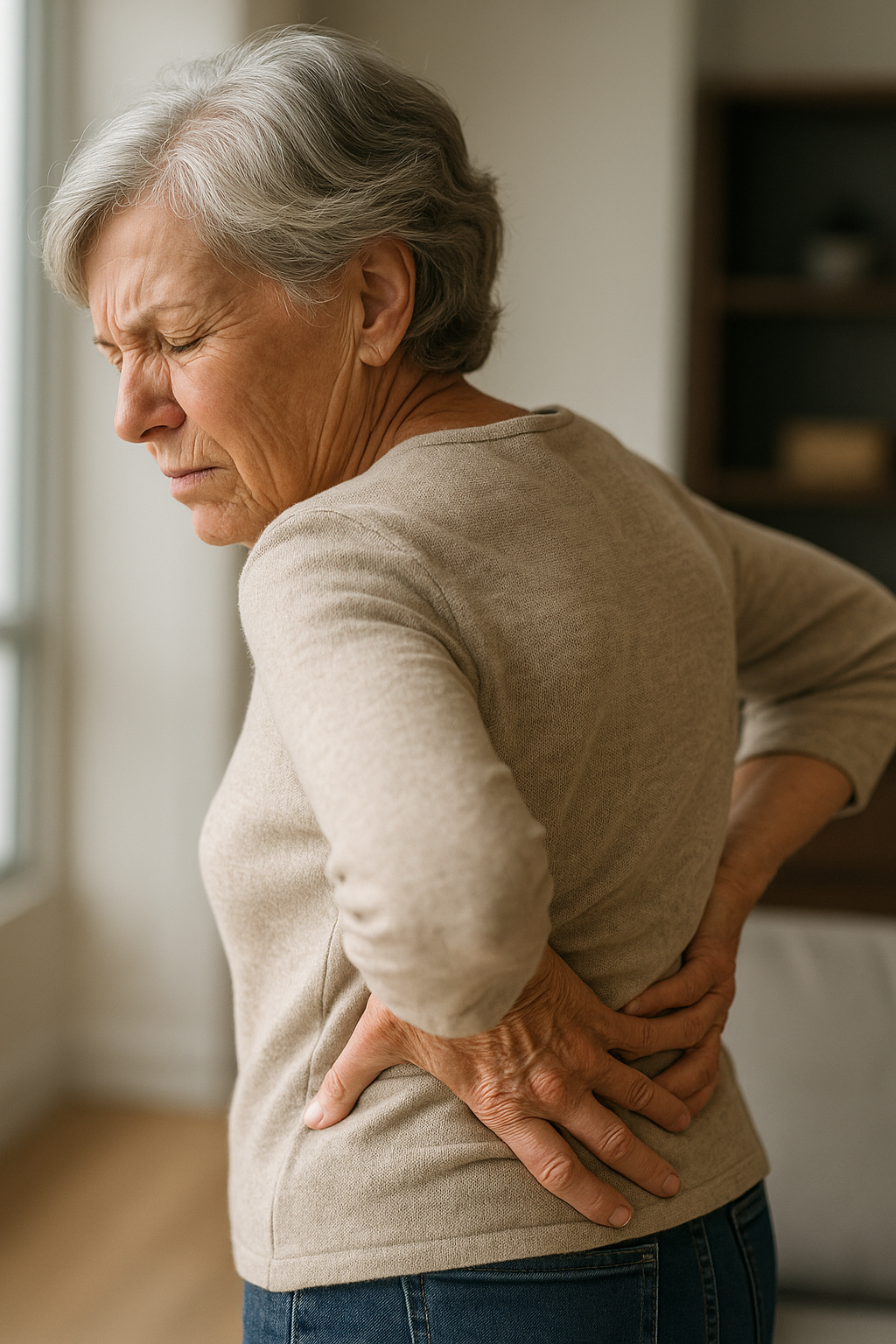
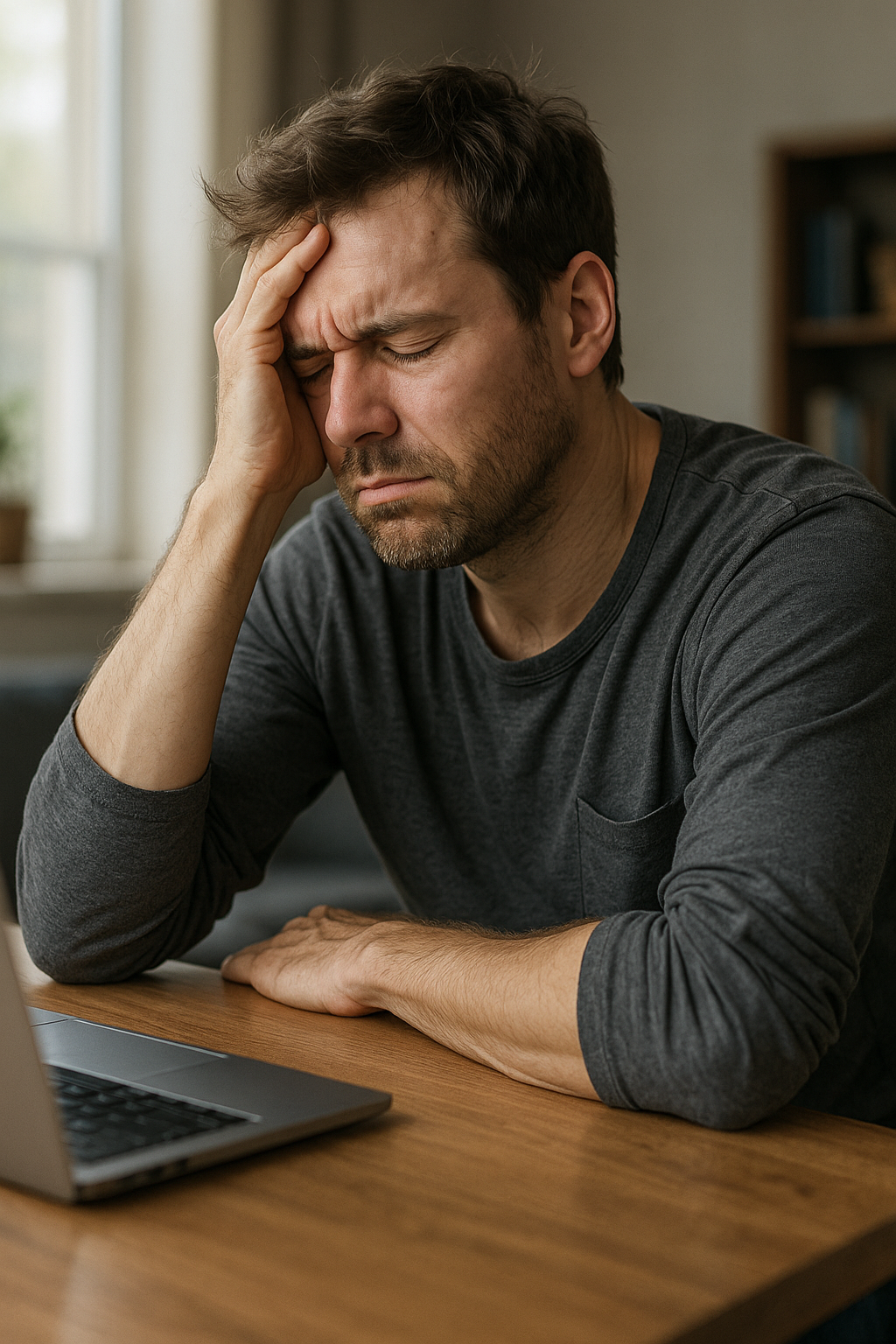
When people think about exercise weight loss, they often picture intense workouts, sore muscles, and a battle of willpower. But for many bodies, the real challenge isn’t motivation—it’s discomfort. A stiff neck from desk work, achy knees, a sensitive lower back, or posture that collapses the moment you get tired can make “just move more” feel like a bad joke.
The good news is that weight loss through exercise doesn’t have to be punishing to be effective. In fact, the most reliable results usually come from movement you can repeat—week after week—without flaring up pain. That’s where posture-friendly training and smart ergonomics become a quiet advantage: they reduce strain, help you move with better alignment, and make consistency realistic.
Why pain-free movement matters for weight loss
Exercise supports weight loss by increasing daily energy use and helping you build a routine that’s easier to maintain than short-lived bursts of “all or nothing” training. But if every session triggers discomfort, it’s hard to stay consistent long enough to see change. Pain can also cause compensation patterns—like overusing the lower back instead of the hips, or tensing the shoulders during cardio—that make workouts feel harder than they need to.
When your body is aligned, movement tends to feel smoother and more efficient. That can mean longer walks, more comfortable cycling, or strength training with better technique—small upgrades that add up over time.
A smarter approach to exercise weight loss
Think of sustainable weight loss as a system, not a single workout. Joint-friendly cardio helps you accumulate more weekly activity without beating up your body, while strength training helps you stay strong as the number on the scale changes. Add in ergonomic choices—like supportive footwear, a well-adjusted workstation, or posture support when needed—and you reduce the friction that often derails good intentions.
This also matters if you’re living a mostly sedentary lifestyle. Long hours of sitting can tighten hips, weaken glutes, and encourage a rounded upper back, which can make running, brisk walking, and even basic strength exercises feel uncomfortable at first. The goal isn’t perfection; it’s creating a setup where your body can handle more movement with less backlash.
What you’ll learn next
In the next section, we’ll break down how exercise contributes to weight loss (and why results aren’t always obvious on the scale), how much activity is typically recommended, and which low-impact options work best if you’re dealing with pain, poor posture, or a desk-heavy day. You’ll also get practical cues to move in a way that protects your joints—so your plan is something you can actually stick with.
How exercise supports weight loss
At its core, exercise weight loss comes down to energy balance: your body uses energy (calories) to keep you alive and to move, and weight tends to decrease when you consistently use more energy than you take in. Exercise helps by increasing the “energy out” side of the equation—sometimes a little, sometimes a lot, depending on the activity, duration, and intensity.
However, it’s important to set expectations. Exercise alone often leads to modest changes on the scale because it’s easy to “eat back” the calories you burn, and your body may respond to increased activity by increasing hunger or reducing movement later in the day. The win is that exercise makes a calorie deficit easier to maintain, supports healthier habits, and improves how your body handles the weight you’re losing.
Beyond the scale: what changes first
If the scale is slow to move, you’re not failing. Many people notice improvements in waist circumference, fitness, and daily comfort before they see dramatic weight changes. That’s especially true when you add strength training, because you may gain or preserve muscle while losing fat.
- Better body composition: more fat loss, less muscle loss
- Reduced waist size: often a sign of improved metabolic health
- Improved blood sugar control: muscles use glucose more effectively when you’re active
- Lower stress and better mood: movement can reduce tension and improve sleep quality
- More energy for daily life: stairs, errands, and long workdays feel easier
For people dealing with pain or poor posture, these “non-scale victories” matter because they make it easier to keep going. When your body feels better, consistency becomes far more realistic.
How much exercise do you need for weight loss?
A widely used target for general health is 150–300 minutes of moderate aerobic activity per week, plus two days of strength training. If weight loss is the goal, many people do better toward the higher end of that aerobic range—especially if their daily life is mostly sedentary.
To make this practical, you can split it up in different ways:
- 30–45 minutes of brisk walking, 5 days per week
- Three 20-minute sessions during the week plus a longer weekend session
- Two 15-minute “exercise snacks” most days (morning and evening)
The best plan is the one your joints and schedule can tolerate. If pain spikes when you jump straight to long sessions, start smaller and build up.
Why strength training matters (especially if you sit a lot)
Strength training is not just for building muscle—it’s a key tool for pain-free progress. When you lose weight, your body can also lose lean mass unless you give it a reason to keep that tissue. Preserving muscle helps maintain your metabolism and supports joints by improving stability and control.
For desk-heavy days, strength work also addresses common posture-related weak points: glutes that don’t “switch on,” a core that tires quickly, and upper back muscles that struggle to keep shoulders from rounding forward. Even simple exercises done well can make cardio feel smoother and less irritating on the back, hips, and knees.

Women's Posture Shirt™ - Black
Improves posture and can help relieve pain and tension in everyday life or exercise.
Joint-friendly exercises for weight loss (with posture cues)
If you’re managing discomfort, choose options that let you accumulate weekly minutes without aggravation. These are reliable starting points:
| Exercise | Why it helps | Posture and ergonomic tips |
|---|---|---|
| Walking | Accessible, scalable, easy to repeat | Think “tall spine”: ribs stacked over hips, gentle chin tuck, shoulders relaxed. Use supportive shoes and start on flat, even surfaces. |
| Cycling or stationary bike | Lower impact on knees and hips than running | Adjust seat height so the knee stays slightly bent at the bottom of the pedal stroke. Keep wrists neutral and avoid hunching by bringing handlebars closer if needed. |
| Elliptical | Low joint stress with a steady cardio effect | Stay light on the handles (don’t hang your weight). Keep hips level and avoid excessive forward lean. |
| Swimming or water aerobics | Very low impact, full-body conditioning | Use the water to unload joints. If neck discomfort shows up, choose strokes and breathing patterns that don’t force repeated head lifting. |
| Resistance bands/bodyweight | Builds strength without heavy joint loading | Prioritise a neutral spine and controlled tempo. Use a chair or wall for support during squats or split squats to keep form solid. |
When in doubt, use a simple rule: choose the version that feels smooth. Mild effort is fine; sharp pain, numbness, or worsening symptoms are not. The goal is to build a routine you can repeat—because consistency is the real engine behind exercise weight loss.
Protect your body while you lose weight through exercise
As your weight changes, your body is adapting in more ways than you can see. Done well, exercise weight loss improves fitness and reduces strain on joints over time. Done too aggressively, it can trigger flare-ups that stop progress. The goal in this phase is to protect muscle, joints, and bones so you can keep moving consistently.

Men's Posture Shirt™ - Black
Promotes better posture and may help relieve pain or tension for work, leisure, or exercise.
Preserve muscle to make weight loss easier to maintain
Muscle is metabolically active tissue and a key driver of long-term weight maintenance. When you lose weight quickly—especially if you only do cardio and eat too little—your body can lose muscle along with fat. That can make you feel weaker, reduce training tolerance, and make it harder to keep weight off later.
Two habits support muscle preservation:
- Strength training 2+ days per week: focus on full-body basics (squat pattern, hinge pattern, push, pull, carry) using bodyweight, bands, or light weights.
- Adequate protein intake: spread protein across meals to support recovery and help you feel satisfied, which can make a calorie deficit easier to stick to.
If you are using weight-loss medication or experiencing a reduced appetite, strength training and protein become even more important to help protect lean mass while the scale drops.
Ergonomics: the missing link between good intentions and consistency
Many people try to “add exercise” without addressing the posture and movement habits that made their body sore in the first place. Long sitting can tighten hip flexors, reduce glute activation, and encourage a rounded upper back. Then a walk feels like a back workout, cycling irritates the neck, or strength training turns into shoulder tension.
Ergonomic supports can reduce that friction by helping you stay aligned during daily life and training. The right support depends on your needs, but the principle is the same: improve positioning so your muscles can do the work instead of your joints and connective tissue taking the load.
- At your desk: keep feet supported, hips and knees comfortable, and screen at eye level to reduce neck strain that can carry into workouts.
- During walking: choose stable, supportive shoes and aim for a relaxed, tall posture rather than overstriding.
- During strength training: use a wall, chair, or bench for balance so you can control alignment and avoid compensations.
Micro-movements that add up (especially with a sedentary job)
If your schedule makes long workouts unrealistic, build activity with short bouts. These “exercise snacks” can reduce stiffness, improve posture awareness, and increase weekly movement without exhausting you.
- Every 60–90 minutes: stand up, take a 2–5 minute walk, and do 5 slow breaths with ribs stacked over hips.
- Twice per day: 5–8 minutes of mobility (hip flexor stretch, thoracic rotation, ankle circles).
- After work: a 10–20 minute easy walk to decompress and increase daily steps.
A beginner 4–8 week plan for pain-free exercise weight loss
This progression is designed to build consistency first, then volume. Keep intensity moderate: you should be able to speak in short sentences during cardio and finish strength sessions feeling worked, not wrecked.
Weeks 1–2: Build the habit
- Cardio: 3 days/week, 10–20 minutes (walk, bike, elliptical, or water exercise).
- Strength: 2 days/week, 15–20 minutes (sit-to-stand, glute bridge, wall push-up, band row).
Weeks 3–4: Add minutes, not intensity
- Cardio: 4 days/week, 20–30 minutes.
- Strength: 2 days/week, add 1 set to each exercise or slow the tempo for control.
Weeks 5–8: Move toward weekly targets
- Cardio: 4–5 days/week, 30–45 minutes (or split into two shorter sessions).
- Strength: 2–3 days/week, progress by adding resistance bands, light weights, or more challenging variations.
If you have knee pain: prioritise cycling, swimming, or incline walking at a comfortable pace. For strength work, reduce knee bend depth and use a chair for support.
If you have back pain: keep loads light, avoid holding your breath, and choose exercises that help you stay neutral (supported split squats, hip hinges with hands on thighs, band rows).
When to seek professional help
Stop exercising and seek medical advice if you experience chest pain, fainting, severe shortness of breath, sudden swelling, numbness/tingling, or sharp joint pain that worsens. If discomfort has been ongoing, a physiotherapist or qualified health professional can help you identify the cause, adjust technique, and choose the safest progression.
Frequently Asked Questions
How quickly can I expect to see results from exercise weight loss?
Most people notice early changes in energy, mood, and daily comfort within a few weeks. Visible body changes often take longer, especially if you are building or preserving muscle while losing fat. Consistency over 8–12 weeks typically gives a clearer picture than day-to-day scale changes.
What if I have chronic pain or a sedentary job?
Start with low-impact cardio and short strength sessions, then increase gradually. Use ergonomic adjustments at your workstation to reduce baseline strain, and add micro-movements throughout the day to limit stiffness. The combination often makes exercise feel easier because your body is not starting each session already irritated.
Can I lose weight with exercise alone?
It is possible, but many people see only modest scale changes from exercise alone because appetite and eating habits can shift with increased activity. Exercise works best when paired with nutrition habits that support a consistent calorie deficit, while strength training helps protect muscle during weight loss.
What are the best exercises if I have joint issues?
Walking, cycling, elliptical training, and swimming are common low-impact options that allow you to accumulate weekly activity with less joint stress. Pair them with strength training using bands or bodyweight to improve stability and control, and prioritise posture cues that keep movement smooth and aligned.
Källor
- American College of Sports Medicine. "Mythbusting Weight Loss."
- Swift, D. L., et al. (2018). "The Role of Exercise and Physical Activity in Weight Loss and Maintenance." Obesity Reviews.
- Harvard Health Publishing. "Simple Math Equals Easy Weight Loss."
- "Exercise and Weight Loss: A Review of the Evidence." Journal of Obesity & Metabolic Syndrome.
- Mayo Clinic. "Exercise for Weight Loss: Calories Burned in 1 Hour."
- "Association of Physical Activity and Body Weight With All-Cause Mortality." JAMA Network Open.
- WebMD. "Best Exercises for Weight Loss."
- "The Impact of Exercise on Body Composition and Weight Loss." Frontiers in Physiology.
- "Exercise and Weight Loss Maintenance." Journal of Physical Activity & Health.
- "Physical Activity and Weight Loss: A Review of the Evidence." Progress in Cardiovascular Diseases.
- "Exercise as a Cornerstone for Weight Loss: Current Evidence." Swiss Sports & Exercise Medicine.
- Science Focus. "Weight Loss Theories: What Works?"