Staying active during pregnancy is not only beneficial for the mother's health but also for the well-being of the baby. Exercise can lead to improved sleep, increased energy levels, and better preparation for labor. However, many expecting mothers have concerns about the safety of exercising while pregnant. It's important to address these misconceptions and emphasize that, with the right precautions, exercise can be both safe and rewarding.
Moderate exercise is generally recommended for most pregnant women, with guidelines suggesting at least 150 minutes of moderate-intensity activity per week. This can include activities like walking, swimming, and prenatal yoga, which are all excellent choices for maintaining fitness during pregnancy. It's crucial, however, to consult with a healthcare provider before starting or continuing any exercise regimen to ensure that the activities are appropriate for your specific situation.
Understanding safe exercise practices during pregnancy
When it comes to exercising while pregnant, the key is to listen to your body and make adjustments as needed. Pregnancy is not the time to push your limits but rather to maintain a level of activity that feels comfortable and manageable. Engaging in regular, moderate exercise can help manage weight gain, reduce the risk of gestational diabetes, and improve mood. Additionally, staying active can aid in reducing pregnancy-related discomforts such as back pain and swelling.
Common concerns about exercising during pregnancy often revolve around safety and the potential impact on the baby. However, moderate exercise is generally safe for most women with uncomplicated pregnancies. It's important to avoid activities that pose a high risk of falling or abdominal trauma, such as contact sports or activities with a high fall risk. Instead, focus on exercises that are safe and enjoyable, and always prioritize your comfort and safety.
In conclusion, staying active during pregnancy is a vital part of maintaining overall health and preparing for the demands of labor and motherhood. By following general guidelines and consulting with healthcare providers, expecting mothers can safely enjoy the numerous benefits of exercise. Remember, the goal is to stay healthy and active, not to achieve peak fitness levels. Listen to your body, make adjustments as needed, and enjoy the journey of staying fit and healthy throughout your pregnancy.
Pregnancy-safe exercises to incorporate
Staying active during pregnancy doesn't mean you have to engage in high-intensity workouts. Instead, focus on pregnancy-safe exercises that provide numerous benefits without compromising safety. One of the simplest and most effective forms of exercise is walking. Walking is a low-impact activity that can be easily adjusted to your comfort level and can be done almost anywhere. It helps maintain cardiovascular health and can be a great way to get some fresh air and sunlight.
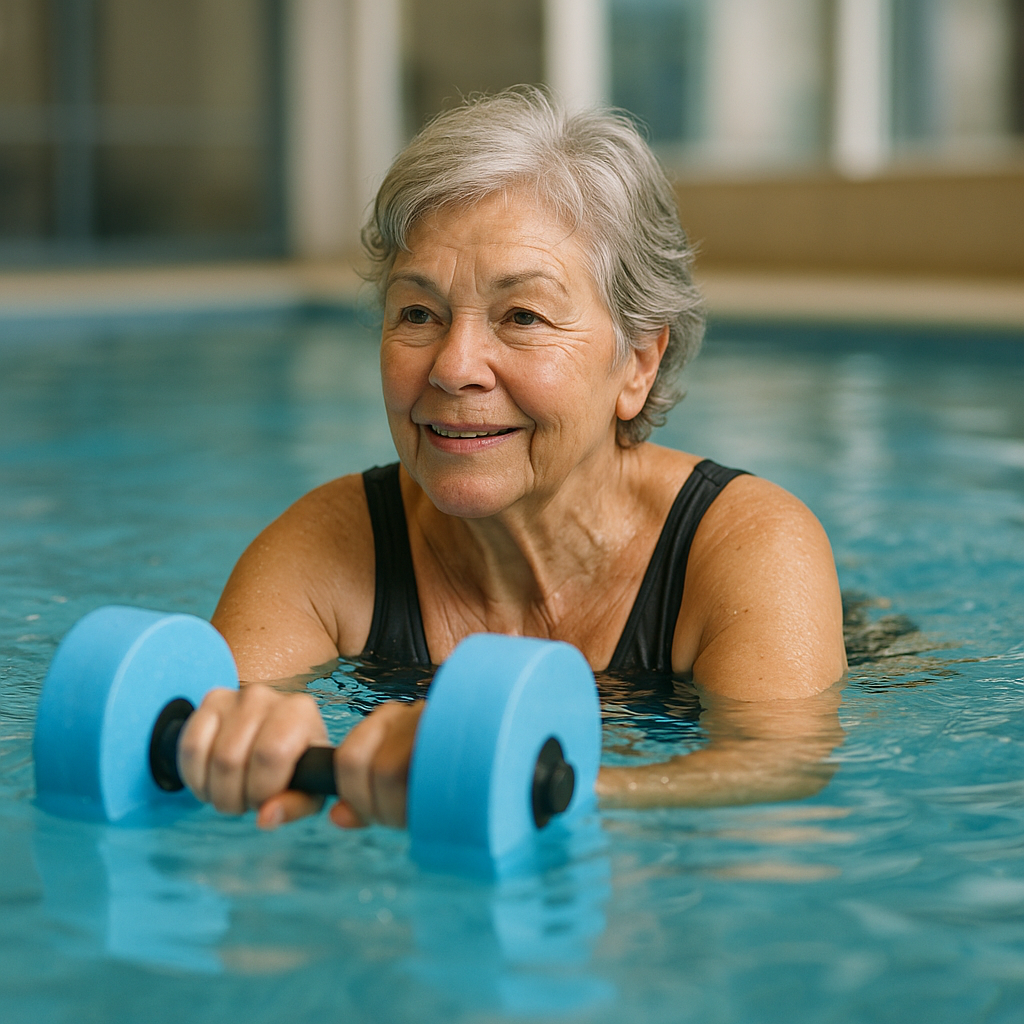
Swimming and water exercises are excellent choices for expecting mothers. The buoyancy of water reduces the impact on joints, making it a comfortable option for those experiencing pregnancy-related discomforts. Swimming provides a full-body workout, helping to improve strength and endurance without the risk of overheating.
Stationary cycling is another safe cardio option that minimizes the risk of falls. It allows for a controlled workout environment and can be adjusted to suit your fitness level. The seated position also helps support your back and pelvis, which is crucial as your body changes throughout pregnancy.
Prenatal yoga and Pilates focus on flexibility, strength, and relaxation, making them ideal for pregnancy. These exercises emphasize breathing techniques and core strength, which can be beneficial during labor. Additionally, prenatal yoga can help reduce stress and promote better sleep.
If you're looking to maintain cardiovascular health, consider low-impact aerobics. These exercises are designed to avoid jarring movements while still providing a good workout. Many classes are tailored specifically for pregnant women, ensuring that the routines are safe and effective.
Exercises and activities to avoid during pregnancy
While staying active is important, it's crucial to avoid activities that may pose risks. Here's a table of exercises and activities to steer clear of during pregnancy:
| Activities to Avoid | Reason |
|---|---|
| Contact sports (e.g., soccer, basketball) | Risk of abdominal trauma |
| Activities with a high risk of falling (e.g., skiing, horseback riding) | Increased fall risk |
| Hot yoga or any exercise in high heat environments | Risk of overheating |
| Scuba diving | Risk of decompression sickness |
| Lying flat on the back, especially later in pregnancy | Can restrict blood flow |
Safety tips for exercising during pregnancy
To ensure a safe exercise routine during pregnancy, consider the following tips:
- Stay hydrated: Drink plenty of water before, during, and after your workout to prevent dehydration.
- Warm-up and cool down: Begin with a gentle warm-up to prepare your body and end with a cool-down to help your muscles relax.
- Wear supportive clothing: Choose comfortable, breathable clothing and supportive footwear to accommodate your body's changes.
- Listen to your body: Pay attention to how you feel during exercise. If you experience any warning signs, such as dizziness, bleeding, or severe discomfort, stop immediately and consult your healthcare provider.
By following these guidelines and choosing the right exercises, you can enjoy the benefits of staying active during pregnancy while ensuring the safety and well-being of both you and your baby. Remember, the goal is to maintain health and comfort, not to push your limits.
Trimester-based exercise modifications
As your pregnancy progresses, it's important to adjust your exercise routine to accommodate your changing body and energy levels. In the first trimester, focus on establishing a consistent routine while managing fatigue. Light activities such as walking or prenatal yoga can be beneficial during this period, helping to build stamina and reduce stress.
During the second trimester, many women experience a boost in energy, making it a great time to maintain moderate activity levels. As your body changes, consider incorporating swimming or stationary cycling, which provide cardiovascular benefits without putting undue strain on your joints.
In the third trimester, prioritize comfort and safety. As your balance may be affected, focus on exercises that support your body, such as prenatal yoga and gentle stretching. These activities can also help prepare your body for labor by strengthening muscles and enhancing flexibility.
Supporting comfort with ergonomic aids
Maintaining comfort during exercise is crucial, especially as your body undergoes significant changes. Ergonomic aids and supportive gear can play a vital role in ensuring proper posture and reducing discomfort. Consider investing in a good pair of supportive shoes to accommodate your growing feet and provide adequate cushioning.

Lumbar support belt
Supports and relieves lower back pain; ideal for both activity and rest.
Additionally, wearing breathable and flexible clothing can help you move freely while exercising. Maternity support belts can offer extra support to your back and abdomen, helping to alleviate pressure and reduce the risk of injury. By prioritizing comfort and ergonomics, you can continue to enjoy the benefits of staying active throughout your pregnancy.

ActivePosture® Shirt for men
Promotes better posture and comfort during everyday activities and movement.
Frequently asked questions
How much exercise is safe during pregnancy?
Most guidelines recommend that pregnant women engage in 150 minutes of moderate-intensity exercise per week. This can be broken down into 30-minute sessions on most days of the week, focusing on activities that are comfortable and enjoyable.
Can I continue my pre-pregnancy exercise routine?
In general, you can continue your pre-pregnancy exercise routine with some modifications. It's important to consult with your healthcare provider to ensure the activities are safe and to make necessary adjustments as your pregnancy progresses.
What are the signs that I should stop exercising?
If you experience symptoms such as dizziness, shortness of breath, vaginal bleeding, or severe discomfort, stop exercising immediately and consult your healthcare provider. It's crucial to listen to your body and prioritize your and your baby's safety.
Are there any specific exercises recommended for labor preparation?
Pelvic floor exercises, such as Kegels, and gentle stretching can be particularly beneficial for labor preparation. These exercises strengthen the muscles needed during childbirth and can help improve recovery postpartum.
Is it safe to start exercising if I wasn’t active before pregnancy?
Yes, it's generally safe to start exercising during pregnancy, even if you weren't active before. Begin with light activities like walking or prenatal yoga, and consult with your healthcare provider to ensure your chosen exercises are appropriate for your situation.
By following these guidelines and incorporating safe, moderate exercise into your routine, you can enjoy the numerous benefits of staying active during pregnancy while ensuring the health and well-being of both you and your baby.
Källor
- NHS. (2023). "Exercise in pregnancy." NHS.
- Harvard Health Publishing. (2020). "How safe is exercise during pregnancy?" Harvard Health Blog.
- Mayo Clinic Staff. (2023). "Pregnancy exercises: Keep moving!" Mayo Clinic.
- Johns Hopkins Medicine. (2023). "Exercise During Pregnancy." Johns Hopkins Medicine.
- Cleveland Clinic. (2023). "Pregnancy-Safe Workouts." Cleveland Clinic Health Essentials.