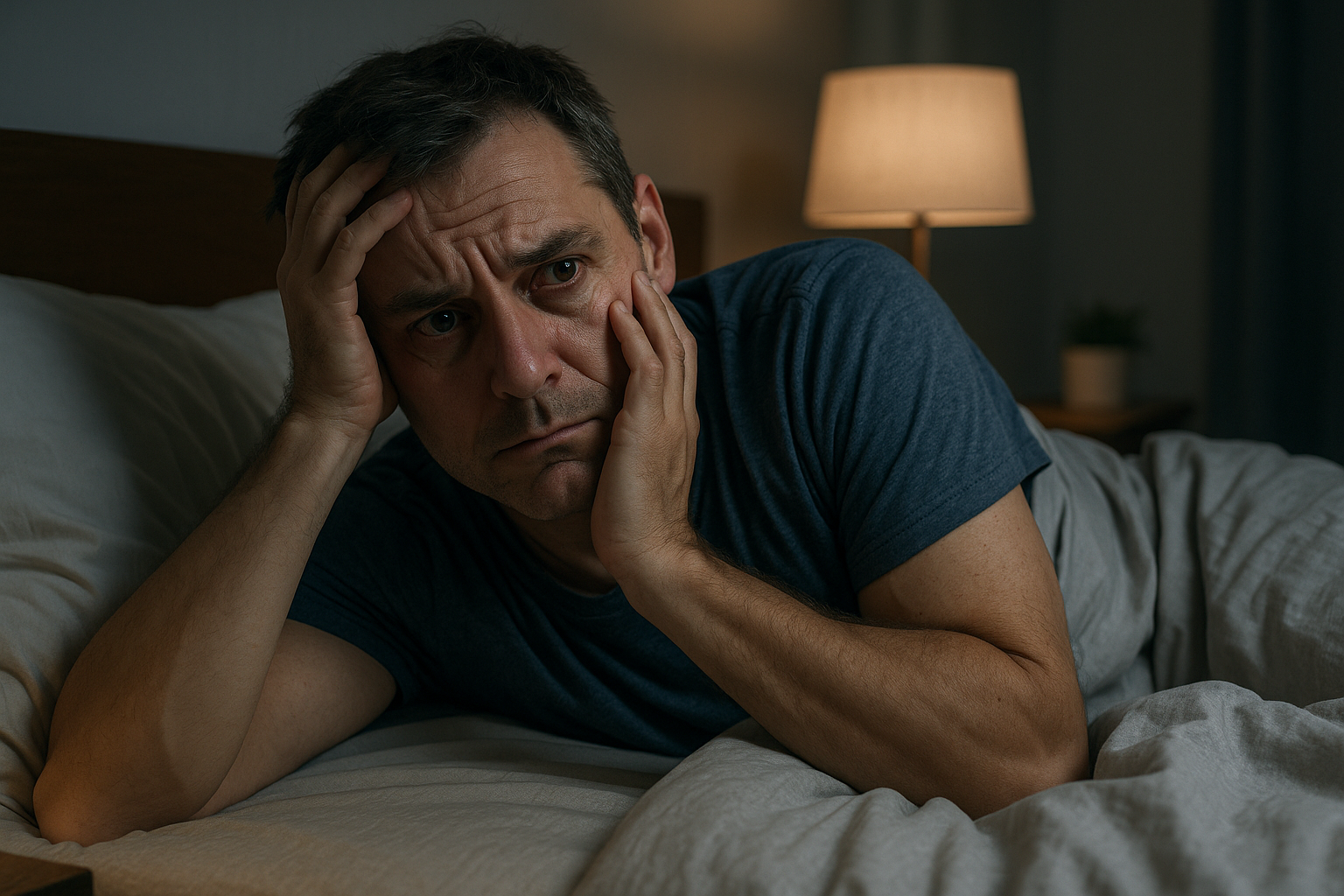
Osteoporosis is often called a silent disease for a reason: bone mineral density can decline for years without obvious symptoms, until a minor fall, an awkward twist, or even a cough leads to a fracture. For many people, that first break becomes the moment osteoporosis turns from an abstract health term into a daily reality. The impact can be significant—pain, reduced mobility, and a new sense of uncertainty around everyday movements that used to feel automatic.
While anyone can be affected, osteoporosis is especially common among postmenopausal women, where hormonal changes can accelerate bone loss. That’s also why conversations about screening, risk factors, and prevention frequently focus on this group. But osteoporosis doesn’t only belong in the doctor’s office or in lab results. It shows up at the kitchen counter, on the stairs, in the laundry room, and at the desk—where posture, balance, and movement habits influence how safe and stable daily life feels.
Why osteoporosis care needs an ergonomic angle
If you search for osteoporosis information, you’ll find strong guidance on diagnosis, medication, nutrition, and exercise. These resources are important, and they form the backbone of modern osteoporosis care. What’s often missing, however, is practical help for the moments in between: how you sit, how you stand up, how you carry groceries, how you work at a computer, and how you move through your home without unnecessary strain.
This is where ergonomics becomes more than a workplace buzzword. Ergonomic solutions focus on fitting your environment to your body—reducing awkward positions, improving alignment, and supporting safer movement patterns. For osteoporosis, that can matter because fractures are often linked to falls and sudden loads on vulnerable bones. Small adjustments in posture support, stability, and everyday body mechanics can help you feel more confident and in control, without promising unrealistic outcomes.

Women's Posture Shirt™ - Black
Patented shirt that improves posture and relieves back, neck, and shoulder pain during daily activities.
From risk awareness to everyday confidence
Research and clinical tools increasingly aim to identify people at higher risk of osteoporosis using factors such as age, body weight, fracture history, and menopause status. That’s valuable for early intervention, but it doesn’t automatically answer the question many people have after diagnosis: “What should I change in my daily routine?”
In the rest of this article, we’ll connect the medical reality of osteoporosis with practical ergonomic strategies—how to set up supportive routines, reduce unnecessary strain, and make daily activities feel safer. Think of it as a bridge between knowing your risk and living well with it.
Clinical prediction and diagnosis: what the data says
Osteoporosis is diagnosed based on bone strength, and in clinical practice that often means measuring bone mineral density (BMD) with a scan and interpreting the result alongside your overall risk profile. What’s changing is how healthcare systems try to identify risk earlier—before the first fracture happens.
A large research review that looked at 21 studies and a total of 45,383 participants evaluated clinical prediction models designed to flag postmenopausal osteoporosis. Across these studies, the most common predictive variables were age, BMI, fracture history, menopause status, weight, and height. In other words, many of the strongest indicators are factors you can’t “feel” day to day, which helps explain why osteoporosis can progress quietly.
The same review also highlighted important limitations: many models had a high risk of bias and there was limited external validation. Practically, that means risk tools can be helpful for guiding screening decisions, but they are not perfect—and they don’t replace a full clinical assessment when symptoms, family history, or prior fractures suggest elevated risk.
Where ergonomics fits in is not as a diagnostic shortcut, but as a parallel track of support. If you’re in a higher-risk group (for example, postmenopausal, older, lower body weight, or with a previous fracture), small changes in how you move and how your environment supports you can reduce unnecessary strain while you pursue appropriate screening and medical guidance. Think of ergonomics as a way to act on risk awareness immediately, even while clinical decisions are still in progress.
Patient education and lifestyle management that supports bone health
Most patient education frameworks for osteoporosis focus on three pillars: nutrition, exercise, and treatments that reduce fracture risk. These are the essentials, and ergonomic strategies work best when they reinforce them—making healthy choices easier to follow consistently and safely.
Nutrition basics: calcium and vitamin D
Your body needs calcium to build and maintain bone, and vitamin D to absorb calcium effectively. Many people aim to meet these needs through food first (such as dairy, fortified alternatives, leafy greens, and fish), then use supplements when recommended by a clinician. If you’re unsure whether you’re meeting targets, a healthcare provider can help you evaluate dietary intake, check vitamin D status when appropriate, and choose a supplement dose that fits your situation.
Exercise: build strength without unnecessary risk
Weight-bearing activity and muscle-strengthening exercise are widely recommended because they stimulate bone and improve balance and coordination. For osteoporosis, the goal is not “more intensity at any cost,” but consistent training that supports posture, hip strength, leg strength, and reaction time. Many people benefit from guided progression—especially if they’ve already had a fracture or feel unsteady.
Ergonomics can make exercise more accessible by reducing barriers: supportive footwear, stable surfaces, and well-placed handholds can help you focus on technique rather than fear of falling. If you use resistance bands or weights at home, a simple setup (clear floor space, good lighting, and a chair or countertop for balance support) can turn exercise into a safer routine rather than an occasional risk.

Men's Posture Shirt™ - Black
Shirt with patented technology to stimulate a better posture and relieve back and neck tension.
Safe movement and daily living: where ergonomics makes the biggest difference
Osteoporosis management isn’t only about what happens during workouts or clinic visits. It’s also about the repeated movements that fill a normal day—standing up, reaching, lifting, carrying, and turning. These moments matter because fractures often follow falls or sudden, awkward loading.
Ergonomic aids and home adjustments can reduce those triggers by improving stability and alignment:
- Fall-risk reduction at home: remove trip hazards, secure rugs, improve lighting in hallways and stairs, and keep frequently used items within easy reach to avoid climbing or overreaching.
- Supportive posture during seated tasks: a chair with stable support and a workstation that keeps screens at eye level can help reduce prolonged slumped positions that strain the spine and fatigue the back.
- Safer lifting and carrying: use two hands, keep loads close to the body, and split heavy items into smaller trips. A rolling cart or trolley can reduce the need to carry weight across rooms.
- Bathroom and stair support: grab bars, non-slip mats, and secure handrails can provide reliable contact points where slips are common.
These changes don’t treat osteoporosis directly, but they support the behaviors that do: staying active, moving with confidence, and reducing the likelihood of a fall that could lead to a fracture.
Treatment options and how ergonomics complements them
Medical treatment for osteoporosis may include medications that slow bone breakdown or support bone formation, depending on fracture risk and clinical history. For many people, medication is paired with nutrition and exercise to lower the chance of future fractures.
Ergonomic solutions complement treatment by protecting your ability to keep moving while your broader plan takes effect. If pain, fear of falling, or poor setup at home makes activity feel risky, adherence tends to drop. Supportive environments, posture-friendly routines, and stability aids can help you stay consistent with movement, rehabilitation, and daily tasks—without asking you to “push through” unsafe situations.
Clinical guidance: what bone density numbers mean in real life
If you have been assessed for osteoporosis, your clinician may refer to a bone mineral density (BMD) result expressed as a T-score. A T-score compares your bone density to that of a healthy young adult reference group. In general terms, the more negative the number, the lower the bone density and the higher the fracture risk. A T-score at or below -2.5 is commonly used as a diagnostic threshold for osteoporosis, while values between -1.0 and -2.5 are often described as low bone mass (sometimes called osteopenia).
These numbers matter because they help guide next steps: whether lifestyle changes are enough, whether medication should be considered, and how aggressively fracture prevention should be prioritised. Importantly, BMD is only one part of the picture. Your age, prior fractures, family history, medication use, and fall risk can shift the overall risk assessment and influence treatment decisions.
Treatment pathways: supporting the plan you and your clinician choose
Osteoporosis care often combines several elements: nutrition, exercise, fall prevention, and—when appropriate—medication. Vitamin D and calcium are frequently discussed because they support bone metabolism and help ensure your body can use calcium effectively. Supplementation is not “one-size-fits-all,” so dosing should match your dietary intake, health status, and clinical advice.
When medication is recommended, the goal is typically to lower the risk of fractures over time. This is where day-to-day function becomes crucial: treatment works best when you can keep moving safely and consistently. If pain, fear of falling, or an unsupportive home or work setup reduces activity, it can become harder to maintain strength, balance, and confidence—factors that matter for fracture prevention.
Ergonomic solutions for osteoporosis in integrated care
Ergonomic solutions for osteoporosis are best viewed as practical tools that support the medical plan rather than replace it. They can help reduce avoidable strain on the spine, improve stability during daily tasks, and make recommended movement habits easier to maintain.
In conservative management, ergonomics can support safer mechanics during common activities that load the spine and hips:
- Standing up and sitting down: chairs with stable armrests and a suitable seat height can reduce sudden, uncontrolled movements and make transitions more predictable.
- Kitchen and household tasks: keeping frequently used items between shoulder and hip height reduces repeated bending, twisting, and overhead reaching.
- Computer and desk work: a screen at eye level and supportive seating can reduce prolonged slumped posture that may increase discomfort and fatigue in the upper back.
- Carrying and transport: splitting loads and using a trolley or rolling bag can reduce the need to carry heavy items close to the body for longer distances.
If surgery becomes relevant (for example after a fracture), bone quality can influence recovery and complication risk. In that context, ergonomic adjustments can still play a role by supporting safer mobility during rehabilitation, making the home environment easier to navigate, and helping you follow movement restrictions more consistently.
Prevention starts earlier than most people think
Osteoporosis often develops gradually, which is why early detection and early action matter. If you are in a higher-risk group—such as being postmenopausal, older, having a lower body weight, a family history of fractures, or a previous fracture—small ergonomic changes can be a sensible preventive step even before a diagnosis is confirmed.
Prevention is not only about avoiding injury; it is about staying active with fewer obstacles. A well-lit hallway, secure handrails, stable footwear, and a home layout that reduces rushing and overreaching can make it easier to keep up with the strength and balance work that protects bone health over time.
Frequently Asked Questions
What are the main risk factors for osteoporosis?
Common risk factors include increasing age, being female (especially after menopause), family history of osteoporosis or fractures, low body weight, prior fractures, smoking, high alcohol intake, certain medications (such as long-term corticosteroids), and medical conditions that affect hormone levels or nutrient absorption.
How can ergonomic aids help in managing osteoporosis?
Ergonomic aids can support safer movement by improving stability, reducing awkward bending and twisting, and promoting more neutral posture during daily tasks. This can lower fall risk and reduce sudden loads on vulnerable bones, helping you stay active and confident.
What lifestyle changes can help prevent osteoporosis?
Key changes include adequate calcium and vitamin D intake, regular weight-bearing and muscle-strengthening exercise, balance training, fall-risk reduction at home, and avoiding smoking. Limiting alcohol intake can also support overall bone health.
Are ergonomic solutions suitable for everyone with osteoporosis?
Many ergonomic adjustments are broadly helpful, but the best choices depend on your fracture history, balance, pain levels, and other health conditions. If you have had fractures, feel unsteady, or are starting a new exercise routine, it is sensible to consult a clinician or physiotherapist for personalised guidance.
How do ergonomic solutions fit into existing treatment plans?
They complement medical care by making it easier to follow exercise and rehabilitation recommendations, supporting safer daily movement, and reducing environmental risks that can lead to falls. In practice, ergonomics helps translate a treatment plan into routines you can maintain at home and at work.
Källor
- University of Utah Health. "Osteoporosis."
- HealthPartners. "Osteoporosis Symptoms."
- Advocate Health. "Osteoporosis Treatment."
- National Institute of Arthritis and Musculoskeletal and Skin Diseases. "Osteoporosis: Diagnosis, Treatment, and Steps to Take."
- Health in Aging. "Osteoporosis: Care & Treatment."
- Cleveland Clinic. "Osteoporosis."
- Mayo Clinic. "Osteoporosis: Diagnosis & Treatment."
- Mayo Clinic Health System. "Osteoporosis: The Silent Disease."
- Endocrine Society. "Osteoporosis Treatment."
- YouTube. "Understanding Osteoporosis."