Understanding and addressing swayback posture is essential for maintaining a healthy spine and overall well-being. Swayback posture is a common postural deviation characterized by an exaggerated curve in the lower back, causing the pelvis to tilt forward and the upper body to lean backwards. This misalignment can lead to discomforts such as lower back pain, fatigue, and muscle imbalances, which, if left unaddressed, may exacerbate over time.
The importance of addressing swayback posture
Ignoring swayback posture can result in persistent discomfort and even chronic pain. The exaggerated spinal curve places undue stress on the lower back, leading to muscle fatigue and potential strain. Additionally, this posture can contribute to muscle imbalances, where some muscles become overly tight while others weaken, further complicating the issue. By addressing swayback posture, individuals can alleviate these discomforts and work towards a healthier, more balanced body.
Transforming your posture through effective swayback treatment strategies is not only about alleviating pain but also about achieving a healthier spine alignment. By engaging in targeted exercises and adopting better postural habits, you can correct this misalignment and prevent future issues.
The role of lifestyle and habits
Our daily habits and lifestyle choices play a significant role in the development of swayback posture. Sedentary lifestyles, prolonged sitting, and poor posture habits contribute to the weakening of core muscles and the tightening of hip flexors and hamstrings, which are key factors in swayback posture. Recognizing and correcting these habits is crucial in preventing further postural issues.
Incorporating movement into your daily routine, such as regular stretching and strengthening exercises, can significantly impact your posture. Additionally, being mindful of your posture during everyday activities, like standing, sitting, and walking, can help maintain proper alignment and reduce the risk of developing swayback posture.
In the following sections, we will delve deeper into effective treatment strategies, focusing on postural correction, stretching tight structures, and strengthening weak muscles. By understanding and implementing these techniques, you can transform your posture and improve your overall quality of life.
Core components of swayback treatment
Addressing swayback posture effectively involves a combination of postural correction, stretching tight structures, and strengthening weak muscles. These core components work together to realign the spine, alleviate discomfort, and promote a healthier posture.
Postural correction techniques
One of the first steps in treating swayback posture is learning to correct your stance. Visual cues can be incredibly helpful in achieving this. Start by pulling your hips back to align them with your ankles, keeping your knees soft and slightly bent. Ensure that your rib cage is stacked directly over your pelvis, avoiding the common mistake of standing with your hips thrust forward. This alignment helps reduce the exaggerated curve in the lower back, promoting a more natural posture.

Men's Posture Shirt™ - Black
Patented posture shirt that stimulates muscles for better posture and reduced pain.
Stretching tight structures
Stretching is crucial for releasing tension in tight muscles that contribute to swayback posture. Focus on the hamstrings, hip flexors, and occasionally the upper abdominals. These muscle groups often become tight due to prolonged sitting or poor posture habits. Incorporate techniques such as foam rolling, therapy balls, and banded drills for self-release. These methods can help lengthen the muscles, allowing for greater flexibility and movement.
Strengthening weak muscles
In addition to stretching, strengthening exercises are essential for addressing swayback posture. Target areas include the abdominals, glutes, and deep core muscles. Exercises like planks, dead bug variations, bird dog, and glute squeezes are effective in building strength and stability. By enhancing these muscle groups, you can support your spine better and maintain proper alignment.
Exercise categories and techniques for swayback
When it comes to exercises, focusing on core activation and glute strengthening can significantly improve swayback posture. Walking lunges, hip flexor marches, and wall drills are excellent choices for enhancing stability and control. These exercises help reduce swayback symptoms by reinforcing the muscles that support the spine.
Breathing and positional resets
Breathing-based exercises play a vital role in swayback treatment. They encourage proper rib-pelvis alignment, which is crucial for maintaining a neutral spine. Incorporating these exercises into your daily routine can lead to lasting improvements. Techniques such as diaphragmatic breathing and positional resets can aid in achieving and sustaining proper posture.
Symptom awareness and seeking professional help
While many individuals can manage swayback posture through self-care and exercise, it's important to be aware of your symptoms. Common complaints include low back discomfort and strain when standing for extended periods. If you experience persistent or severe pain, consider seeking assessment from a physiotherapist or clinician. They can provide personalized guidance and ensure that your treatment plan addresses your specific needs.
In the next section, we will explore manual and self-release tools, practical tips for daily life, and answer common questions about swayback posture. These insights will further empower you to take charge of your posture and improve your overall quality of life.
Manual and self-release tools for swayback treatment
Incorporating manual and self-release tools into your swayback treatment routine can be highly beneficial. Tools like foam rollers, tennis balls, and therapy balls are effective in releasing tension and improving flexibility in tight muscle groups. These tools target areas such as the hamstrings, hip flexors, and upper abdominals, which are often tight in individuals with swayback posture.
To use these tools, start by identifying the tight areas that need attention. For foam rolling, gently roll the targeted muscle groups, applying moderate pressure to release tension. Using tennis or therapy balls, you can focus on smaller, more specific areas by placing the ball under the muscle and applying pressure through body weight. These techniques can help alleviate muscle tightness, promoting better posture and flexibility.
Practical tips for maintaining posture in daily life
Posture cues for everyday activities
Maintaining proper alignment during everyday activities is crucial for preventing and correcting swayback posture. When standing, ensure your hips are aligned with your ankles, and keep your knees slightly bent. Stack your rib cage over your pelvis to avoid excessive arching in the lower back. When sitting, use a chair with good lumbar support and keep your feet flat on the ground to maintain a neutral spine.
While walking, engage your core and glutes to support your spine. Avoid activities that exacerbate swayback, such as certain yoga poses that excessively arch the back or movements that involve prolonged standing with locked knees. Being mindful of these cues can help you maintain proper posture throughout the day.
Ergonomic aids for better posture
Ergonomic aids can be valuable tools in supporting better posture and reducing swayback symptoms. Consider using supportive tools like footrests, seating wedges, or posture-correcting chairs. These aids can help maintain proper alignment while sitting or standing, reducing strain on the lower back and promoting a healthier spine.

Lumbar support belt
Adjustable lower back belt for support, pain relief and lumbar stabilization.
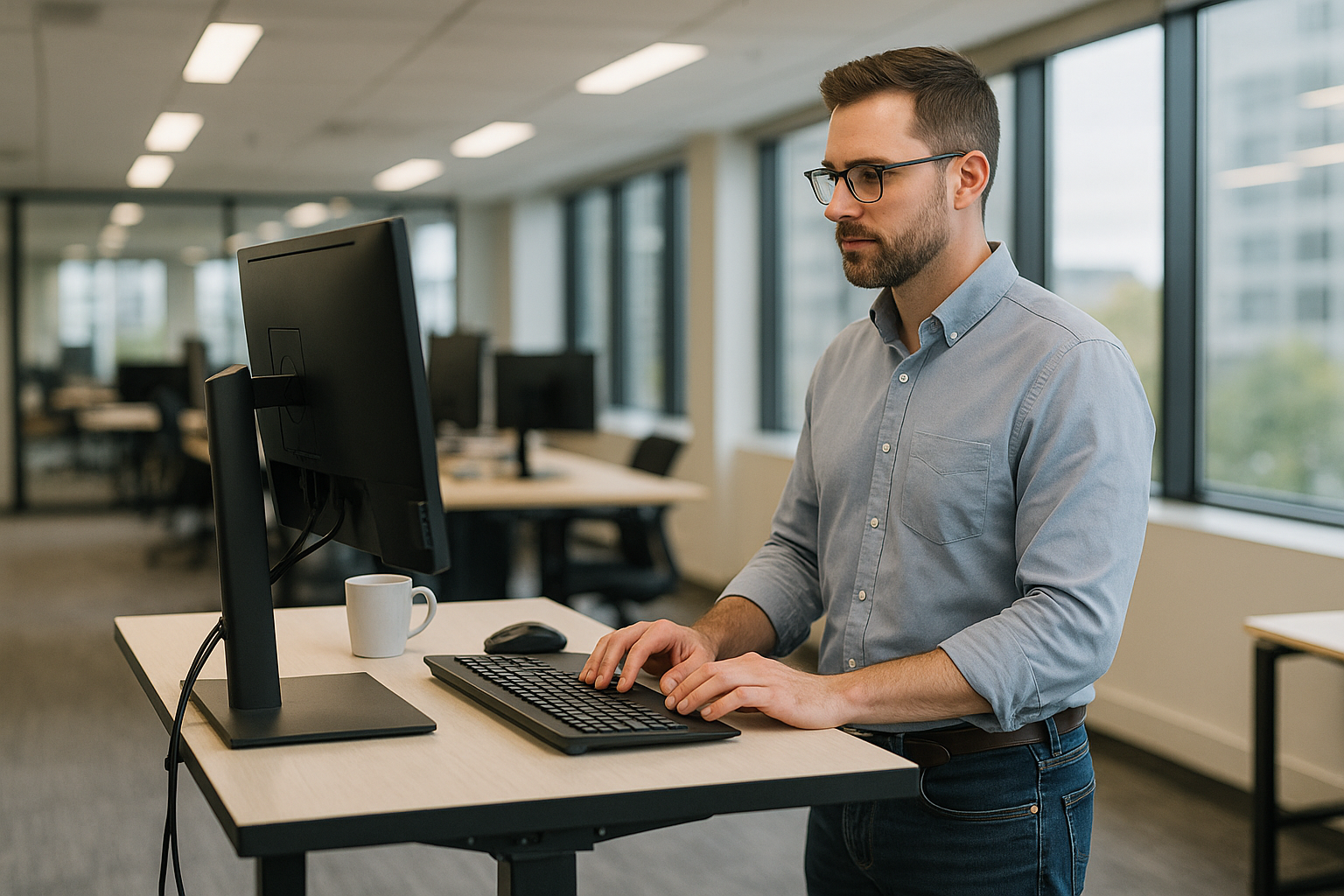
Investing in ergonomic office equipment, such as adjustable desks and chairs, can also make a significant difference. These tools encourage movement and flexibility, preventing prolonged periods of poor posture that contribute to swayback.
Frequently Asked Questions
What causes swayback posture?
Swayback posture is often caused by muscle imbalances, poor posture habits, and sedentary lifestyles. Weak core muscles and tight hip flexors or hamstrings can contribute to the exaggerated curve in the lower back, leading to swayback posture.
Can swayback posture be corrected?
Yes, swayback posture can be improved with consistent effort and the right exercises. By focusing on postural correction, stretching tight muscles, and strengthening weak areas, individuals can achieve better spine alignment and reduce swayback symptoms.
How long does it take to see improvements?
The timeline for seeing improvements in swayback posture varies based on individual commitment and the severity of the condition. Generally, with regular practice of corrective exercises and posture awareness, noticeable changes can be seen within a few weeks to a few months.
Are there any risks associated with swayback posture exercises?
While corrective exercises are generally safe, it's important to use proper form to avoid injury. If you're unsure about how to perform exercises correctly, consider seeking guidance from a physiotherapist or fitness professional to ensure you're on the right track.
By implementing these strategies and tools, you can take proactive steps toward transforming your posture and enhancing your overall well-being. Remember, consistency and awareness are key to achieving lasting improvements in swayback posture.
Källor
- Calisthenics Association. (n.d.). "How to Fix Swayback Posture: Exercises & Corrective Routine."
- Posture Direct. (n.d.). "How to Fix Sway Back Posture."
- Cupples, Z. (n.d.). "Swayback."
- Transform Chiropractic. (n.d.). "Titanic Swayback Posture Exercise."
- Samarpan Physiotherapy Clinic. (n.d.). "Sway Back Posture."
- The American Chiropractor. (2020). "Swayback Posture and Therapy."
- Texas Neuro Spine. (n.d.). "A Poor Posture Can Cause Unexplained Aches and Pains, But You Can Fix It."