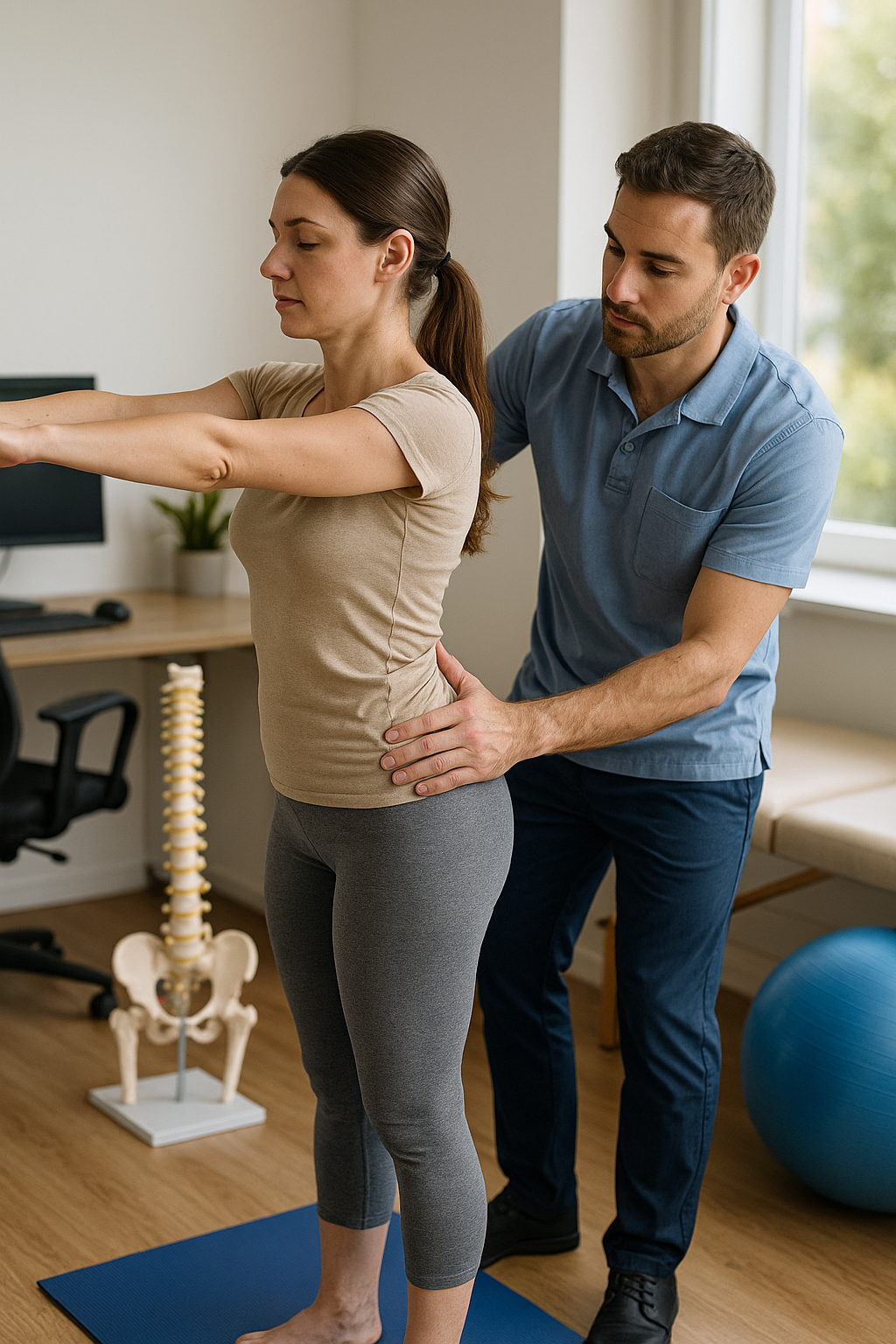
In today's fast-paced world, maintaining a healthy body is more crucial than ever. But what exactly does it mean to have a healthy body? At its core, a healthy body functions optimally both physically and mentally, ensuring a balance of energy, mood, and overall functionality. This balance is reflected in key characteristics such as good posture, pain-free movement, stable energy levels, and effective management of risk factors like weight and blood pressure.
What is a healthy body?
A healthy body is not just about the absence of illness; it's about the presence of vitality and well-being. Physically, it means having the ability to move gracefully without pain, maintaining good posture, and feeling energized throughout the day. Mentally, it encompasses stable mood levels, clarity of thought, and resilience against stress. These elements work together to create a foundation of health that supports both longevity and quality of life.
The importance of a healthy body
The benefits of maintaining a healthy body are extensive and multifaceted. Physically, it enhances mobility, reduces the risk of chronic diseases such as diabetes and heart disease, and contributes to overall longevity. A body that is well-cared for is more likely to perform efficiently, recover quickly from injuries, and resist illness. Mentally, a healthy body translates to a better mood, reduced stress levels, and improved cognitive function. This mental clarity and emotional stability are crucial for navigating the complexities of modern life with ease and confidence.
Understanding the profound connection between physical and mental health is essential. When the body is in good shape, the mind often follows suit, leading to a cycle of positive reinforcement that promotes overall well-being. Conversely, neglecting physical health can lead to mental strain, illustrating the intricate link between the two.
In conclusion, achieving and maintaining a healthy body involves a holistic approach that integrates physical activity, proper nutrition, and mental well-being. By focusing on these core aspects, individuals can unlock the secrets to a healthier, more fulfilling life. As we delve deeper into the core pillars of a healthy body, it becomes clear how each element contributes to this harmonious balance, guiding us toward a state of complete health.
Core pillars of a healthy body
Achieving a healthy body is a multifaceted journey that revolves around several core pillars: nutrition, physical activity, posture, sleep, and stress management. Each of these elements plays a vital role in maintaining overall health and well-being, ensuring that the body functions optimally.
Nutrition: the foundation of health
Nutrition is a cornerstone of a healthy body. A Mediterranean-style diet, rich in whole grains, fruits, vegetables, unsaturated fats, and omega-3 fatty acids, is highly recommended. This dietary pattern not only supports heart health but also reduces inflammation and provides the energy needed for physical activity. According to experts at Harvard Health and the Cleveland Clinic, such a diet is associated with a lower risk of chronic diseases, making it an essential component of a healthy lifestyle.
Physical activity and strength: building resilience
Regular physical activity is crucial for maintaining a healthy body. It is recommended to engage in at least 150 minutes of moderate exercise per week, complemented by strength training exercises. This combination enhances cardiovascular fitness, builds muscle strength, and improves metabolic health. Strength training, in particular, is vital for protecting joints and improving posture, which are key aspects of physical health.
Posture and ergonomics: the importance of alignment
Good posture and ergonomics are often overlooked but are essential for pain-free movement and optimal body function. Maintaining proper posture ensures that the body is aligned, reducing strain on muscles and joints. Ergonomic setups at home and work can prevent musculoskeletal issues by promoting healthy movement patterns. Simple adjustments, such as using posture aids and ergonomic furniture, can significantly enhance musculoskeletal health.

Men's Posture Shirt™ - White
Patented shirt for men that activates muscles and improves posture while reducing pain and tension.

Women's Posture Shirt™ - White
Patented posture shirt that activates muscles, relieves pain, and improves awareness for women.
Sleep and recovery: recharging the body
Adequate sleep is indispensable for a healthy body. Aim for 7-9 hours of quality sleep each night to support physical recovery, enhance mood, and improve overall health. Establishing a consistent sleep routine can help regulate the body's internal clock, ensuring that you wake up refreshed and ready to tackle the day.
Stress and mental health: managing the mind
Chronic stress can have detrimental effects on the body, increasing tension, inflammation, and the risk of heart disease. Incorporating mindfulness and relaxation techniques into daily routines can significantly enhance mental well-being. Practices such as meditation, deep breathing, and yoga can help manage stress levels, promoting a calm and balanced state of mind.
The mind–body connection
The connection between the mind and body is profound, with each influencing the other. Physical health impacts mental well-being, and vice versa. For example, regular exercise can lead to less pain, better sleep, improved mood, and increased motivation for physical activity. Understanding and nurturing this connection can lead to a more harmonious and healthy life.
In summary, achieving a healthy body requires a comprehensive approach that integrates nutrition, physical activity, posture, sleep, and stress management. By focusing on these core pillars, individuals can create a foundation of health that supports both physical and mental well-being. As we continue to explore the intricacies of maintaining a healthy body, it becomes clear that each element is interconnected, contributing to a state of overall health and vitality.
Daily routines for a healthy body
Establishing daily routines can significantly enhance your journey toward achieving a healthy body. Begin your day with a morning routine that includes gentle stretching exercises to awaken your muscles and a nutritious breakfast to fuel your body. This sets a positive tone for the rest of the day.
During the workday, incorporate micro-breaks and posture checks to prevent stiffness and maintain energy levels. Simple actions like standing up, stretching, or adjusting your ergonomic setup can make a substantial difference. These practices not only promote physical well-being but also boost productivity and mental clarity.
In the evening, focus on winding down with relaxation techniques such as meditation or deep breathing. Preparing for restful sleep ensures your body recovers and recharges, ready to face the next day with vitality.
A healthy body at work
Maintaining a healthy body at work requires attention to ergonomics and self-care strategies. For individuals, it is crucial to create a workspace that supports good posture and reduces strain. This can be achieved by using ergonomic furniture, adjusting screen heights, and ensuring proper lighting.
Employers play a vital role in promoting workplace wellness by implementing ergonomic initiatives. Providing employees with resources and education on maintaining a healthy body can lead to enhanced well-being and productivity. Encouraging regular breaks and offering wellness programs can further support employees in achieving a balanced and healthy lifestyle.
Frequently Asked Questions
How long does it take to get a healthy body?
The timeline for achieving a healthy body varies depending on individual starting points and goals. However, with consistent effort and dedication to healthy habits, noticeable improvements can often be seen within a few weeks.
Can you have a healthy body if you sit all day?
Yes, it is possible to maintain a healthy body even with a sedentary job. Incorporate regular breaks, ergonomic adjustments, and engage in physical activity outside of work hours to counteract the effects of prolonged sitting.
What is the best exercise for a healthy body?
A combination of cardiovascular exercises, strength training, and flexibility exercises is ideal for overall health. This balanced approach helps improve cardiovascular fitness, build muscle strength, and enhance flexibility.
What are signs of a healthy body?
Signs of a healthy body include good posture, restful sleep, regular bowel movements, and the ability to perform daily tasks without pain. These indicators reflect a well-functioning body that is in balance.
What is the best way to stay healthy?
To maintain a healthy body, focus on a balanced diet, regular physical activity, adequate sleep, stress management, and maintaining good posture. These elements work together to support overall health and well-being.
Källor
- Minnesota State University. "Definition of Health."
- Weljii. "What Are the 5 Components of Health and Wellness?"
- Biotech Academy. "The Healthy Body."
- Branxton Healthcare. "7 Components of a Healthy Lifestyle."
- Collins Dictionary. "Healthy Body."
- Wave Health. "Balanced Body Composition."
- Modern Family Dental Care. "What Does It Mean to Be Healthy and Fit?"
- Withings. "About Body Composition."
- Nirvana Healthcare. "What Does It Truly Mean to Be Healthy?"
- Cleveland Clinic. "Nutrition."
- RRTC Nisonger. "What Does It Mean to Be Healthy?"
- World Cancer Research Fund. "What Do Humans Need to Stay Healthy?"
- Medical News Today. "What Is Health?"
- World Health Organization. "Healthy Diet."
- Genesis Medical. "What Does It Truly Mean to Be Healthy?"
- WebMD. "What Is Body Composition?"
- Prodia Digital. "6 Signs of a Fit and Healthy Body."
- Centers for Disease Control and Prevention. "About Healthy Weight."