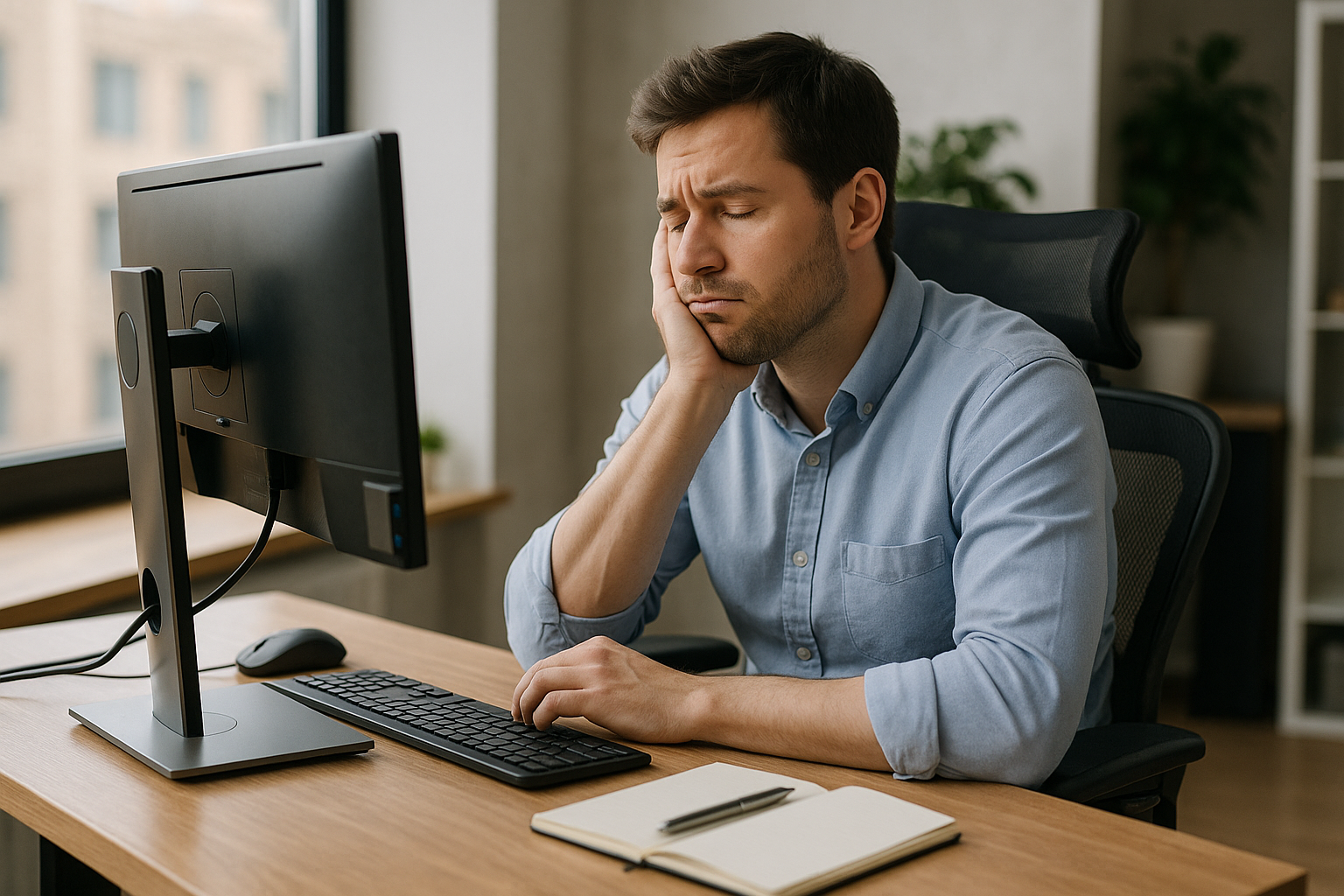
Most of us think of stress as something that happens “in the head”. But a stress reaction is often the body’s early warning system—showing up as pain, fatigue, tension or a sense that something is off long before a bigger problem forces you to stop. The tricky part is that stress reactions can mean two different things: an early-stage bone injury caused by repeated load, and an acute psychological response to a frightening or overwhelming event. They’re not the same, but they share one message: ignore the signals for long enough, and the consequences tend to escalate.
For many people searching stress reaction, the concern is orthopedic. You don’t need to be an elite runner to experience it. A new walking routine, extra shifts on hard floors, repetitive lifting, or a sudden spike in training can all push the body past its current capacity. In bone, that can start as a stress reaction—microdamage and irritation that hasn’t yet become a crack. Catch it early and you usually have more options, less downtime and a smoother return to normal activity.
What a stress reaction can look like in everyday life
A bone stress reaction often begins quietly: a dull, localised ache in one specific spot (commonly in the foot, shin or hip) that worsens with impact and eases with rest. At first, it may feel like “just soreness” or a minor strain. Over time, the pain can become more predictable—showing up earlier in activity, lingering longer afterwards, and sometimes becoming tender to touch or slightly swollen. This is where many people lose valuable time: they keep pushing because the pain is manageable, until it suddenly isn’t.
Psychological stress reactions can also affect the body—sleep disruption, muscle tension, headaches, stomach symptoms, irritability and a heightened sense of alertness. While this post mainly focuses on bone-related stress reactions (because that’s what the term most often refers to), it’s worth remembering that mental stress can amplify pain, slow recovery and make it harder to notice early physical warning signs.
Why early detection matters
A stress reaction sits on a continuum. With continued loading and too little recovery, it can progress into a stress fracture, which typically means more pain and a longer break from the activities you rely on—whether that’s sport, work or simply getting around comfortably. Early evaluation is also important because imaging can be confusing: an X-ray may look normal in the early stages, while an MRI is often better at detecting the problem sooner. The goal is simple: listen early, adjust early, and avoid the “too late” moment.
Bone stress reaction: what it is and why it happens
A bone stress reaction is an early-stage bone stress injury caused by repetitive loading. Bone is living tissue that constantly remodels: small amounts of microdamage are normal, and the body repairs them during recovery. Problems start when the load increases faster than the bone can adapt. Instead of “catching up”, the bone becomes irritated and develops inflammation-like changes inside the bone marrow. If the same loading continues without enough rest, that stress reaction can progress along the same continuum toward a stress fracture, where a small crack develops.
This is why stress reactions are common after sudden changes: a new running plan, a jump in weekly mileage, more time on hard floors at work, or a busy period with repetitive lifting and carrying. The bone isn’t necessarily weak; it may simply be underprepared for the current demands.
Stress reaction vs stress fracture
People often ask whether a stress reaction is “basically a stress fracture.” The simplest way to think about it is stage and severity. A stress reaction is the warning phase: pain and internal bone changes are present, but there is not yet a clear crack. A stress fracture is further along: the microdamage has accumulated to the point where a small fracture line may form, and symptoms often become sharper, more persistent, and easier to provoke.
Both deserve attention. The advantage of catching a stress reaction early is that you can usually reduce impact, protect the area, and return to normal activity sooner than if you wait until it becomes a fracture.
Symptoms that suggest a bone stress reaction
Symptoms tend to build gradually rather than appearing after one single incident. Common patterns include:
- Localised pain in one specific spot (often shin, foot, ankle, hip, or pelvis) rather than a broad, diffuse ache.
- Pain that worsens with impact or loading (running, jumping, long walks, stairs, standing for long periods) and improves with rest.
- Tenderness to touch directly over the bone, sometimes with mild swelling.
- Symptoms that “creep forward”: pain starts later in activity at first, then appears earlier, and may linger longer afterwards.
A useful clue is a recent change in routine. If the pain began after a workload spike, new footwear, a surface change (treadmill to road, soft ground to concrete), or extra shifts, a stress reaction becomes more likely.
How a stress reaction is diagnosed (and why x-rays can be normal)
Diagnosis starts with your story and a clinical exam: where the pain is, what triggers it, how training or work demands have changed, and whether there are risk factors that affect bone health. Imaging is often where people get confused. X-rays are good for many conditions, but early stress reactions frequently don’t show up on X-ray because the changes are happening inside the bone before a clear fracture line or visible bone reaction develops.
An MRI is typically the most sensitive test for early bone stress injuries because it can detect bone marrow edema (a sign of stress and irritation within the bone) and help estimate severity. That matters because the grade and location influence how cautious you need to be and how long recovery may take.
Treatment and healing time: what recovery usually involves
The cornerstone of treatment is load management: reducing the specific impact or repetitive stress that triggered the problem while keeping the rest of the body active where possible. Many people do well with a period of impact restriction (for example, pausing running and jumping) while maintaining fitness through lower-impact options such as cycling, swimming, or strength training that does not reproduce symptoms.
Healing time varies with location, severity, and how quickly you reduce the aggravating load. Many stress reactions improve within roughly 2–8 weeks with appropriate modification. More severe or higher-risk cases can take 3–6 months, even without a full fracture, especially if the area is repeatedly stressed in daily life or if the reaction is advanced.
Return to sport or full work duties should be gradual. A common mistake is feeling better for a few days and immediately resuming the exact same volume and intensity. A better approach is to reintroduce impact in steps, watching for pain during activity and the next day. If symptoms return, it’s a sign the bone is not yet tolerating that level of load.

Lumbar support belt
Stabilises and relieves lower back pain during daily activities or long hours of standing.
Risk factors: athletes, workers, and bone health
Stress reactions are often associated with runners and field sports, but they also occur in people whose jobs involve repetitive loading: healthcare workers, warehouse staff, hospitality workers, postal workers, and anyone doing long hours on hard surfaces. Risk increases with sudden workload changes, inadequate recovery, and biomechanical factors that concentrate stress in one area.
Other contributors can include low energy intake, insufficient protein and micronutrients, low bone density, and (in females) menstrual irregularities, which can be a sign that the body doesn’t have enough energy available to support healthy bone remodeling.
Prevention: training, footwear, and ergonomics that reduce repeated load
Prevention is rarely about one “magic” fix. It’s about reducing stress concentration and giving the body time to adapt. Build volume and intensity progressively, rotate impact-heavy days with lower-impact training, and take early niggles seriously. Footwear that matches your activity and provides appropriate support can help, particularly when you’re on your feet for long periods.
Ergonomics matters too. Small adjustments that spread load more evenly—supportive shoes for long shifts, cushioned mats for standing stations, using carts instead of carrying, alternating tasks, and improving posture and movement mechanics—can reduce the repeated strain that drives bone stress reactions in the first place.
Acute psychological stress reactions: a brief note
In mental health, a stress reaction can also describe a short-term response to a traumatic event, with symptoms such as hypervigilance, sleep disruption, irritability, and feeling on edge. Even when the primary issue is a bone injury, high psychological stress can worsen pain sensitivity and make recovery feel harder. If stress is affecting sleep, mood, or daily functioning, addressing it is part of listening to your body—not a distraction from the physical problem.
Bringing it together: why a holistic view of stress reaction matters
A stress reaction is often described as a mechanical problem: too much repetitive load, too little recovery. That is true, but it is not the whole picture. Your nervous system, sleep, and overall stress level influence how pain is processed, how well you recover, and how consistently you can follow a rehabilitation plan. In practice, bone and mind are not separate systems—they are part of the same body trying to adapt.
When psychological stress is high, people often sleep less, move differently, and tense muscles without noticing. Sleep disruption can make pain feel sharper and reduce the body’s ability to repair tissue. Stress can also push you toward “all or nothing” decisions: either pushing through pain to keep up with work and training, or stopping completely and then restarting too aggressively once symptoms ease. Both patterns can prolong a bone stress reaction.
Load management you can actually stick to
The best recovery plans are realistic. If you cannot fully rest the area because you need to work, the goal becomes reducing the most aggravating load while keeping daily life manageable. Consider these practical principles:
- Reduce impact first: running, jumping, and long walks on hard surfaces are common triggers. Swap to low-impact options where possible.
- Keep movement, change the stress: cycling, swimming, and strength training can maintain fitness without repeatedly loading the irritated bone—provided they do not reproduce the pain.
- Use a symptom rule: discomfort that increases during activity or is worse the next morning is a sign the bone is not tolerating that load yet.
- Return gradually: when symptoms settle, reintroduce impact in small steps rather than returning to the previous volume immediately.
If you are dealing with a high-demand job, small changes can have a big effect. Rotating tasks, adding micro-breaks, and reducing carrying where possible can lower cumulative load without requiring time off.

Men's Posture Shirt™ - Black
Posture Shirt™ that stimulates muscles and helps relieve back, neck and shoulder pain.
Ergonomics and biomechanics: reducing stress concentration
Stress reactions often develop where load concentrates repeatedly in the same area. That concentration can come from training errors, but it can also come from how you stand, walk, lift, or absorb impact. Poor alignment, fatigue-related changes in technique, or inadequate support can shift forces into one bone region again and again.
Ergonomic strategies aim to spread load more evenly and reduce peak stress. Depending on your situation, that may include supportive footwear for long shifts, cushioned mats at standing workstations, using carts instead of carrying, adjusting work height to avoid awkward positions, and strengthening the muscles that help control lower-limb alignment. These changes are not “quick fixes,” but they can reduce the repetitive stress that keeps a stress reaction from settling.
When to get help
If you suspect a stress reaction, early assessment can prevent progression to a stress fracture and shorten downtime. Seek evaluation if pain is localised to one spot on a bone, worsens with loading, or persists despite reducing activity. Also get checked if you cannot comfortably bear weight, pain affects sleep, or symptoms are steadily escalating. A clinician can help determine whether imaging is needed and guide a safe return-to-activity plan based on location and severity.
Frequently Asked Questions
What is the difference between a stress reaction and a stress fracture?
A stress reaction is an early-stage bone stress injury where the bone shows irritation and internal changes from repetitive loading, but there is not yet a clear crack. A stress fracture is further along the same continuum, where accumulated microdamage can form a small fracture line. Catching a stress reaction early usually means a simpler recovery and a lower risk of prolonged time away from sport or work.
How can I tell if I have a bone stress reaction?
Common signs include a gradual, localised ache in one specific spot (often foot, shin, ankle, hip, or pelvis) that worsens with impact or prolonged standing and improves with rest. Tenderness when pressing on the bone and mild swelling can occur. A key clue is a recent change in load, such as increased training volume, new footwear, harder surfaces, or extra shifts.
Why doesn't my X-ray show a stress reaction?
Early stress reactions often do not appear on X-ray because the initial changes occur inside the bone before a visible fracture line or obvious bone reaction develops. MRI is typically more sensitive for detecting early bone stress injury because it can show bone marrow edema and help estimate severity.
How long does it take for a stress reaction to heal?
Healing time depends on the bone involved, the severity, and how quickly aggravating load is reduced. Many stress reactions improve within about 2–8 weeks with appropriate load management. More severe or higher-risk cases can take 3–6 months, even without a complete fracture, especially if daily activities continue to stress the area.
Can ergonomic aids help prevent stress reactions?
Yes. Ergonomic aids can reduce repeated peak loading by improving support and spreading forces more evenly. Examples include supportive footwear for long periods on hard floors, cushioned mats at standing stations, and tools that reduce carrying. Combined with task variation and good movement mechanics, these measures can lower the risk of a stress reaction developing or returning.
What should I do if I suspect a stress reaction?
Reduce the activity that triggers pain, especially impact loading, and seek medical or physiotherapy advice early. Avoid repeatedly “testing” the painful area, as that can prolong irritation. A clinician can assess risk factors, advise on safe cross-training, and determine whether MRI or other evaluation is appropriate to prevent progression to a stress fracture.
Källor
- Harvard Health Publishing. "Understanding the Stress Response."
- Advanced Hearing Group. "Stress and Hearing Loss: How Emotional Strain Can Affect Your Ears and What to Do About It."
- NQ Physio. "Stress Reaction vs Stress Fracture: What's the Difference?"
- My Hearing Centers. "Stress Could Lead to Hearing Loss."
- YouTube. "Stress Reaction Explained."
- Sundhed.dk. "Tinnitus (øresusen)."
- U.S. Department of Veterans Affairs. "Stress Response and How It Can Affect You."
- Radiopaedia. "Stress Response."
- OrthoInfo. "Stress Fractures."
- Physio-pedia. "Bone Stress Injuries."
- Wikipedia. "Stress Fracture."
- Borgå. "Ny vinkel på tinnitus."
- Carolina Sports Clinic. "Stress Fracture & Stress Reactions."
- Heimdalls. "Nedsat hørelse og stress."
- FDALepteast. "What is a Stress Reaction?"