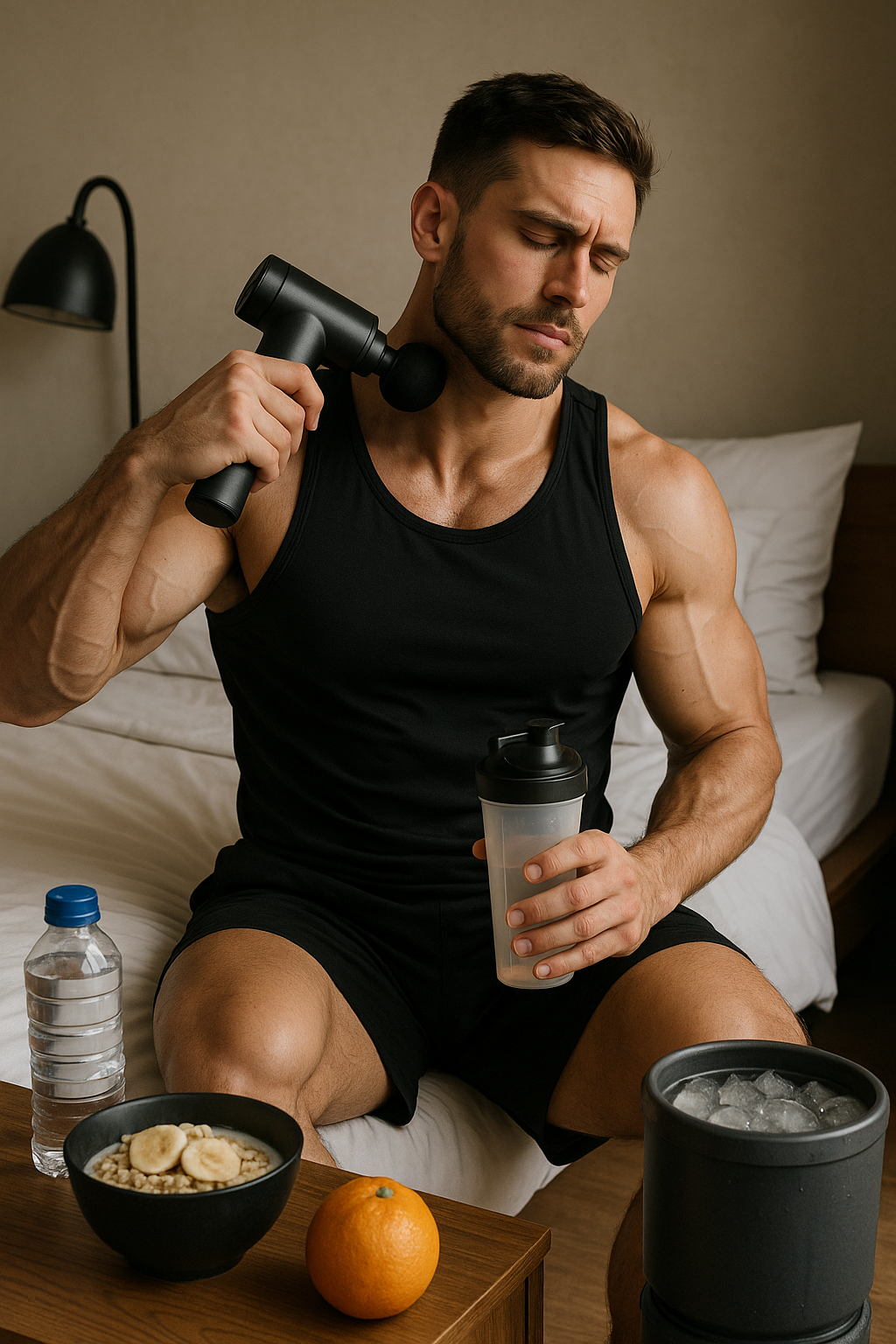
Energy is an integral part of our everyday lives, often operating behind the scenes to power our world and fuel our bodies. At its core, energy is defined as the ability to do work or cause change, and it is omnipresent in every activity we engage in. From the moment we wake up to the time we go to bed, various forms of energy are at play, influencing how we move, work, and rest.
Understanding energy in everyday life
Energy manifests in several forms, each with unique characteristics and applications. Kinetic energy is the energy of motion, seen in everything from a running athlete to a spinning fan. Potential energy, on the other hand, is stored energy, waiting to be unleashed, like a drawn bow or water held behind a dam. Thermal energy, or heat, is what keeps our homes warm and our meals cooked, while electrical energy powers our devices and lights our rooms. Chemical energy is stored in the bonds of molecules and is released during reactions, such as the digestion of food in our bodies. Light energy illuminates our surroundings, and sound energy travels through the air, allowing us to communicate and enjoy music.
The dual nature of energy is evident in both external and internal forms. External energy includes the electricity that powers our homes, the heating systems that keep us warm, and the lighting that guides us through the dark. Internally, our bodies rely on metabolic energy derived from the food we eat, enabling movement and affecting fatigue levels. This intricate dance between different energy forms highlights the complexity and importance of energy in our daily routines.
The role of energy in our lives
Energy is the invisible force that powers our daily lives, from the simplest household functions to our overall well-being. It enables us to perform tasks, stay comfortable, and maintain productivity. The energy we consume and the energy within us both play crucial roles in determining our health and efficiency. This leads to a thought-provoking question: How does the energy we use and the energy within us affect our health and productivity? Understanding this relationship can unlock new insights into optimizing our environments and habits for better health and enhanced performance.
Energy in the home: comfort, health, and efficiency
In our homes, energy is a cornerstone of comfort and efficiency. Heating and cooling systems are vital for maintaining a pleasant indoor climate, especially during extreme weather conditions. These systems ensure thermal comfort, which is crucial not only for relaxation but also for maintaining muscle relaxation and optimal posture. A well-regulated temperature can significantly reduce physical stress and muscle tension, contributing to overall well-being.
Lighting is another critical aspect of household energy use. It influences not just visibility but also affects eye strain and posture. Poor lighting can lead to improper posture, as individuals may lean forward or squint, causing neck and back tension over time. Ensuring adequate lighting, particularly in workspaces, can mitigate these issues, promoting a healthier living environment.
Additionally, the design of furniture plays a significant role in energy efficiency and comfort. Ergonomic furniture, such as chairs and desks, can reduce the muscular energy demand placed on the body. By supporting natural body positions, ergonomic designs help minimize fatigue and discomfort, allowing for more energy-efficient use of the body’s physical resources.

Men's Posture Shirt™ - White
Advanced shirt with Neuroband™ technology for improved posture and relief of pain and tension.
Energy at work and in the home office
In the workplace, energy usage is a key factor in maintaining productivity and comfort. Commercial spaces typically rely on energy for lighting, IT equipment, and climate control. In home offices, these dynamics are similar, with the added need to balance personal comfort and professional efficiency. Proper lighting and ergonomic setups can greatly influence physical health by reducing the strain associated with static postures and repetitive tasks.

Women's Posture Shirt™ - Black
Popular shirt for women with Neuroband™ technology to improve posture and reduce pain during work or leisure.
Ergonomic aids, such as adjustable chairs, supportive cushions, and standing desks, can significantly impact energy levels by promoting better posture and reducing fatigue. These tools help distribute body weight more evenly, minimizing pressure points and allowing for greater comfort during long work hours. By optimizing the home office environment, individuals can conserve energy and enhance their productivity.
Movement and human energy
Human bio-energy is derived from the food we consume, which the body converts into energy through metabolic processes. This energy fuels physical activity and supports bodily functions. Regular movement is essential for maintaining energy levels and preventing fatigue. Simple practices like taking micro-breaks and stretching can conserve energy and reduce the risk of musculoskeletal issues.
Ergonomics plays a crucial role in facilitating movement and reducing the physical demands on the body. Ergonomic designs enable easier, less taxing movements, which can prevent unnecessary energy expenditure and promote overall health. Incorporating ergonomic principles into daily routines can help individuals manage their energy more effectively, leading to improved well-being and productivity.
Understanding the interplay between external energy sources and our internal energy needs is key to optimizing our daily lives. By integrating ergonomic solutions into our environments, we can enhance comfort, reduce physical strain, and make more efficient use of our energy resources, both at home and at work. This holistic approach not only supports personal health but also contributes to a more sustainable and energy-efficient lifestyle.
Energy, environment, and sustainable well-being
In today's world, the importance of energy conservation and efficiency cannot be overstated. Reducing energy consumption is crucial for environmental sustainability and personal well-being. By adopting practices that balance energy use with health, individuals can contribute to a more sustainable future. Simple actions like using energy-efficient lighting and maintaining ergonomic setups can lead to significant reductions in energy consumption while simultaneously improving posture and reducing physical strain.
One of the most effective strategies for achieving this balance is to focus on win-win solutions. For instance, optimizing lighting in workspaces not only reduces electricity use but also minimizes eye strain and promotes better posture. Similarly, maintaining thermal comfort through efficient heating and cooling systems can decrease HVAC loads while reducing physical stress on the body. These strategies highlight how thoughtful energy management can support both environmental goals and personal health.
Actionable checklist for energy management
To effectively manage energy in daily life, consider implementing the following tips:
- Maintain personal energy levels: Incorporate regular breaks, practice good posture, and ensure adequate sleep to support overall well-being.
- Optimize household and work energy efficiency: Use energy-efficient lighting, maintain comfortable temperatures, and choose energy-saving devices to reduce consumption.
- Ergonomic improvements: Invest in ergonomic furniture and tools, such as adjustable chairs and standing desks, to enhance comfort and reduce physical strain.
These simple yet effective strategies can help individuals balance their personal energy needs with household and workplace energy use, promoting a healthier and more sustainable lifestyle.
Frequently Asked Questions
What are the main types of energy used in daily life?
The main types of energy used in daily life include kinetic, potential, thermal, electrical, chemical, light, and sound energy. Each type plays a distinct role, such as powering vehicles (kinetic), heating homes (thermal), and lighting rooms (electrical).
How does energy use affect my health and well-being?
Energy use impacts health and well-being by influencing physical comfort, posture, and fatigue levels. Efficient energy use in environments, like proper lighting and temperature control, can reduce physical strain and enhance productivity.
What are some simple ways to conserve energy at home and work?
Conserving energy can be achieved through actions such as using energy-efficient appliances, optimizing lighting, and maintaining appropriate indoor temperatures. These actions not only save energy but also support ergonomic health.
How can I improve my home office setup for better energy efficiency and comfort?
Improving a home office setup involves using ergonomic furniture, ensuring adequate lighting, and maintaining a comfortable temperature. These changes can reduce energy consumption and enhance physical comfort, leading to increased productivity.
Why is it important to consider both external and internal energy in daily life?
Considering both external and internal energy is crucial because they interact to affect overall well-being. External energy sources, like lighting and heating, impact physical comfort, while internal energy, derived from food and movement, influences fatigue and vitality.
Källor
- Andersson, B. (2015). "Energy in Everyday Life." DiVA Portal.
- "30 Facts About Energy." Oh My Facts.
- "Where Does Energy Come From?" Science.lu.
- "Energy: Powering Your World." Österreichische Akademie der Wissenschaften.
- "Applications of Energy in Daily Life." GeeksforGeeks.
- "Energy (Society)." Kiddle Encyclopedia.
- "Intermediate Energy Infobook." National Energy Education Development Project.
- "12 Energy Facts That May Surprise You." EPB.
- "Energy Facts." Fact Retriever.
- "What is Energy?" U.S. Energy Information Administration.