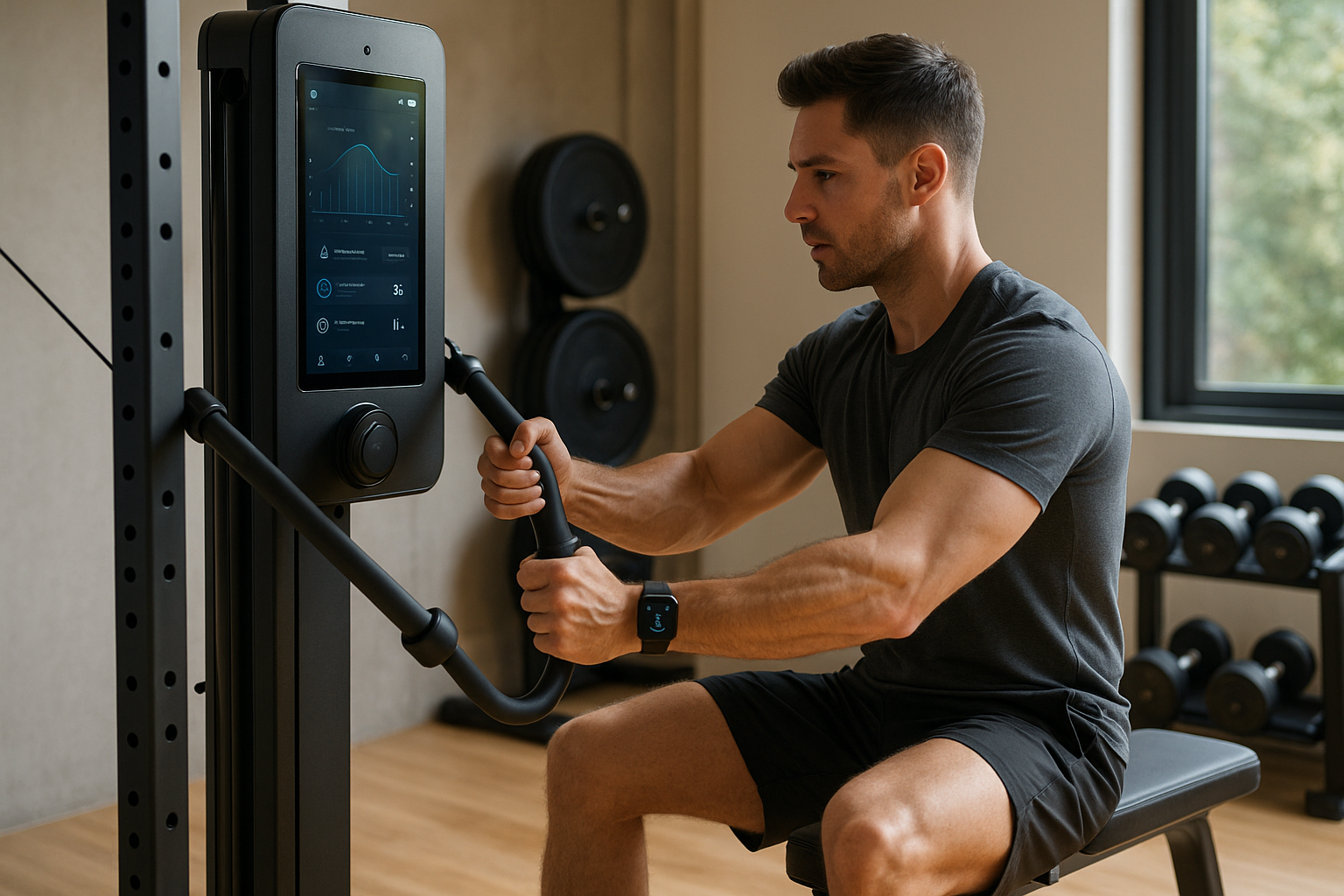
Exercise has a reputation for being hard, time-consuming, and mainly about changing how you look. In reality, it’s one of the most practical tools you can use to improve how you feel and function in everyday life. The benefits of exercise start surprisingly small: a brisk walk, a few flights of stairs, or 10 minutes of movement between meetings can shift your energy, focus, and mood in ways that are hard to get from coffee or willpower alone.
That’s also why physical activity is consistently highlighted by major health organisations such as the CDC and WHO. Their message is refreshingly straightforward: moving more and sitting less matters, and you don’t need to be an athlete to see real health gains. In a world where many of us spend hours at a desk, in a car, or on the sofa, exercise becomes less of a “fitness goal” and more of a counterbalance to a sedentary routine.
Most people already know the obvious upsides: better fitness, weight control, and stronger muscles. But the benefits of exercise go far beyond that. Regular movement influences your heart and blood vessels, how your body handles blood sugar, how well you sleep, and even how resilient you feel under stress. Some effects can happen quickly, too. Many people notice a clearer head or a calmer mood right after a workout, while other changes build steadily over weeks and months.
Why the benefits of exercise are bigger than you think
Exercise is not one single thing. It can be gentle or intense, structured or informal, social or solo. That flexibility is exactly what makes it powerful. A short walk supports circulation and joint mobility. Strength training can make daily tasks feel easier, from carrying groceries to climbing stairs. And consistent activity often helps people feel more capable in their bodies, which can spill over into better habits in sleep, nutrition, and stress management.
Just as importantly, exercise isn’t an all-or-nothing deal. Small amounts add up, and consistency tends to beat perfection. If your schedule is packed, the “best” workout is often the one you can repeat: a lunchtime walk, a short home routine, or a bike ride instead of another hour of sitting.
What this guide will cover
Next, we’ll explore the most evidence-backed benefits of exercise across physical health, mental well-being, and long-term quality of life. We’ll also look at why the right mix of movement matters, and how to make exercise feel realistic when your day is built around screens, meetings, and long stretches of sitting.
Physical health benefits that add up over time
One of the most well-documented benefits of exercise is how it protects your cardiovascular system. When you move regularly, your heart becomes more efficient at pumping blood, and your blood vessels respond better to changes in demand. Over time, this can translate into healthier blood pressure, improved circulation, and a lower risk of developing cardiovascular disease. Aerobic activity (like brisk walking, cycling, swimming, or dancing) is especially effective here, but even short bouts spread throughout the day can support heart health when they become a consistent habit.
Exercise also influences your blood fats in a helpful direction. Regular activity is associated with higher “good” HDL cholesterol and lower triglycerides, which matters because these markers are tied to long-term heart risk. What’s encouraging is that you don’t need to train like an endurance athlete to see changes. The biggest gains often come from moving from “mostly sedentary” to “somewhat active,” then building from there.
Metabolic health is another major area where exercise pays off. Muscles use glucose for fuel, and when you train them—through walking, intervals, strength training, or sports—they become better at taking up glucose from the bloodstream. That improved insulin sensitivity is one reason regular physical activity is linked to a lower risk of type 2 diabetes. It’s also why movement is often recommended as part of blood sugar management: it helps your body handle carbohydrates more effectively, both in the moment and over the long term.
There’s also a practical, everyday angle to this: exercise increases total energy expenditure. That doesn’t just matter for weight management; it supports healthier metabolic signaling overall. Even modest weekly increases in activity can have measurable effects on diabetes risk, which is a strong reminder that “a little more” can be meaningful.
Another often-overlooked benefit of exercise is its role in cancer prevention. A growing body of evidence links regular physical activity to a reduced risk of several cancers, with particularly strong associations for colon and breast cancer. The mechanisms are multi-layered: exercise can reduce chronic inflammation, improve immune surveillance, and help regulate hormones and insulin—factors that may influence cancer development. While no lifestyle habit can guarantee prevention, movement is one of the most consistent protective behaviors seen across large population studies.
Mental health and cognitive benefits you can feel
The benefits of exercise aren’t limited to what shows up on a lab test. Many people notice mood changes quickly, sometimes after a single session. Physical activity supports the release and regulation of brain chemicals involved in well-being, including endorphins and serotonin, which can help reduce stress and ease symptoms of anxiety and depression. It’s not a replacement for professional care when you need it, but it can be a powerful, accessible tool that complements other supports.
Exercise also helps your brain work better. Regular activity is associated with improved attention, learning, and memory, and it’s linked to a lower risk of cognitive decline with age. Researchers have explored several pathways behind this, including increased blood flow to the brain and exercise-driven changes in growth factors that support brain cell health. In everyday terms, this can show up as clearer thinking, better focus during the workday, and a greater sense of mental stamina.
Longevity and quality of life: why consistency matters
When people talk about living longer, they often imagine extreme routines. But longevity data consistently points to something simpler: regular movement, done week after week, is associated with lower all-cause mortality. Higher volumes of exercise tend to correlate with greater risk reduction, but the key is sustainability. A routine you can repeat—walking most days, strength training a couple of times per week, or mixing cardio with active hobbies—often beats an intense plan that burns out after two weeks.
Quality of life matters just as much as lifespan, and this is where strength and weight-bearing exercise become essential. Resistance training supports muscle mass and strength, which helps with balance, joint stability, and daily function. Weight-bearing activity supports bone density, lowering the risk of osteoporosis-related fractures later in life. These changes can be subtle at first, but they compound: stronger legs make stairs easier, better balance reduces falls, and a more resilient body makes it easier to stay active as you age.
Put together, the benefits of exercise create a powerful feedback loop: better physical capacity makes movement feel easier, which makes it more likely you’ll keep moving. And that consistency is where the biggest health returns tend to live.
Emerging benefits of exercise that deserve more attention
Beyond the well-known effects on heart health, metabolism, and mood, researchers are increasingly interested in how physical activity supports systems that influence day-to-day resilience. Two areas stand out: immune function and gut health. These are not “bonus” perks—they can shape how you feel through cold and flu season, how well you recover from stress, and how steady your energy feels across the week.
Exercise, immunity, and recovery
One of the more surprising benefits of exercise is how it can support immune function when the dose is right. Light to moderate aerobic activity appears to help your body circulate immune cells more effectively, which may improve immune surveillance. In practical terms, this is one reason consistent movement is often associated with fewer sick days and better recovery patterns compared with a fully sedentary routine.
The key detail is balance. Very intense training without enough recovery can temporarily increase fatigue and strain, especially if sleep and nutrition are poor. For most people, the immune “sweet spot” looks like regular, moderate movement—brisk walking, cycling at a conversational pace, easy swimming, or short cardio sessions that leave you energised rather than depleted. If you’re returning after illness, starting with gentle activity and gradually building volume is typically more sustainable than jumping back into high intensity.
Gut health: a less obvious benefit of exercise
The gut microbiome—your community of intestinal bacteria—plays a role in digestion, inflammation, and immune regulation. A growing body of evidence suggests that regular physical activity is associated with a healthier, more diverse microbiome. This matters because microbial diversity is often linked to better metabolic and inflammatory profiles.
Exercise may also support the production of beneficial compounds in the gut, including short-chain fatty acids such as butyrate. These compounds are associated with anti-inflammatory effects and may be part of why physical activity is linked to lower colon cancer risk. While nutrition remains a major driver of gut health, movement appears to be an important supporting factor—especially when combined with fibre-rich foods, adequate hydration, and consistent sleep.
Practical ways to build exercise into a busy day
The benefits of exercise are easier to access when movement is treated as a routine, not a special event. If your schedule is tight, focus on “minimum effective” habits you can repeat:
- Use short bouts: Try 5–10 minute walks after meals, a quick mobility routine between meetings, or a short cycle ride to run errands.
- Make movement the default: Take stairs when possible, park further away, or walk during phone calls.
- Anchor exercise to an existing habit: For example, a walk after your first coffee, or a strength session right after work before you sit down.
- Mix cardio and strength across the week: Cardio supports heart and metabolic health, while resistance training supports muscle, bone, and joint stability.
Ergonomics and movement: reducing the cost of sitting
If you have a desk-based routine, it helps to think in two layers: planned exercise and reduced sedentary time. Ergonomic choices can make it easier to change positions, move more often, and avoid the “locked in” feeling that builds after hours of sitting.

Men's Posture Shirt™ - Black
Medical-grade shirt that activates/supports muscles, relieves pain, and improves posture for work, training, or leisure.
Consider setting up your workspace to encourage regular posture changes—alternating between sitting and standing, keeping frequently used items slightly out of reach so you have to get up, and using reminders for brief movement breaks. Supportive ergonomic equipment, such as a well-fitted chair or a sit-stand desk, can also reduce discomfort that might otherwise become a barrier to staying active before or after work.

Women's Posture Shirt™ - Black
Medical-grade shirt that activates/supports muscles, relieves pain, and improves posture during daily activity.
Frequently Asked Questions
How much exercise do I need to see benefits?
Many benefits of exercise start with relatively small amounts. A widely used baseline target is 150 minutes per week of moderate-intensity activity, plus muscle-strengthening work on two or more days per week. Higher volumes can provide additional benefits, with research showing meaningful reductions in all-cause mortality at roughly 2–4 times the minimum guideline range, as long as recovery is adequate.
Can I get the same benefits from any type of exercise?
Different types of exercise overlap in benefits, but they are not identical. Aerobic activity is especially effective for cardiovascular fitness, blood pressure, and insulin sensitivity. Resistance training is particularly important for muscle strength, bone density, and maintaining function with age. A balanced routine that includes both tends to cover the widest range of health outcomes.
What if I have a sedentary job?
Start by breaking up long sitting periods. Stand up regularly, take short walks, and add brief mobility or stretching breaks during the day. Ergonomic adjustments—such as a supportive chair, proper screen height, and the option to alternate between sitting and standing—can make movement feel easier and reduce discomfort that keeps you stuck in one position.
Is it ever too late to start exercising?
No. People can see improvements in strength, balance, and overall function at almost any age. Starting later may require a slower build-up and more attention to recovery, but the benefits of exercise for bone health, mobility, and cognitive function remain relevant throughout life.
How quickly can I expect to see results?
Some changes can be immediate, such as improved mood, reduced stress, and better sleep on the same day as activity. Measurable physical changes—like improved fitness, strength, blood pressure, or blood sugar control—typically build over weeks to months, especially when exercise is consistent.
Källor
- Centers for Disease Control and Prevention. "Benefits of Physical Activity."
- Warburton, D. E., Nicol, C. W., & Bredin, S. S. (2006). "Health benefits of physical activity: the evidence." CMAJ.
- Harvard Health Publishing. "Exercise and Fitness."
- Booth, F. W., Roberts, C. K., & Laye, M. J. (2012). "Lack of exercise is a major cause of chronic diseases." Comprehensive Physiology.
- World Health Organization. "Physical Activity."
- Yale Medicine. "Yale Experts: Benefits of Exercise."
- Pedersen, B. K., & Saltin, B. (2015). "Exercise as medicine – evidence for prescribing exercise as therapy in 26 different chronic diseases." Scandinavian Journal of Medicine & Science in Sports.
- Mayo Clinic Staff. "Exercise: 7 benefits of regular physical activity."
- American Medical Association. "Massive study uncovers how much exercise is needed to live longer."
- Thompson, P. D., et al. (1996). "Exercise and physical activity in the prevention and treatment of atherosclerotic cardiovascular disease." Circulation.
- National Health Service. "Benefits of exercise."