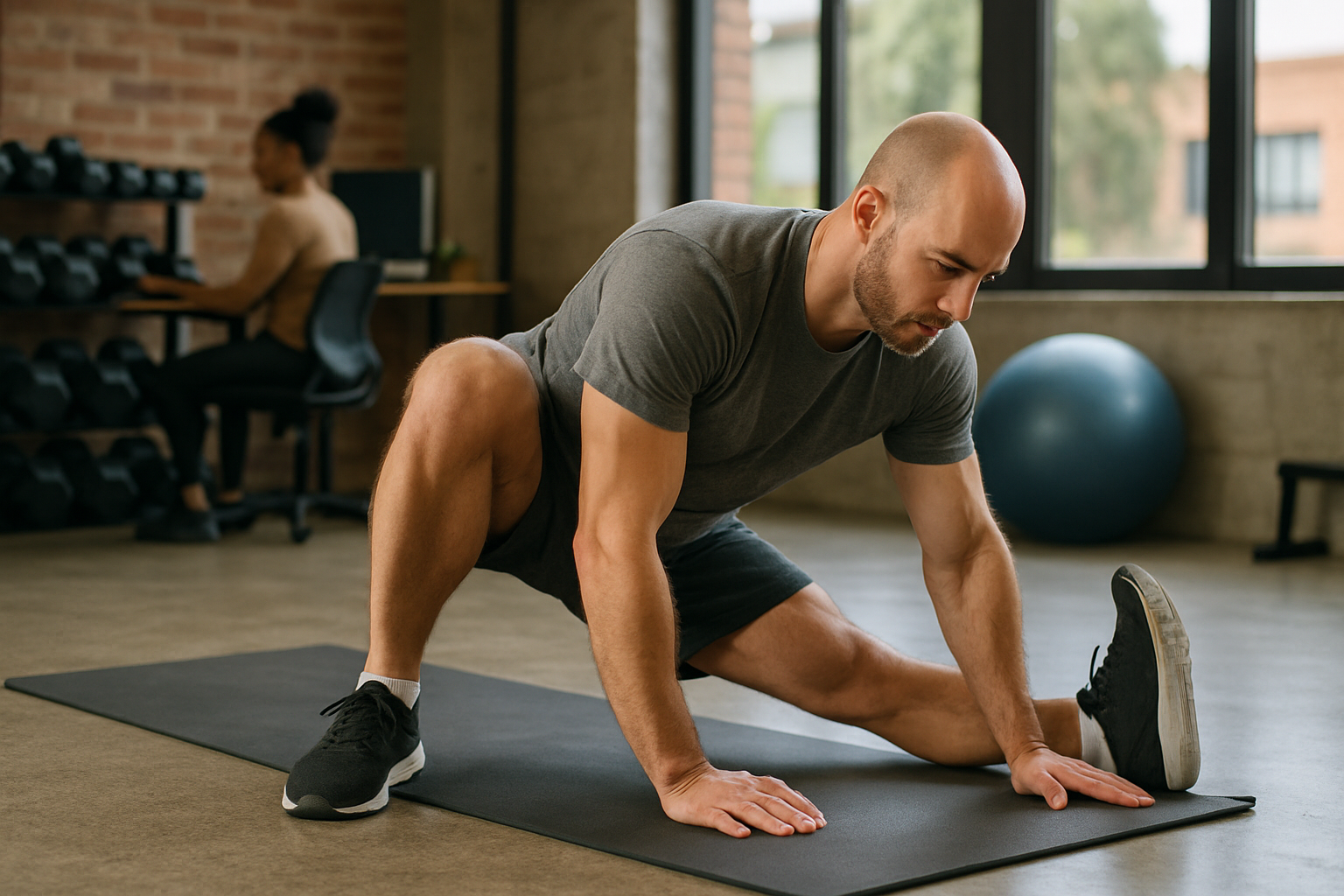
Mobility is one of those health buzzwords you’ve probably heard in gyms, physiotherapy clinics, and even office wellness talks. But it’s not reserved for athletes or people recovering from injury. It shows up in the moments that make up an ordinary day: reaching for a mug on the top shelf, stepping off a curb without thinking, turning to look over your shoulder while reversing the car, or getting up from a chair without using your hands.
When people search for what is mobility, they’re usually asking a practical question: why does my body feel stiff, and what does it mean to move well? In a physical sense, mobility is your ability to move your joints, muscles, and your whole body freely and comfortably through a full range of motion. It’s not just about being able to “do the movement” once; it’s about doing it with control, without compensation, and in a way that supports your daily life.
The word mobility can also describe other things, like moving between social classes or having wireless access on the go. Those definitions matter, but here we’ll focus on physical and functional mobility: the kind that helps you move through the world with confidence.
Why mobility matters in everyday life
Good mobility makes everyday tasks feel easier and safer. Walking the dog, climbing stairs, carrying groceries, lifting a child, or simply rolling over in bed all rely on your body’s ability to coordinate movement across multiple joints. When mobility is limited, the body often finds a workaround, such as twisting through the lower back because the hips are stiff, or rounding the shoulders because the upper back won’t rotate. Over time, these compensations can increase strain and raise the risk of aches and overuse injuries.
Mobility is also closely tied to independence. As we age, it’s common to lose some range of motion, balance, and strength if we don’t use them regularly. That can make daily activities more demanding and, in some cases, increase the risk of falls. Keeping mobility in focus is a straightforward way to support long-term function, whether your goal is to stay active, keep up with family life, or simply feel better in your body.
Mobility is more than stretching
It’s tempting to think mobility is just flexibility, but it’s broader than that. Mobility includes how your joints move, how your muscles support that movement, and how well you can control it. In the next section, we’ll break down what mobility looks like in real life, how it differs from flexibility, and what actually helps you improve it.
Physical mobility and daily function
In a health and movement context, mobility is often described as your ability to move purposefully during everyday activities. That “purposeful” part matters: it’s not only whether a joint can move, but whether your whole body can coordinate movement in a way that helps you function. Getting up from the floor, stepping into a bathtub, carrying a laundry basket, or walking up a flight of stairs all require multiple systems working together.
That’s why physical or functional mobility is usually discussed alongside a few key ingredients:
- Joint range of motion to allow the movement to happen without forcing it.
- Strength to create and control motion (for example, standing up without “throwing” your body forward).
- Balance and coordination to stay stable while you move, especially when changing direction or stepping over obstacles.
- Stamina to repeat daily tasks without your form falling apart as you get tired.
When one of these pieces is missing, everyday movement can become less efficient. You might start using momentum instead of control, take smaller steps, avoid stairs, or rely on furniture for support. Over time, these small adjustments can limit activity levels and make it harder to maintain independence, particularly as natural age-related changes in strength and balance add up.

Men's Posture Shirt™ - Black
Patented shirt activating muscles, improves posture and relieves back/neck pain, ideal for everyday and sports.
Joint mobility vs. flexibility: what’s the difference?
Mobility and flexibility are related, but they’re not the same thing. Flexibility is mainly about muscle length and how far a muscle can stretch. You can be flexible in a passive position (for example, pulling your leg toward you) without being able to actively control that range during movement.
Joint-specific mobility is the ability to move a joint actively and comfortably through its usable range of motion. It includes flexibility, but also adds the ability to control the movement with strength and stability. Think of the difference between being able to sit in a deep squat while holding onto something (flexibility helps) versus being able to squat down and stand back up smoothly with your heels grounded and your knees tracking well (mobility requires control).
Good joint mobility also depends on how surrounding tissues behave. Muscles, tendons, ligaments, and the joint capsule all influence how freely a joint moves. If the body senses instability, it may “tighten up” as a protective strategy, which can feel like stiffness even when stretching doesn’t help much. That’s one reason mobility work often includes controlled movement, not just longer stretches.
What good mobility actually looks like
Mobility is easiest to understand when you picture it in specific joints and patterns you use every day:
- Ankles: enough bend to let you walk with a smooth stride, go downstairs confidently, and squat without your heels lifting.
- Hips: the ability to step, rotate, and hinge (like picking something up) without the lower back doing all the work.
- Thoracic spine (upper back): rotation and extension that support posture, reaching overhead, and looking over your shoulder.
- Shoulders: controlled overhead and behind-the-back movement for dressing, lifting, and carrying.
In practice, “good mobility” usually feels like movement that is smooth, symmetrical enough for your needs, and free from pinching or sharp discomfort. It’s also context-dependent: a gardener, a runner, and a desk worker may need different mobility priorities, even if they share the same joints.
Mobility training: how to improve range with control
Mobility training is a mix of exercises designed to improve range of motion and your ability to use that range. It typically combines dynamic movement, strength, and stability work, because lasting mobility changes usually come from teaching the body that a position is both available and safe.
Common approaches include:
- Dynamic stretches that move in and out of range (for example, hip openers or controlled arm circles) rather than holding a long static stretch.
- Controlled end-range work such as slow, deliberate lifts and rotations that build strength near the edges of your range of motion.
- Stabilisation exercises for the core, hips, and shoulders to improve joint control and reduce compensations.
- Movement pattern practice like squats, hinges, lunges, and step-ups done with good form to reinforce usable mobility.
Over time, consistent mobility training can support better posture, reduce everyday aches linked to stiffness and compensation, and improve performance in activities you care about. Just as importantly, it can make daily tasks feel more comfortable and predictable, which is a big part of moving with confidence.
What is mobility beyond fitness and health?
Although most people asking what is mobility are looking for a physical explanation, the word is used in a few other important ways. In everyday language, mobility can simply mean the ability to move or be moved. In society and economics, it can refer to social mobility, such as moving between income levels, education levels, or job roles over time. In technology, mobility often describes being able to work, communicate, or access services while on the move, such as through wireless networks and mobile devices.
These meanings share a common theme: freedom of movement and access. But in the context of the body, mobility is more immediate and practical. It determines how comfortably you can sit, stand, walk, reach, lift, and change direction. That’s why the physical definition matters so much: it directly affects your daily function, your confidence in movement, and how much you can participate in the activities you value.
How to support mobility in real life
Mobility is not only built in workouts. It is also shaped by what you do repeatedly during the day. Long periods of sitting, limited variation in movement, and poor positioning can all contribute to stiffness and reduced control over time. On the other hand, small, consistent habits can help maintain range of motion and make movement feel easier.
- Move more often, not just more intensely: short movement breaks (standing up, walking, gentle joint circles) can be a simple way to reduce the “stuck” feeling that builds up with prolonged sitting.
- Use your full, comfortable range: when you can, practise reaching overhead, rotating through the upper back, and bending the ankles and hips through controlled ranges. The goal is smooth motion, not forcing deeper positions.
- Pair mobility with strength: if a position feels unstable, the body often responds with tension. Building strength around the hips, core, and shoulders can make new ranges feel safer and more usable.
- Make your environment support you: ergonomics can influence how your body feels at the end of the day. A supportive setup can reduce unnecessary strain, making it easier to maintain better posture and move with less compensation.
If you notice persistent pain, sharp pinching, numbness, or symptoms that worsen with activity, it is a good idea to seek guidance from a qualified health professional. Mobility work should feel controlled and challenging, but not alarming.

Women's Posture Shirt™ - Black
Shirt with patented technology supports posture, relieves tension and pain, for daily or active use.
Bringing it all together
Mobility is best understood as the ability to move freely and well. It combines range of motion with strength, stability, balance, and coordination so you can handle everyday tasks with less effort and more confidence. While the word mobility can also describe social and technological movement, physical mobility is the foundation that supports independence, reduces the need for compensation, and helps you stay active across the lifespan.
Even a few minutes of consistent mobility-focused movement, combined with strength and supportive daily habits, can make a noticeable difference over time. The goal is not perfect flexibility or extreme ranges. It is reliable, comfortable movement that helps you live your life.
Frequently Asked Questions
What is the difference between mobility and flexibility?
Flexibility describes how far a muscle can lengthen, often in a passive stretch. Mobility refers to the active range of motion you can control at a joint, which depends on strength, stability, and coordination in addition to tissue length.
How can I improve my mobility?
Improve mobility by practising regular mobility exercises (dynamic movement, controlled end-range work, and stabilisation), building strength through full ranges you can control, and reducing long periods of stillness with short movement breaks. Supportive ergonomics and daily positioning can also help by reducing strain that contributes to stiffness.
Why is mobility important as we age?
Mobility supports independence by making daily tasks like walking, using stairs, getting up from chairs, and maintaining balance easier and safer. As strength, balance, and joint range can decline with age if not trained, maintaining mobility can help reduce fall risk and support quality of life.
Can mobility exercises help with pain relief?
They can. Improving mobility may reduce pain by enhancing joint function and decreasing compensations that overload muscles and tendons. However, pain has many causes, so persistent or worsening symptoms should be assessed by a qualified professional.
Källor
- Harvard Health Publishing. "Mobility".
- Dictionary.com. "Mobility Definition".
- Hinge Health. "Mobility".
- Baloise Group. "What Do We Mean by Mobility?".
- Merriam-Webster. "Mobility".
- Healthline. "What Is Considered a Mobility Disability?".
- Peak Performance Chiropractic. "The Importance of Mobility and How to Improve It".
- Wikipedia. "Mobilities".
- Doc Jen Fit. "What is Mobility?".
- Vocabulary.com. "Mobility".
- Cambridge Dictionary. "Mobility".
- One Peloton. "Mobility vs Flexibility".
- EW Motion Therapy. "The Science Behind Mobility".