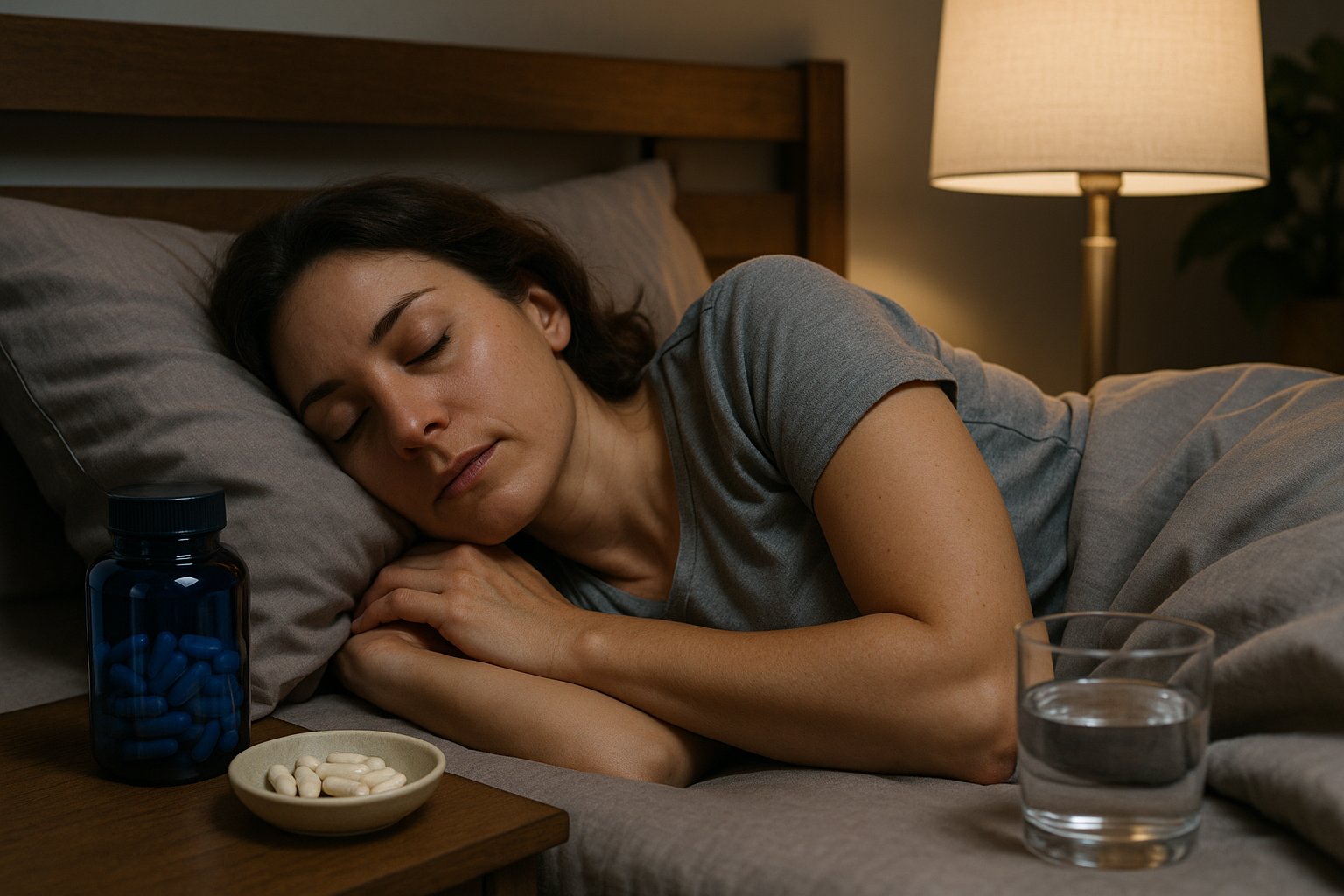
Sleep is often the first thing we “borrow” from when life gets busy—an extra episode, a late-night email, an early workout. But the truth is that sleep isn’t passive downtime. It’s an active, essential process that helps your body and brain reset for the next day. If you’ve ever felt foggy, irritable, or unusually hungry after a short night, you’ve already experienced a small glimpse of why is sleep important to your everyday functioning.
What makes sleep so powerful is how many systems it influences at once. During a good night’s rest, your brain sorts and stores memories, your mood becomes easier to regulate, and your body shifts into repair mode. Sleep also supports immune function, metabolic health, and cardiovascular health—areas that can quietly suffer when nights are consistently cut short. That’s why many health authorities consistently point to the same baseline: most adults do best with around 7–9 hours of sleep per night for optimal health and well-being.
And it’s not just about avoiding the obvious “tired” feeling. Sleep affects how you think, how you move, how you handle stress, and how resilient you feel. It can shape your focus at work, your patience at home, and even your motivation to make healthy choices. In other words, sleep doesn’t simply influence your day—it helps determine the quality of it.
Why sleep deserves a higher priority
Many people treat sleep like a reward you earn after everything else is done. In reality, it’s more like the foundation that makes everything else easier to do well. When sleep is consistently short or disrupted, it can become harder to concentrate, harder to manage emotions, and harder to recover from physical strain. Over time, that can affect both performance and overall health.
It’s also worth noting that sleep quality can be affected by everyday comfort—especially if you wake up with stiffness or pain. Poor support for your neck, shoulders, or lower back can lead to more tossing and turning, which may reduce how restorative your sleep feels. Small ergonomic adjustments, both in the bedroom and during the day, can sometimes make it easier to unwind at night.

Lumbar support belt
Støtter og stabiliserer lænden for at lindre og forebygge rygsmerter.
What you’ll learn in this guide
In the rest of this article, we’ll break down the science-backed reasons sleep matters, from brain function and memory to physical health and disease prevention. We’ll also look at the real-life benefits people report when they sleep well—like better productivity, mood, and social energy—so you can connect the research to your own daily life.
Sleep and brain health: memory, mood, and mental clarity
One of the clearest answers to why is sleep important starts in the brain. While you’re asleep, your brain isn’t “off”—it’s busy organising information, strengthening learning, and fine-tuning emotional responses. Different sleep stages contribute in different ways, but overall, sleep helps consolidate memories so new skills and knowledge become easier to recall and use the next day. That’s why a good night’s sleep often makes studying, problem-solving, and decision-making feel smoother.
Sleep also supports emotional regulation. When sleep is short or fragmented, the brain can become more reactive to stress and less able to keep emotions balanced. In everyday life, that can look like irritability, lower patience, or feeling overwhelmed by tasks that would normally be manageable. Over time, consistently poor sleep can make it harder to cope with pressure at work, maintain stable relationships, and stay motivated with healthy routines.
Another key brain benefit happens through the glymphatic system—your brain’s “clean-up” network. During sleep, this system becomes more active and helps clear waste products that build up during waking hours. This matters because the accumulation of certain proteins is associated with neurodegenerative conditions. While sleep isn’t a guarantee against disease, regularly getting enough high-quality sleep is considered supportive of long-term brain health.
Physical health and disease prevention: what sleep protects
Sleep is also deeply tied to physical health. When you sleep well, your body can better regulate hormones involved in appetite and metabolism. When you don’t, hunger cues can shift in a way that makes high-calorie foods feel more tempting, while fullness signals may weaken. This is one reason short sleep is linked with weight gain over time, especially when combined with stress and a busy schedule.
Your immune system relies on sleep, too. During restful sleep, your body supports immune signalling and recovery processes that help you respond to everyday exposures. If sleep is consistently cut short, you may be more vulnerable to getting sick and may feel like it takes longer to bounce back.
Long-term, short sleep has been associated with increased risk of chronic conditions such as hypertension, obesity, and type 2 diabetes. These links are thought to involve multiple pathways, including inflammation, stress hormones, and impaired glucose regulation. In other words, sleep doesn’t just affect how you feel tomorrow—it can influence the health trajectory of your heart, metabolism, and overall resilience over years.
What people gain from healthy sleep: happiness, productivity, and connection
Beyond health protection, good sleep is strongly tied to how well life functions day to day. In research highlighted by the National Sleep Foundation, people who reported healthy sleep also reported meaningful improvements in how they felt and performed. In that data, 87% reported increased happiness, 90% reported improved work productivity, and 80% reported better social interactions.
These outcomes make sense when you consider what sleep supports behind the scenes: clearer thinking, steadier mood, better impulse control, and more energy to engage with others. When sleep is consistently adequate, it’s easier to show up as the version of yourself that’s patient, focused, and socially present—whether that’s in meetings, at home, or with friends.
Sleep, nutrition, and exercise: the health pillars that reinforce each other
Sleep doesn’t operate in isolation. It’s closely connected to nutrition and exercise, and each pillar can either strengthen or undermine the others. Poor sleep can increase cravings for quick energy—often refined carbohydrates and sugary snacks—while also reducing the motivation to cook balanced meals. At the same time, fatigue can make workouts feel harder, which can lead to skipping movement that would otherwise support better sleep quality.
On the flip side, regular physical activity can help build sleep pressure (the natural drive to sleep), and balanced meals can support steadier energy and fewer late-night hunger spikes. Even comfort and body support play a role: if you’re dealing with neck, shoulder, or lower-back discomfort, you may wake more often and spend less time in deeper, restorative stages. Improving ergonomics—such as better daytime posture, supportive seating, or a sleep setup that reduces strain—can remove barriers that quietly disrupt rest.

Men's Posture Shirt™ - White
Patenteret t-shirt design reducerer smerte og spændinger i nakke, skuldre og ryg.
When these pillars align, sleep becomes easier to protect, and the benefits compound: more stable energy, better recovery, and a stronger foundation for long-term health.
Why is sleep important for stress, mood, and daily performance?
Beyond memory and physical recovery, one of the most practical answers to why is sleep important is how strongly it shapes your stress response. When you’re well rested, everyday challenges tend to feel more manageable. When sleep is short or fragmented, the brain and body can shift into a more reactive state—making it easier to feel tense, impatient, or overwhelmed. Over time, this can create a cycle where stress makes sleep harder, and poor sleep makes stress feel worse.
Sleep also supports mood stability. While everyone has off days, consistent sleep loss can make emotional ups and downs more intense and harder to regulate. This matters in real life: mood affects communication, relationships, and how you interpret events at work or at home. If you notice that small problems feel unusually big after a poor night, it is often not a character flaw—it is a predictable effect of an under-rested nervous system.
Cognitive performance is another major benefit. Adequate sleep supports attention, reaction time, and decision-making. That can show up as fewer mistakes, better focus in meetings, and an easier time switching between tasks. Sleep also supports creativity and problem-solving, which is why a solution sometimes feels obvious the morning after a good night’s rest.
Good sleep benefits society too
Sleep is often framed as a personal wellness habit, but it has broader effects. When more people are well rested, there are fewer preventable errors and accidents—especially in situations where attention and reaction time matter, such as driving or safety-sensitive work. Better sleep can also reduce the burden of long-term health problems that are associated with chronic sleep loss, which may translate into fewer sick days and lower healthcare strain over time.
There is also a productivity and quality-of-life angle: when sleep improves, people tend to have more energy to participate in family life, social activities, and exercise. Those “downstream” benefits can strengthen communities and workplaces, because well-rested people generally communicate better, recover faster, and cope more effectively with pressure.
Small comfort changes that can support better sleep
Sleep hygiene basics matter—consistent bedtime, a darker room, and less late-night caffeine—but comfort is often the missing piece. If you wake up with neck tension, shoulder tightness, or lower-back stiffness, your sleep may be interrupted more than you realise. Consider whether your pillow keeps your neck in a neutral position, whether your mattress provides even support, and whether your usual sleep posture creates strain.
Daytime ergonomics can also influence nighttime rest. Long hours at a desk with poor posture can leave muscles and joints irritated, making it harder to fully relax in the evening. Supportive seating, better screen height, and regular movement breaks can reduce the kind of nagging discomfort that leads to tossing and turning later.
Frequently Asked Questions
What are the risks of sleep deprivation?
Sleep deprivation affects both short-term function and long-term health. In the short term, it can reduce attention, slow reaction time, impair judgement, and increase irritability. Over time, consistently getting too little sleep has been associated with higher risk of chronic health issues, including cardiovascular and metabolic problems, as well as weakened immune function. It can also make it harder to maintain a healthy weight by disrupting appetite regulation and increasing cravings for high-calorie foods.
How does sleep affect mental health?
Sleep and mental health influence each other. Poor sleep can increase stress sensitivity and make emotions harder to regulate, which may worsen feelings of anxiety or low mood. At the same time, high stress and persistent worry can make it harder to fall asleep or stay asleep. Improving sleep quality often supports steadier mood, better coping capacity, and clearer thinking during the day.
What can I do to improve my sleep quality?
Start with consistent timing: aim to wake up and go to bed at similar times most days. Keep the bedroom cool, dark, and quiet, and reduce bright light exposure in the hour before bed. Limit caffeine later in the day and avoid heavy meals close to bedtime. If discomfort wakes you up, review your sleep setup—pillow height, mattress support, and sleep posture—and consider whether daytime ergonomics (such as prolonged sitting) may be contributing to tension that carries into the night.
Is it possible to catch up on sleep during weekends?
Extra sleep on weekends can help reduce some immediate sleepiness, but it does not fully erase the effects of ongoing sleep debt. Large swings in sleep timing can also disrupt your body clock, making it harder to fall asleep on Sunday night and start the week rested. For most people, the most effective approach is consistency: aim for regular sleep duration and timing across the week, with only small adjustments when needed.
Källor
- University of Utah Health. (2023). "Why at least seven hours of sleep is essential."
- UC Davis Health. (2023). "Better Sleep: Why It's Important for Your Health and Tips to Sleep Soundly."
- Harvard Medical School. "Sleep and Health Education Program."
- Johns Hopkins Medicine. "The Science of Sleep: Understanding What Happens When You Sleep."
- National Center for Biotechnology Information. "The Impact of Sleep on Health."
- Centers for Disease Control and Prevention. "About Sleep."
- American Thoracic Society. "Sleep and Health."
- National Heart, Lung, and Blood Institute. "Why Is Sleep Important?"
- American Brain Foundation. "Why Sleep Matters for Brain Health."