Recovery after training is often an overlooked yet essential component of any fitness regimen. While many focus on the workout itself, understanding and implementing effective recovery strategies can significantly enhance performance, facilitate adaptation, and prevent injuries. Recovery is not merely a period of rest; it encompasses various elements that work together to restore the body to its optimal state.
Understanding the importance of recovery
Recovery is a multifaceted process that includes sleep, nutrition, hydration, and active recovery. Each of these components plays a crucial role in helping the body repair tissues, replenish energy stores, and reduce muscle fatigue. Sleep, for instance, is vital for tissue repair and hormonal balance, while proper nutrition and hydration replenish glycogen stores and support muscle synthesis. Active recovery, involving light exercises like walking or yoga, aids in maintaining circulation and reducing stiffness without overloading the body.
There is a common misconception that effective recovery requires expensive tools and gadgets. However, many simple and low-cost strategies can be just as effective, if not more so. By focusing on the fundamentals of recovery, individuals can achieve better results without breaking the bank.
Why focus on recovery?
Proper recovery is essential for maximizing training outcomes. It not only enhances performance but also reduces the risk of injuries and improves overall well-being. This is true for a diverse audience, ranging from recreational athletes to competitive sports enthusiasts. Regardless of one's level of activity, effective recovery practices can lead to sustained improvements and a healthier lifestyle.
By integrating these recovery strategies into your routine, you can unlock the potential for faster recovery and more effective training. Whether you're a weekend warrior or a seasoned athlete, prioritizing recovery is key to achieving your fitness goals and maintaining long-term health.
The pillars of effective recovery
Recovery after training is built on several key pillars, each playing a pivotal role in restoring the body and enhancing performance. These include sleep, nutrition, hydration, and active recovery. Understanding and optimizing these elements can significantly impact how quickly and effectively your body recovers from exercise.
Sleep and rest
Sleep is arguably the most critical component of recovery. During sleep, the body undergoes vital processes such as tissue repair and hormonal regulation, which are essential for muscle recovery and growth. Athletes should aim for 7–10 hours of sleep per night, with additional rest days to allow the body to fully recuperate. This ensures that muscles are given the time they need to repair and grow stronger, reducing the risk of overtraining and injuries.
Post-workout nutrition and hydration
Nutrition and hydration are also crucial for effective recovery. Consuming carbohydrates and proteins within 30–90 minutes post-exercise helps replenish glycogen stores and supports muscle protein synthesis. The recommended intake is approximately 0.3 g/kg of protein and 1.0–1.2 g/kg of carbohydrates. Additionally, replacing fluids lost during exercise is essential. A good rule of thumb is to drink 16–24 ounces of fluid for every pound of sweat lost, ideally including electrolytes to restore balance and prevent dehydration.
Active recovery
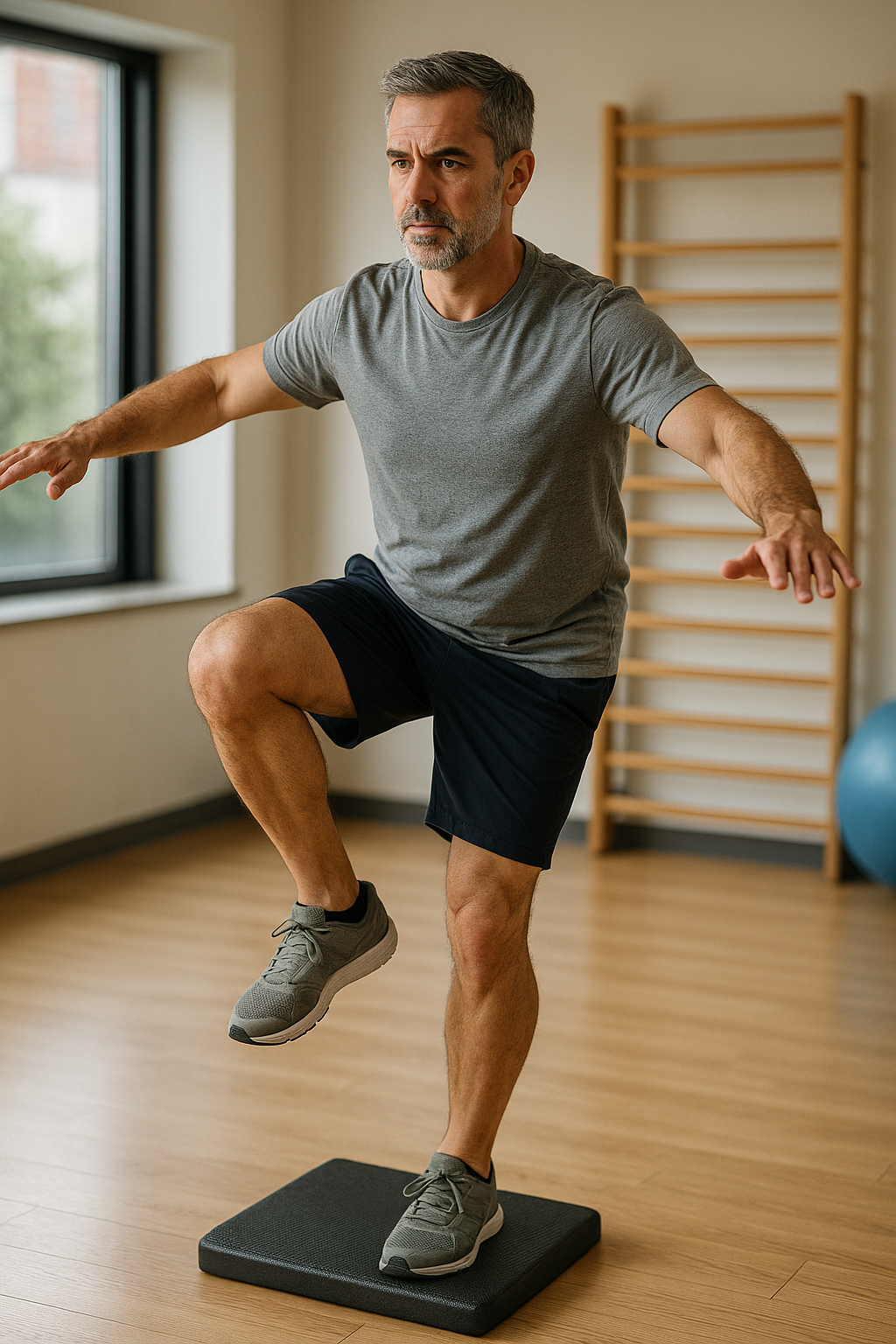
Active recovery involves engaging in low-intensity activities that promote circulation and help reduce muscle stiffness. Unlike complete rest, active recovery can enhance blood flow to muscles, aiding in the removal of metabolic waste products and reducing soreness. Examples of effective active recovery activities include light walking, cycling, swimming, or yoga, typically performed at 30–65% of maximum effort. These activities can be integrated into rest days to maintain flexibility and mobility without placing additional strain on the body.
Simple strategies vs. trendy tools
In recent years, the market has become flooded with high-tech recovery gadgets promising quick fixes. However, many of these tools are not necessary for effective recovery. Simple strategies such as stretching, foam rolling, and self-massage can be just as beneficial and are accessible to everyone. These techniques help to relieve muscle tension and improve flexibility, which are critical components of a successful recovery routine.
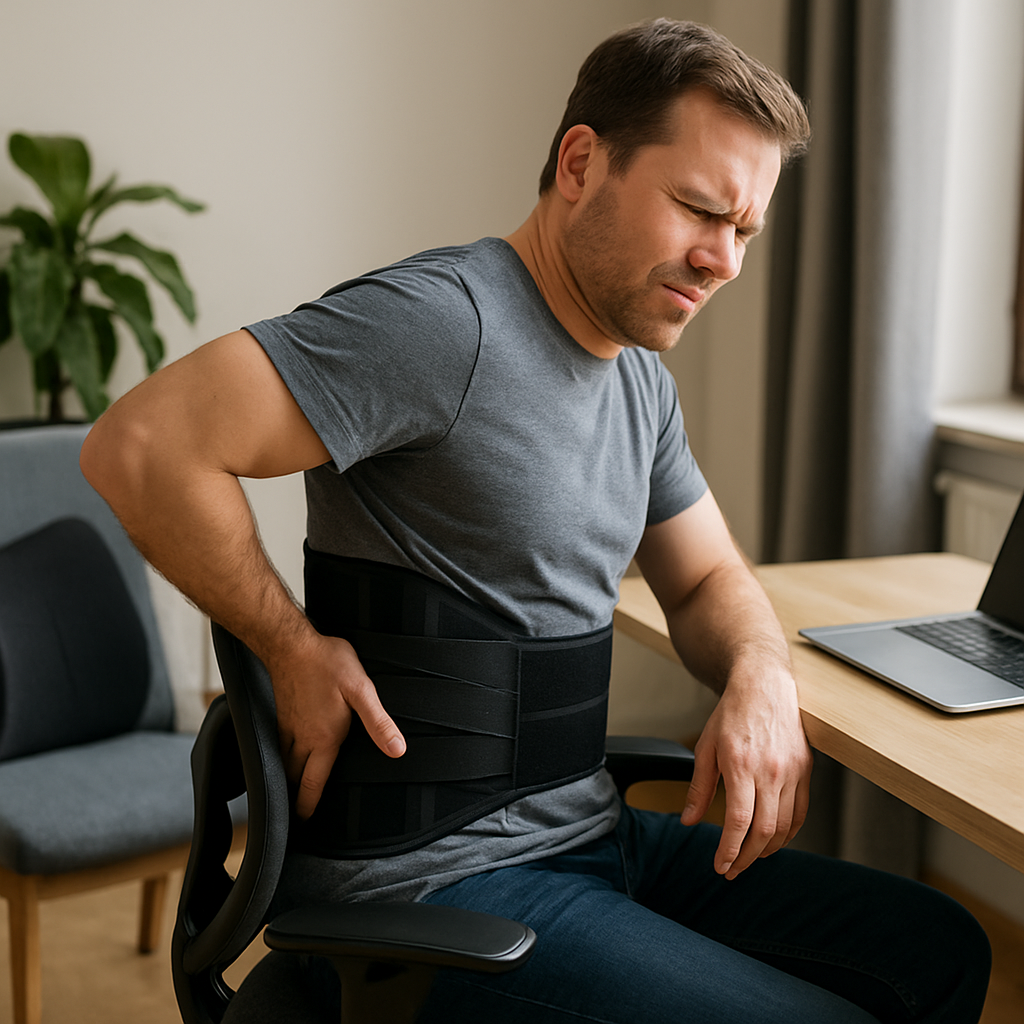
While trendy tools can offer additional benefits, they should be viewed as complementary rather than essential. Incorporating ergonomic aids like posture shirts or lumbar supports can enhance comfort and adherence to recovery routines, making it easier to maintain proper posture and reduce muscle tension throughout the day.

Men's Posture Shirt™ - Black
Patented shirt that promotes posture and can relieve pain/tensions, for work, exercise and leisure.

Women's Posture Shirt™ - Black
Patented Posture Shirt™ that activates muscles and can relieve pain or tension during activity or rest.
Managing training load and avoiding overtraining
Balancing training intensity and recovery is crucial to prevent overtraining, which can lead to persistent soreness, fatigue, and decreased performance. Monitoring training volume and intensity allows athletes to adjust their routines to ensure adequate recovery. Recognizing signs of overtraining, such as prolonged muscle soreness and reduced motivation, is key to making necessary adjustments.
By incorporating rest days and varying training intensity, athletes can maintain a sustainable training regimen that promotes recovery and prevents burnout. This balanced approach ensures that the body has enough time to recover and adapt, leading to improved performance and reduced injury risk.
In conclusion, focusing on these fundamental pillars of recovery after training can unlock the potential for faster recovery and better performance. By prioritizing sleep, nutrition, hydration, and active recovery, and by managing training loads effectively, athletes can achieve their fitness goals while maintaining long-term health and well-being.
Integrating ergonomics and posture into recovery
Incorporating ergonomic principles into your recovery routine can significantly enhance the effectiveness of traditional methods. Posture plays a crucial role in recovery after training, as maintaining proper alignment can help reduce muscle tension and prevent injuries. Ergonomic aids, such as posture shirts, lumbar supports, and compression garments, can support the body in maintaining proper posture throughout the day.
These tools are designed to help align the spine and reduce the strain on muscles, which can be particularly beneficial for individuals who spend long hours sitting or standing. By integrating ergonomic solutions into your daily routine, you can enhance recovery by preventing additional strain and promoting better alignment and comfort.
Sample recovery routines
Creating a structured recovery routine tailored to your specific training type can optimize recovery and performance. Here are some examples:
After strength training
Begin with a cool-down period involving light stretching and foam rolling to relieve muscle tension. Follow this with a post-workout meal rich in carbohydrates and protein within 30–90 minutes, and ensure adequate hydration. Incorporate active recovery exercises like yoga or a brisk walk the following day to maintain flexibility and reduce soreness.
After endurance sessions
Post-endurance training, focus on replenishing glycogen stores with a carbohydrate-rich snack and hydrate with electrolyte-infused fluids. Engage in light cycling or swimming as active recovery to promote circulation without overloading the muscles. Prioritize sleep to aid in tissue repair and hormonal balance.
For desk workers who train in the evening
Desk workers should pay special attention to posture throughout the day. Use ergonomic chairs or lumbar supports to maintain proper alignment. After evening workouts, practice gentle stretching and use compression garments to reduce muscle fatigue. Ensure a balanced meal and hydration before bed, and aim for 7–9 hours of quality sleep.
Frequently Asked Questions
What is the best way to speed up recovery after a workout?
The most effective ways to speed up recovery include getting adequate sleep, consuming the right nutrition and hydration post-workout, and engaging in active recovery activities. These strategies help the body repair, replenish, and reduce muscle stiffness.
Are expensive recovery tools necessary?
Expensive recovery tools are not necessary for effective recovery. Simple strategies such as proper sleep, nutrition, hydration, and active recovery are often sufficient. Ergonomic aids can complement these practices by enhancing comfort and adherence to recovery routines.
How do I know if I'm overtraining?
Signs of overtraining include persistent soreness, fatigue, decreased performance, and reduced motivation. If you experience these symptoms, consider adjusting your training load, incorporating more rest days, and ensuring sufficient recovery time.
Can posture affect recovery?
Yes, posture can significantly affect recovery. Poor posture can increase muscle tension and strain, impeding recovery. Using ergonomic aids like posture shirts and lumbar supports can help maintain proper alignment, reducing strain and supporting effective recovery.
By integrating these strategies and understanding the role of ergonomics in recovery, you can unlock the secret to faster recovery after training and achieve your fitness goals more effectively.
Kilder
- Safys. (2023). "Evidensen bag restitutionsmetoder."
- Styrkeprogrammet. (2023). "Träningsguide: Återhämtning."
- DDGU. (2023). "Restitution der virker: Hvad forskning siger om at komme sig efter træning og stress."
- Nordic Wellness. (2023). "Restitution."
- Backman, P. (2023). "Återhämtning, Rehabilitering, Träningsvärk & Återställning."
- Danone Research. (2023). "Post-Workout Recovery."
- TsemppiApp. (2023). "Återhämtning från Träning."
- AMDIPT. (2018). "Ultimative Guide: Muskelrestitution & Træning."
- Pansar Sweden. (2023). "Återhämtning efter Träning: 13 Vetenskapligt Stödda Strategier för Bättre Resultat."
- PurePower. (2023). "Restitution efter Hård Træning: Den Oversete Del af Din Præstation."
- Matas. (2023). "Restitution."
- iForm. (2023). "Derfor Skal Du Restituere Efter Træning."
- Svensk Hälsokost. (2023). "Återhämtning efter Träning."
- UCHealth. (2023). "Rest and Recovery for Athletes: Physiological & Psychological Well-being."
- NASM Blog. (2023). "The Science of Recovery."
- Floky Socks. (2023). "Recovery Time: Why It Is Important in Sports Practice."
- NASM. (2023). "Active Recovery."
- Cleveland Clinic. (2023). "Strenuous Workouts? Try These 6 Best Recovery Tips."
- Healthline. (2023). "Muscle Recovery."