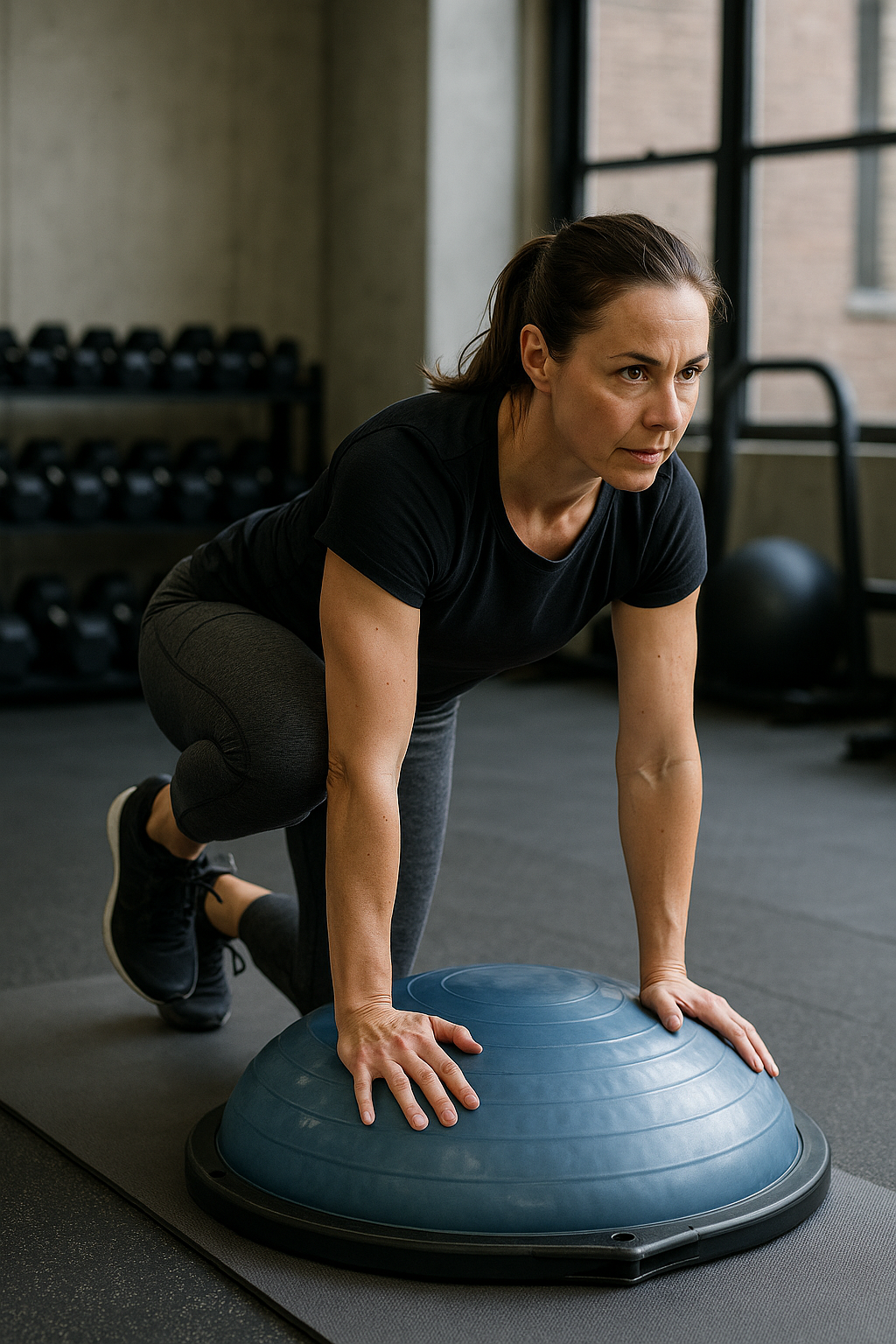
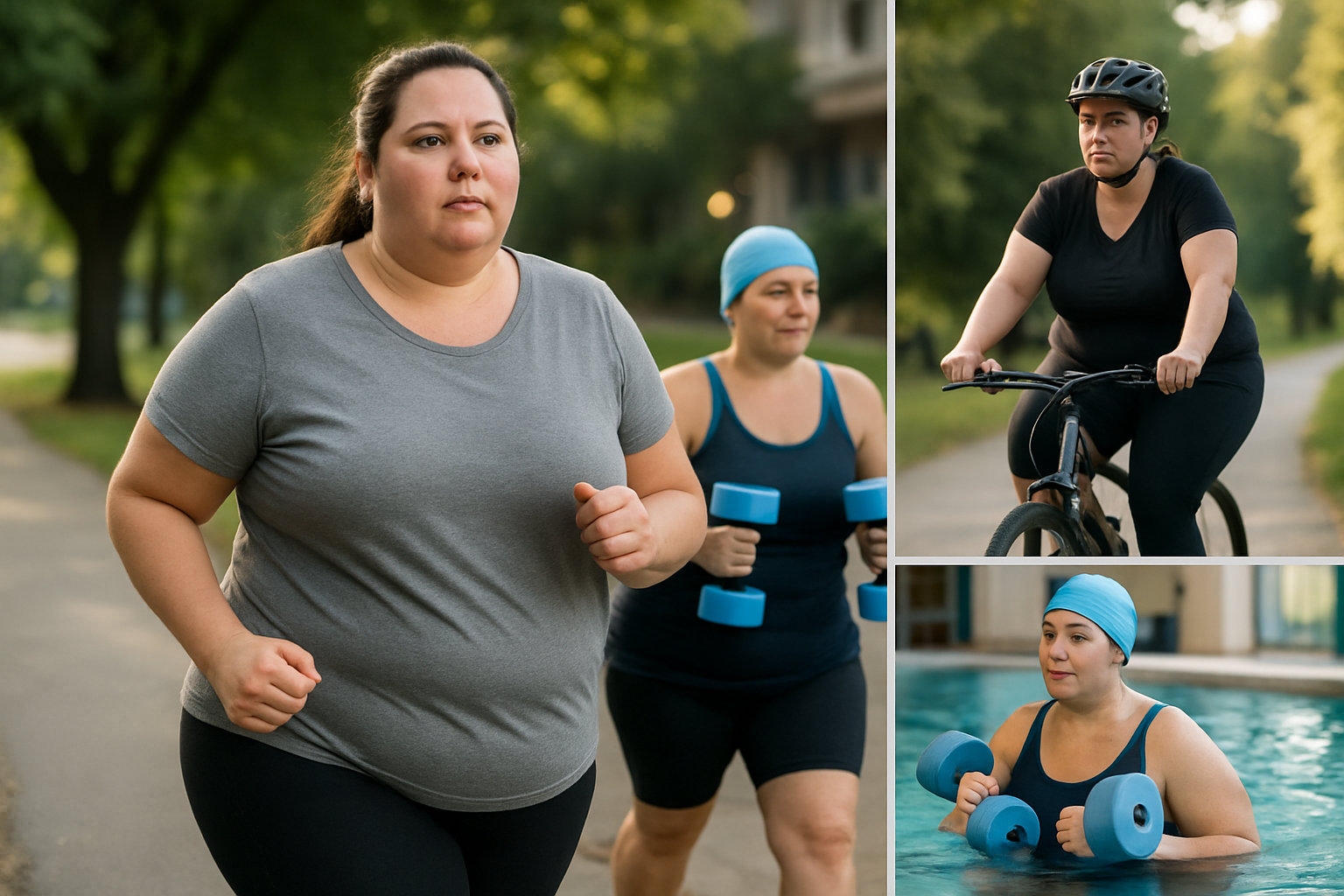
Exercise is crucial for maintaining independence after 60, focusing on strength, balance, endurance, and mobility. A well-rounded routine can combat sarcopenia, enhance daily capabilities, and redu...
Understanding sleep phases can unlock better rest. Sleep isn't a simple on/off switch; it's a cycle of lighter and deeper stages that repeat through the night. These phases support physical recover...
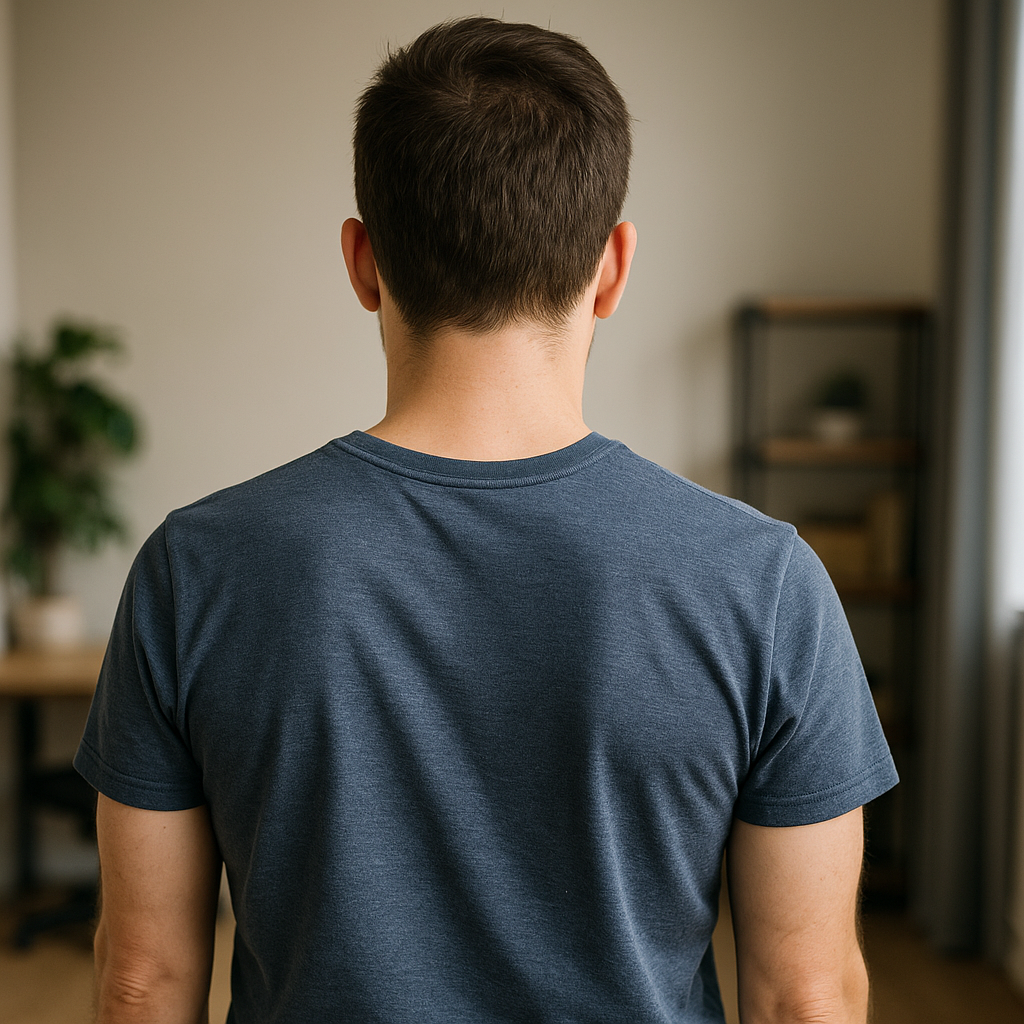
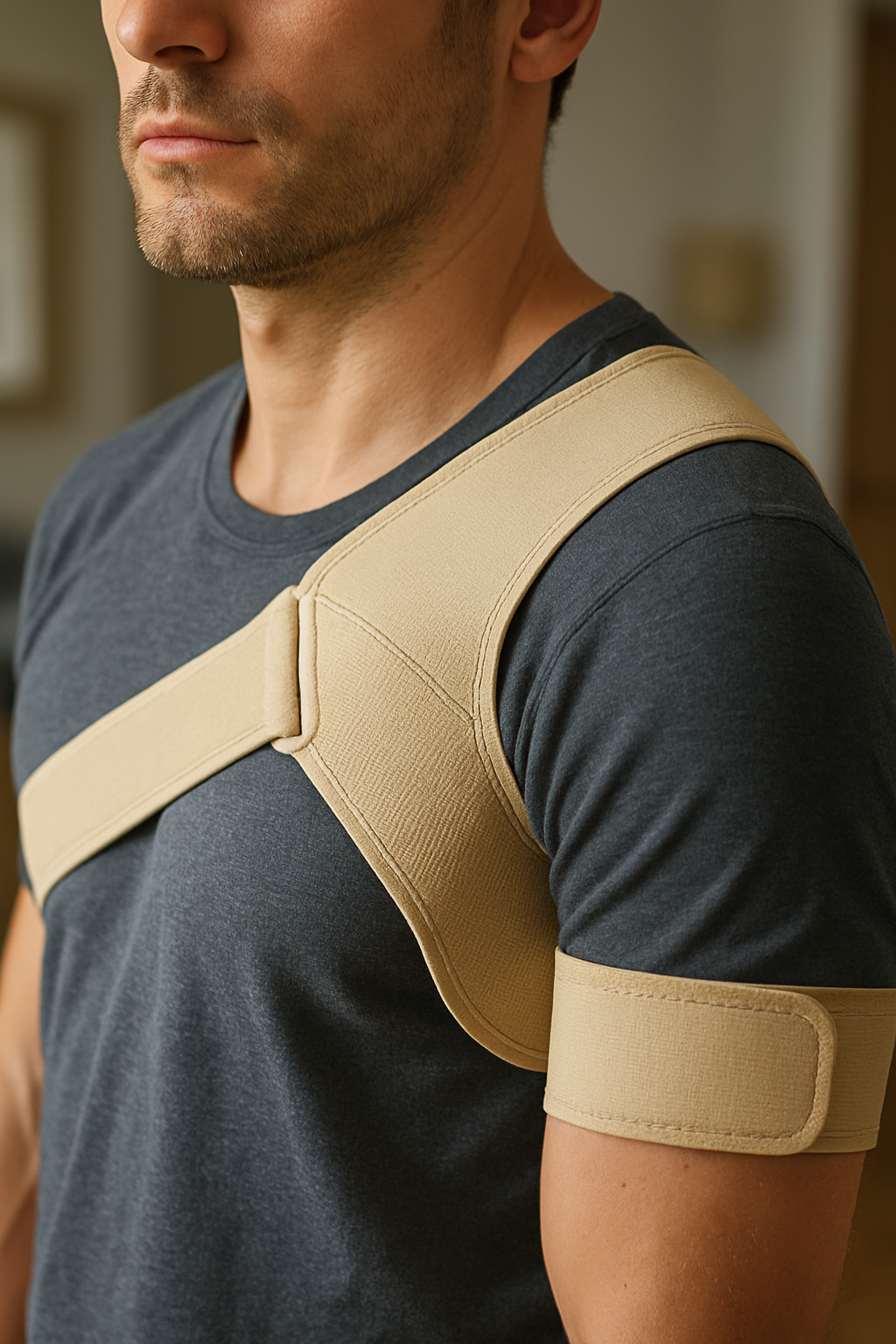
Poor posture can subtly impact your health, leading to symptoms like neck and back pain, headaches, and fatigue. Recognizing early signs, such as rounded shoulders or forward head posture, is cruci...
Recovery time can be a complex journey, influenced by factors like posture, daily stresses, and individual health. Understanding the phases of recovery and making ergonomic adjustments can signific...
Supercompensation is a training concept where performance initially dips post-exercise but rebounds to exceed previous levels with adequate recovery. This cycle, crucial in sport, also applies to d...
Sleeping on your stomach, or the prone position, can lead to neck and back strain due to prolonged twisting and pressure. While some find it reduces snoring or reflux, it often causes discomfort. A...
Sleeping on your stomach can offer comfort but often leads to neck and back discomfort due to spinal misalignment. While it may reduce snoring for some, the position can strain the neck and lower b...
Health promotion is a comprehensive approach to enhancing well-being by connecting everyday choices with the conditions shaping them. It empowers individuals and communities to take control of thei...
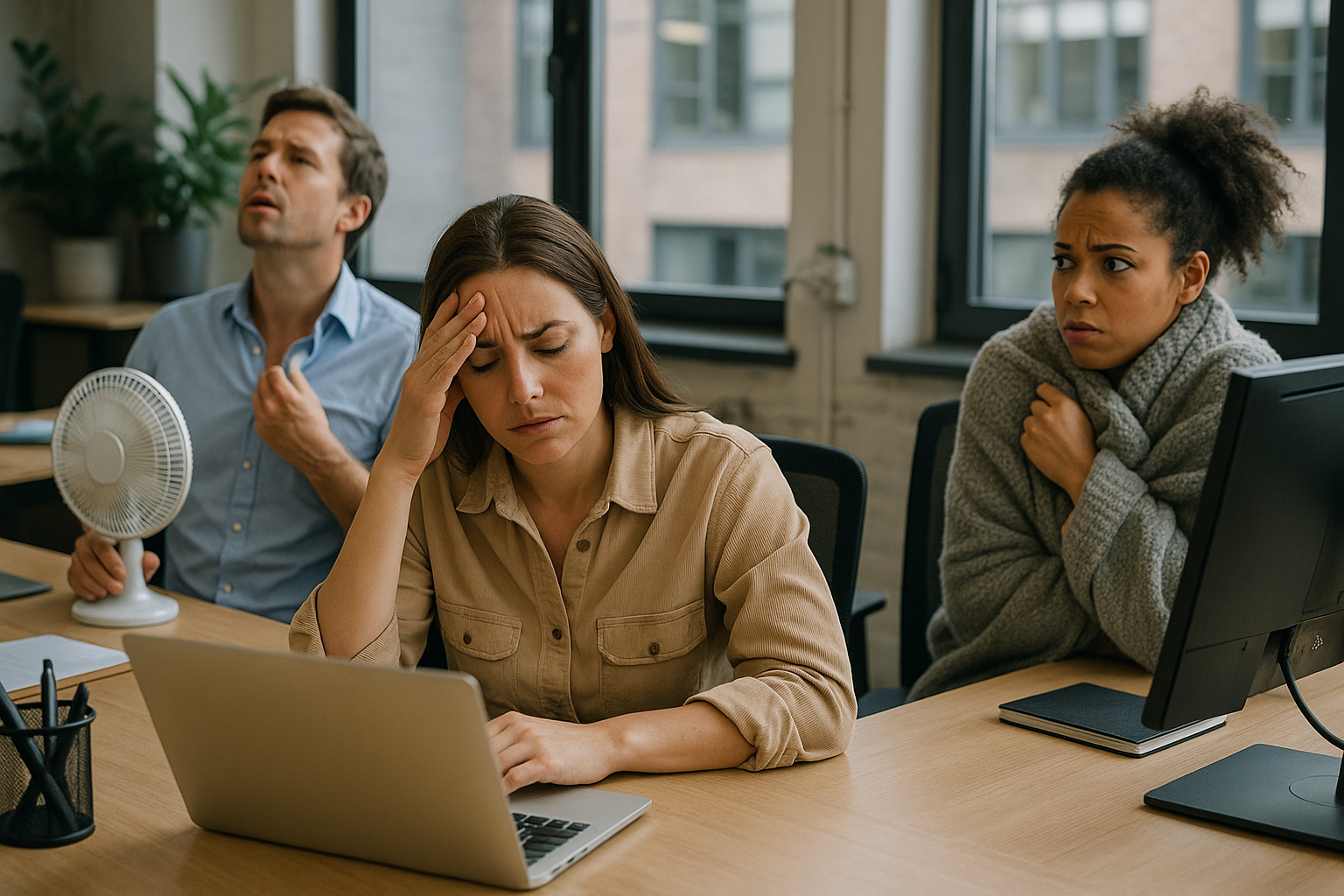
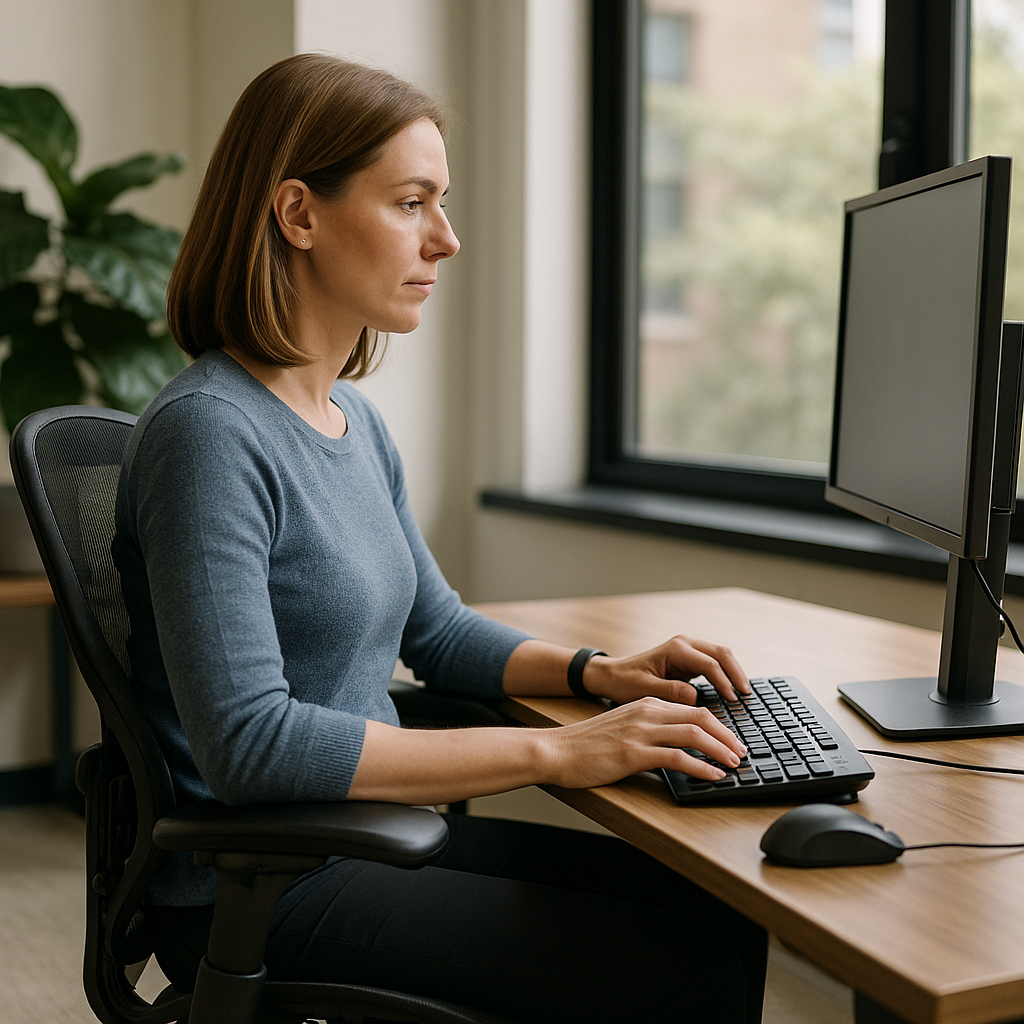
Office ergonomics isn't just about comfort; it's about aligning your workspace with your body's needs to reduce strain and improve focus. By adjusting your chair, desk, and devices, you can allevia...