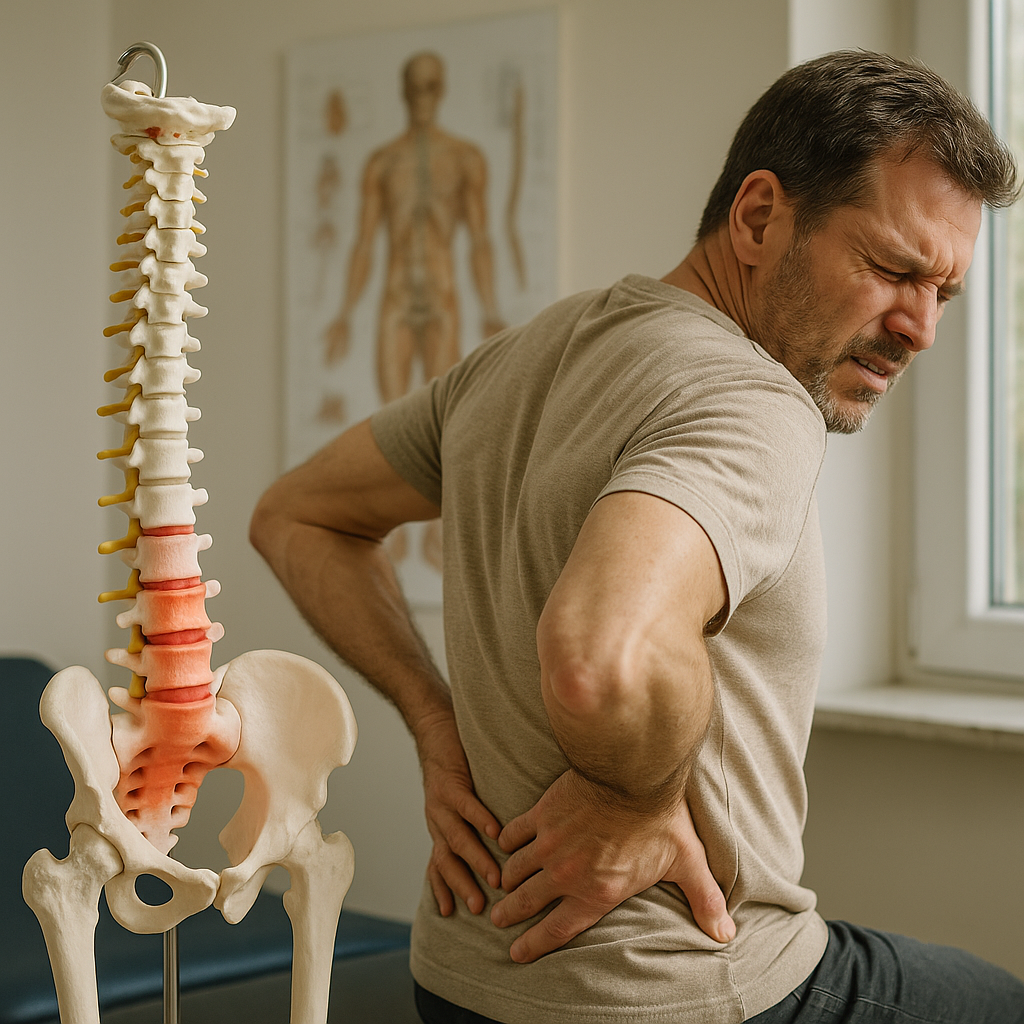
Back problems are a common ailment affecting millions of people worldwide, significantly impacting daily life and overall well-being. These issues encompass a wide range of conditions and symptoms, from mild discomfort to severe, debilitating pain. The prevalence of back pain is staggering, with statistics indicating that a large percentage of adults will experience it at some point in their lives. This widespread issue highlights the importance of understanding and addressing back problems effectively.
Understanding the prevalence of back problems
Back pain is not just a minor inconvenience; it is a multifaceted problem that can arise from various causes, including mechanical issues, inflammatory conditions, and even referred pain from other body parts. The complexity of back problems means that they can manifest in different forms, with symptoms ranging from stiffness and limited mobility to sharp, persistent pain. These symptoms can interfere with everyday activities, making it challenging to perform even simple tasks.
The impact of back pain extends beyond physical discomfort. It can lead to significant consequences if left unaddressed, including a reduced quality of life and increased healthcare costs. Ignoring back pain can result in chronic issues that are more difficult to manage over time. Therefore, early intervention and proactive management are crucial in preventing the progression of back problems.
The importance of early intervention
Addressing back pain promptly is essential to avoid long-term complications. Early intervention can prevent acute pain from becoming chronic, reducing the risk of prolonged suffering and the need for more invasive treatments. Proactive management strategies, such as maintaining good posture, engaging in regular exercise, and using ergonomic aids, can help alleviate pain and prevent future occurrences.

Men's Posture Shirt™ - Black
Activates back muscles and improves posture; helps relieve pain and tension. FDA- & CE-registered.
Despite the availability of various solutions, many individuals continue to struggle with persistent back pain. This ongoing battle raises a critical question: "Do you find yourself struggling with persistent back pain despite trying various solutions?" If the answer is yes, it may be time to explore new approaches and strategies to manage and alleviate back problems effectively.
By understanding the nature of back problems and recognizing the importance of addressing them early, individuals can take proactive steps towards relief and improved quality of life. In the following sections, we will delve deeper into the causes, symptoms, and treatment options for back problems, offering practical solutions to help you break free from the constraints of back pain.
common causes of back problems
Back problems can stem from a variety of sources, each contributing to the discomfort and limitations experienced by sufferers. One of the primary causes is mechanical issues, which include muscle strain, herniated disks, and other structural problems within the spine. These conditions often arise from poor posture, improper lifting techniques, and prolonged periods of sitting or standing. The way we position our bodies during daily activities can significantly influence the health of our back, making ergonomics a crucial consideration in preventing mechanical back problems.
In addition to mechanical causes, inflammatory and metabolic conditions like arthritis and osteoporosis can also lead to back pain. Arthritis involves inflammation of the joints, which can cause pain and stiffness in the back. Osteoporosis, on the other hand, weakens bones, making them more susceptible to fractures, including those in the spine. These conditions highlight the importance of maintaining bone health through diet and lifestyle choices.
Referred pain is another source of back problems, where pain originates in another part of the body but is felt in the back. This can occur due to issues in the kidneys, bladder, or even the gastrointestinal tract. Understanding the root cause of back pain is essential for effective treatment and management.
recognizing symptoms and getting a diagnosis
Identifying the symptoms of back problems is the first step toward seeking appropriate treatment. Common symptoms include stiffness, pain in different regions of the back, and limited mobility. Some individuals may also experience tingling or numbness in the extremities, indicating potential nerve involvement. These symptoms can vary in intensity and duration, making it important to monitor changes and seek medical advice if they persist.
Diagnosis of back problems typically involves a combination of physical examinations and imaging tests. Healthcare professionals may conduct a thorough assessment of your medical history, lifestyle, and physical condition. Imaging tests such as X-rays, MRIs, or CT scans can provide detailed insights into the structure of the spine and any underlying issues. Early diagnosis is crucial for developing an effective treatment plan and preventing further complications.
exploring treatment options for back pain
Once a diagnosis is established, various treatment options can be considered to alleviate back pain. Conservative treatments often serve as the first line of defense, including self-care strategies like rest, ice or heat application, and over-the-counter pain relievers. These methods can help reduce inflammation and provide temporary relief from discomfort.
Physical therapy and exercise play a significant role in managing back problems. A structured physical therapy program can help strengthen muscles, improve flexibility, and enhance overall mobility. Exercises tailored to individual needs can also prevent future episodes of back pain by promoting better posture and alignment.
In cases where conservative treatments are insufficient, medical interventions may be necessary. These can include medications to manage pain and inflammation, injections to target specific areas of discomfort, and, in severe cases, surgical options. It is important to work closely with healthcare providers to determine the most appropriate course of action based on the severity and nature of the back problem.
embracing holistic and alternative treatments
In addition to conventional treatments, holistic and alternative therapies can offer additional relief for back problems. Complementary therapies such as acupuncture, massage, and yoga have gained popularity for their potential to alleviate pain and promote relaxation. These approaches focus on the mind-body connection and can be integrated into a comprehensive treatment plan.
Lifestyle modifications are equally important in managing and preventing back problems. Maintaining a healthy weight, engaging in regular exercise, and adopting ergonomic practices can significantly reduce the risk of back pain. Ergonomic solutions, such as adjustable chairs and standing desks, can help create a supportive environment that minimizes strain on the back.
By understanding the causes, symptoms, and treatment options for back problems, individuals can make informed decisions about their health and well-being. In the next section, we will explore strategies for prevention and long-term management, empowering you to maintain a healthy back and improve your quality of life.
prevention and long-term management of back problems
Preventing back problems and managing them over the long term requires a proactive approach that incorporates ergonomic solutions and lifestyle changes. Ergonomic aids, such as lumbar supports, standing desks, and adjustable chairs, play a crucial role in minimizing strain on the back. These tools help maintain proper posture and reduce the risk of developing back pain, especially for those who spend extended periods sitting or standing at work.

Lumbar support belt
Stabilizes and relieves lower back pain; adjustable for sciatica, herniated discs, and spinal issues.
Optimizing workplace ergonomics is essential for preventing back problems. Simple adjustments, like positioning computer screens at eye level and ensuring chairs support the natural curve of the spine, can significantly reduce back strain. Encouraging regular breaks to stretch and move around can also help prevent stiffness and discomfort.
Assistive devices, such as back braces and support cushions, can aid in the long-term management of back problems. These devices provide additional support and help distribute weight evenly, reducing the risk of flare-ups. By incorporating these tools into daily routines, individuals can manage their back health more effectively.
psychological aspects of dealing with back pain
Understanding the psychological aspects of back pain is equally important in its management. Reassurance and support can make a significant difference in how individuals cope with discomfort. It is important to remember that most cases of back pain are temporary and improve with time and proper care. Seeking support from healthcare professionals and communities can provide valuable guidance and encouragement.
Managing stress and maintaining a positive outlook are vital components of effective back pain management. Stress can exacerbate pain perception, making it feel more intense. Techniques such as mindfulness, meditation, and relaxation exercises can help reduce stress levels and promote overall well-being.
economic and social impact of back problems
The economic and social impact of back problems is substantial, affecting both individuals and healthcare systems. Statistics reveal that back pain is one of the leading causes of disability worldwide, resulting in significant healthcare costs and lost productivity. The economic burden extends beyond medical expenses, as individuals may face reduced earning potential and increased absenteeism from work.
Addressing back problems effectively can alleviate these economic pressures. By investing in preventative measures and early interventions, individuals can reduce the likelihood of chronic pain and the associated costs. This proactive approach not only benefits personal health but also contributes to a more sustainable healthcare system.
frequently asked questions
what are the most common causes of back problems?
Mechanical issues such as muscle strain and herniated disks, inflammatory conditions like arthritis, and metabolic issues like osteoporosis are the most common causes of back problems.
how can I prevent back problems?
To prevent back problems, maintain good posture, use ergonomic aids, exercise regularly, and manage your weight.
when should I see a doctor for back pain?
You should see a doctor if the pain persists for more than six weeks, is severe, or is accompanied by other symptoms like numbness or weakness.
are there effective non-surgical treatments for back pain?
Yes, effective non-surgical treatments include physical therapy, medications, lifestyle changes, and alternative therapies like yoga and acupuncture.
can ergonomic solutions really help with back pain?
Yes, ergonomic solutions can significantly reduce strain on the back and help prevent and manage pain effectively.
Källor
- University of Mississippi Medical Center. "Common Back Problems."
- Palmdale Regional Medical Center. "20 Common Causes of Back Pain."
- MedInfo. "Low Back Pain."
- Mayo Clinic. "Back Pain - Symptoms and Causes."
- Healthdirect Australia. "Spinal Disorders."
- MedlinePlus. "Back Pain."
- Inova. "Inova Spine Program - Conditions."