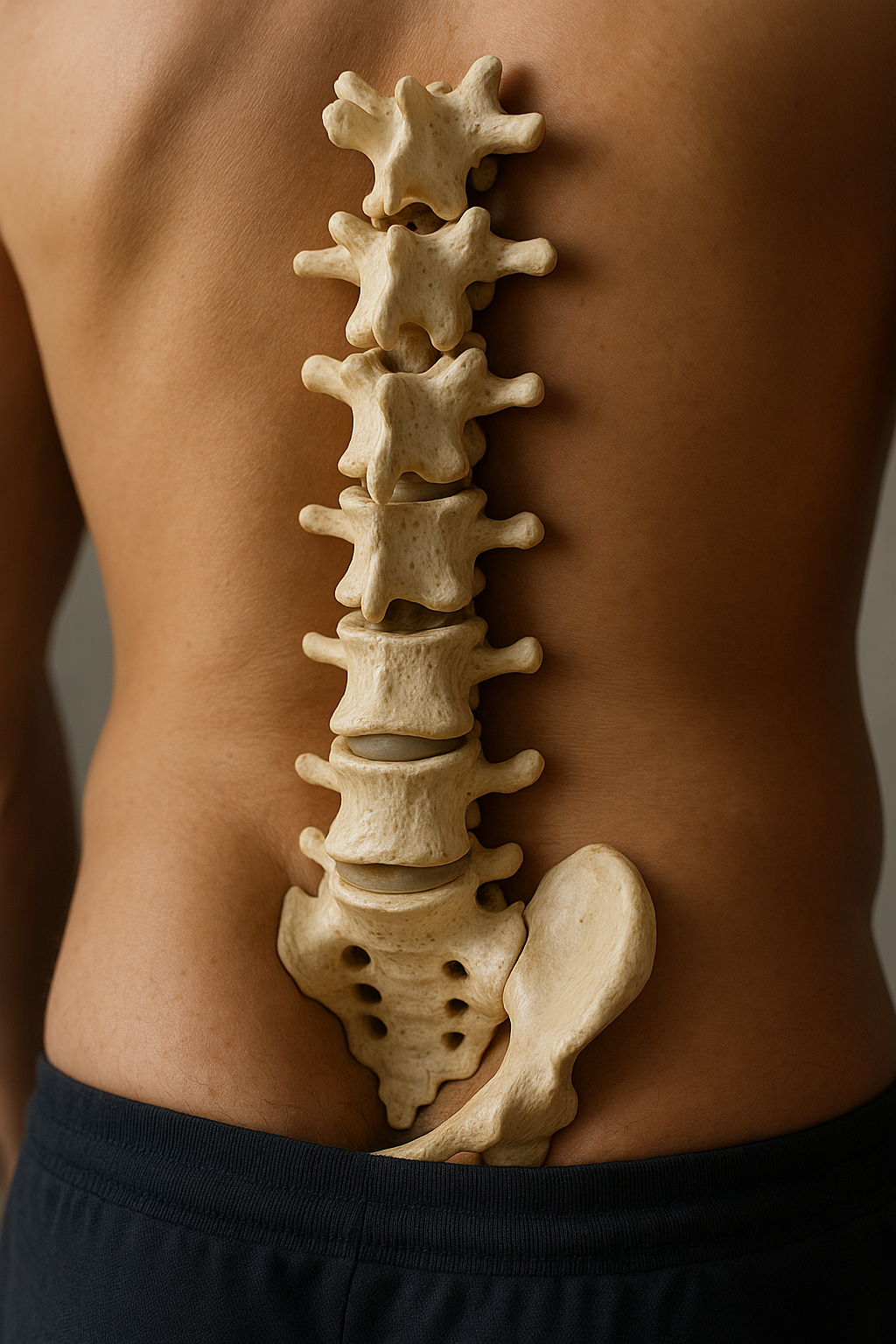
In today's fast-paced world, lumbar pain has become a common ailment affecting millions of people globally. Whether it's due to long hours of sitting at a desk, improper posture, or heavy lifting, the discomfort in the lower back can significantly impact one's daily activities and overall productivity. This pervasive issue not only affects physical health but also mental well-being, leading to increased stress and decreased quality of life.
understanding the lumbar region
The lumbar region, often referred to as the lower back, is a crucial part of the human spine. Comprising five vertebrae, labeled L1 through L5, this area plays a vital role in supporting the upper body's weight and providing flexibility for movement. These vertebrae are larger and thicker compared to other parts of the spine, designed specifically to handle the stress of weight-bearing activities. The lumbar spine's unique structure allows it to maintain stability while also enabling a wide range of motion, making it indispensable for everyday tasks such as bending, twisting, and lifting.
Given its critical function, any discomfort or pain in the lumbar region can lead to significant limitations in mobility and activity levels. Understanding the anatomy and function of this part of the spine is essential for identifying potential problems and finding effective solutions to alleviate pain.
purpose of this blog post
This blog post aims to delve into the intricacies of the lumbar spine, exploring its anatomy, function, and common issues that can arise. By shedding light on these aspects, we hope to provide readers with a comprehensive understanding of the lumbar region, thereby empowering them to take proactive steps in managing and preventing pain. Additionally, we will offer insights into effective pain management techniques and ergonomic solutions that can help maintain a healthy and pain-free back.
Through this exploration, our goal is to equip you with the knowledge needed to make informed decisions about your lumbar health, ultimately leading to a more comfortable and productive lifestyle. Stay with us as we unlock the secrets to achieving lumbar relief and discover practical strategies to keep your back in optimal condition.
anatomical overview of the lumbar spine
The lumbar spine serves as the foundation for the upper body, bearing its weight and facilitating a wide range of movements. Anatomically, it consists of five vertebrae, labeled L1 through L5, which are notably larger and thicker than those in other spinal regions. This robust structure is designed to handle significant stress, providing both stability and flexibility essential for activities such as walking, lifting, and twisting.
Between these vertebrae lie intervertebral discs, which play a crucial role in cushioning and absorbing shock. These discs are composed of a soft, gel-like center encased in a tougher outer layer. This unique composition allows the discs to act as flexible spacers, enabling smooth movement and reducing the risk of injury by distributing load evenly across the spine.
The biomechanics of the lumbar region are complex, involving intricate interactions between bones, muscles, ligaments, and nerves. This complexity allows the lumbar spine to function as a dynamic support system, adapting to various physical demands while maintaining structural integrity. However, this also makes it susceptible to issues if any component is compromised.
clinical examination and assessment techniques
Accurate diagnosis of lumbar issues is essential for effective treatment. Several examination techniques are employed by healthcare professionals to assess the lumbar spine's condition. Notable among these are the Manel's test and the Faber test, which are commonly demonstrated in educational videos by experts like Dr. Nabil Ebraheim and Clinical Physio.
The Manel's test involves assessing the range of motion and identifying any pain or discomfort during specific movements. The Faber test, on the other hand, evaluates the flexibility and integrity of the hip joint and surrounding muscles, which can influence lumbar health. These assessments help pinpoint the root cause of lumbar pain, allowing for tailored treatment plans that address individual needs.
common lumbar issues and their symptoms
Lumbar pain can arise from various causes, each presenting distinctive symptoms. Muscle strain is a frequent cause, often resulting from overuse or improper lifting techniques. This condition typically manifests as localized pain and stiffness, which may improve with rest and gentle stretching.
Herniated discs are another prevalent issue, occurring when the soft center of an intervertebral disc protrudes through its outer layer. This can compress nearby nerves, leading to sharp pain, numbness, or tingling sensations that may radiate down the legs, commonly referred to as sciatica.
Degenerative conditions, such as osteoarthritis and spinal stenosis, can also affect the lumbar region. These conditions often develop gradually, causing chronic pain, reduced mobility, and sometimes neurological symptoms due to nerve compression. Understanding these potential issues and their symptoms is crucial for seeking timely intervention and preventing further complications.
By recognizing the anatomical intricacies and common issues associated with the lumbar spine, individuals can better appreciate the importance of maintaining its health. In the next section, we will delve into practical strategies for managing and preventing lumbar pain, ensuring a pain-free and active lifestyle.
pain management and ergonomic solutions for lumbar relief
Maintaining a healthy lumbar region is essential for preventing discomfort and enhancing overall well-being. Effective pain management and ergonomic solutions are key to achieving this. By adopting practical prevention strategies, individuals can significantly reduce the risk of lumbar pain. Simple actions such as maintaining proper posture, engaging in regular physical activity, and using correct lifting techniques can make a substantial difference.

Lumbar support belt
Adjustable belt to stabilize the lumbar region and relieve lower back pain during daily activities.
Ergonomic aids offer additional support in managing lumbar health. These aids, which are often overlooked in top search results, include lumbar support cushions and adjustable seating options. Such products are designed to align the spine correctly, reducing strain on the lumbar region. For instance, lumbar support cushions can be used in office chairs or car seats to maintain the natural curve of the spine, promoting comfort during prolonged sitting.

Women's Posture Shirt™ - Black
Patented support shirt to improve posture, activate muscles, and relieve tension and back pain.
Incorporating ergonomic aids into daily life is straightforward and can lead to significant improvements. For example, using an adjustable chair at work can help maintain proper posture, while lumbar cushions can provide necessary support during long drives. These tools not only alleviate existing discomfort but also serve as preventive measures, ensuring the lumbar region remains healthy and pain-free.
frequently asked questions
what is the lumbar region?
The lumbar region refers to the lower part of the spine, consisting of five vertebrae (L1-L5). This area is responsible for supporting the upper body and enabling flexibility.
how can I prevent lumbar pain?
Preventing lumbar pain involves maintaining good posture, engaging in regular physical activity, using ergonomic furniture, and practicing safe lifting techniques.
what are common treatments for lumbar pain?
Treatments for lumbar pain may include physical therapy, pain medication, ergonomic adjustments, and in some cases, surgical intervention.
are ergonomic aids effective for lumbar pain relief?
Yes, ergonomic aids such as lumbar support cushions and adjustable chairs can significantly reduce lumbar strain and discomfort.
Kilder
- Lee Spine Center. "Lumbar Spine Anatomy."
- National Center for Biotechnology Information. "Lumbar Spine Anatomy and Function."
- Hinge Health. "Lumbar Spine."
- Park, D. "Lumbar Spine Anatomy."
- Cleveland Clinic. "Lumbar Spine."
- University of Maryland Medical Center. "Spine Anatomy and Function."
- Physio-pedia. "Lumbar Anatomy."
- University of Rochester Medical Center. "Lumbar Spine."
- Spine-health. "Lumbar Spine Anatomy and Pain."
- Globus Medical. "Anatomy of the Spine."
- TeachMeAnatomy. "Lumbar Spine."
- National Cancer Institute. "Spinal Column."