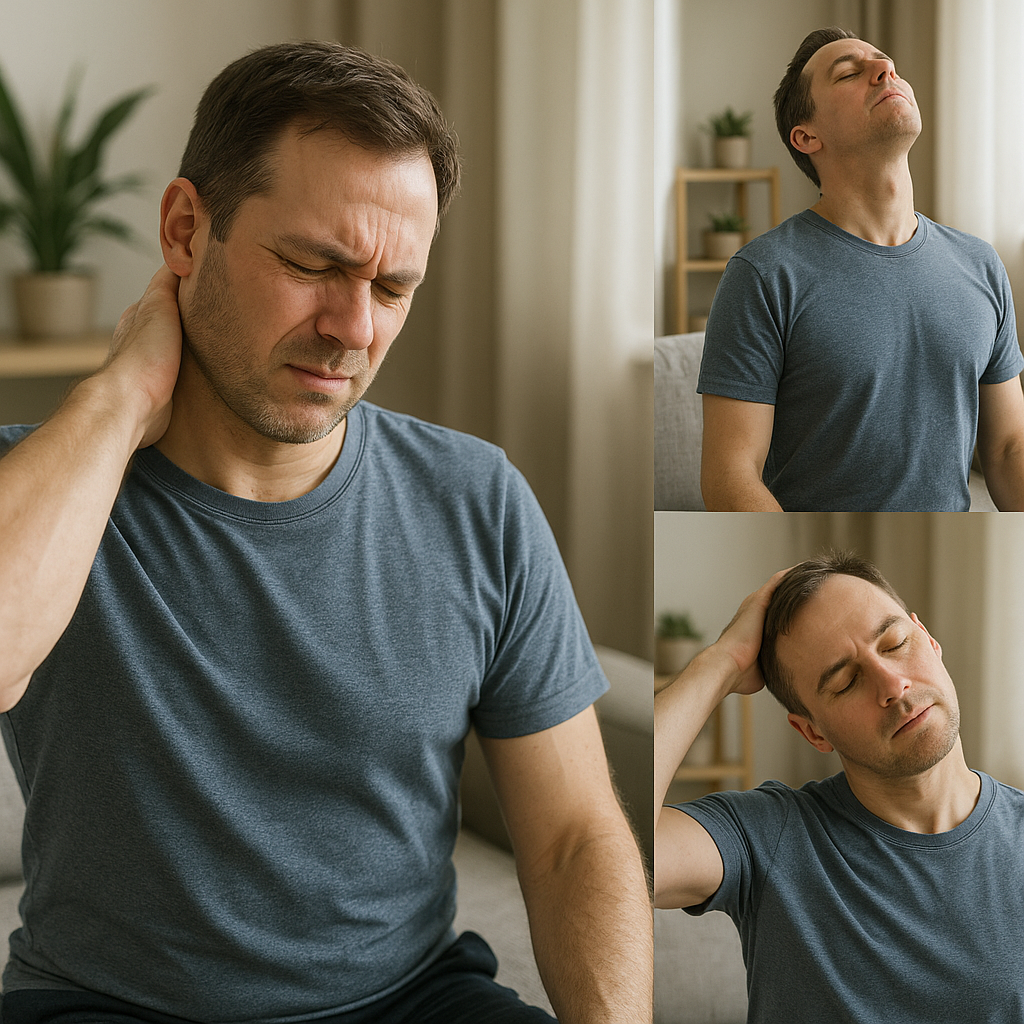
Hip pain is a common ailment that affects countless individuals, disrupting daily routines and diminishing overall quality of life. Whether it's a sharp twinge when standing up or a dull ache that persists throughout the day, hip pain can significantly impact mobility and hinder the ability to perform everyday tasks. From young athletes to older adults, nearly everyone is susceptible to experiencing hip pain at some point, making it an issue that transcends age and lifestyle.
Understanding the origins of hip pain
The hip joint, one of the largest and most complex joints in the body, bears the weight of our movements and provides stability. Consequently, it's no surprise that hip pain can arise from a variety of conditions and factors. Acute injuries, such as sprains or fractures, can lead to immediate pain, while chronic degenerative diseases like arthritis can cause long-lasting discomfort. Additionally, overuse from repetitive activities or underlying health issues can also contribute to hip pain. Understanding the root cause is crucial for effective management and treatment.
The importance of identifying the cause
Identifying the underlying cause of hip pain is essential for devising an appropriate treatment plan. Without a proper diagnosis, treatment may only address symptoms temporarily, rather than providing lasting relief. A thorough understanding of the condition can guide healthcare providers in recommending personalized interventions that target the specific issue, whether it be physical therapy, medication, or lifestyle adjustments. This approach not only alleviates pain but also helps in restoring mobility and enhancing the overall quality of life.
Purpose of this guide
This post aims to serve as a comprehensive guide for those seeking to understand hip pain, its causes, and the various treatment and management options available. By delving into the intricacies of hip pain, we hope to empower readers with the knowledge needed to make informed decisions about their health. The ultimate goal is to help individuals reclaim their mobility, reduce discomfort, and improve their quality of life through effective interventions and lifestyle modifications. Stay tuned as we explore the conditions leading to hip pain and the pathways to relief in the following sections.
exploring common causes of hip pain
Hip pain can stem from a variety of conditions, each presenting its own unique challenges and symptoms. One of the most prevalent causes is arthritis, which affects the hip joint by wearing down cartilage, leading to pain and stiffness. Osteoarthritis, a common degenerative condition, results from the wear and tear of cartilage, whereas inflammatory arthritis, such as rheumatoid arthritis, involves the immune system attacking the joint, causing inflammation and pain.
Another condition, femoroacetabular impingement (FAI), occurs when extra bone grows along one or both of the bones that form the hip joint. This can cause the bones to rub against each other during movement, leading to pain and potentially damaging the joint over time. Hip labral tears, often resulting from FAI or injury, involve damage to the ring of cartilage (labrum) that follows the outside rim of the socket of the hip joint, causing pain and a catching sensation in the joint.
Bursitis, the inflammation of the bursae (small, fluid-filled sacs that cushion the hip joint), is another cause of hip pain. It often results from repetitive motions that irritate the bursae. Tendinitis and hip strain involve inflammation or injury to the tendons and muscles around the hip, typically due to overuse or sudden movements. Lastly, snapping hip syndrome, characterized by a snapping sensation or sound in the hip, can occur when tendons or muscles move over bony prominences, although it is often painless, it can sometimes lead to discomfort.
symptom-to-treatment pathways
Understanding the symptoms of hip pain is crucial in determining the most effective treatment options. The location of the pain can offer significant clues; pain felt in the groin area may indicate issues within the hip joint itself, while pain on the outer hip or buttocks could suggest problems with muscles, ligaments, or tendons surrounding the joint.
Accompanying symptoms such as stiffness, swelling, or a reduced range of motion can further guide treatment decisions. For instance, stiffness and reduced mobility might benefit from physical therapy to improve flexibility and strength. Swelling could be addressed with anti-inflammatory medications or corticosteroid injections to reduce inflammation and pain.
The progression of treatment typically starts with conservative management approaches such as rest, ice application, and over-the-counter pain relief. If these methods do not alleviate symptoms, more advanced interventions like physical therapy or injections may be considered. In cases where conservative treatments fail to provide relief, surgical options might be explored, particularly if the pain is due to structural issues within the hip joint.
diagnostic and advanced treatment options
Accurate diagnosis is key to effective treatment of hip pain. Advanced diagnostic procedures, such as ultrasound-guided interventions or fluoroscopic-guided radiofrequency, allow for precise identification of the underlying issues contributing to hip pain. These methods enable healthcare providers to tailor treatments specifically to the patient's condition.
Innovative treatments such as platelet-rich plasma (PRP) therapy are gaining attention for their potential in managing hip pain. PRP involves injecting concentrated platelets from the patient's own blood into the affected area, promoting healing and reducing inflammation. This approach is particularly appealing for those looking to avoid surgery or medication.
For long-term management of chronic hip pain, evidence-based strategies focus on maintaining mobility and minimizing discomfort. This can include a combination of physical therapy, lifestyle modifications, and possibly advanced procedures like radiofrequency ablation, which uses heat to reduce pain signals from nerves around the hip.
By understanding the specific causes and symptoms of hip pain, individuals can make informed decisions about their treatment options. Whether through conservative management, advanced therapies, or surgical interventions, the goal remains the same: to alleviate pain, restore mobility, and improve quality of life.
prevention and lifestyle management for hip pain
Proactively managing hip pain involves adopting preventive measures that can significantly reduce the risk of developing or worsening existing conditions. A foundational approach is the RICE method—Rest, Ice, Compression, and Elevation—which serves as an effective initial remedy for acute pain episodes. Resting the hip joint minimizes stress, while ice can reduce inflammation and numb the painful area. Compression with a bandage and elevating the leg can further assist in managing swelling and discomfort.
Incorporating regular strength training and flexibility exercises into your routine can also play a crucial role in maintaining hip health. Exercises that target the core, glutes, and hip muscles enhance stability and reduce strain on the hip joint. Activities such as yoga, pilates, and specific physiotherapy exercises can improve flexibility, which is vital for preventing injuries and managing pain.

Lumbar support belt
Provides adjustable lower back support and relief for pain, tension, and activity.
Ergonomic aids are another valuable tool in preventing hip pain. Using supportive chairs, cushions, and other ergonomic devices can help maintain proper posture and reduce undue stress on the hips during daily activities. These aids complement physical therapy by providing continuous support and alignment, which is essential for long-term pain management.

Men's Posture Shirt™ - Black
Patented shirt activates muscles and helps improve posture and relieve pain.
consensus treatment options
To provide a clear overview of treatment options, here is a summary of common approaches and their consensus among medical sources:
| Treatment Category | Consensus Among Sources | Notes |
|---|---|---|
| Conservative Management | Unanimous | Rest, ice, anti-inflammatory medications, physical therapy |
| Corticosteroid Injections | Widespread | Recommended for multiple conditions (bursitis, FAI, arthritis) |
| Physical Therapy | Unanimous | Present in nearly every treatment protocol |
| Surgical Intervention | Conditional | Reserved for advanced cases or failed conservative treatment |
| Advanced Procedures | Limited | Radiofrequency ablation, PRP mentioned in academic sources only |
frequently asked questions
What are the first steps to take if I experience hip pain?
Start with conservative management like rest and ice, and consult a healthcare provider for an accurate diagnosis to tailor further treatment.
When should I consider seeing a specialist for hip pain?
If the pain persists despite initial measures or significantly affects your daily activities, it is advisable to seek specialist advice.
Can lifestyle changes really make a difference in managing hip pain?
Yes, incorporating strength training, flexibility exercises, and ergonomic aids can significantly help in managing and preventing hip pain.
Are there non-surgical options for severe hip pain?
Yes, options like physical therapy, corticosteroid injections, and advanced treatments like PRP may be effective in managing severe hip pain.
How can ergonomic aids help with hip pain?
Ergonomic aids can provide support and alignment, reducing strain on the hip and aiding in pain management, particularly during daily activities.
Källor
- Rush University Medical Center. (n.d.). "7 Common Causes of Hip Pain."
- Collins, J. A., & Ward, J. P. (2021). "Hip Pain: Evaluation and Management." Journal of Clinical Orthopedics and Trauma.
- Aurora Health Care. (n.d.). "Hip Pain."
- Hospital for Special Surgery. (n.d.). "Treatment Options for Hip Pain."
- WebMD. (n.d.). "Hip Pain: Causes and Treatment."
- Penn Medicine. (n.d.). "Nonsurgical Treatments for Hip Pain."
- Hospital for Special Surgery. (n.d.). "Hip Pain Causes."
- Mayo Clinic. (n.d.). "Hip Pain: When to See a Doctor."
- Academy Orthopedic. (n.d.). "Hip Injuries."
- MedlinePlus. (n.d.). "Hip Pain."
- Mayo Clinic. (n.d.). "Hip Pain: Causes."
- MyHealth.Alberta.ca. (n.d.). "Hip Pain."
- Cleveland Clinic. (n.d.). "Hip Pain."
- Penn Medicine. (n.d.). "Hip Pain."
- UChicago Medicine. (n.d.). "Hip Care."
- American Family Physician. (2021). "Evaluation of Hip Pain in Adults."